Ghumoopedia — Explore, Discover, Experience
Sign in
Shri Vaijnath Temple, near Ambajogai

City guide · Maharashtra

Ambajogai

Ambajogai is a historic town in Beed district and an important cultural and pilgrimage centre of Marathwada. Its best-known sacred site is the Yogeshwari Devi Temple, which draws devotees from across Maharashtra, including many families with roots in the Konkan.

Famous for

  • Yogeshwari Devi Temple
  • Shivleni Caves
  • Mukundraj’s Viveksindhu
  • Medieval stone temples
  • Marathwada pilgrimage

Why Ambajogai matters

Ambajogai is a historic town in Beed district and an important cultural and pilgrimage centre of Marathwada. Its best-known sacred site is the Yogeshwari Devi Temple, which draws devotees from across Maharashtra, including many families with roots in the Konkan. The town’s many temples, old stepwells and water bodies give it a distinctive heritage landscape.

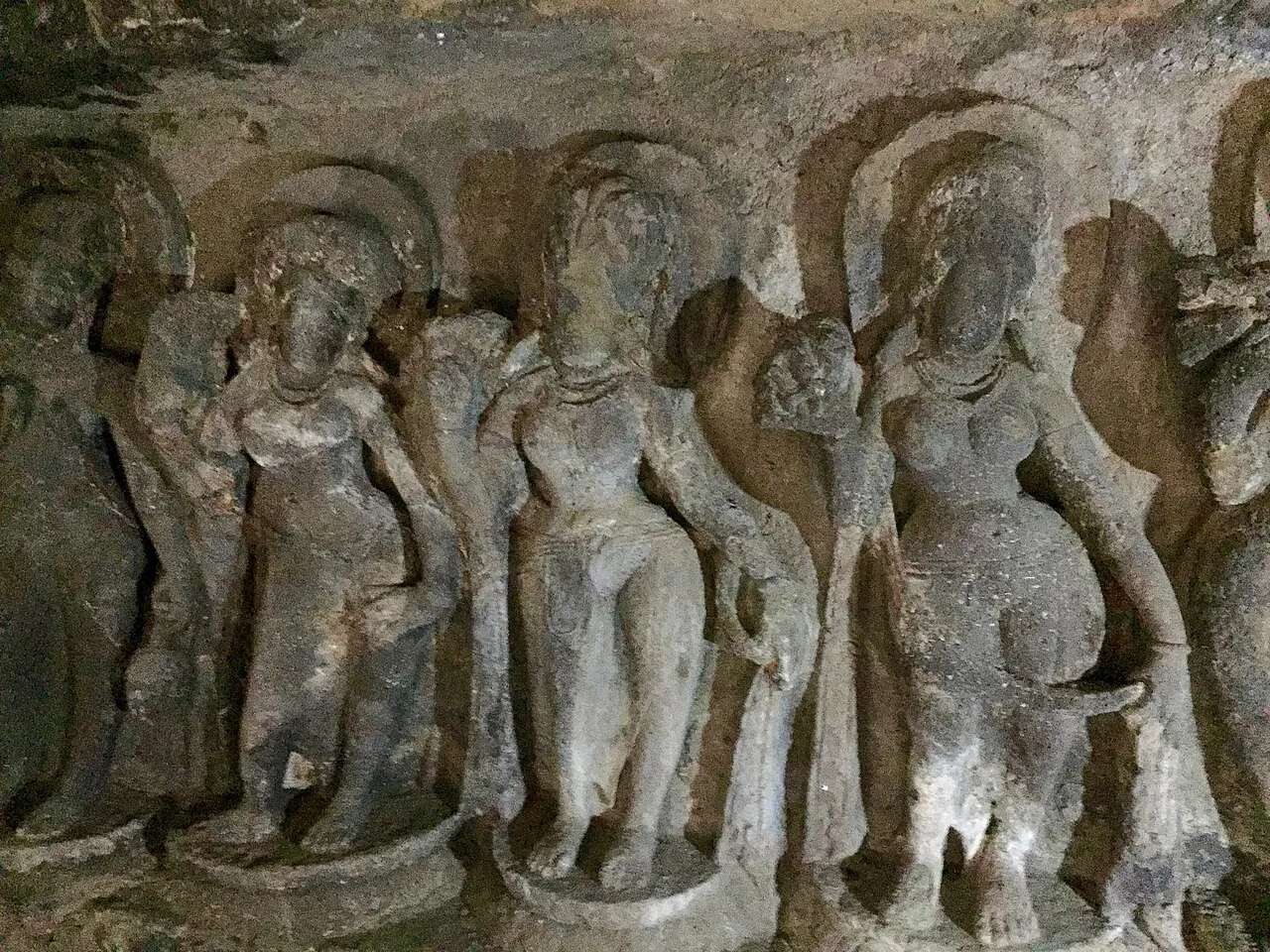
Visitors come for more than worship. The rock-cut Shivleni Caves, also called Hattikhana or Jogai Mandap, preserve remarkable stone carvings, while temples such as Kholeshwar and Sakleshwar reflect the region’s medieval architecture. Ambajogai is also associated with Marathi poet Mukundraj and his work Viveksindhu, regarded as an early landmark of Marathi literature, and with the poet-saint Dasopant. These religious, architectural and literary connections make the town a useful base for exploring Marathwada’s history. Ambajogai is not a major manufacturing or resort destination; its contemporary importance rests chiefly on its regional services, educational institutions and enduring cultural life.

Famous for: crafts, trade & products

Ambajogai is better known for its temples, pilgrimage traditions and historic sites than for a particular textile, handicraft or manufactured product. It is not widely identified as a saree-weaving centre, and no distinctive GI-tagged product is closely associated with the town. Visitors looking for clothing, household goods, snacks or everyday supplies can browse the central market and local shops; these serve residents and pilgrims rather than functioning as a specialist craft bazaar.

The town’s wider economy is connected to local services and the surrounding agricultural region, whose produce reaches markets in and around Ambajogai. For regional food products and seasonal produce, ask in the town’s general markets rather than expecting a dedicated tourist shopping district. The strongest institutional landmark is Swami Ramanand Teerth Rural Government Medical College and its associated hospital, an important healthcare and education centre for the area. Heritage visitors will find more to take away in the town’s architecture and cultural associations: the Yogeshwari shrine, Shivleni Caves, Kholeshwar Temple and sites connected with Mukundraj and Dasopant are its most distinctive offerings.

History

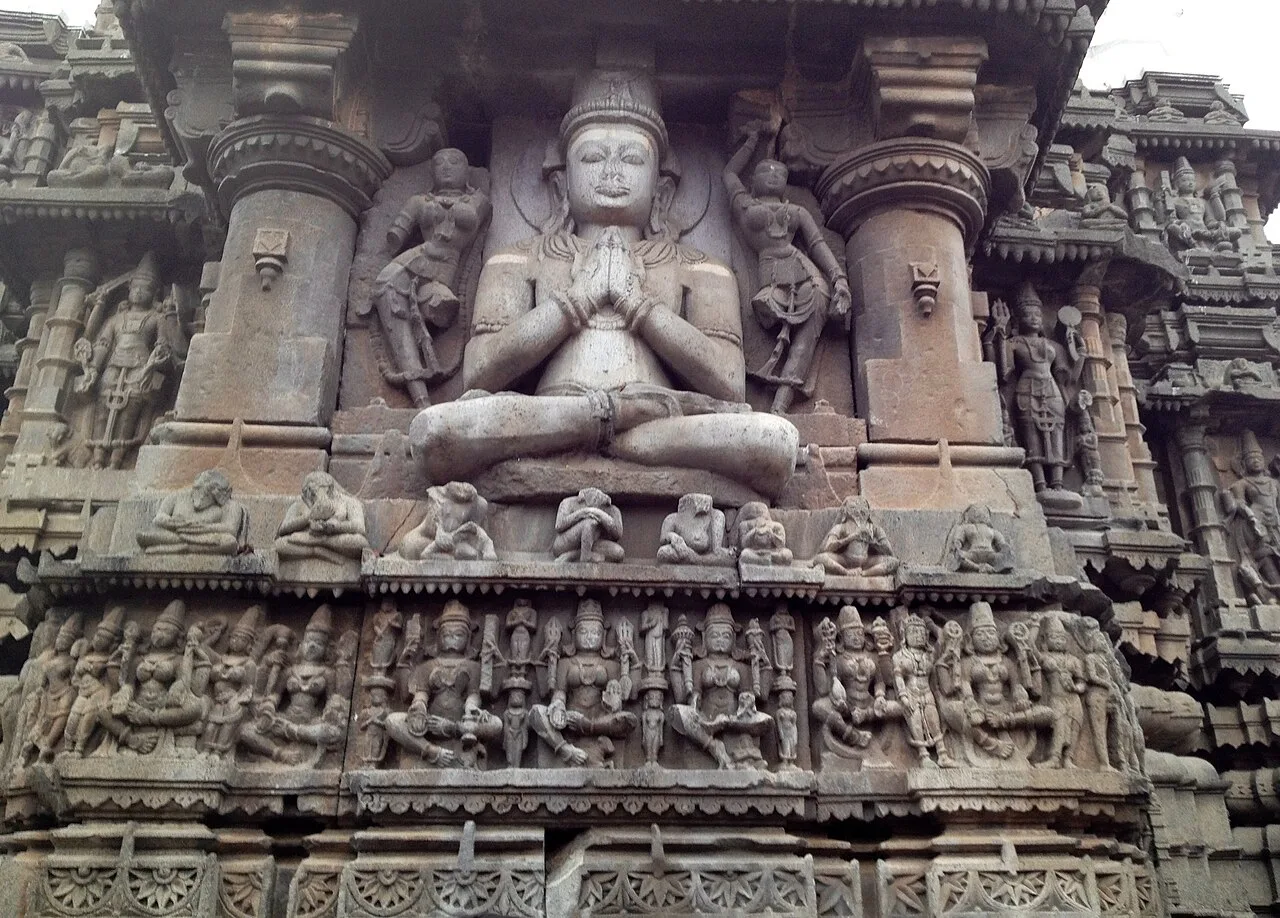
Ambajogai has long been a religious and cultural centre in the Deccan. Its older names include Amrapur and Jayantipur; local tradition also connects the town’s name with the goddess Yogeshwari, known here as Jogai. Temples such as Yogeshwari, Sakleshwar and Kholeshwar testify to its medieval importance. Kholeshwar Temple is a notable Yadava-era monument: an inscription records its construction in 1240, in memory of Ram, by his sister Lakshmi.

The town later came under the Hyderabad State of the Nizams and was known as Mominabad. It remained within the princely state during the period of British rule in India, rather than being part of British-administered Bombay Province. After Hyderabad State joined India, the town’s name returned to Ambajogai. Some heritage structures suffered damage or neglect over time. In modern development, the former cavalry stables were adapted for medical use, and the site became associated with Swami Ramanand Teerth Rural Government Medical College, now a major regional institution.

Food, festivals & culture

Marathi is the principal language of everyday life, alongside Hindi and Urdu. Ambajogai’s cultural identity is closely tied to its temples, devotional practice and literary heritage. The Yogeshwari Devi Temple is the focus of year-round worship and pilgrimage, while shrines associated with Mukundraj and Dasopant recall the region’s devotional and Marathi literary traditions. Bhajans, kirtans and other forms of devotional singing are part of religious gatherings; cultural events also draw on wider Marathwada and Maharashtrian traditions.

Navratri, usually in September or October, brings special devotion to the goddess, and Ganesh Chaturthi, generally in August or September, is marked by household and community observances. Diwali in autumn, Holi near the end of winter and Makar Sankranti in January are widely celebrated. Temple visits and local religious gatherings may be especially lively on festival days. Everyday food follows the hearty Maharashtrian and Marathwada palate: bhakri, pithla, lentils, vegetables and spicy accompaniments are common choices. Puran poli and other familiar Indian sweets may be found around festive occasions, but Ambajogai is not particularly known for a signature sweet.

Visiting the city

The cooler months, roughly October to February, are generally the most comfortable for visiting; summer can be very hot, while monsoon rain may affect road journeys. The nearest airport with passenger services is Nanded Airport, though available connections can vary; check current routes before planning. Parli Vaijnath railway station is the main railhead for Ambajogai, with onward travel by road. The town is reached by road from nearby district centres, and local autos and taxis can help with trips between the market, temples and cave sites.

Begin around the Yogeshwari Devi Temple and central bazaar, then visit nearby historic shrines such as Kholeshwar and Sakleshwar. Shivleni Caves, beside the Jayawanti River, are outside the central temple area; arrange local transport and check access conditions before setting out. Allow time for sites linked with Mukundraj and Dasopant, and treat old structures with care.

Trips from the city

Nearest places to visit from Ambajogai

Our closest destination guides, by straight-line distance.

Shri Vaijnath Temple

20 km away · Beed district

Shri Vaijnath Temple

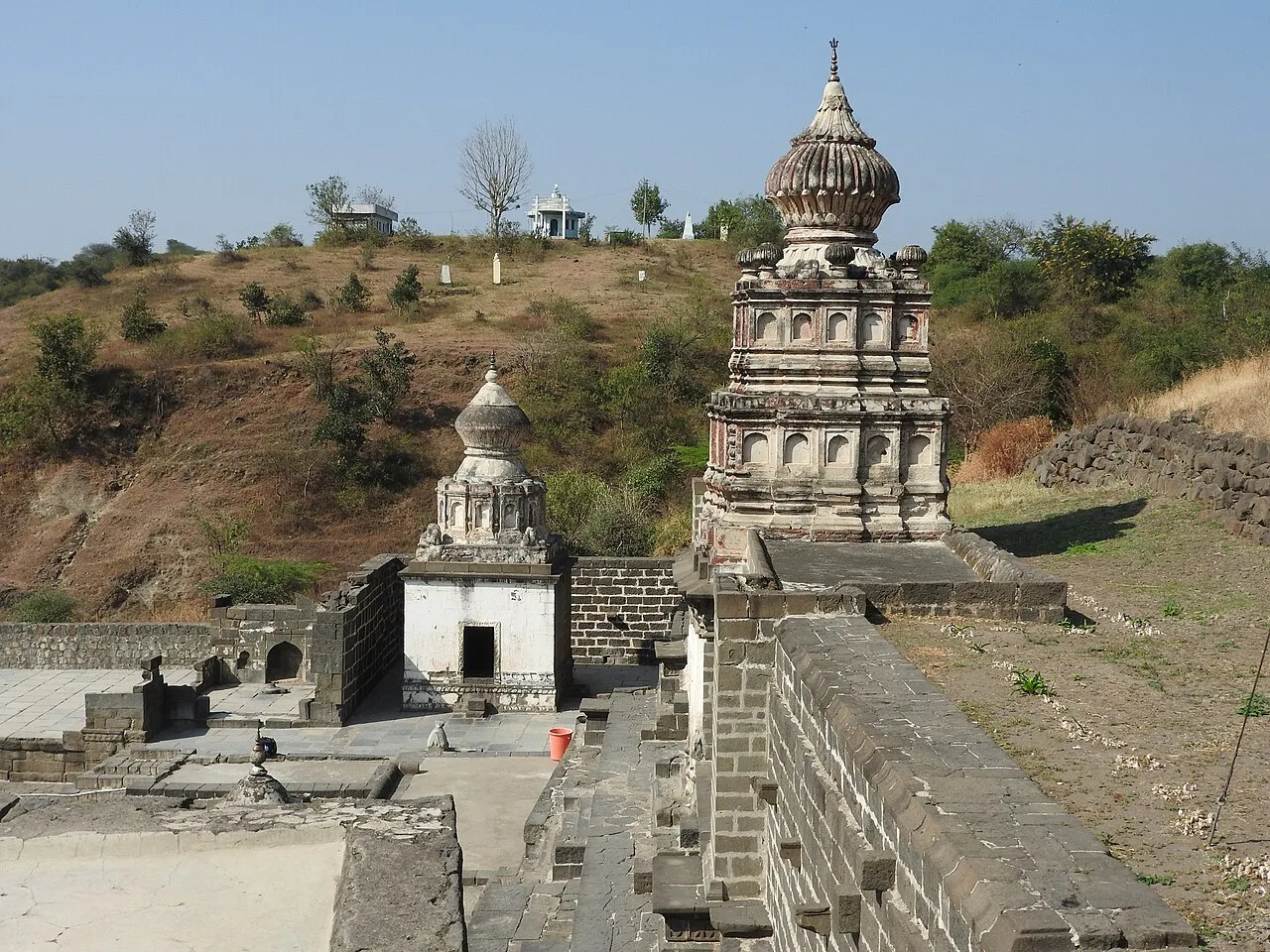
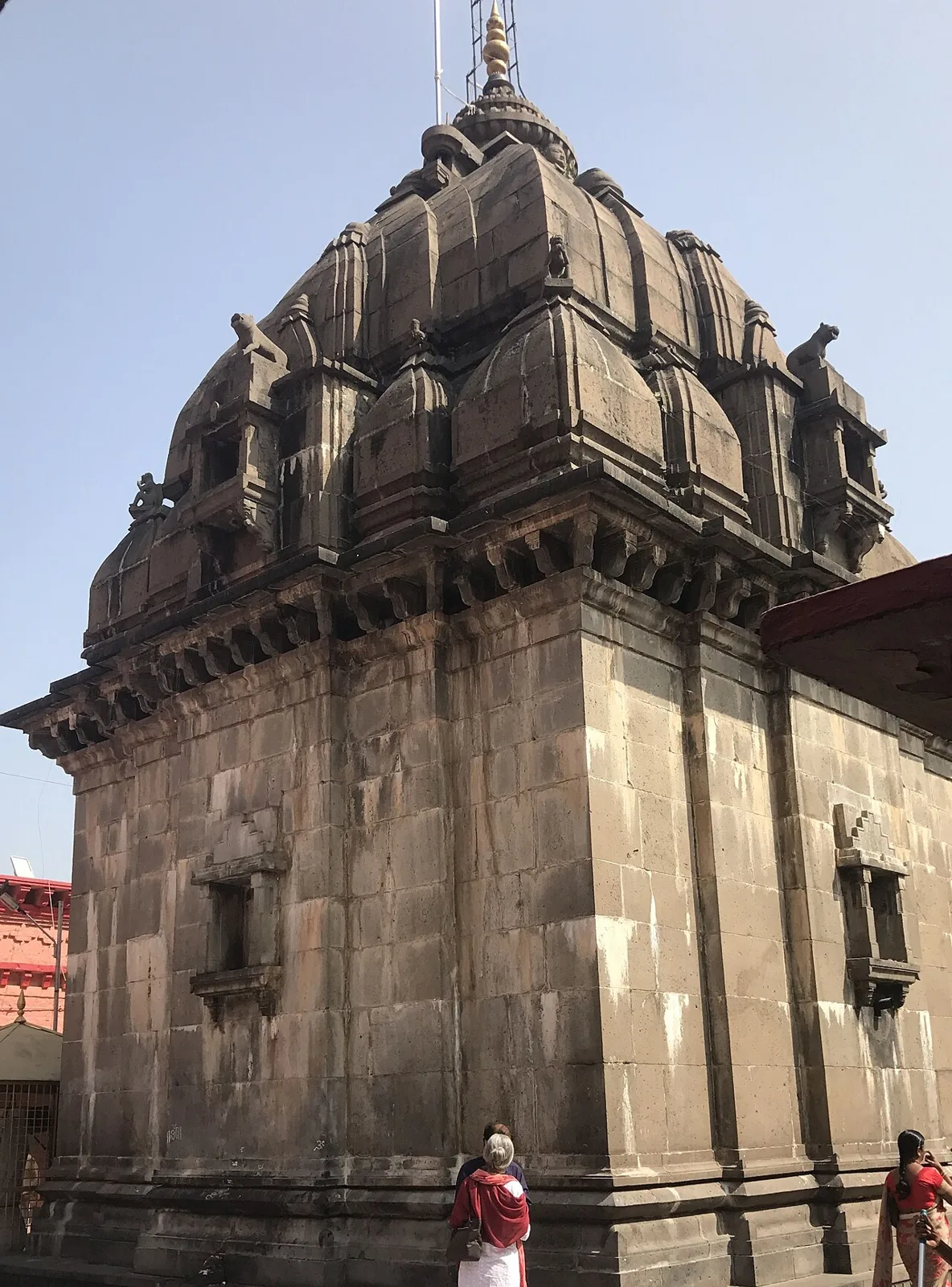
Shri Vaijnath Temple is a Shiva shrine at Parli Vaijnath in Maharashtra’s Beed district. Worshippers visit to perform abhishekam, and the temple is regarded as the fifth of Shiva’s twelve Jyotirlingas.

Tulja Bhavani Temple

85 km away · Dharashiv district

Tulja Bhavani Temple

Tulja Bhavani Temple is a 12th-century shrine to goddess Bhavani in Tuljapur, Maharashtra. It is counted among India’s 51 Shakti Pithas and the state’s four major Shakti shrines.

Hazur Sahib

109 km away · Nanded district

Hazur Sahib

Takht Sachkhand Sri Hazur Abchalnagar Sahib is one of Sikhism’s five takhts, in Nanded, Maharashtra. Visitors come to worship and remember Guru Gobind Singh at the site associated with his death and cremation.

Aundha Nagnath Temple

113 km away · Hingoli district

Aundha Nagnath Temple

Aundha Nagnath Temple is an old Shiva shrine in Maharashtra’s Hingoli district, regarded as the eighth of the twelve Jyotirlinga shrines. Visitors come for its religious importance, historical associations and distinctive architecture.

Lonar Lake

139 km away · Buldhana district

Lonar Lake

Lonar Lake is a saline, soda-rich lake in Maharashtra’s Buldhana district, set within a meteorite-impact crater. Visitors come to see its unusual geological formation and recognised conservation status.

Vithoba Temple

163 km away · Solapur district

Vithoba Temple

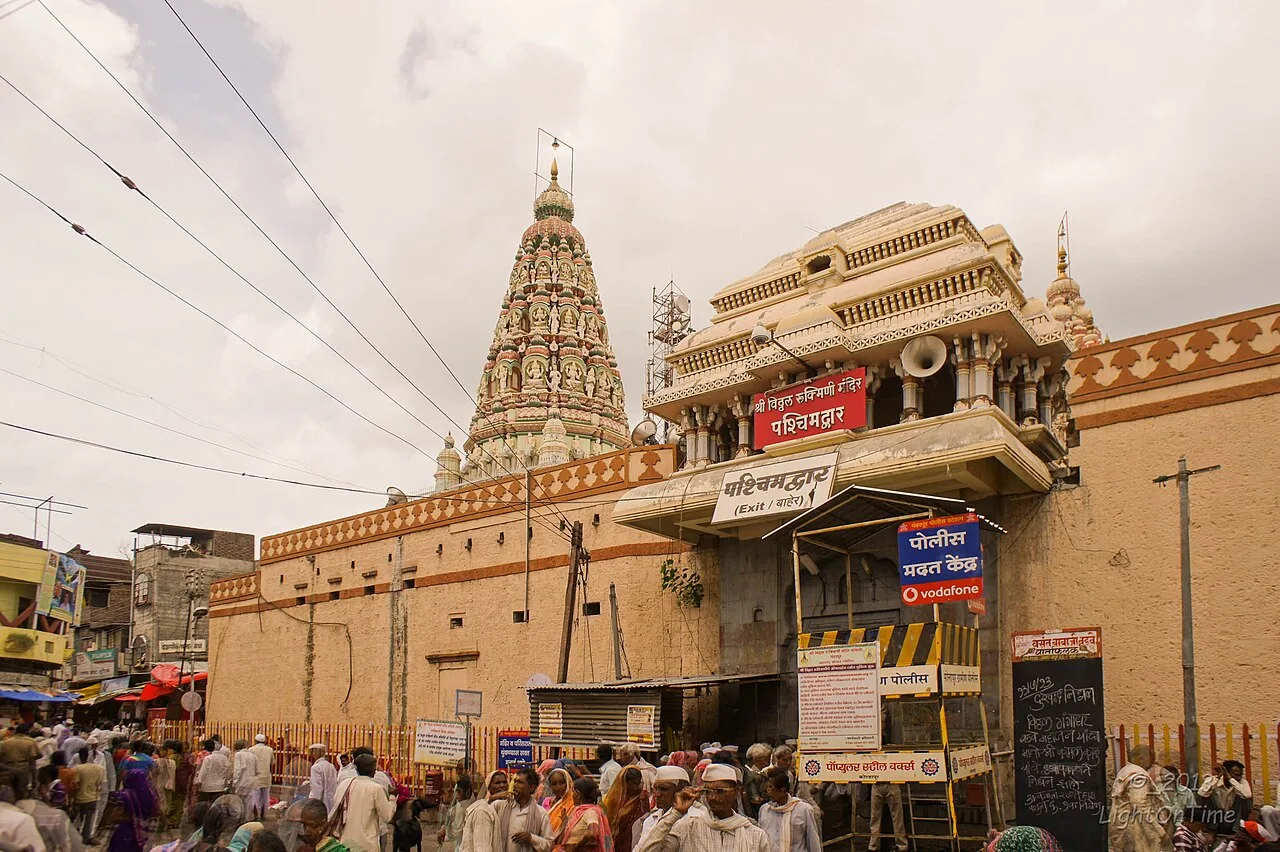
The Vithoba Temple, also called Shri Vitthal-Rukmini Mandir, is a Hindu shrine in Pandharpur, Maharashtra. Devotees visit to worship Vithoba and Rakhumai and join major Warkari pilgrimages.

Bibi Ka Maqbara

171 km away · Chhatrapati Sambhajinagar district

Bibi Ka Maqbara

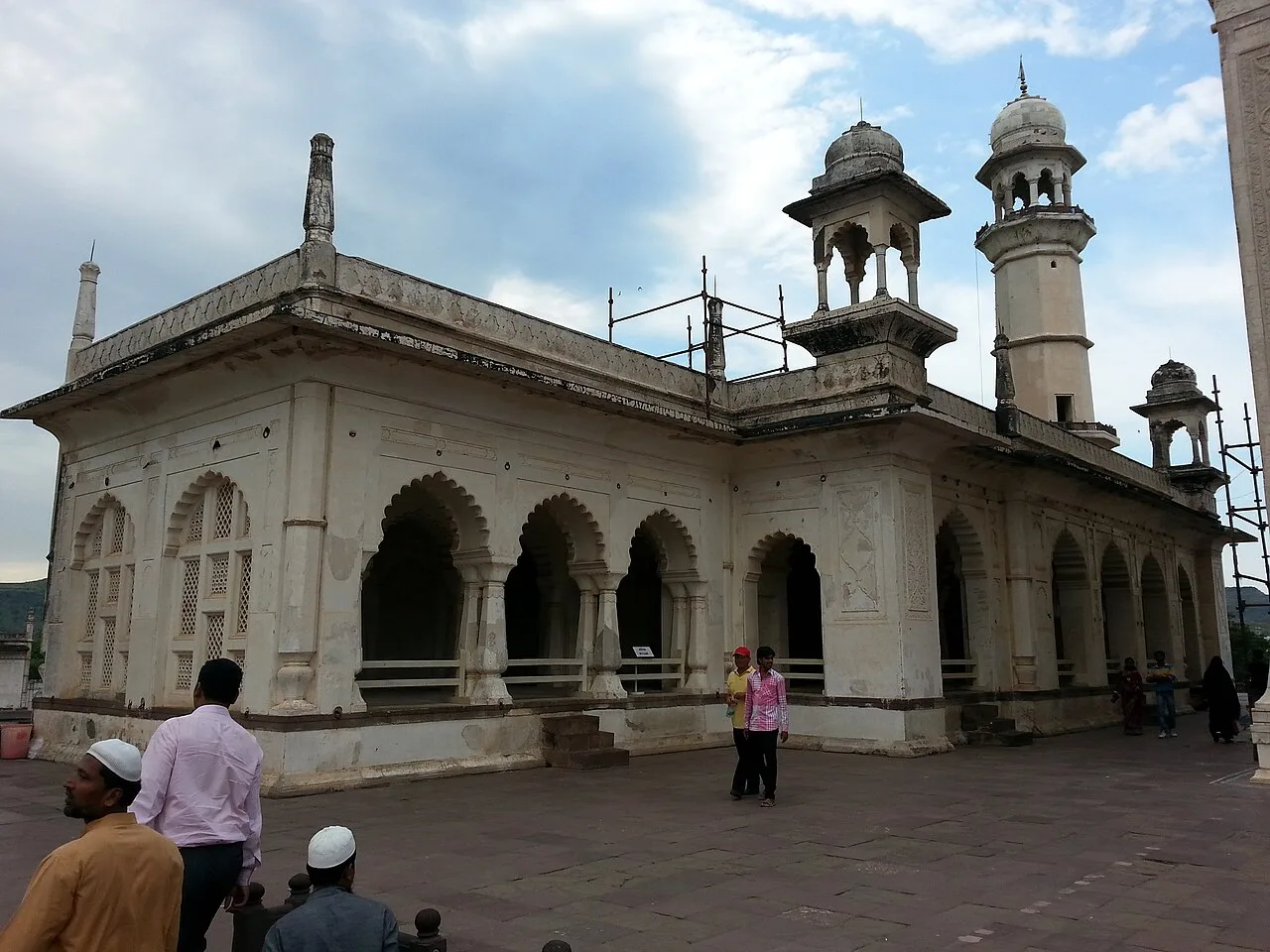
Bibi Ka Maqbara is a Mughal mausoleum in Aurangabad, Maharashtra, built for Dilras Banu Begum. Visitors come to see its resemblance to the Taj Mahal and its place in the region’s history.

Aurangabad Caves

173 km away · Chhatrapati Sambhajinagar district

Aurangabad Caves

Near Aurangabad in Maharashtra, this hill complex contains twelve Buddhist sanctuaries excavated in basalt. Visitors explore its cave architecture and carvings, which represent several Buddhist traditions and include a range of deities.

Map

Ambajogai on the map

  1. 1Shri Vaijnath Temple
  2. 2Tulja Bhavani Temple
  3. 3Hazur Sahib
  4. 4Aundha Nagnath Temple
  5. 5Lonar Lake
  6. 6Vithoba Temple
  7. 7Bibi Ka Maqbara
  8. 8Aurangabad Caves

Maharashtra

Other cities to explore