Ghumoopedia — Explore, Discover, Experience
Sign in
Bibi Ka Maqbara, near Pīpri

City guide · Maharashtra

Pīpri

Pīpri, also known as Kanhan (Pipri), is an urban settlement in Nagpur district, in Maharashtra’s Vidarbha region. Its importance is mainly local and regional: it serves residents with everyday services and connects them to the wider Nagpur area.

Famous for

  • Kanhan (Pipri) township
  • Nagpur district setting
  • Kanhan coalfield region
  • Vidarbha regional connections

Why Pīpri matters

Pīpri, also known as Kanhan (Pipri), is an urban settlement in Nagpur district, in Maharashtra’s Vidarbha region. Its importance is mainly local and regional: it serves residents with everyday services and connects them to the wider Nagpur area. The Kanhan name is also associated with a coal-mining belt, giving the surrounding region an industrial character, though Pīpri is not widely known as a major tourist destination in its own right.

Most visitors come for practical reasons, to meet people, attend to local business or use the town as a stop while travelling through the Nagpur–Kamptee area. Those looking for museums, major monuments or specialist shopping will generally find more options in Nagpur. Pīpri’s appeal is instead its everyday town life and its position within a varied part of central India, where urban settlements, transport routes and industrial activity sit alongside the broader landscapes and traditions of Vidarbha.
Famous for: crafts, trade & products

Pīpri is not widely identified as a centre for a particular textile, saree, handicraft or GI-tagged product. Its shops and local markets mainly meet routine needs, such as groceries, household goods and services for nearby communities. Visitors hoping to find a distinctive local craft should not assume that the town has a dedicated craft quarter or a recognised speciality market.

The wider Nagpur region offers more choice for regional products and specialist shopping. Nagpur oranges, which have a geographical indication, are associated with the district and are most readily sought in Nagpur’s fruit markets and shops; availability varies by season. Nagpur city is also the more practical place to look for a broader range of clothing, crafts and regional foods. The Kanhan area has an association with coal mining, but this is an industrial feature of the region rather than a visitor-facing product market. In Pīpri, ask locally about current shops and market days rather than relying on claims of a formal tourist bazaar.

History

Pīpri’s local history is not commonly set out in a detailed, widely documented chronology. It is identified as Kanhan (Pipri) and belongs to the Nagpur district, whose past provides the broader historical setting. The Nagpur region was shaped by Gond rule and later by the Bhonsle Maratha kingdom. British control followed the Anglo-Maratha conflicts, and Nagpur subsequently became an important administrative centre in central India.

In more recent times, the growth of settlements around Nagpur has been influenced by transport links, expanding urban services and industry. The Kanhan name is associated with coal-mining activity in the surrounding belt, which contributed to the area’s working-town character. These regional developments help explain Pīpri’s place within the Nagpur–Kamptee corridor, but they should not be mistaken for a documented account of the town’s founding or for evidence that every phase of the wider region’s history took place in Pīpri itself.

Food, festivals & culture

Marathi is widely used in the region, alongside Hindi; local speech may also reflect Varhadi, the regional Marathi variety. Everyday food follows Vidarbha tastes, often with bold spices and lentils, though menus and household cooking vary. The wider Nagpur area is known for Saoji-style preparations and sweets such as orange-based treats, but these are regional options rather than specialties that can be assumed at every Pīpri eatery. For a wider choice of restaurants, Nagpur is the nearest major urban centre.

Ganesh Chaturthi, usually in the monsoon season, and Diwali, generally in autumn, are prominent occasions across Maharashtra. Holi in spring and Dussehra in autumn are also observed, alongside Muslim festivals in local communities. Neighbourhood temples and mosques serve as places of worship and community gathering. Public celebrations, devotional music and family visits are more characteristic of local cultural life than large visitor-focused performances; specific events can vary from year to year.

Visiting the city

The cooler months, roughly October to February, are generally the most comfortable time to visit. The nearest major airport is Dr. Babasaheb Ambedkar International Airport in Nagpur. Nagpur Junction is the principal railway gateway for visitors; check current rail connections before travel, as local station services may vary.

Auto-rickshaws and local road transport are practical for getting around, while taxis or a hired vehicle can help with trips beyond the town. Explore the central market streets and residential areas to get a sense of daily life, and ask locally about current places to eat or worship. Nagpur is the best base for a broader selection of hotels, restaurants, shopping and cultural attractions. Pīpri is most useful as a short regional stop rather than a destination with an established sightseeing circuit.

Trips from the city

Nearest places to visit from Pīpri

Our closest destination guides, by straight-line distance.

Bibi Ka Maqbara

25 km away · Chhatrapati Sambhajinagar district

Bibi Ka Maqbara

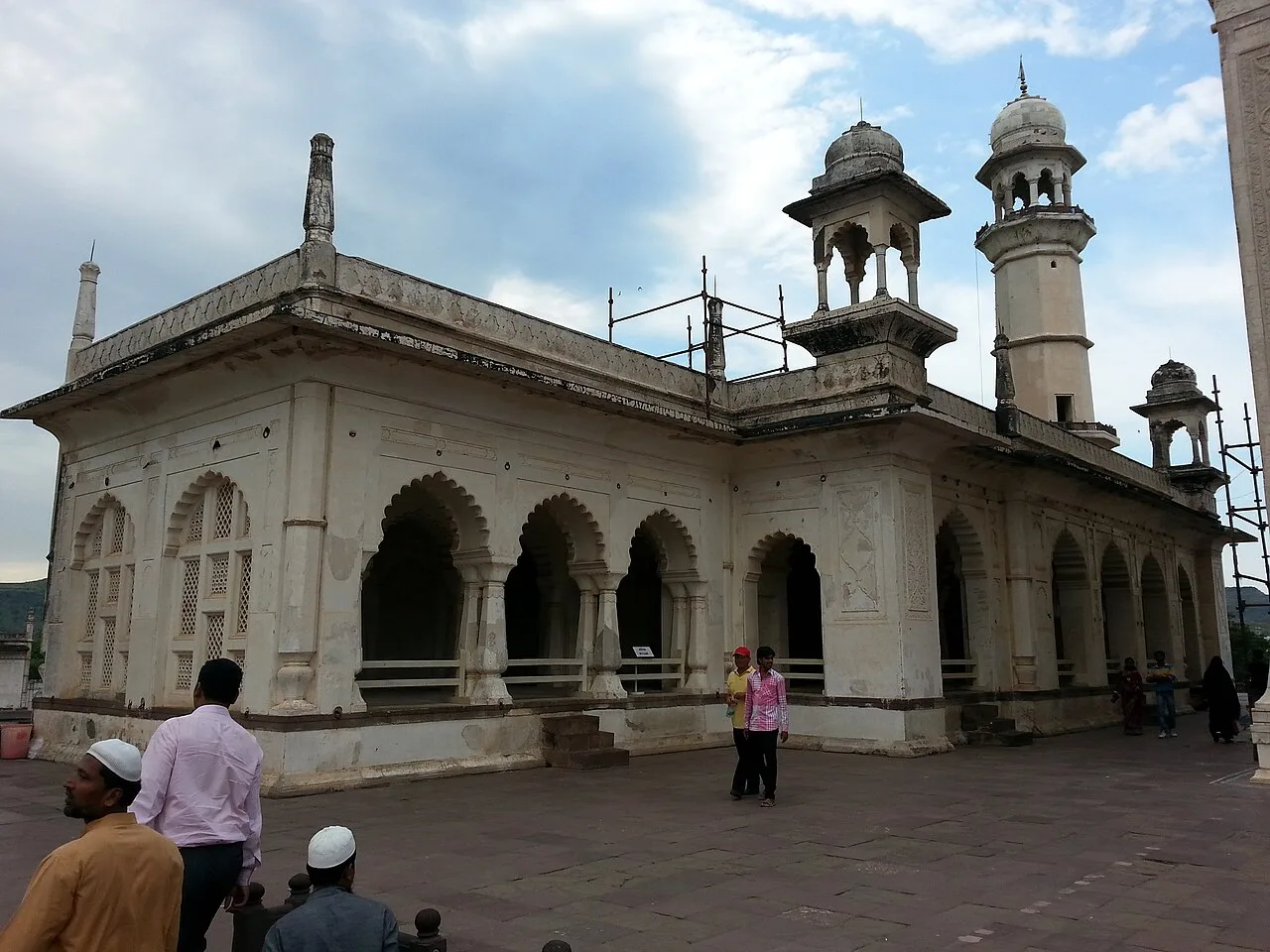
Bibi Ka Maqbara is a Mughal mausoleum in Aurangabad, Maharashtra, built for Dilras Banu Begum. Visitors come to see its resemblance to the Taj Mahal and its place in the region’s history.

Aurangabad Caves

27 km away · Chhatrapati Sambhajinagar district

Aurangabad Caves

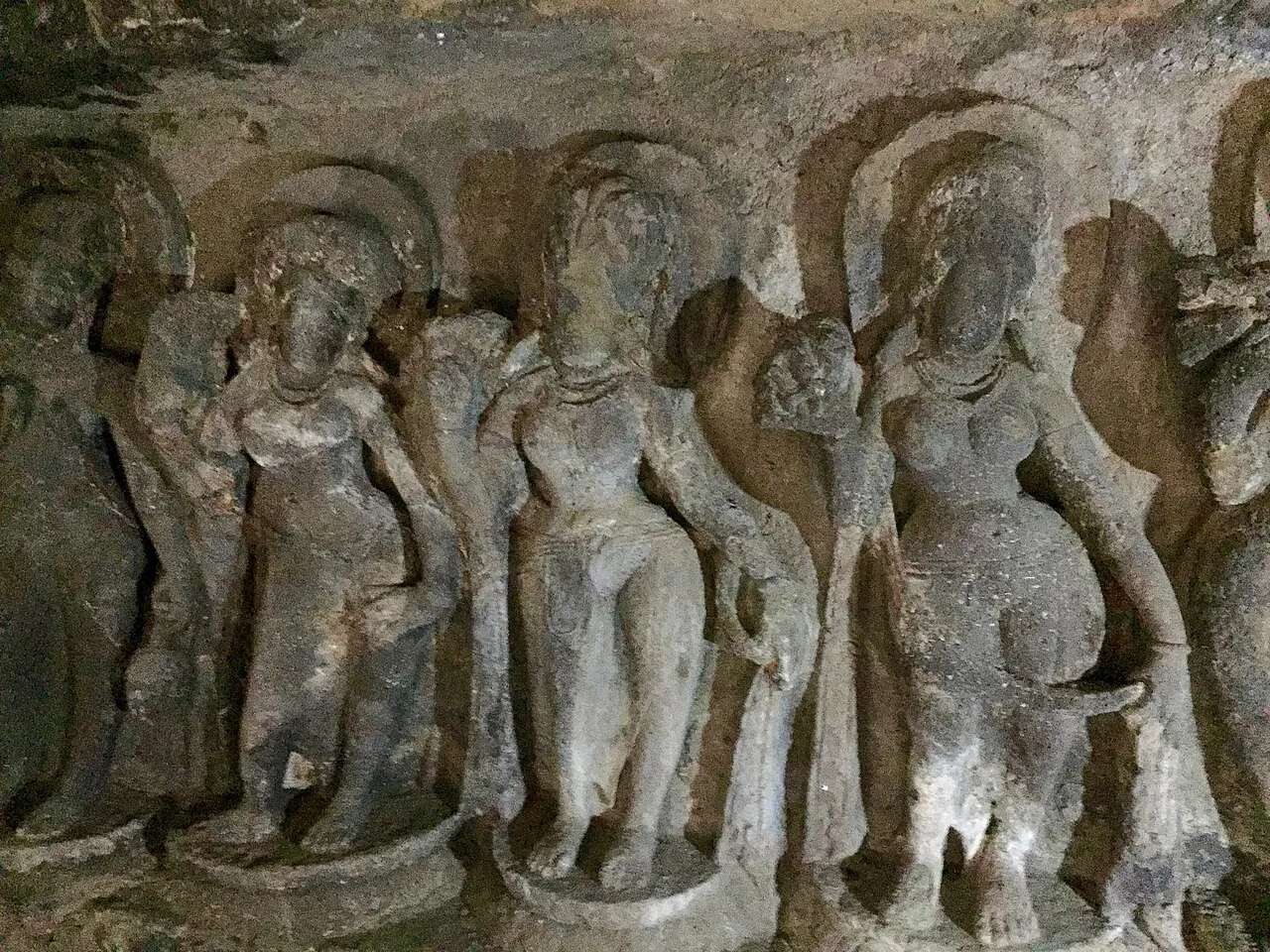
Near Aurangabad in Maharashtra, this hill complex contains twelve Buddhist sanctuaries excavated in basalt. Visitors explore its cave architecture and carvings, which represent several Buddhist traditions and include a range of deities.

Daulatabad Fort

38 km away · Chhatrapati Sambhajinagar district

Daulatabad Fort

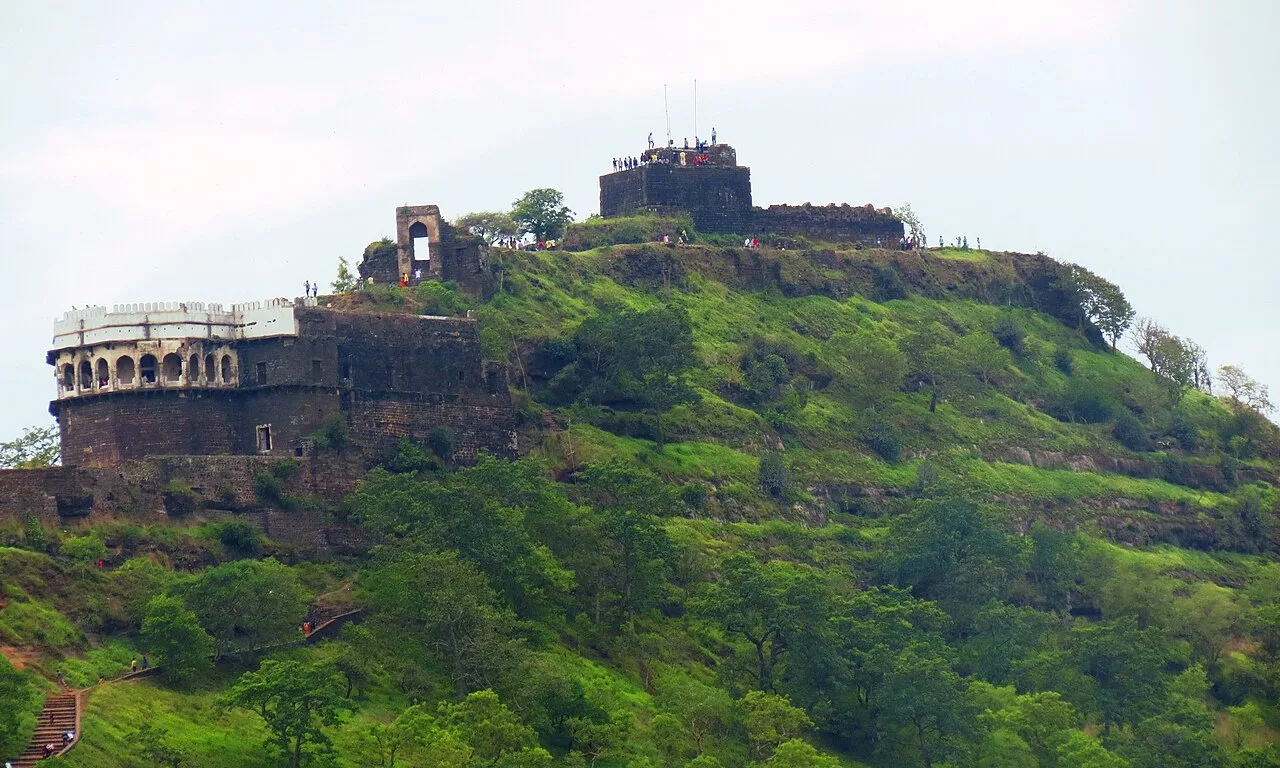
Daulatabad Fort is a historic stronghold in Maharashtra, first known as Devagiri. Visitors explore its history as a Yadava seat, briefly a Delhi Sultanate capital, and later an Ahmadnagar centre.

Ellora Caves

46 km away · Chhatrapati Sambhajinagar district

Ellora Caves

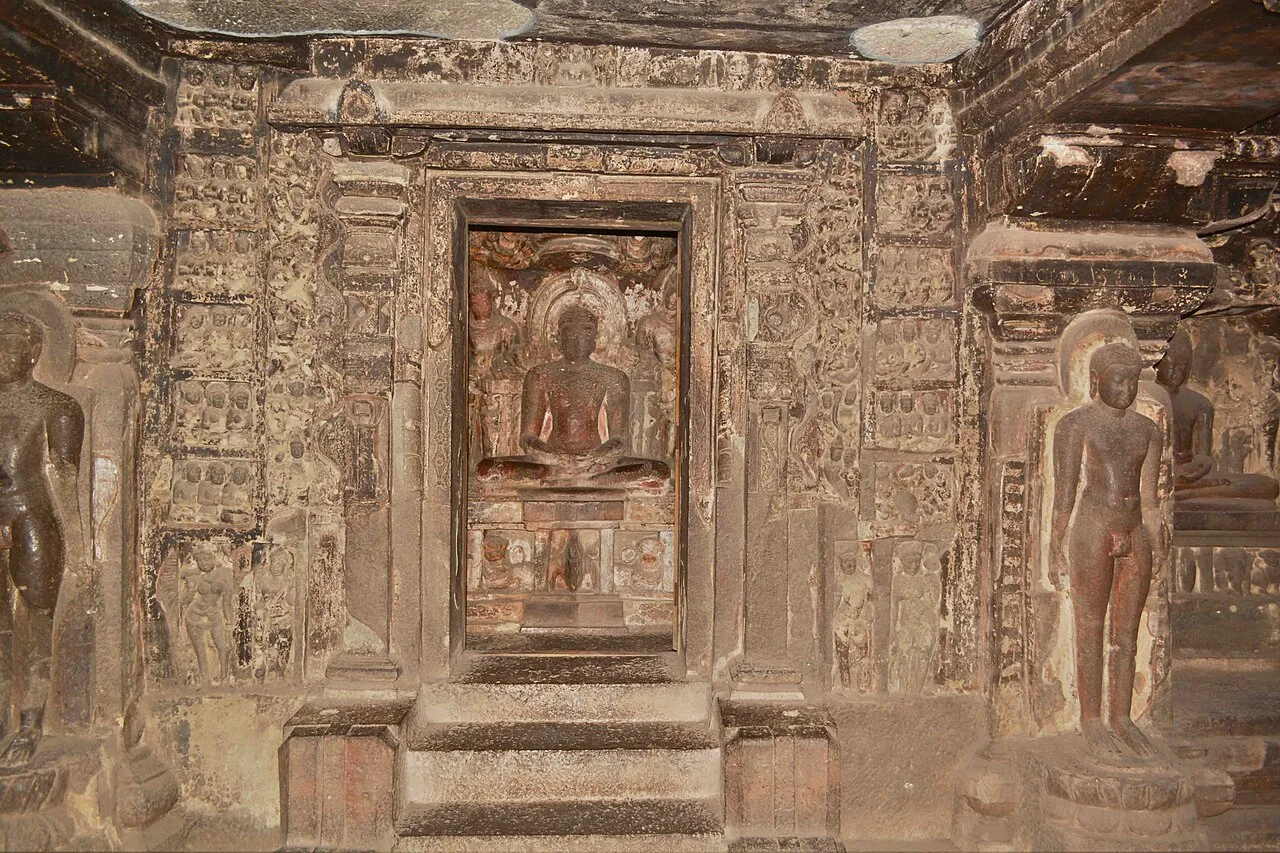
Ellora, in Maharashtra’s Chhatrapati Sambhajinagar district, is a UNESCO World Heritage Site. Visitors explore its Hindu, Buddhist and Jain monuments, including the remarkable Kailash temple carved from rock.

Ghrishneshwar Temple

46 km away · Chhatrapati Sambhajinagar district

Ghrishneshwar Temple

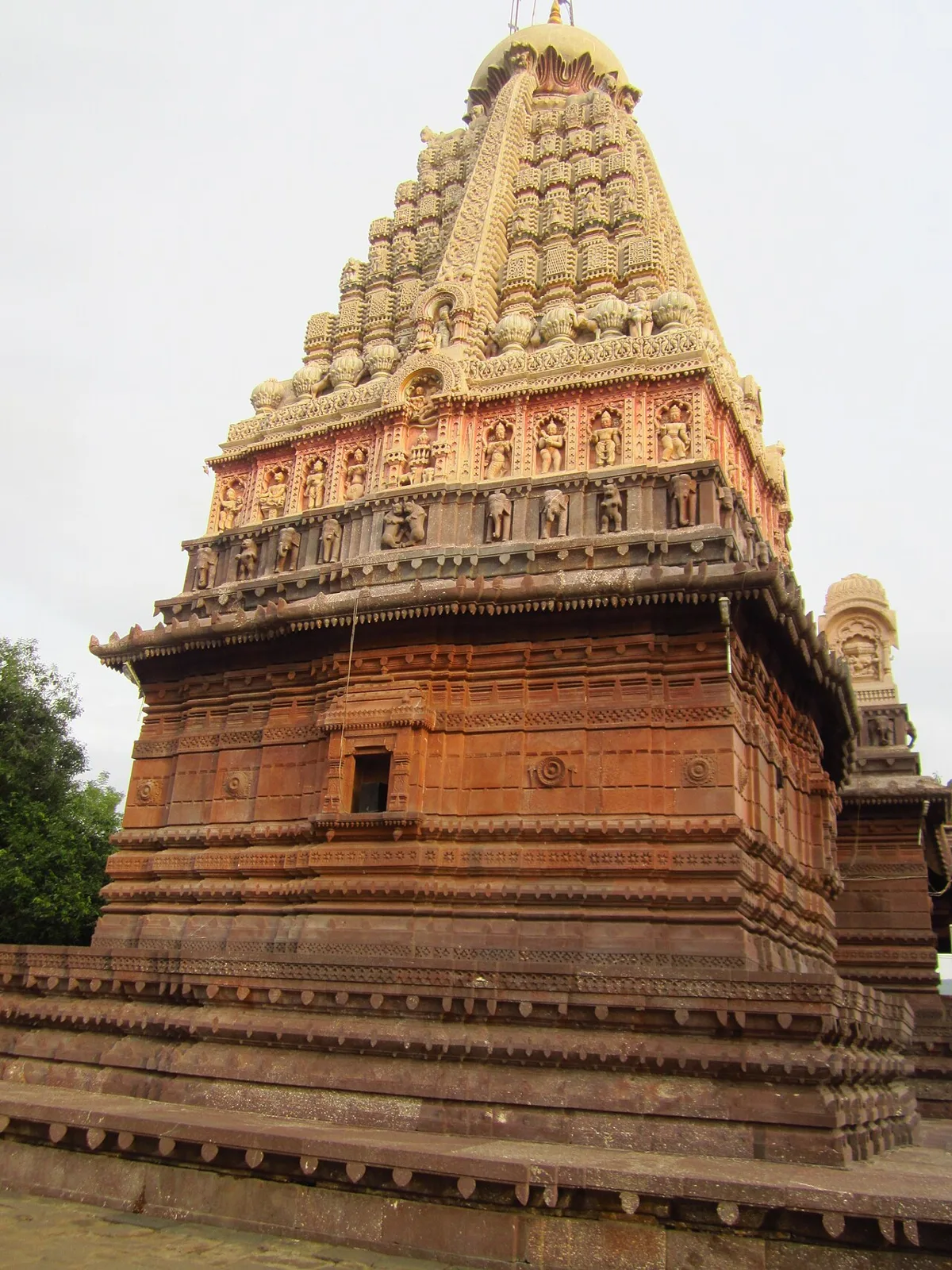
Ghrishneshwar Temple is a Shiva shrine in Verul, Maharashtra, and one of the twelve Jyotirlingas. Visitors come to worship Shiva at this nationally protected temple.

Ajanta Caves

86 km away · Chhatrapati Sambhajinagar district

Ajanta Caves

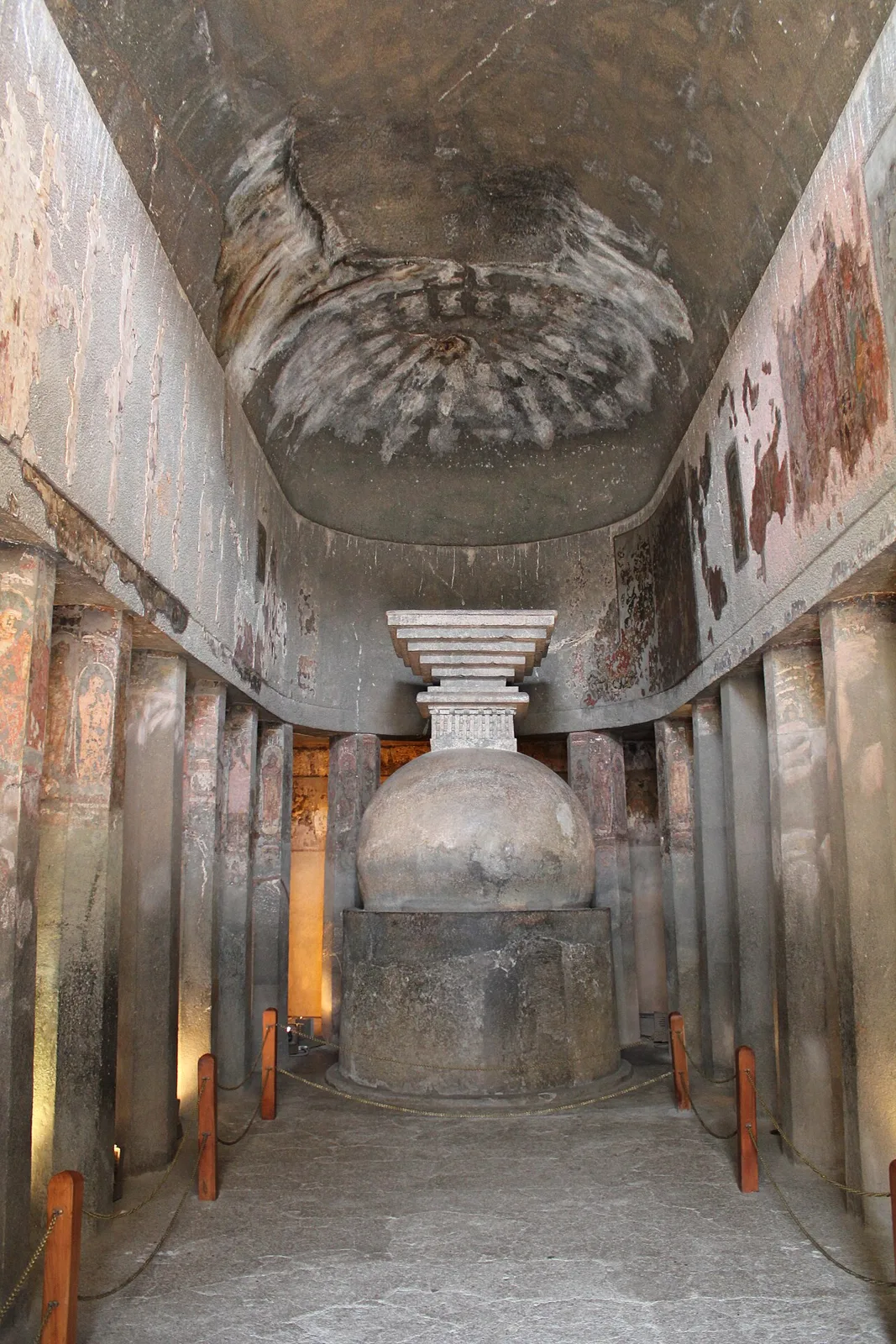
Ajanta is a group of 30 Buddhist caves in Maharashtra, known for its ancient paintings, sculptures and religious architecture. Visitors come to explore the site’s artistic and monastic heritage.

Shani Shingnapur

87 km away · Ahilyanagar district

Shani Shingnapur

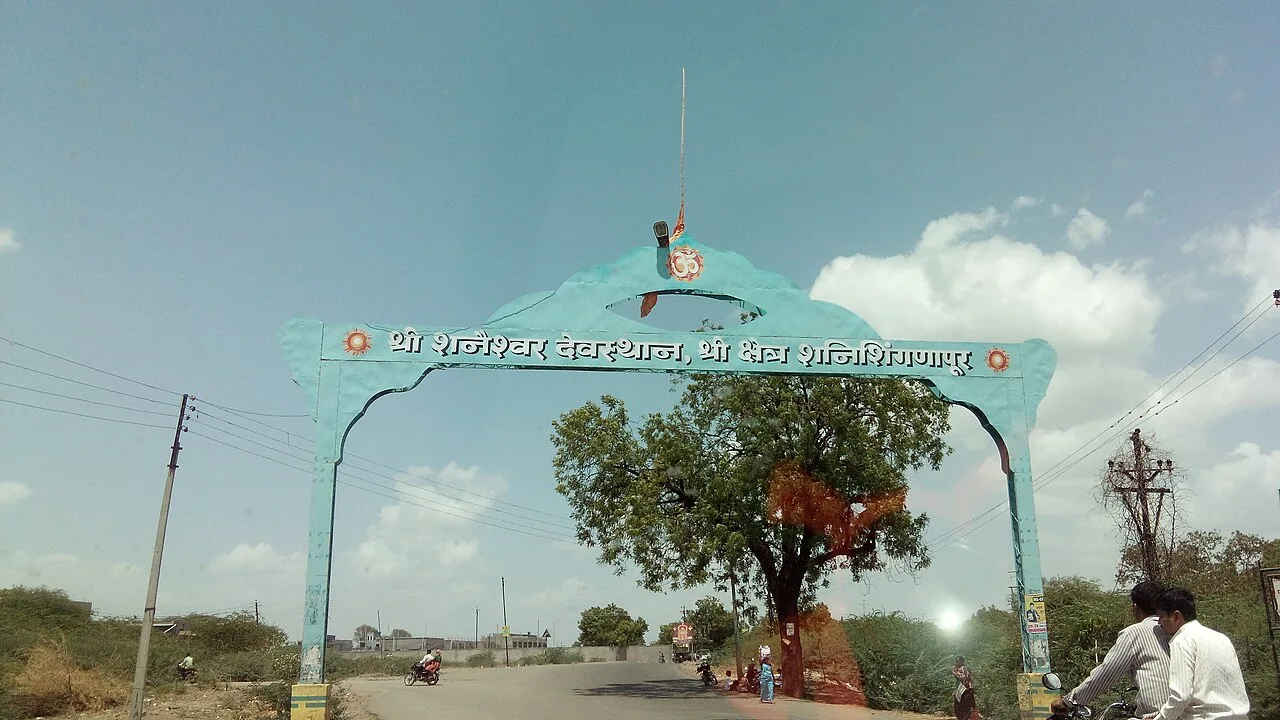
In Maharashtra, Shani Shingnapur is a village visited for its temple to Shani, the Hindu deity linked to the graha Saturn.

Lonar Lake

104 km away · Buldhana district

Lonar Lake

Lonar Lake is a saline, soda-rich lake in Maharashtra’s Buldhana district, set within a meteorite-impact crater. Visitors come to see its unusual geological formation and recognised conservation status.

Map

Pīpri on the map

  1. 1Bibi Ka Maqbara
  2. 2Aurangabad Caves
  3. 3Daulatabad Fort
  4. 4Ellora Caves
  5. 5Ghrishneshwar Temple
  6. 6Ajanta Caves
  7. 7Shani Shingnapur
  8. 8Lonar Lake

Maharashtra

Other cities to explore