Ghumoopedia — Explore, Discover, Experience
Sign in
Sevagram Ashram, near Hinganghat

City guide · Maharashtra

Hinganghat

Hinganghat is a commercial and industrial centre in Wardha district, set in the fertile Wardha Valley of eastern Maharashtra. Cotton has shaped the city’s economy for generations: its large cotton mandi serves growers and traders from the surrounding countryside, while cotton processing, soybean-oil production and dal milling support employment and local commerce.

Famous for

  • Cotton trading and mandi
  • Soybean oil mills
  • Dal and oil mills
  • Wena River setting
  • Baba Amte's birthplace

Why Hinganghat matters

Hinganghat is a commercial and industrial centre in Wardha district, set in the fertile Wardha Valley of eastern Maharashtra. Cotton has shaped the city’s economy for generations: its large cotton mandi serves growers and traders from the surrounding countryside, while cotton processing, soybean-oil production and dal milling support employment and local commerce. National Highway 44 passes through the city, linking it to the wider north–south road corridor and making Hinganghat an accessible market town for the region.

The Wena River borders parts of the city and is an important feature of its setting and water resources. Hinganghat is also known as the birthplace of social worker Baba Amte, whose work with people affected by leprosy became nationally significant. Visitors are most likely to come for business, regional connections or an interest in local history and social-service heritage. Its appeal is less about a large roster of tourist attractions than about seeing a working Vidarbha town where agriculture, trade and industry remain closely connected.
Famous for: crafts, trade & products

Cotton is Hinganghat’s defining trade. The city’s cotton mandi is a major market for produce from the surrounding Wardha Valley, and the local economy includes cotton handling and processing. The mandi and central commercial streets are the most relevant places to observe the trade; visitors seeking retail purchases should ask locally about shops, since the mandi is primarily a market for commercial transactions rather than a visitor-oriented textile bazaar.

Hinganghat also has soybean-oil production and numerous small- and medium-scale dal and oil mills in and around the city. These industries reflect the region’s agricultural output and supply local and wider markets. Grain trading has also been part of the town’s commercial life. The city is not especially identified with a distinct handicraft tradition or a documented GI-tagged product, and specific local saree styles should not be assumed. For everyday goods and locally produced food staples, explore the central market area and ask traders about seasonal produce and mill products. Industrial premises are working sites, so access may be restricted; the public market offers a more practical view of Hinganghat’s trading role.

History

Hinganghat’s history is associated with the Vakataka period. Historical accounts connect the area with Dandungram in the fifth century and with the reign of Queen Prabhavati Gupta. The city’s present name is commonly explained through local associations with hing (asafoetida) trees and ghats along the Wena River. Its position in the fertile Wardha Valley helped it develop as a centre for cotton and grain trade.

Municipal administration expanded during British rule. Hinganghat’s Municipal Council was established in 1873, the same year its first water tank was built; a council hall followed in 1904, and the first municipal election was held in 1927. Water infrastructure later included the Wena Dam and additional storage tanks. In the modern period, cotton trading and processing continued to anchor the economy, alongside soybean-oil production and dal and oil mills. Hinganghat has consequently grown into an important industrial and market centre for Wardha district, serving villages across its surrounding tehsil.

Food, festivals & culture

Marathi is the main language of daily life, with Hindi also useful for many visitors. Food reflects the broader Vidarbha style: meals commonly feature bhakri or other breads with lentils, vegetables and strongly seasoned accompaniments. Zunka-bhakri, pithla-bhakri and poha are familiar regional choices, while sweets and snacks are available from local shops. Specific dishes and seasonal offerings vary, so the central market is a good place to ask what is freshly prepared.

Ganesh Chaturthi, usually celebrated in late summer, brings household and community observances; Diwali in autumn, Holi near the end of winter, Dussehra in autumn and Makar Sankranti in January are also widely marked across the region. Marathi devotional music and bhajans feature in religious gatherings, while folk performance traditions belong to the wider Vidarbha cultural landscape. Local temples and other places of worship serve residents throughout the year; visitors should dress respectfully and follow posted or customary guidance. The city’s social identity is also connected with Baba Amte’s legacy of service, a notable part of its wider public history.

Visiting the city

The cooler months, from roughly November to February, are generally the most comfortable for exploring Hinganghat. Summers can be very hot, while monsoon rain may affect road travel. The nearest major airport is Dr. Babasaheb Ambedkar International Airport in Nagpur. Hinganghat railway station serves the city, and National Highway 44 provides an important road connection.

Auto-rickshaws and local vehicles are practical for getting around; confirm the destination before setting out. Explore the central market and cotton-trading district to understand the town’s commercial life, and visit public approaches to the Wena River for a sense of its landscape. The railway-station area is useful for onward transport and everyday services. Cotton and mill premises are working commercial sites, so seek permission before entering private or industrial property. For wider excursions, arrange local transport and check current road conditions.

Trips from the city

Nearest places to visit from Hinganghat

Our closest destination guides, by straight-line distance.

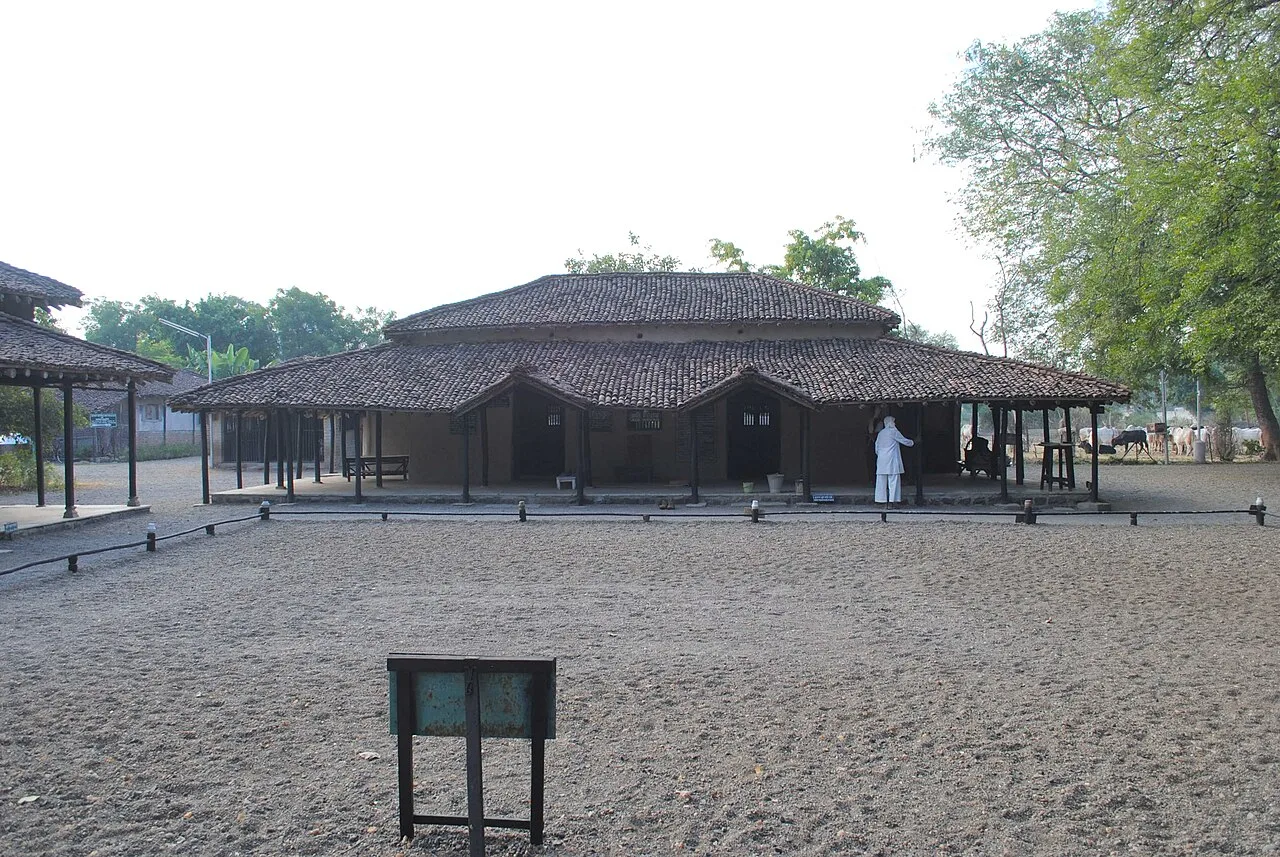
Sevagram Ashram

28 km away · Wardha district

Sevagram Ashram

Sevagram Ashram, in Wardha district, Maharashtra, is known as Mahatma Gandhi’s ashram and home from 1936 until his death in 1948. People visit for its connection with his life.

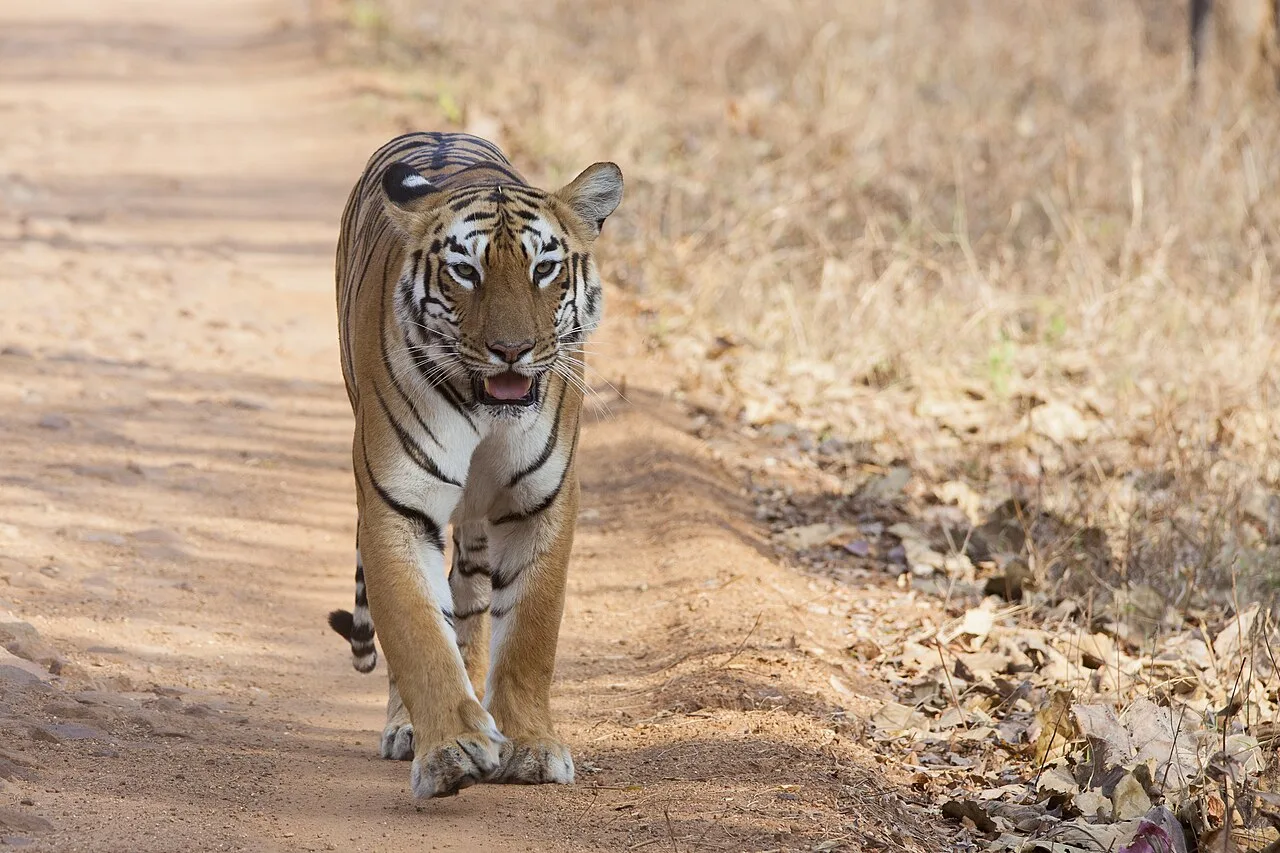
Tadoba Andhari Tiger Reserve

66 km away · Chandrapur district

Tadoba Andhari Tiger Reserve

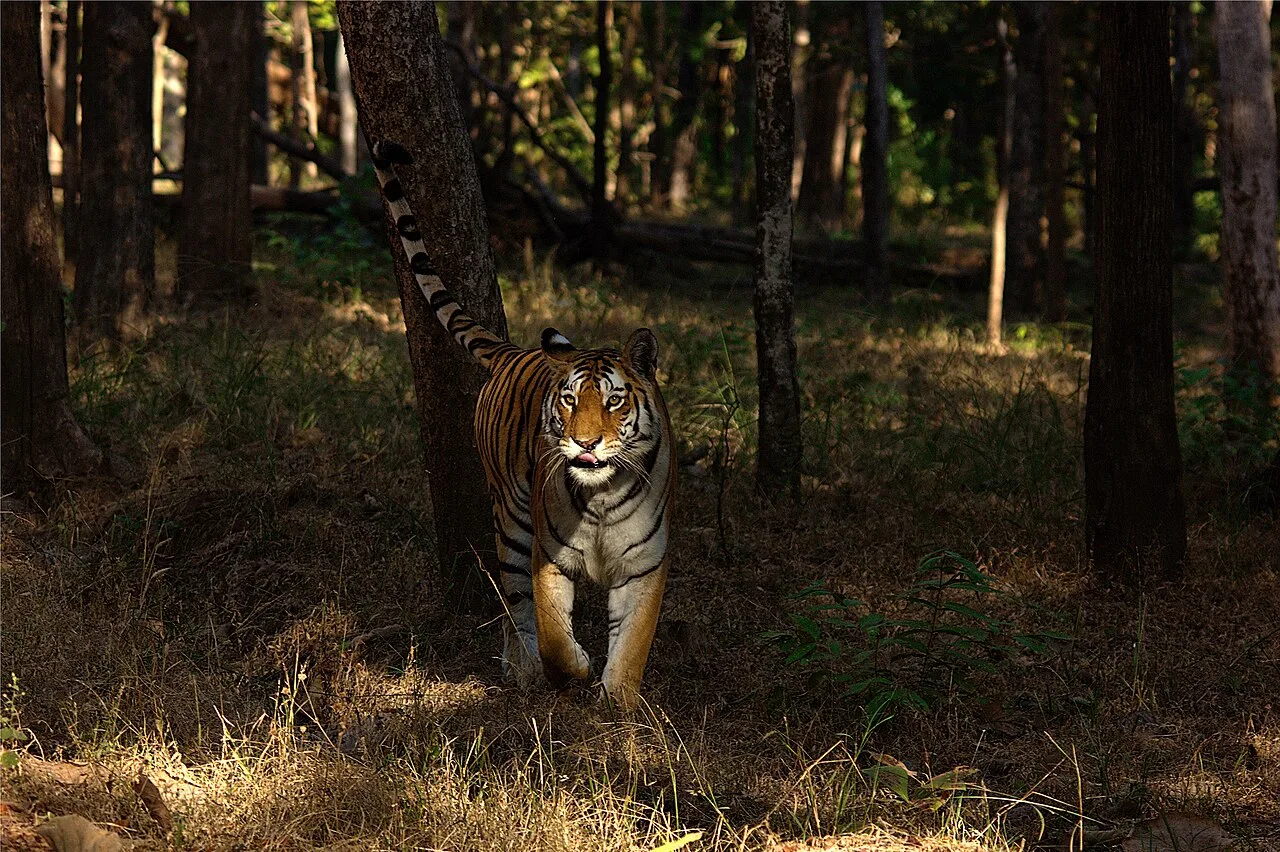
Set in Maharashtra’s Chandrapur district, Tadoba Andhari Tiger Reserve combines a national park and wildlife sanctuary within a protected area. Visitors come to experience its forests and wildlife.

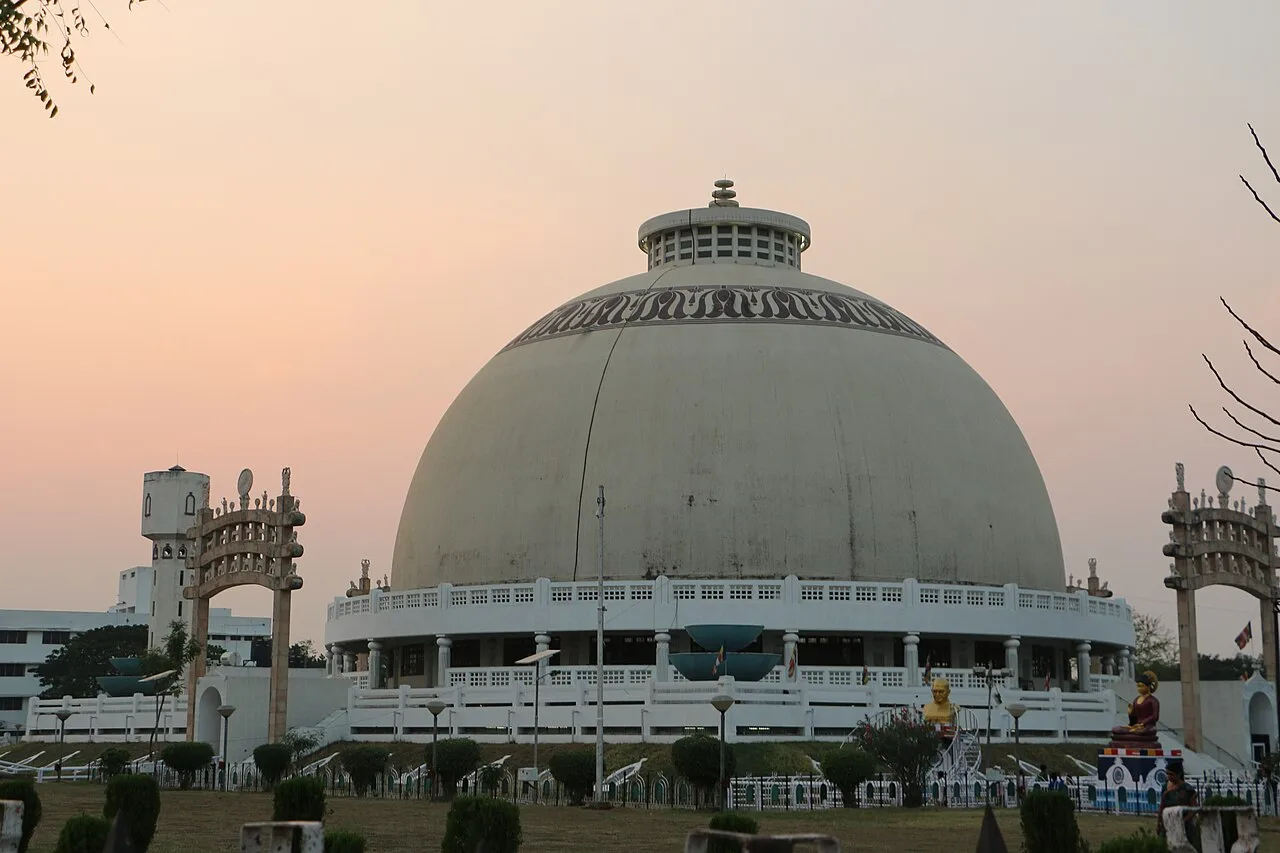
Deekshabhoomi

69 km away · Nagpur district

Deekshabhoomi

Deekshabhoomi is a Navayana Buddhist memorial in Nagpur, where B. R. Ambedkar and a vast following embraced Buddhism in 1956. Pilgrims visit to mark the conversion and its continuing significance.

Ramtek Fort Temple

107 km away · Nagpur district

Ramtek Fort Temple

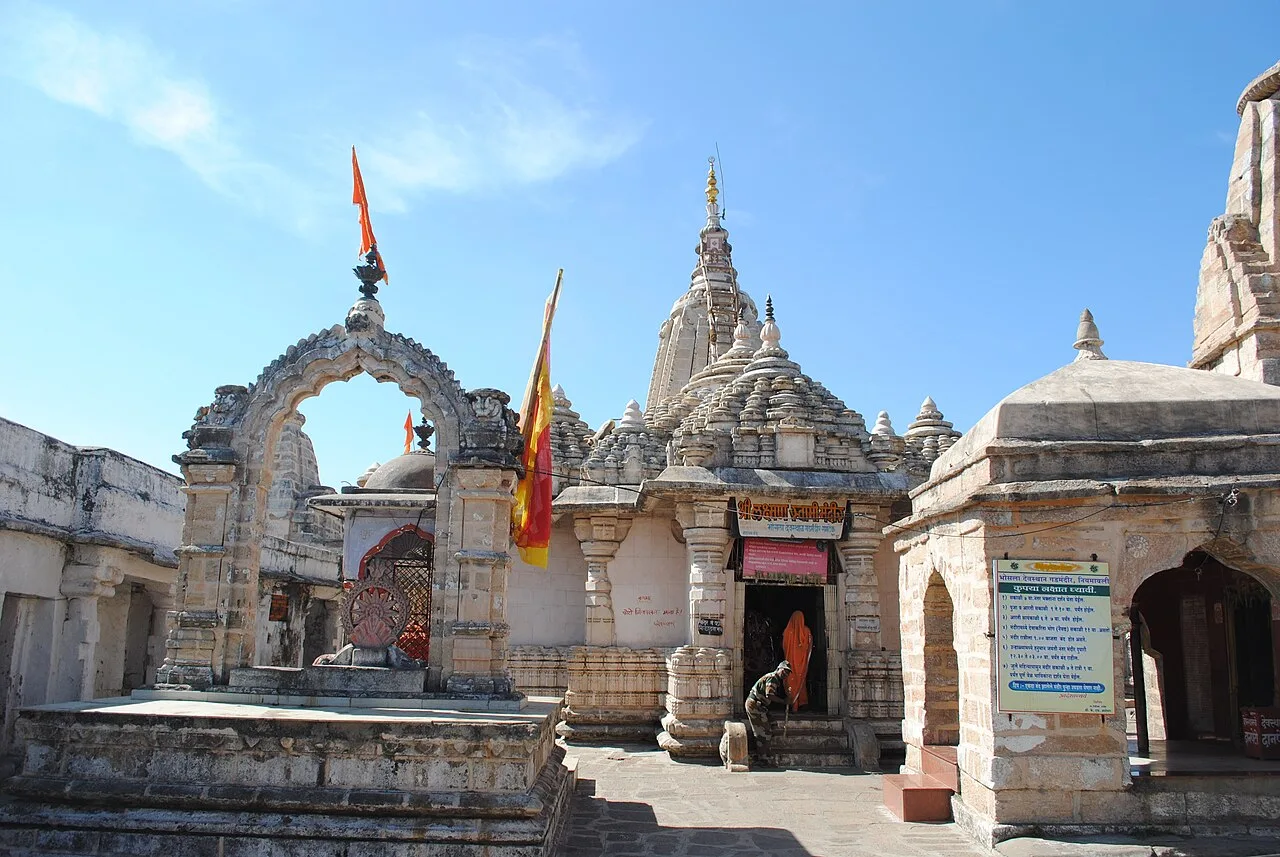
Ramtek Fort Temple is a Hindu pilgrimage site in Maharashtra, visited for its shrines on Ramtek Hill and its association with Rama and the Vakataka dynasty.

Pench Tiger Reserve

134 km away · Nagpur district

Pench Tiger Reserve

Pench Tiger Reserve spans Madhya Pradesh and Maharashtra, with its Maharashtra section in Nagpur district. People visit to experience its protected landscape and wildlife.

Chikhaldara

138 km away · Amravati district

Chikhaldara

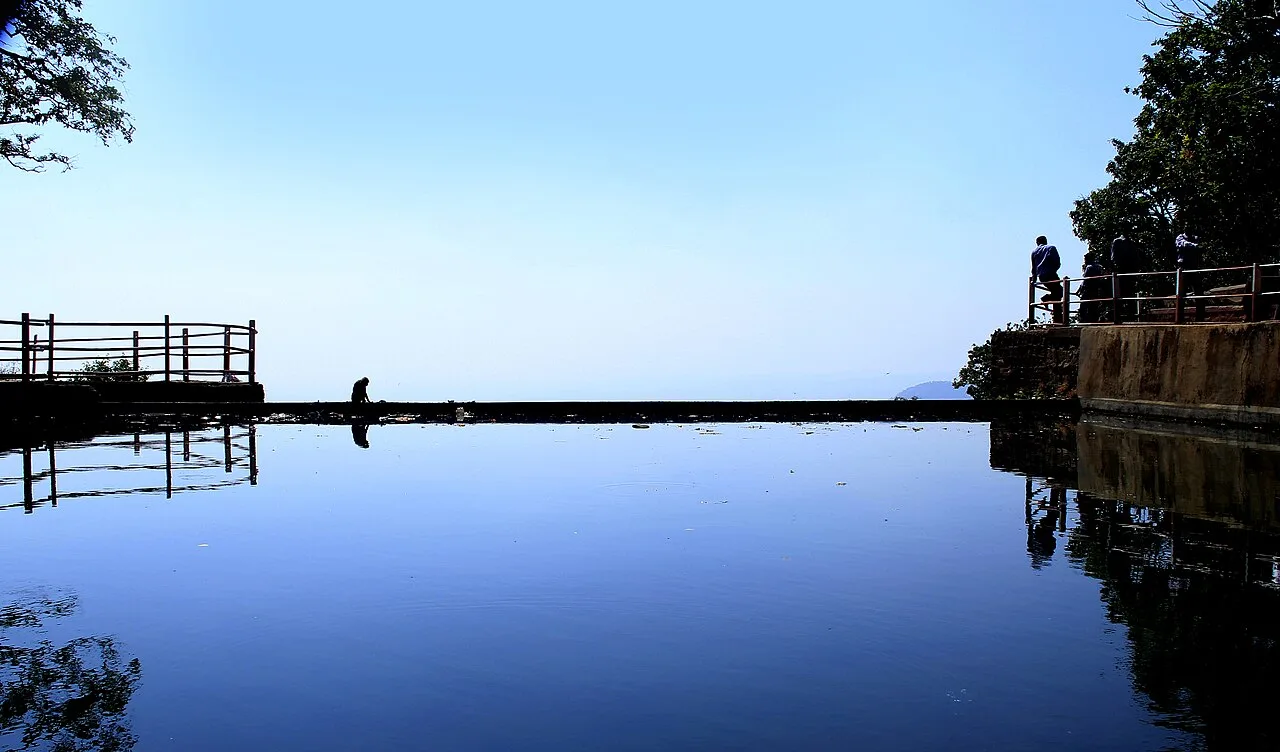
Chikhaldara is a hill settlement and municipal council in Maharashtra’s Amravati district. Visitors come for its highland setting, coffee-growing area and nearby wildlife at the Melghat Tiger Project.

Navegaon National Park

144 km away · Gondia district

Navegaon National Park

Navegaon National Park is in Gondia district, Maharashtra, within the Arjuni Morgaon subdivision. Visitors are drawn by wintering migratory birds at its lake and the park’s varied forest cover.

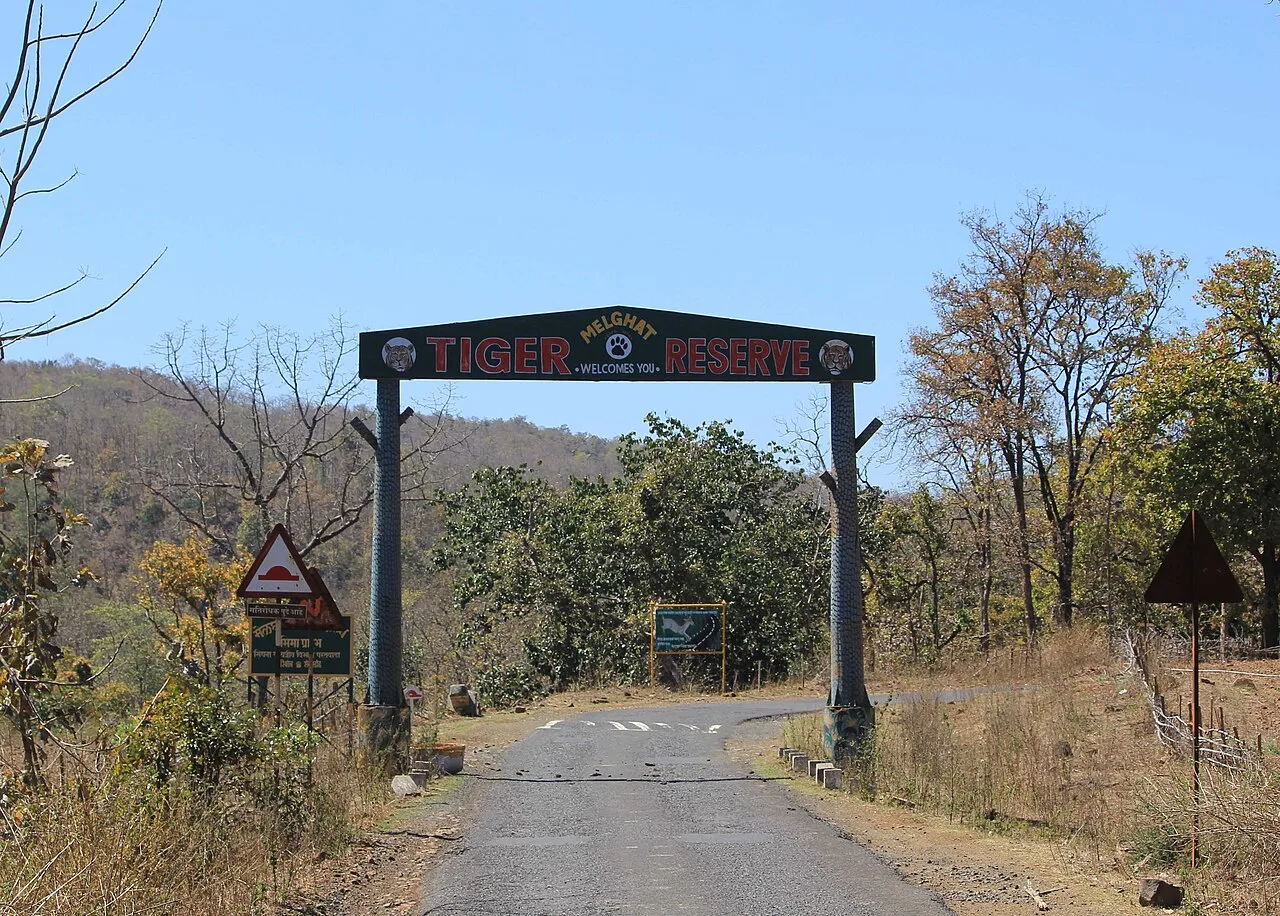
Melghat Tiger Reserve

198 km away · Amravati district

Melghat Tiger Reserve

Melghat Tiger Reserve is a protected area in northern Amravati district, Maharashtra. Visitors come to experience its wildlife and learn about its place in India’s Project Tiger programme.

Map

Hinganghat on the map

  1. 1Sevagram Ashram
  2. 2Tadoba Andhari Tiger Reserve
  3. 3Deekshabhoomi
  4. 4Ramtek Fort Temple
  5. 5Pench Tiger Reserve
  6. 6Chikhaldara
  7. 7Navegaon National Park
  8. 8Melghat Tiger Reserve

Maharashtra

Other cities to explore