Ghumoopedia — Explore, Discover, Experience
Sign in
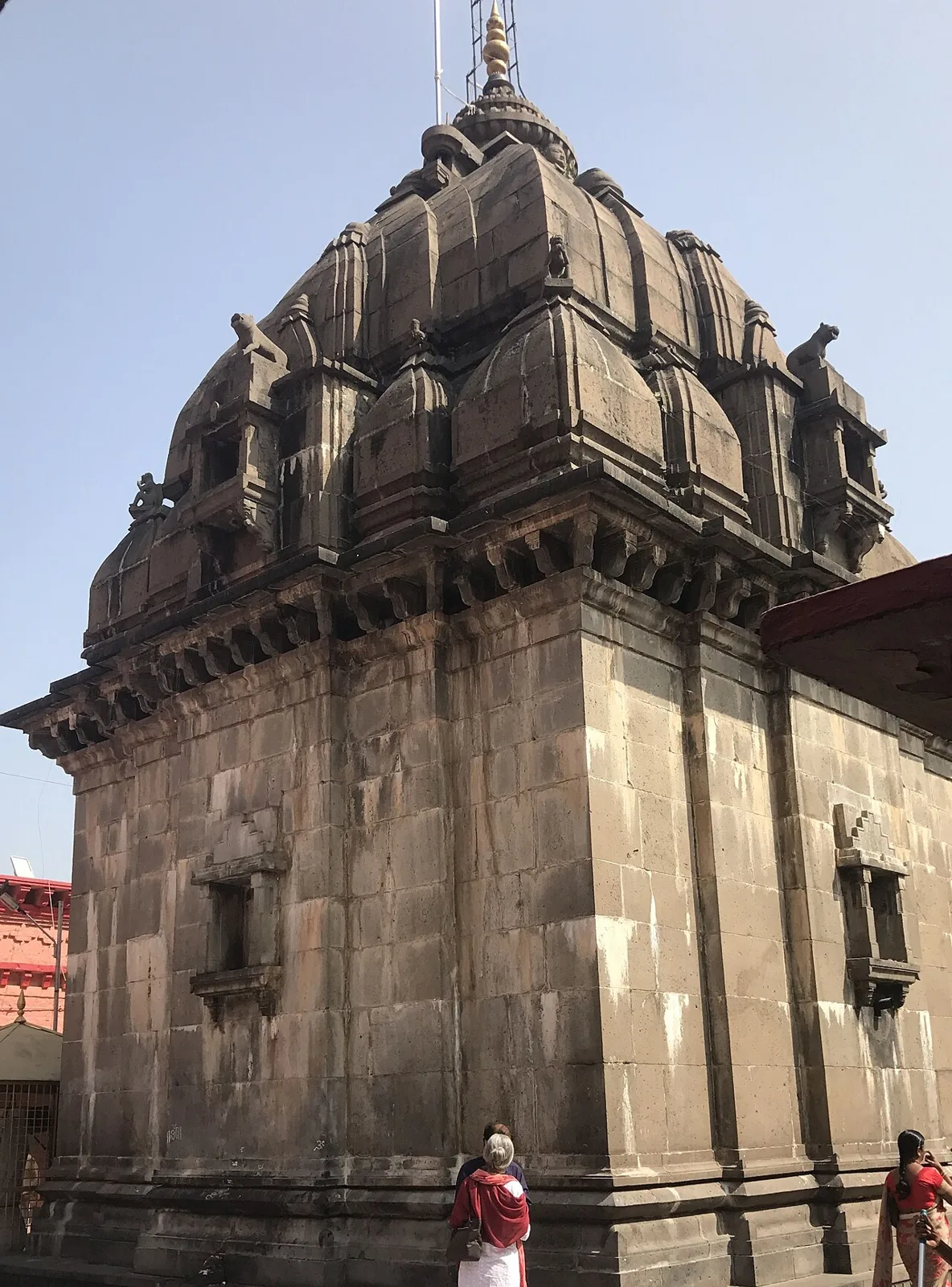
Aundha Nagnath Temple, near Jintur

City guide · Maharashtra

Jintur

Jintur is a municipal town in Parbhani district, in Maharashtra’s Marathwada region. It serves as a local centre for administration, shopping and services for nearby villages, while its surrounding countryside gives agriculture an important place in the town’s everyday economy.

Famous for

  • Nemgiri Jain pilgrimage
  • Jain cave shrines
  • Regional agricultural trade
  • Marathwada temple heritage

Why Jintur matters

Jintur is a municipal town in Parbhani district, in Maharashtra’s Marathwada region. It serves as a local centre for administration, shopping and services for nearby villages, while its surrounding countryside gives agriculture an important place in the town’s everyday economy.

The best-known reason to visit is Nemgiri, a Jain pilgrimage site associated with temples and cave shrines. It lends Jintur a religious and historical character distinct from that of a purely market town, drawing worshippers as well as travellers interested in regional heritage. Visitors can combine a visit to the shrine with a look around the compact town and its local markets. Jintur is not widely known for a signature textile, craft or food; its appeal rests more on its Jain sacred sites and its role in the life of rural Parbhani district. For travellers exploring Marathwada, it offers a quieter stop connected to the region’s devotional traditions and agricultural communities.

Famous for: crafts, trade & products

Jintur is better known for Nemgiri’s Jain religious heritage and its role as a local trading centre than for a distinctive craft or manufactured product. There is no widely established Jintur-specific GI-tagged product or celebrated saree tradition to seek out. The town’s shops and market areas mainly serve residents and surrounding villages with everyday goods and locally traded farm produce.

Agriculture shapes much of the surrounding economy, and regional markets handle seasonal produce, grains, pulses and oilseeds. Visitors can browse central-town shops for snacks, household goods and practical travel needs, but should not expect a dedicated craft bazaar or a reliable range of artisan souvenirs. The most meaningful place to explore the town’s best-known heritage is the Nemgiri pilgrimage area, where the Jain temples and cave shrines are the principal draw. For a wider choice of specialist shopping, travellers may need to look to larger regional centres.

History

Jintur’s historical identity is closely linked to the Jain pilgrimage complex at Nemgiri. Its temples and cave shrines point to a long religious presence in the area, though visitors should avoid assuming a precise date for every structure without local interpretation. The sacred site continues to shape how the town is known beyond its immediate surroundings.

Like the rest of Marathwada, Jintur’s political history reflects successive changes in regional administration. The area formed part of the former Hyderabad State under the Nizam before its integration into India in 1948. It later became part of Maharashtra when the state was formed in 1960. In modern times, Jintur has developed as a municipal and local service centre for surrounding settlements, with commerce closely connected to agriculture. Its growth has been practical and regional rather than driven by large-scale industry or metropolitan expansion.

Food, festivals & culture

Marathi is the principal language of daily life; Hindi and Urdu may also be heard. Meals commonly reflect the broader Marathwada table, with bhakri, lentils, vegetables and seasonal ingredients. Puran poli and other familiar Maharashtrian sweets may appear at home or during celebrations, though Jintur is not especially known for a signature dish.

Ganeshotsav, usually in August or September, Navratri in September or October, and Diwali in October or November are among the main Hindu festivals. Eid follows the Islamic lunar calendar. The Jain community’s religious calendar includes observances such as Mahavir Jayanti, generally in March or April, and Paryushan, usually around August or September. Bhajans, devotional singing and community worship are part of local religious life; festival gatherings may also feature traditional percussion and dance. Nemgiri is the town’s most prominent place of Jain worship, alongside neighbourhood temples and mosques that serve local communities.

Visiting the city

The cooler months, from October to February, are generally the most comfortable time to visit. Summers can be very hot, while the monsoon brings rain and greener countryside. Nanded Airport is a nearby air-travel option; check current flight availability before planning around it. Parbhani Junction is the main railway station commonly used for reaching Jintur, with the remaining journey made by road.

Buses and taxis connect Jintur with nearby towns, and local auto-rickshaws are useful for shorter trips. The central market area is convenient for everyday needs, while Nemgiri is the key area to explore for Jain heritage. Allow time for the road journey between the town and the pilgrimage site, and check local conditions before setting out.

Trips from the city

Nearest places to visit from Jintur

Our closest destination guides, by straight-line distance.

Aundha Nagnath Temple

38 km away · Hingoli district

Aundha Nagnath Temple

Aundha Nagnath Temple is an old Shiva shrine in Maharashtra’s Hingoli district, regarded as the eighth of the twelve Jyotirlinga shrines. Visitors come for its religious importance, historical associations and distinctive architecture.

Lonar Lake

45 km away · Buldhana district

Lonar Lake

Lonar Lake is a saline, soda-rich lake in Maharashtra’s Buldhana district, set within a meteorite-impact crater. Visitors come to see its unusual geological formation and recognised conservation status.

Hazur Sahib

84 km away · Nanded district

Hazur Sahib

Takht Sachkhand Sri Hazur Abchalnagar Sahib is one of Sikhism’s five takhts, in Nanded, Maharashtra. Visitors come to worship and remember Guru Gobind Singh at the site associated with his death and cremation.

Shri Vaijnath Temple

87 km away · Beed district

Shri Vaijnath Temple

Shri Vaijnath Temple is a Shiva shrine at Parli Vaijnath in Maharashtra’s Beed district. Worshippers visit to perform abhishekam, and the temple is regarded as the fifth of Shiva’s twelve Jyotirlingas.

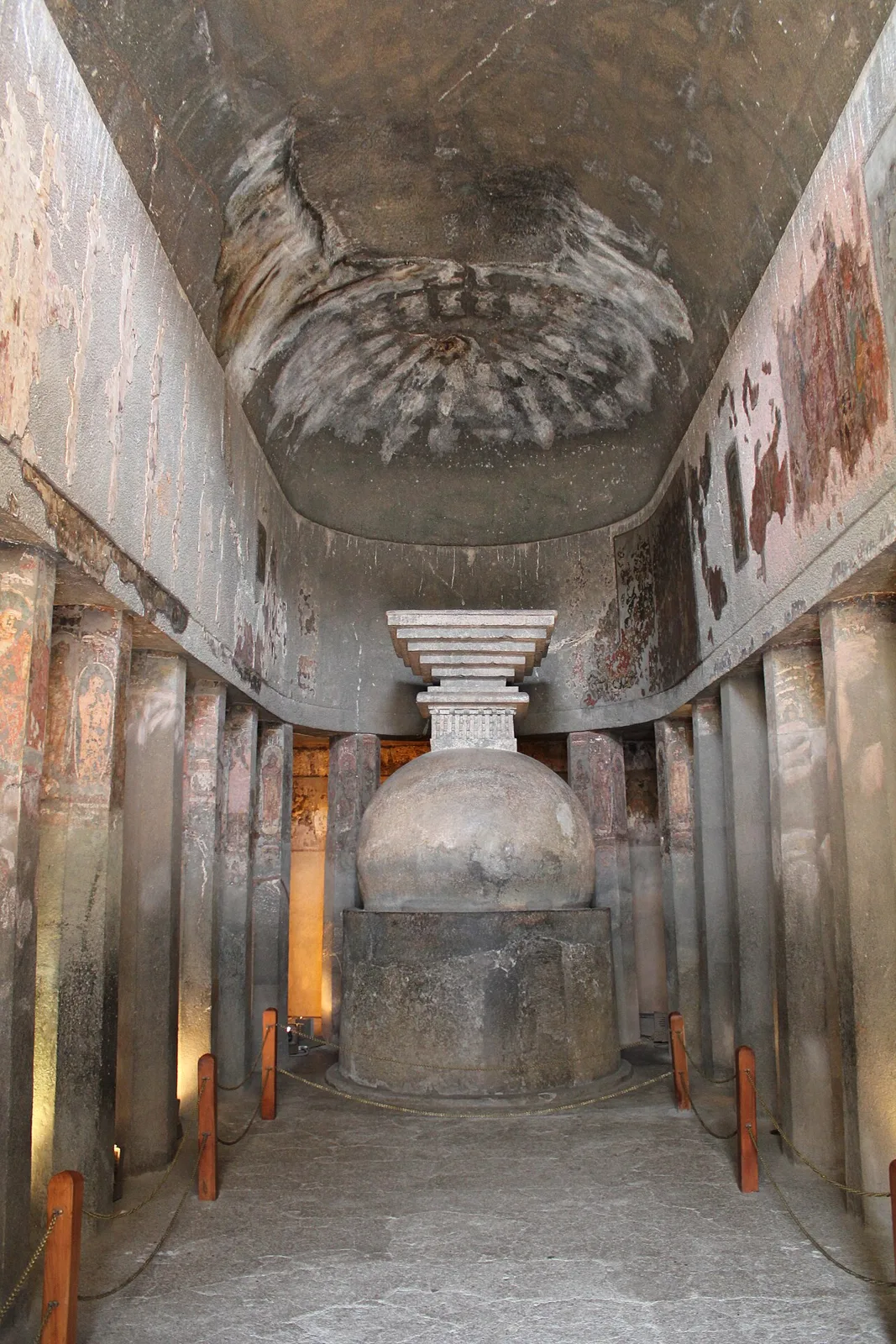
Ajanta Caves

147 km away · Chhatrapati Sambhajinagar district

Ajanta Caves

Ajanta is a group of 30 Buddhist caves in Maharashtra, known for its ancient paintings, sculptures and religious architecture. Visitors come to explore the site’s artistic and monastic heritage.

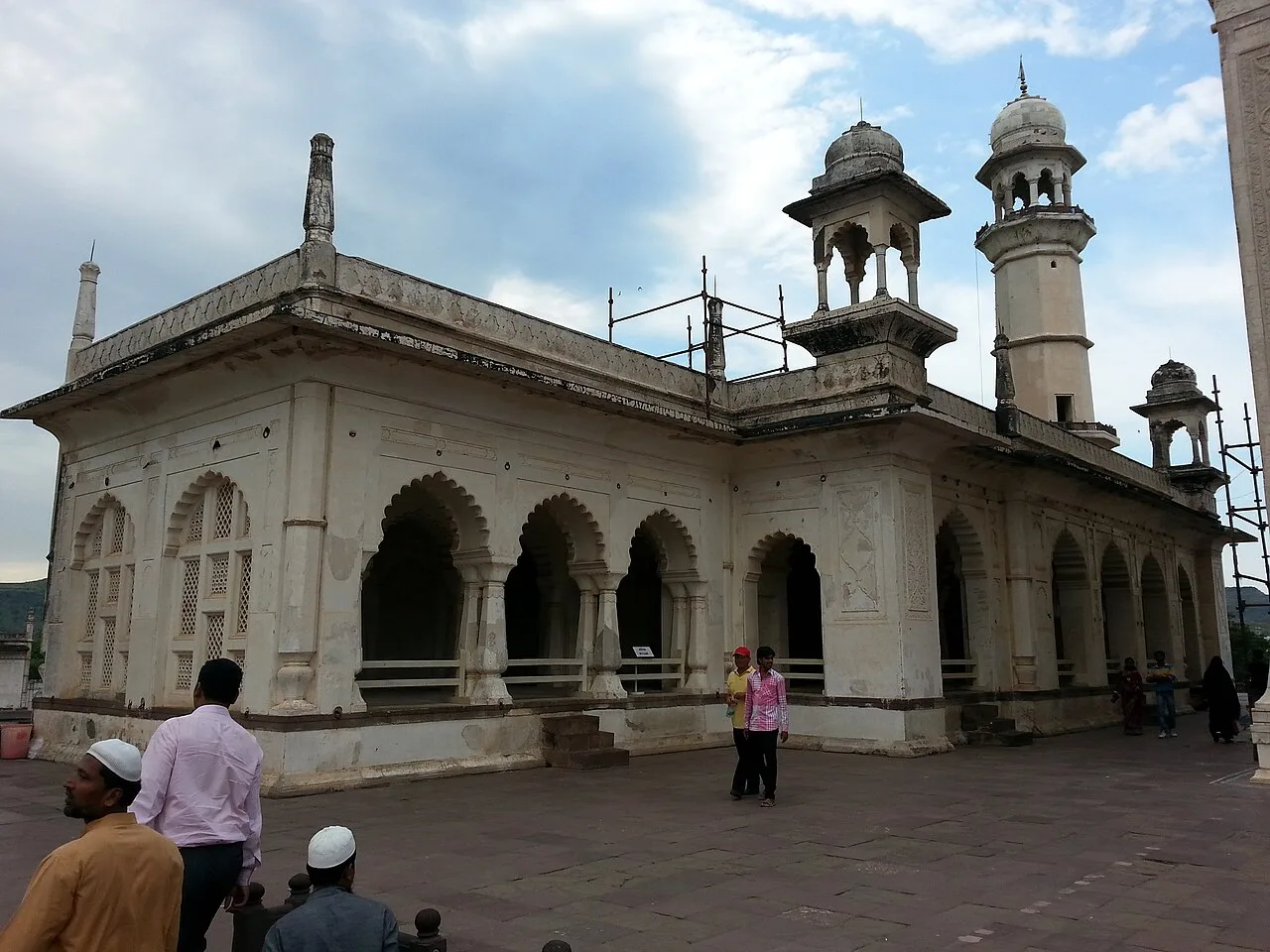
Bibi Ka Maqbara

147 km away · Chhatrapati Sambhajinagar district

Bibi Ka Maqbara

Bibi Ka Maqbara is a Mughal mausoleum in Aurangabad, Maharashtra, built for Dilras Banu Begum. Visitors come to see its resemblance to the Taj Mahal and its place in the region’s history.

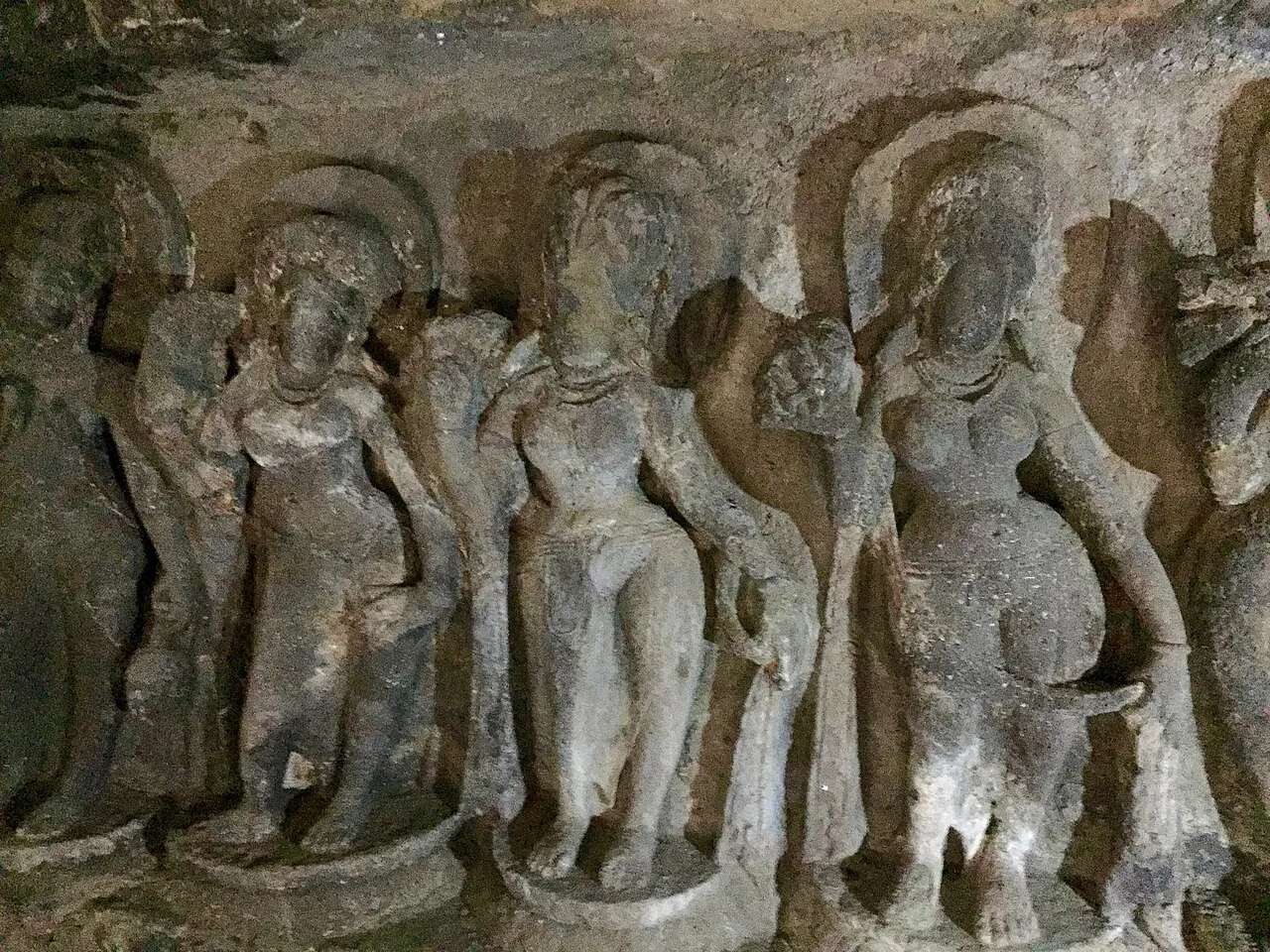
Aurangabad Caves

148 km away · Chhatrapati Sambhajinagar district

Aurangabad Caves

Near Aurangabad in Maharashtra, this hill complex contains twelve Buddhist sanctuaries excavated in basalt. Visitors explore its cave architecture and carvings, which represent several Buddhist traditions and include a range of deities.

Daulatabad Fort

159 km away · Chhatrapati Sambhajinagar district

Daulatabad Fort

Daulatabad Fort is a historic stronghold in Maharashtra, first known as Devagiri. Visitors explore its history as a Yadava seat, briefly a Delhi Sultanate capital, and later an Ahmadnagar centre.

Map

Jintur on the map

  1. 1Aundha Nagnath Temple
  2. 2Lonar Lake
  3. 3Hazur Sahib
  4. 4Shri Vaijnath Temple
  5. 5Ajanta Caves
  6. 6Bibi Ka Maqbara
  7. 7Aurangabad Caves
  8. 8Daulatabad Fort

Maharashtra

Other cities to explore