Ghumoopedia — Explore, Discover, Experience
Sign in
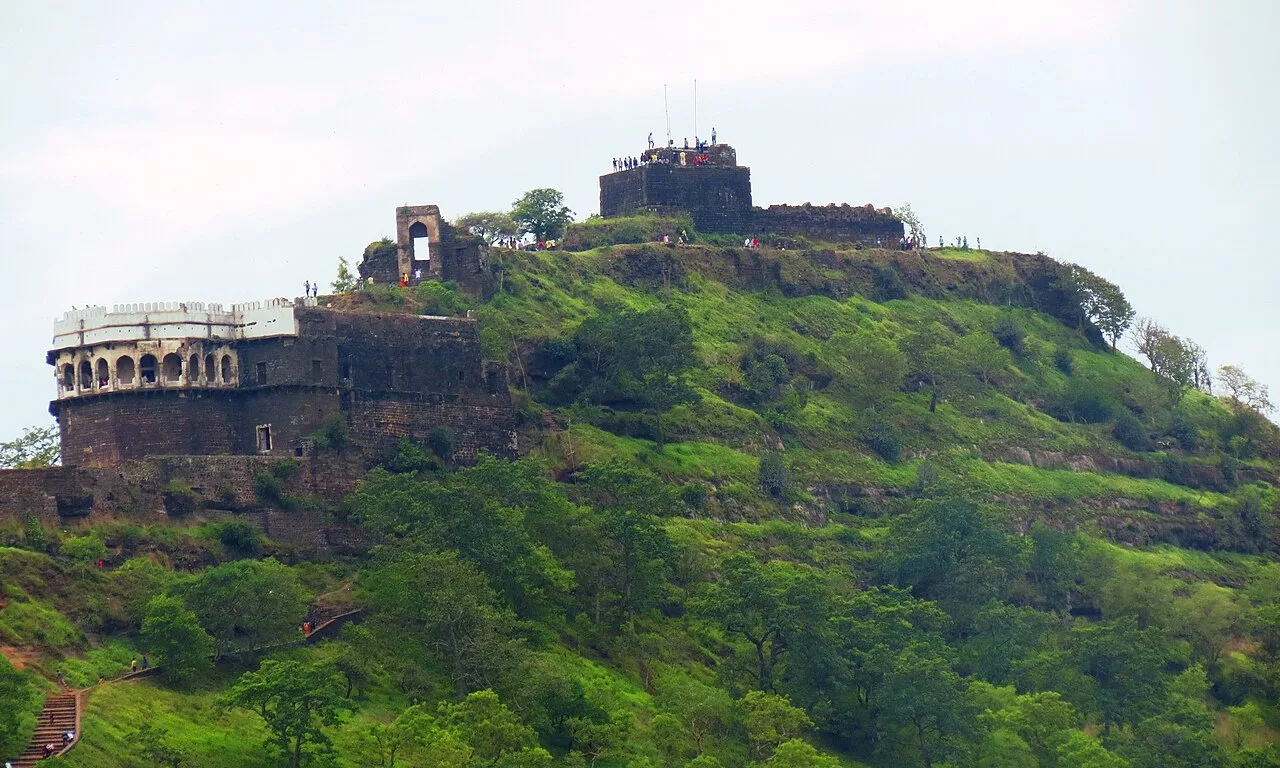
Daulatabad Fort, near Gangapur

City guide · Maharashtra

Gangapur

Gangapur is a taluka headquarters in Maharashtra’s Marathwada region, about 38 km from Chhatrapati Sambhajinagar (formerly Aurangabad) on the Aurangabad–Ahmednagar road. Its role is practical as well as religious: it serves nearby villages with local administration, shopping and everyday services, while the surrounding agricultural belt supports the wider regional economy.

Famous for

  • Narasimha Temple
  • Vitthal Mandir
  • Ek Mukhi Datta Temple
  • Jamgaon sugar industry
  • Jayakwadi-irrigated farmland

Why Gangapur matters

Gangapur is a taluka headquarters in Maharashtra’s Marathwada region, about 38 km from Chhatrapati Sambhajinagar (formerly Aurangabad) on the Aurangabad–Ahmednagar road. Its role is practical as well as religious: it serves nearby villages with local administration, shopping and everyday services, while the surrounding agricultural belt supports the wider regional economy.

Visitors are drawn chiefly to its temples, including the Narasimha Temple, Vitthal Mandir, Ek Mukhi Datta Temple, Rameshwar Temple and Mukteshwar Temple. Jamgaon, near the backwaters of Jayakwadi Dam, adds an agricultural and industrial dimension; irrigation supports cultivation in the surrounding area, and the Gangapur Sugar Factory is located there. The town is best approached as a quieter stop for temple visits and a look at rural life around Marathwada, rather than as a major resort or craft centre. Its location also makes it a possible short excursion from Chhatrapati Sambhajinagar for travellers exploring the district.
Famous for: crafts, trade & products

Gangapur is not widely identified with a distinctive textile, handicraft tradition or GI-tagged product. Its better-known economic connections are agriculture and sugar production. The land around Jamgaon benefits from irrigation associated with the Jayakwadi Dam backwaters, and the Gangapur Sugar Factory is an important local landmark. The town’s shops and market area mainly serve residents and the agricultural communities of the taluka; visitors can look there for everyday regional goods and provisions rather than a specialist souvenir market.

The town’s strongest visitor interest is its group of places of worship: Narasimha Temple, Vitthal Mandir, Ek Mukhi Datta Temple, Rameshwar Temple and Mukteshwar Temple. Jagdamba Devi Temple at Jamgaon is another local religious destination. These sites are best understood as part of the area’s living devotional life, not as a formal heritage circuit with visitor facilities. Travellers seeking Marathwada crafts, textiles or a particular regional food product may find a broader selection in nearby Chhatrapati Sambhajinagar. Gangapur’s identity rests more on its temples, taluka services and irrigated rural economy than on a nationally recognised manufacturing or craft speciality.

History

Gangapur’s development is closely tied to its position as a service centre for the surrounding villages. It is the headquarters of a taluka in the historic Aurangabad region, an area shaped over time by successive Deccan powers and, in more recent centuries, by Maratha and Hyderabad State administration. The town’s specific early history is not well documented in widely available accounts, so particular founding dates or royal associations should not be assumed.

The wider region became part of the Indian Union after Hyderabad State’s integration in 1948 and later formed part of Maharashtra when the state was established in 1960. In the modern period, Gangapur has continued to function as a local administrative and trading centre. Irrigation linked to Jayakwadi Dam has contributed to agricultural activity around Jamgaon, where the Gangapur Sugar Factory is located. The temples remain prominent markers of the town’s religious and community life.

Food, festivals & culture

Marathi is the principal language of daily life; Hindi is also understood by many people. Religious observances shape the local calendar, with Ganeshotsav and Navratri commonly celebrated in their usual late-monsoon and autumn seasons. Vitthal Mandir connects the town to the wider devotional traditions associated with Vitthal worship, while Datta and Narasimha shrines draw worshippers for their respective observances. Festival dates follow the Hindu lunar calendar and vary from year to year.

The temples—including Narasimha Temple, Ek Mukhi Datta Temple, Rameshwar Temple and Mukteshwar Temple—are important places for worship and community gatherings. Music and devotional singing are part of religious occasions, alongside broader Marathi cultural traditions. Everyday food is typical of the Marathwada region: jowar bhakri, pithla, lentil dishes and seasonal vegetables are common. Puran poli and other sweets may appear during festivals, though Gangapur is not especially known for a signature dish. Local customs are best experienced through respectful visits to temples and the town’s everyday market streets.

Visiting the city

The cooler months from October to February are generally the most comfortable for exploring Gangapur. Summer can be hot, while monsoon conditions bring rain and may affect road journeys. The nearest airport is Chhatrapati Sambhajinagar Airport, and the main railway station for the area is Chhatrapati Sambhajinagar railway station. Gangapur is reached by road from the city, roughly 38 km away.

Local travel is typically by auto-rickshaw or other road transport; arrange onward travel to Jamgaon separately if visiting the temple or the Jayakwadi backwater area. In town, explore the central market streets and nearby temples, including Vitthal Mandir and Narasimha Temple. Jamgaon offers a glimpse of the agricultural surroundings and its Jagdamba Devi Temple. Visitors should confirm local transport and access conditions before setting out for sites beyond the town centre.

Trips from the city

Nearest places to visit from Gangapur

Our closest destination guides, by straight-line distance.

Daulatabad Fort

35 km away · Chhatrapati Sambhajinagar district

Daulatabad Fort

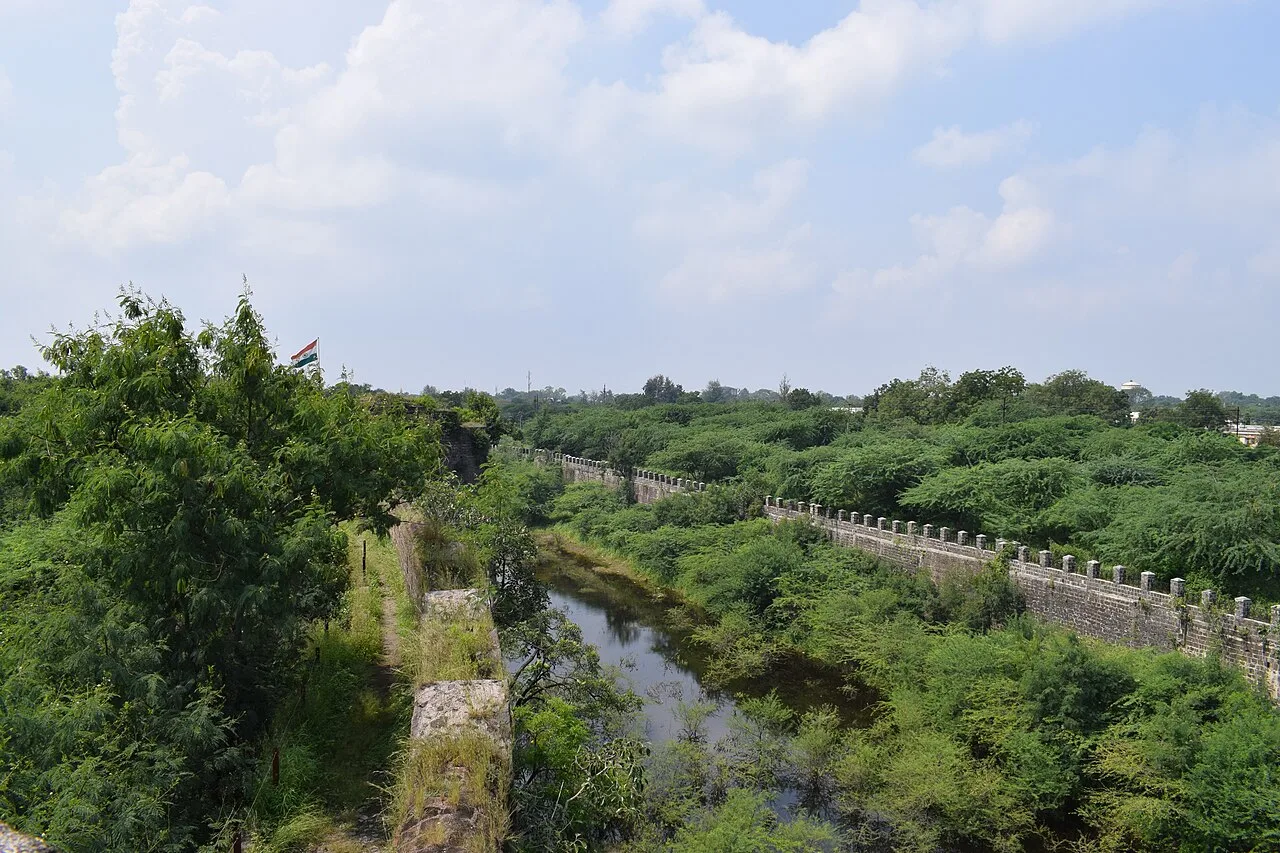
Daulatabad Fort is a historic stronghold in Maharashtra, first known as Devagiri. Visitors explore its history as a Yadava seat, briefly a Delhi Sultanate capital, and later an Ahmadnagar centre.

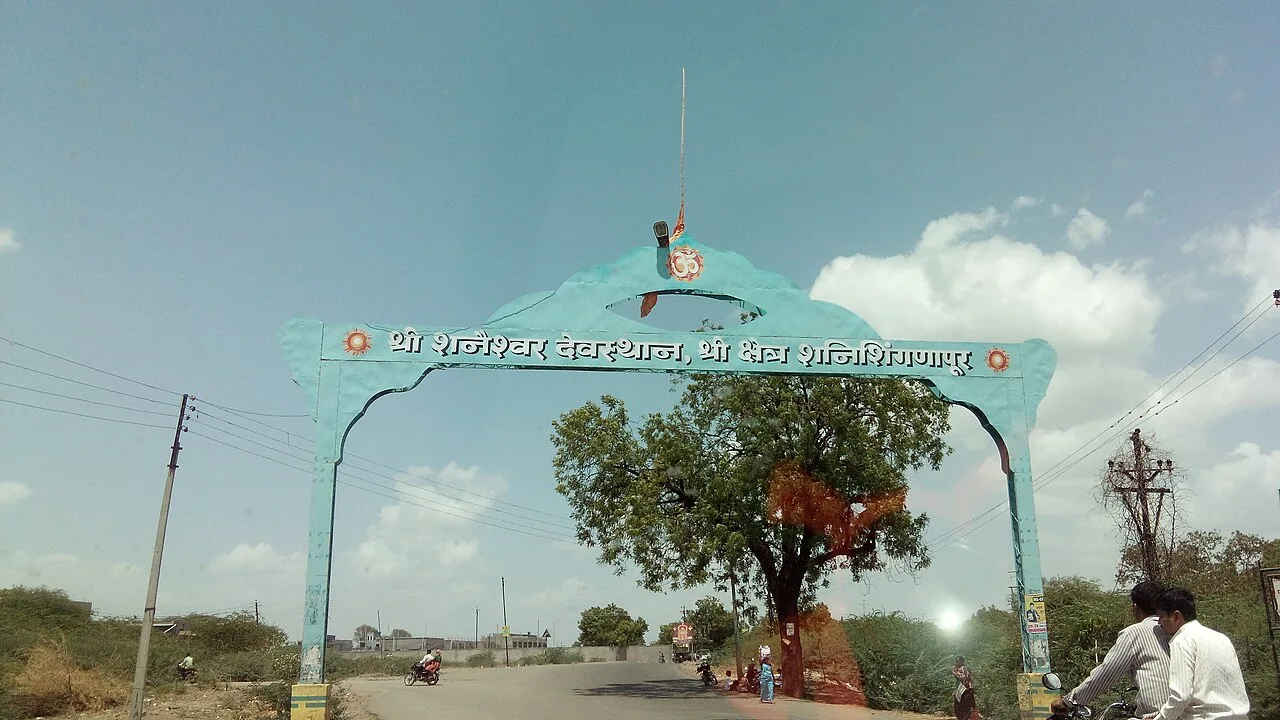
Shani Shingnapur

39 km away · Ahilyanagar district

Shani Shingnapur

In Maharashtra, Shani Shingnapur is a village visited for its temple to Shani, the Hindu deity linked to the graha Saturn.

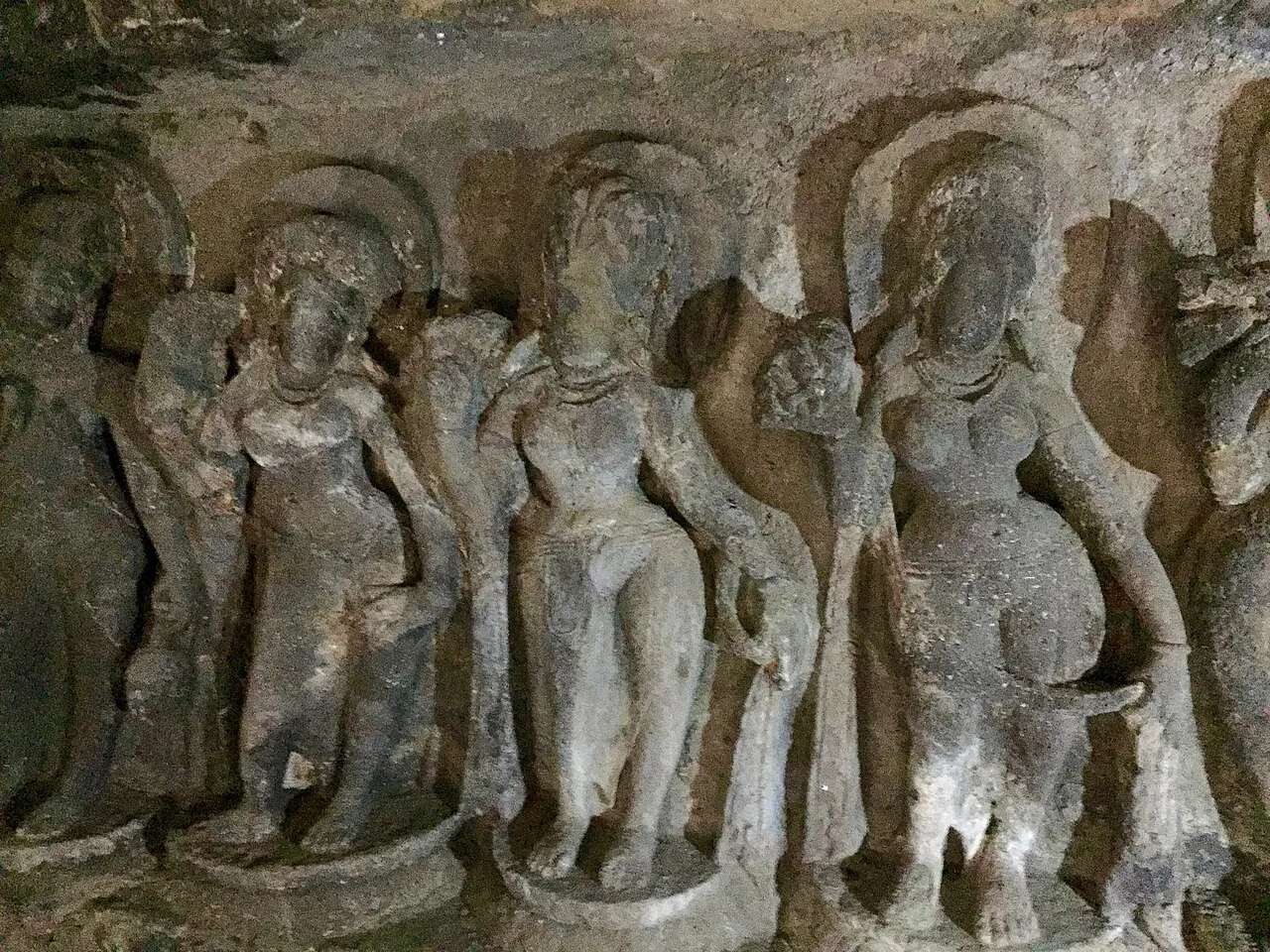
Aurangabad Caves

40 km away · Chhatrapati Sambhajinagar district

Aurangabad Caves

Near Aurangabad in Maharashtra, this hill complex contains twelve Buddhist sanctuaries excavated in basalt. Visitors explore its cave architecture and carvings, which represent several Buddhist traditions and include a range of deities.

Bibi Ka Maqbara

40 km away · Chhatrapati Sambhajinagar district

Bibi Ka Maqbara

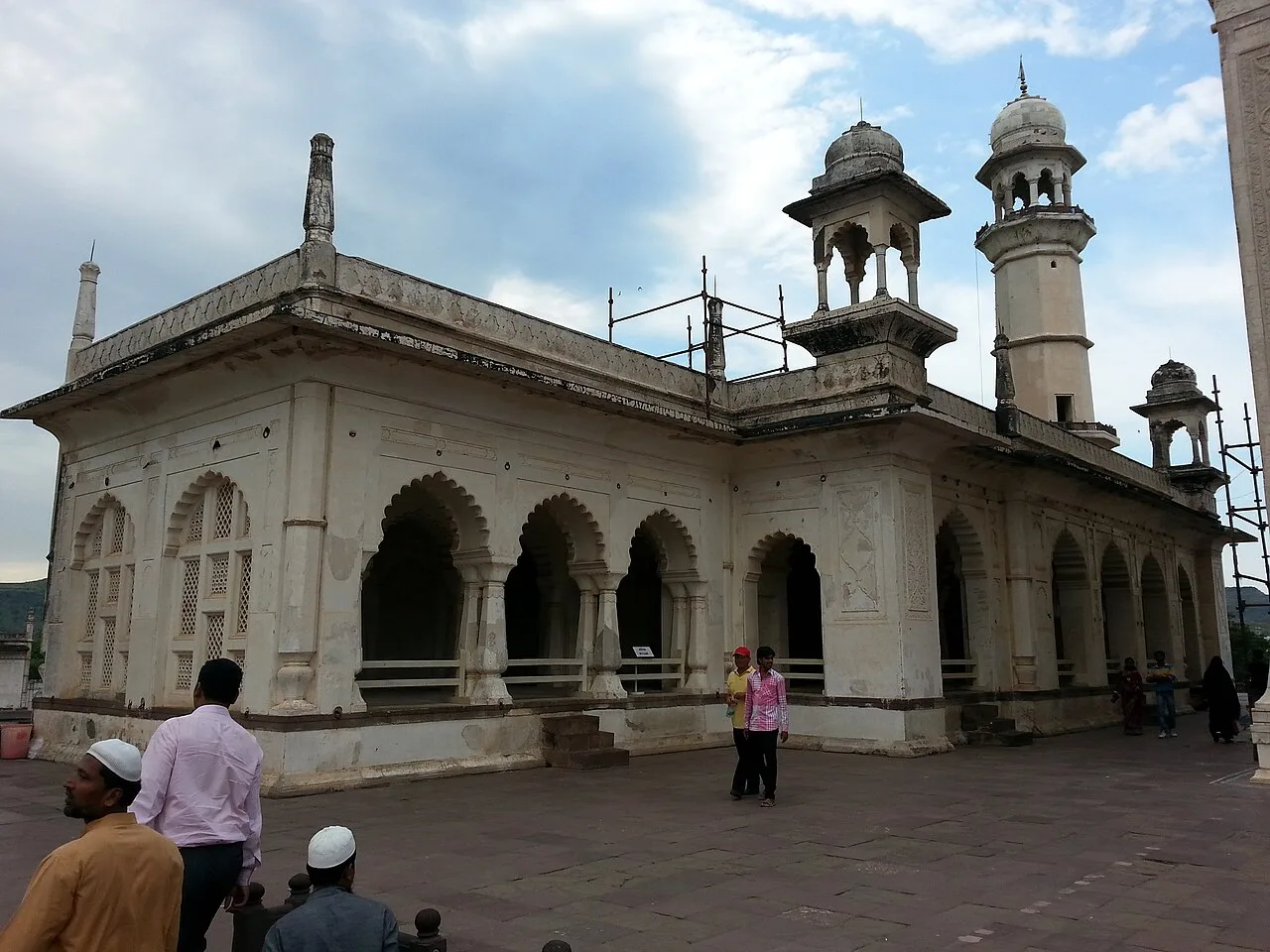
Bibi Ka Maqbara is a Mughal mausoleum in Aurangabad, Maharashtra, built for Dilras Banu Begum. Visitors come to see its resemblance to the Taj Mahal and its place in the region’s history.

Ghrishneshwar Temple

40 km away · Chhatrapati Sambhajinagar district

Ghrishneshwar Temple

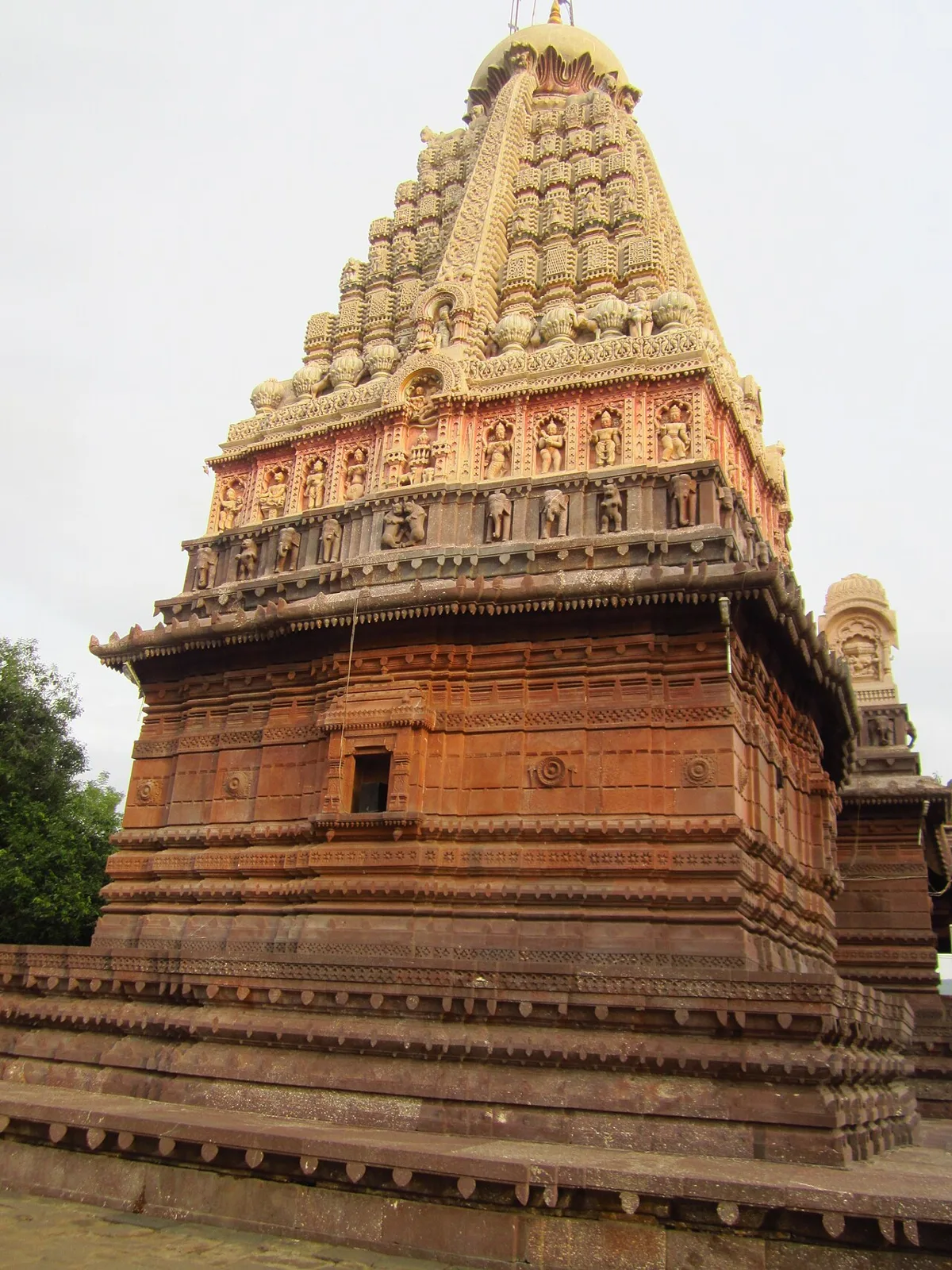
Ghrishneshwar Temple is a Shiva shrine in Verul, Maharashtra, and one of the twelve Jyotirlingas. Visitors come to worship Shiva at this nationally protected temple.

Ellora Caves

41 km away · Chhatrapati Sambhajinagar district

Ellora Caves

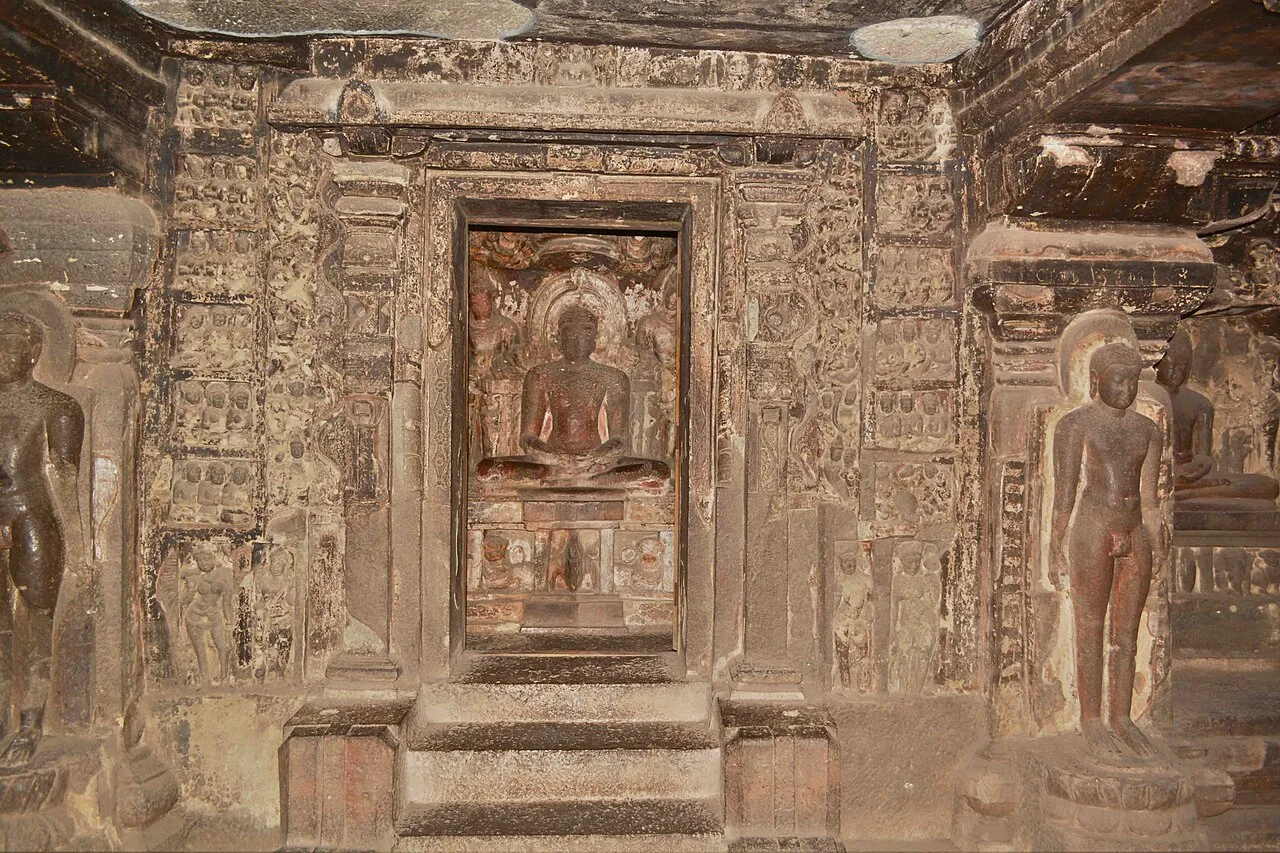
Ellora, in Maharashtra’s Chhatrapati Sambhajinagar district, is a UNESCO World Heritage Site. Visitors explore its Hindu, Buddhist and Jain monuments, including the remarkable Kailash temple carved from rock.

Shirdi Sai Baba Temple

56 km away · Ahilyanagar district

Shirdi Sai Baba Temple

The Shirdi Sai Baba Temple is a pilgrimage destination in Maharashtra, visited because of its association with Sai Baba, the nineteenth-century Indian saint closely connected with the town.

Ahmednagar Fort

72 km away · Ahilyanagar district

Ahmednagar Fort

Ahmednagar Fort, in Maharashtra, is a historic stronghold associated with the Ahmednagar Sultanate, the 1803 Anglo-Maratha conflict and imprisonment under British rule, making it a point of historical interest.

Map

Gangapur on the map

  1. 1Daulatabad Fort
  2. 2Shani Shingnapur
  3. 3Aurangabad Caves
  4. 4Bibi Ka Maqbara
  5. 5Ghrishneshwar Temple
  6. 6Ellora Caves
  7. 7Shirdi Sai Baba Temple
  8. 8Ahmednagar Fort

Maharashtra

Other cities to explore