
Ghumoopedia — Explore, Discover, Experience
Sign in
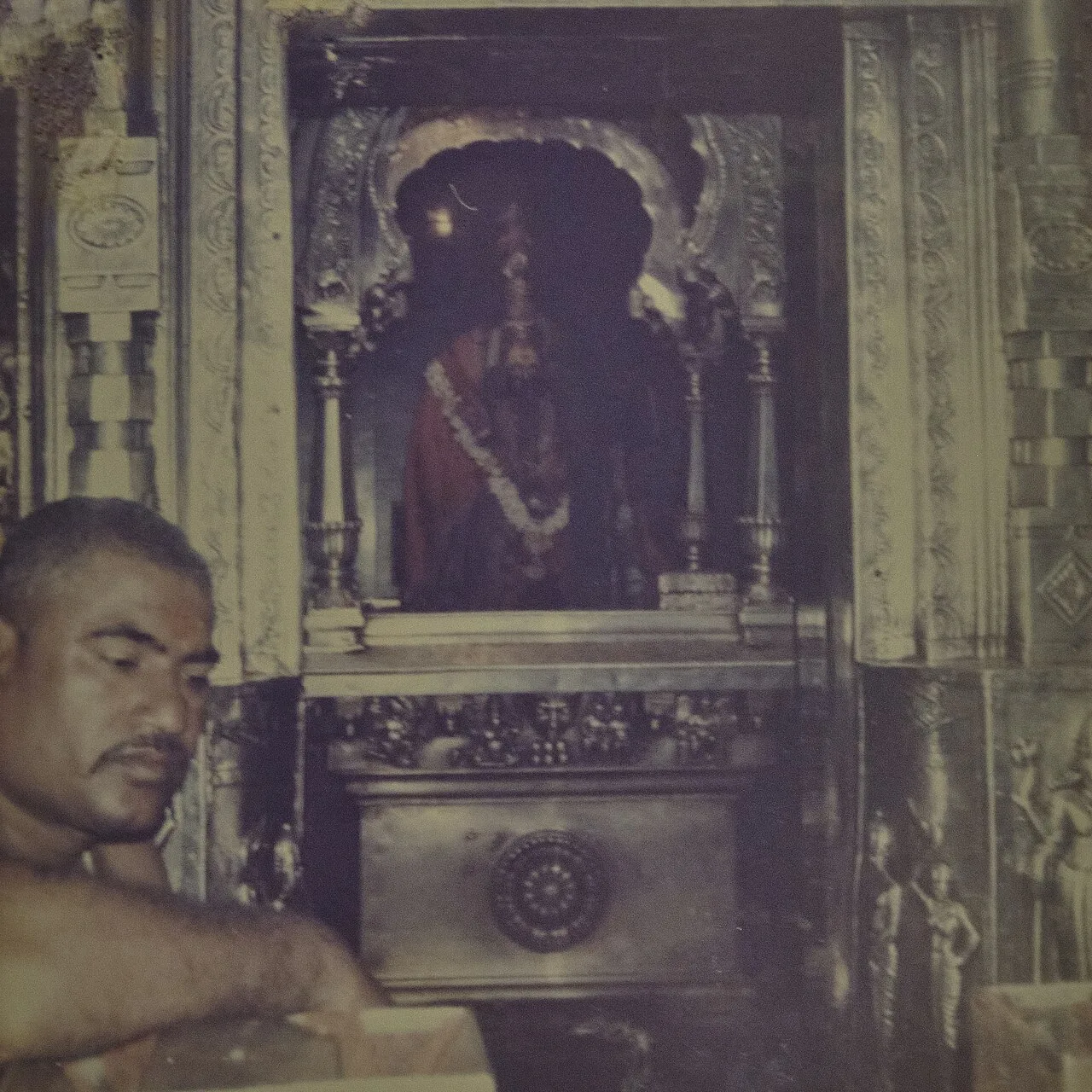
Tulja Bhavani Temple, near Tuljapur

City guide · Maharashtra

Tuljapur

Tuljapur is a pilgrimage town in Maharashtra’s Dharashiv District and the administrative seat of Tuljapur taluka. Its best-known landmark is the Tulja Bhavani Temple, which draws worshippers throughout the year.

Famous for

  • Tulja Bhavani Temple
  • Navaratri fair
  • Tulja Bhavani pilgrimage
  • Devotional market
  • Marathi religious traditions
In the city
1
District
Dharashiv

Why Tuljapur matters

Tuljapur is a pilgrimage town in Maharashtra’s Dharashiv District and the administrative seat of Tuljapur taluka. Its best-known landmark is the Tulja Bhavani Temple, which draws worshippers throughout the year. The town’s religious importance rises during Navaratri, when an annual fair brings pilgrims and visitors for worship and celebration. The festival falls in September or October, with dates that vary from year to year.

Tuljapur also serves as a local centre for surrounding communities, with public services, shops and transport linked to the taluka. Its identity is closely shaped by the temple and the steady movement of visitors, rather than by a large industrial or resort economy. At an elevation of about 648 metres, it lies in Maharashtra’s interior Deccan region. For travellers, Tuljapur is chiefly a place to visit the shrine, take part in its devotional atmosphere and explore the town’s market streets. It can also be a stop on journeys through the Dharashiv and Solapur region.

Famous for: crafts, trade & products

Tuljapur is best known for religious visits to the Tulja Bhavani Temple, not for a widely recognised textile, handicraft or industrial speciality. No particular GI-tagged product is closely identified with the town. Visitors looking for local goods are most likely to find devotional items and everyday wares in the market streets around the temple, including offerings, flowers, coconuts, souvenirs and religious images. These shops serve pilgrims as well as local residents.

The bazaar is useful for seeing the town’s small-scale retail life and buying practical provisions during a visit. Food stalls and shops may offer snacks and simple meals, though their selection can vary. Tuljapur’s role as the taluka headquarters also supports ordinary trade and services, but it is not generally promoted as a manufacturing or specialist shopping destination. Travellers seeking regionally distinctive textiles, crafts or agricultural products should check what is available locally rather than assume a particular item is made in Tuljapur. The temple precinct and nearby market are the most natural places to browse for visitor-oriented goods.

History

Tuljapur’s growth has long been connected to the Tulja Bhavani shrine, which established the town as a centre of worship and pilgrimage. The goddess is revered across Maharashtra, and regional devotional traditions associate her with Chhatrapati Shivaji; such accounts form part of the shrine’s religious heritage. The temple and the flow of pilgrims helped sustain local services and markets over generations.

The wider region experienced changing Deccan powers, including Maratha rule and the Nizam’s Hyderabad State. After Hyderabad’s integration into India in 1948, the area became part of the reorganised state of Bombay and then Maharashtra in 1960. Tuljapur developed as an administrative centre for its taluka, with a municipal council and public services alongside its continuing religious role. Dharashiv District was formerly known as Osmanabad District, a name still encountered in older references and travel information. Modern Tuljapur remains a modest town whose public life and visitor economy are strongly shaped by the temple and its festivals.

Food, festivals & culture

Tuljapur’s cultural life centres on devotion to Tulja Bhavani. The annual fair during Navaratri, usually in September or October, is the main seasonal gathering; the dates change each year. The temple also receives worshippers outside the festival period. Bhajans, devotional singing and ritual observances are part of the pilgrimage atmosphere, while Marathi is the principal language heard in daily life. Hindi is also understood in visitor-facing settings.

Local meals reflect familiar Maharashtrian cooking rather than a single dish unique to Tuljapur. Visitors may encounter jowar bhakri, pithla, zunka, lentil dishes and seasonal vegetables, as well as sweets such as puran poli in local eateries or homes. Food availability varies, especially during busy festival days. The Tulja Bhavani Temple is the town’s central place of worship and cultural focus. The market streets around it provide a glimpse of everyday town life, with shops and food sellers serving residents and pilgrims alike.

Visiting the city

The cooler months after the monsoon are generally comfortable for a visit. Navaratri offers the fullest festival atmosphere, but crowds are heavier then and the dates vary between September and October. Tuljapur has no airport of its own. Solapur Airport is the nearest airport, though passenger services may be limited; check current operations before planning a flight. Pune and Hyderabad are alternatives for broader air connections. Dharashiv railway station, also referred to by its former name Osmanabad, is a rail access point for the town; Solapur Junction offers another option with wider connections.

Local buses, taxis and auto-rickshaws can help with onward travel. The temple precinct and adjoining bazaar are the main areas to explore on foot. Allow extra time for movement near the shrine during festival periods.

Attractions

Places to visit in Tuljapur

Sights within about 12 km of each other, even when they fall in different districts.

Map

Tuljapur on the map

  1. 1Tulja Bhavani Temple

Maharashtra

Other cities to explore