Ghumoopedia — Explore, Discover, Experience
Sign in
Jejuri, near Baramati

City guide · Maharashtra

Baramati

Baramati is a regional centre in southeastern Pune district, serving surrounding towns and farming communities through its markets, educational institutions and industries. Agriculture remains central to the local economy, with sugarcane and other crops supporting food processing and related businesses.

Famous for

  • Sugarcane and agro-processing
  • Baramati MIDC industries
  • Kashivishweshwar Temple
  • Vidya Pratishthan institutions
  • Agricultural education
  • Nearby Bhigwan wetlands

Why Baramati matters

Baramati is a regional centre in southeastern Pune district, serving surrounding towns and farming communities through its markets, educational institutions and industries. Agriculture remains central to the local economy, with sugarcane and other crops supporting food processing and related businesses. The town is also associated with agricultural research and training, including institutions that connect farming practice with education and technology.

Visitors come for business, study and local heritage rather than a large circuit of conventional tourist attractions. In the older part of town, Kashivishweshwar Temple offers a glimpse of its religious life and historical setting. Baramati’s industrial estate and education campuses reflect its more recent growth, while nearby Bhigwan and the Ujani reservoir area are known for seasonal birdlife. Marathi public life, lively markets and the surrounding agricultural landscape give the city a distinctly regional character. Its combination of farming, manufacturing and education makes Baramati an important hub beyond its role as a municipal and tehsil centre.
Famous for: crafts, trade & products

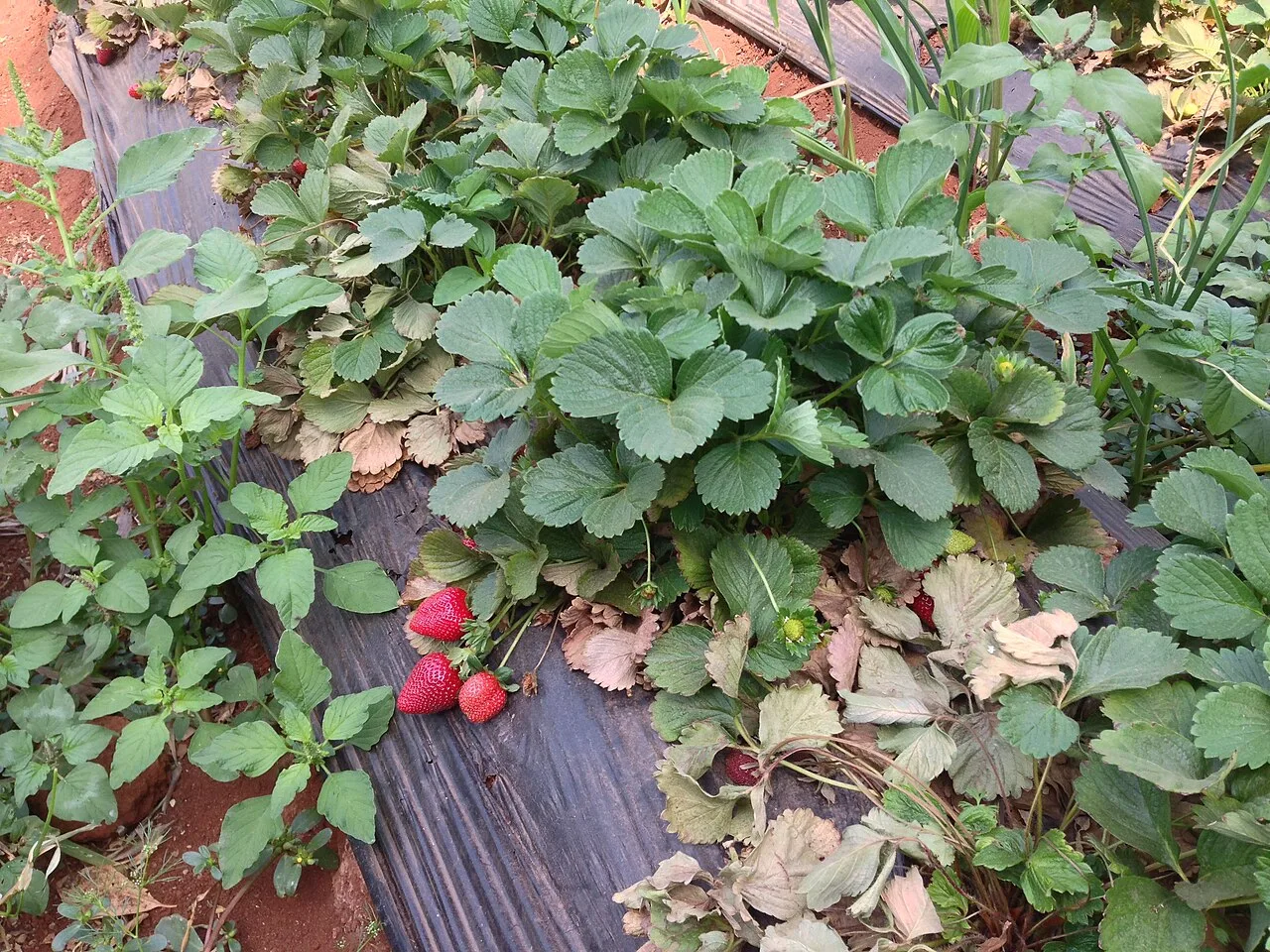
Baramati is best known economically for agriculture and agro-processing rather than for a signature textile, handicraft or GI-tagged product. Sugarcane is important to the surrounding countryside, and the wider local economy includes sugar production, dairy and food processing. Farms also grow crops such as grapes and pomegranates, though availability varies by season. Local produce can be found through the town’s markets and agricultural trading channels.

Manufacturing is concentrated around the Baramati industrial estate, commonly known as Baramati MIDC, where agro-based businesses operate alongside engineering and other manufacturing units. The city’s profile is also shaped by agricultural education and research, including institutions linked with the Agricultural Development Trust, and by Vidya Pratishthan’s educational campuses. Visitors looking for locally made goods can browse shops in the central market for everyday foods and regional products; for a broader view of production, the industrial estate and agricultural institutions are more relevant than a dedicated crafts bazaar. Baramati does not have a widely recognised local saree or handicraft tradition.

History

Baramati’s history is part of the wider story of the Deccan, where regional powers and changing political boundaries shaped settlements, trade and worship. The old town and its temples, including Kashivishweshwar, reflect a long-established local community. The area was influenced by the Maratha period and the Peshwa era, when western Maharashtra’s political and administrative networks developed.

During British rule, Baramati formed part of the Bombay Presidency. Its importance grew as a market and administrative centre for surrounding villages. After Independence, agricultural development, irrigation and cooperative activity helped transform the local economy, particularly through sugar production and related enterprises. The establishment of educational and agricultural institutions, followed by industrial development around the MIDC estate, broadened the city’s role. Today Baramati combines its older market-town character with modern manufacturing, education and services, while continuing to serve a largely agricultural hinterland.

Food, festivals & culture

Marathi is the main language of daily life, with Hindi and English also used in business, education and travel. Home cooking and local eateries reflect the food traditions of western Maharashtra: bhakri, pithla, zunka, vegetables and rice dishes are common choices. Misal and other Maharashtrian snacks are easy to find, while sweets such as puran poli are associated with festive meals. Seasonal produce from the surrounding farms also features in local markets and kitchens.

Ganesh Chaturthi, usually celebrated in late summer or early autumn, is marked by household worship and community gatherings. Diwali in autumn, Gudi Padwa in spring and Navratri are also widely observed; dates follow the Hindu calendar. Temples and neighbourhood shrines are part of everyday religious life, with Kashivishweshwar Temple among the town’s notable places of worship. Lavani, devotional singing and Marathi film music are familiar parts of the wider regional culture, alongside contemporary music and dance at public celebrations. The atmosphere is shaped by both town traditions and the farming communities around Baramati.

Visiting the city

October to February is generally the most comfortable period to visit, with milder weather than the hot summer months and less monsoon disruption. The nearest major airport is Pune Airport at Lohegaon, around 100 km away by road. Baramati railway station serves the town; check current connections when planning a journey. Buses, taxis and auto-rickshaws are useful for getting around locally, while a car is convenient for trips beyond the centre.

Explore the old town and Kashivishweshwar Temple, then browse the central market for everyday food and local produce. The MIDC area and educational campuses show the city’s modern side, though they are working areas rather than conventional visitor attractions. Bhigwan and the Ujani reservoir wetlands are nearby options for birdwatching, especially in the cooler season; arrange transport from Baramati and check local conditions before setting out.

Trips from the city

Nearest places to visit from Baramati

Our closest destination guides, by straight-line distance.

Jejuri

46 km away · Pune district

Jejuri

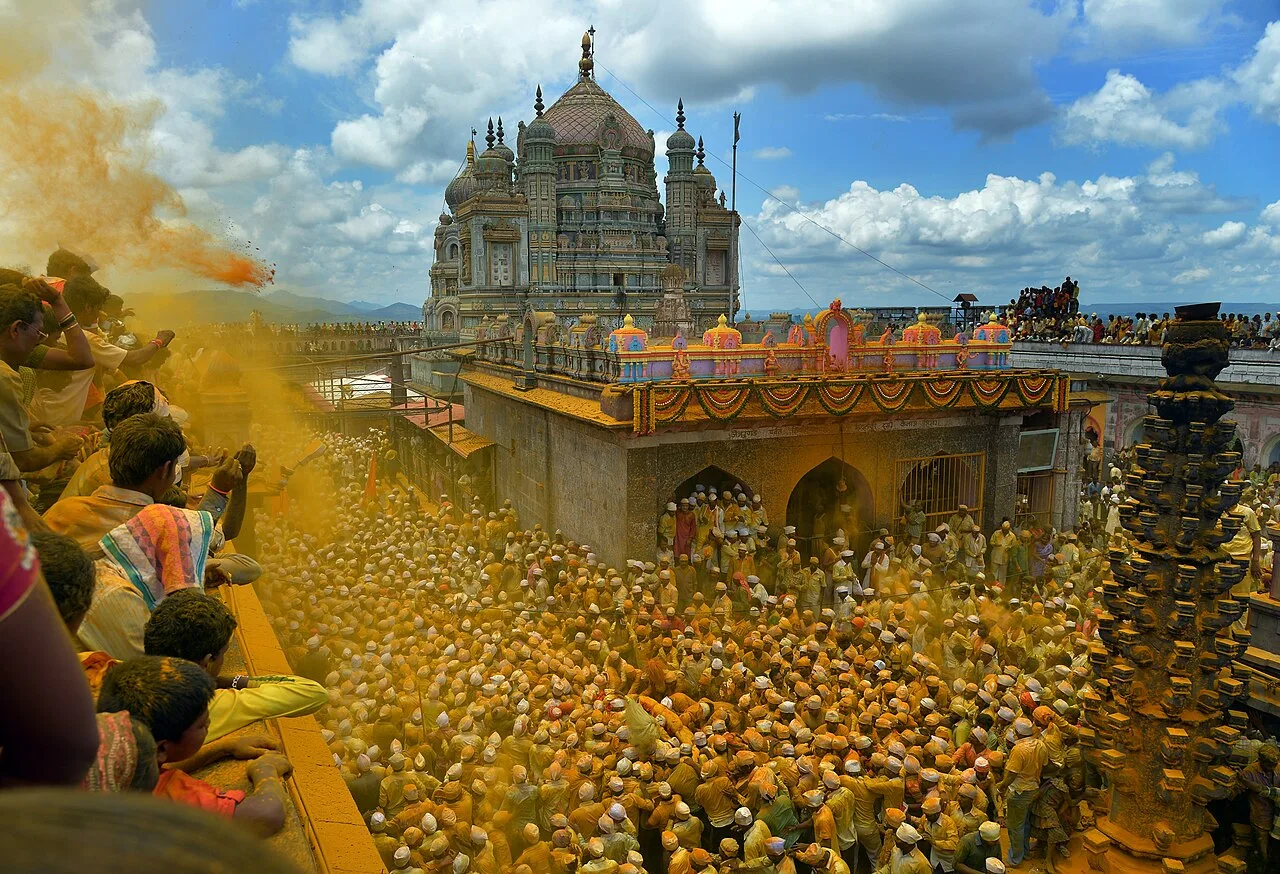
Jejuri, a city with a municipal council in Pune district, Maharashtra, is known for the Khandoba Mandir, an important Hindu pilgrimage site for communities across the state.

Aga Khan Palace

84 km away · Pune district

Aga Khan Palace

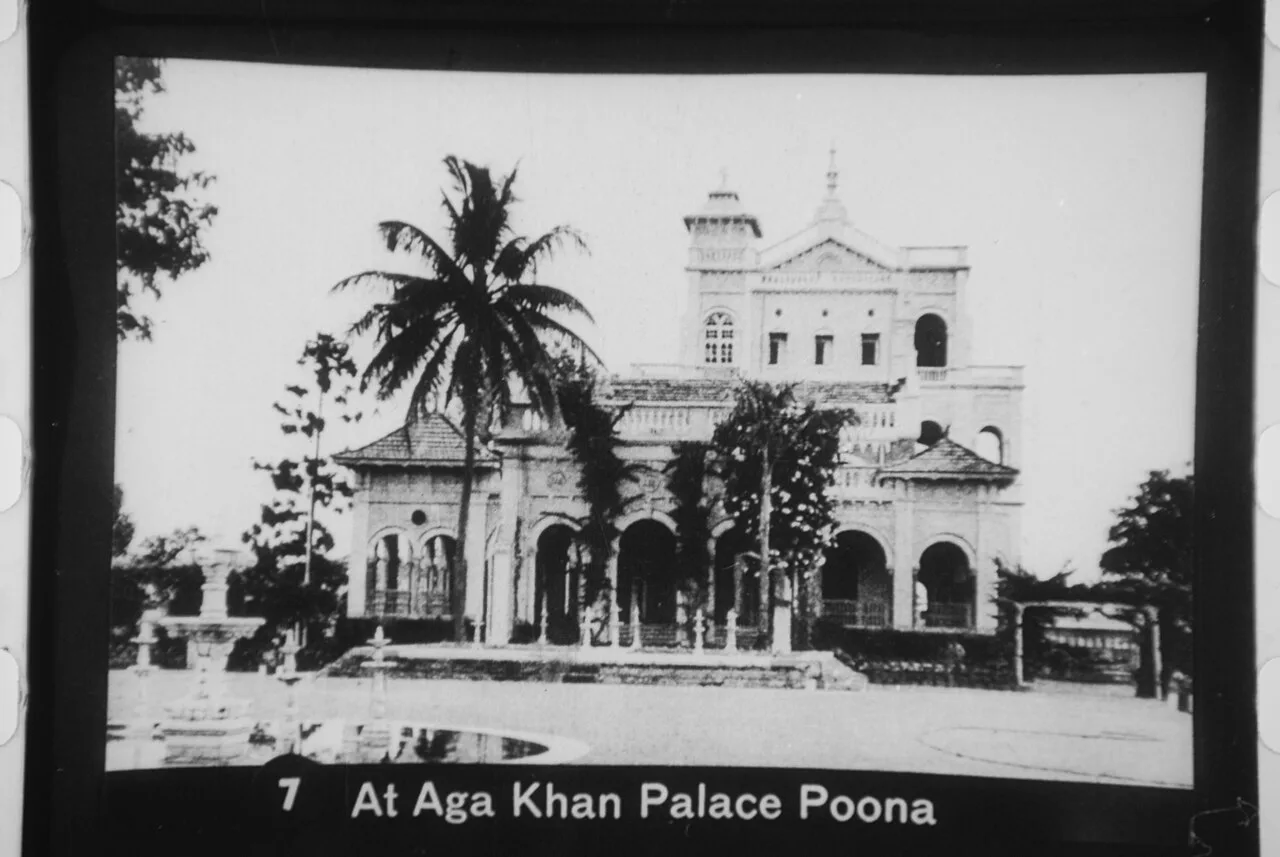
Aga Khan Palace is a historic building in Pune district, built by Sultan Muhammed Shah Aga Khan III. Visitors come for its connections to famine relief and the freedom struggle, as well as its architecture and greenery.

Dagadusheth Halwai Ganapati Temple

86 km away · Pune district

Dagadusheth Halwai Ganapati Temple

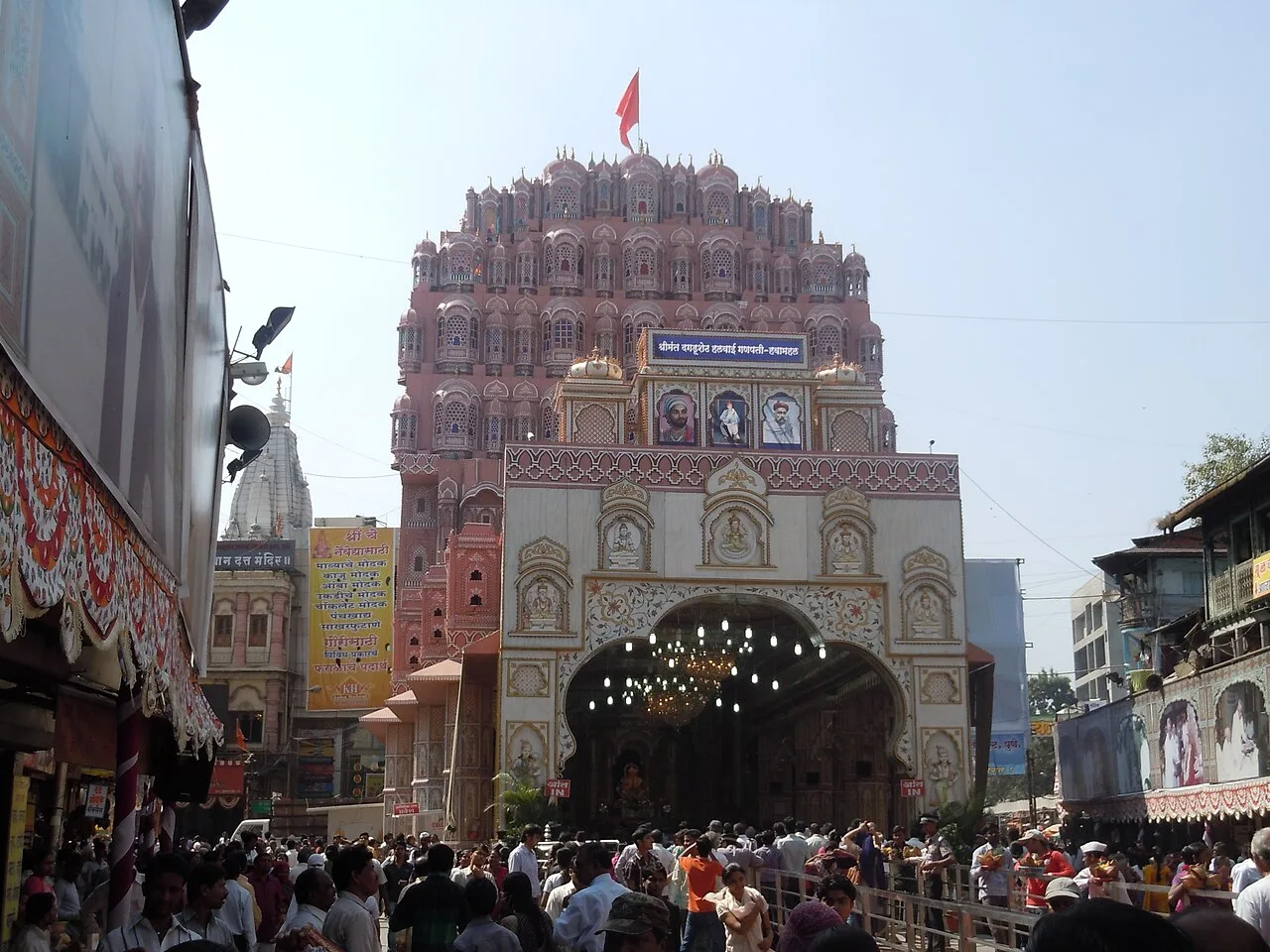
In Pune, Maharashtra, Dagadusheth Halwai Ganapati Temple honours Ganesha and draws devotees throughout the year, especially for the annual ten-day public Ganeshotsav celebration.

Panchgani

86 km away · Satara district

Panchgani

Panchgani, also known as Paachgani, is a hill station in Maharashtra’s Satara district with municipal-council status. Visitors come throughout the year, and its many convent boarding schools are also well known.

Raja Dinkar Kelkar Museum

86 km away · Pune district

Raja Dinkar Kelkar Museum

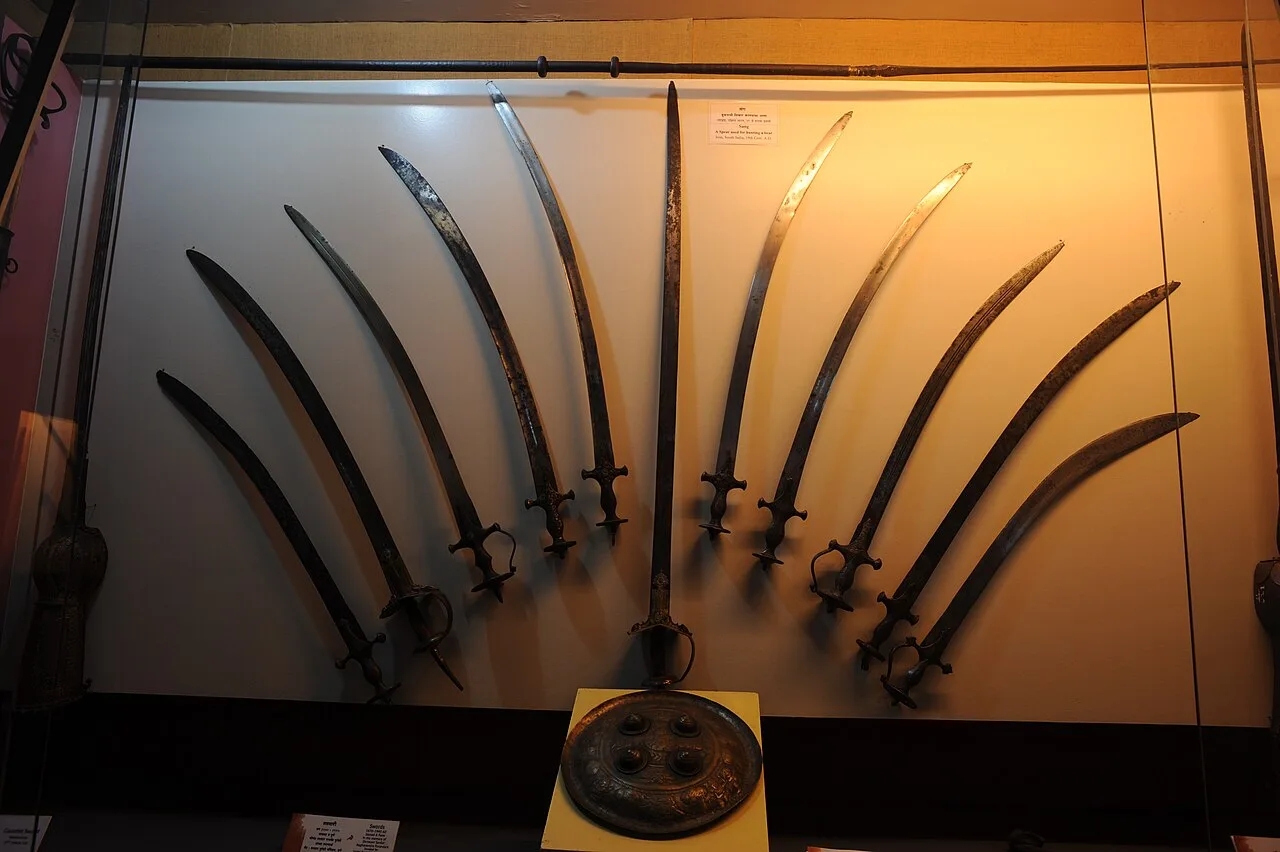
In Pune, Maharashtra, Raja Dinkar Kelkar Museum displays Dr. Dinkar G. Kelkar’s collection, attracting visitors interested in sculptures, musical instruments, ornaments, war weapons and vessels.

Shaniwar Wada

86 km away · Pune district

Shaniwar Wada

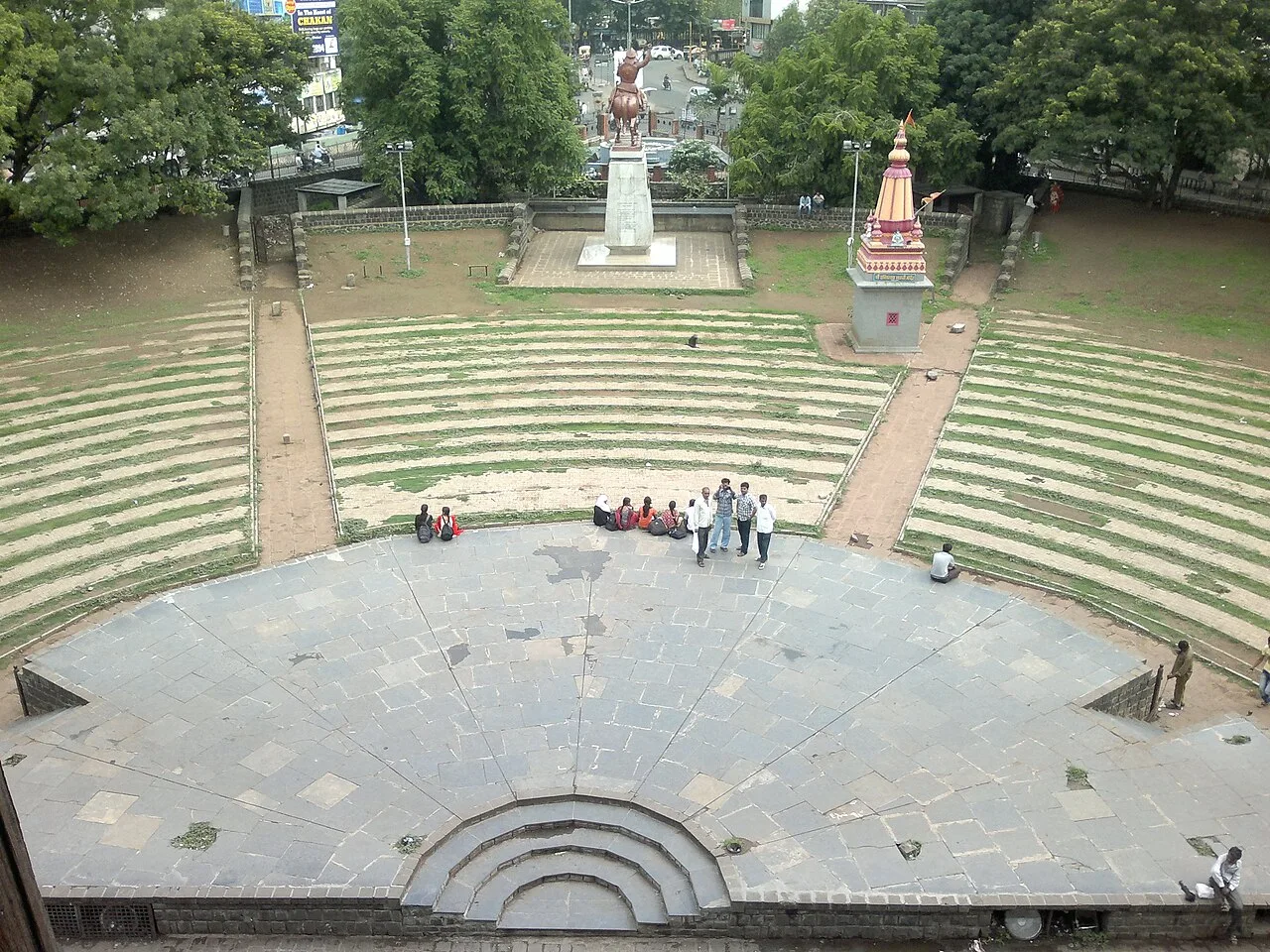
Shaniwar Wada is a historic fortification in Pune, linked to the Peshwas and the Maratha Confederacy. Visitors come to see the structures that remain after a major fire.

87 km away · Ahilyanagar district

Ralegan Siddhi

Ralegan Siddhi is a village in Maharashtra’s Ahmednagar District, noted for environmental conservation and renewable energy. Travellers may visit to see its measures for protecting soil, retaining rainwater and generating local power.

90 km away · Satara district

Bhilar (Book Village)

Bhilar is a village in Maharashtra’s Satara district, known as the Book Village. Visitors may be drawn by its distinctive association with books.

Map

Baramati on the map

  1. 1Jejuri
  2. 2Aga Khan Palace
  3. 3Dagadusheth Halwai Ganapati Temple
  4. 4Panchgani
  5. 5Raja Dinkar Kelkar Museum
  6. 6Shaniwar Wada
  7. 7Ralegan Siddhi
  8. 8Bhilar (Book Village)

Maharashtra

Other cities to explore