Ghumoopedia — Explore, Discover, Experience
Sign in
Jyotiba Temple, near Urun-Islampur

City guide · Maharashtra

Urun-Islampur

Urun-Islampur, also officially named Urun-Ishwarpur, is a regional town in Sangli district in western Maharashtra. It serves as a market and service centre for the surrounding Walwa area, where farming and sugarcane cultivation shape much of local life.

Famous for

  • Uranai Devi temple
  • Walwa agricultural trade
  • Sugarcane-growing region
  • Urun-Islampur name change

Why Urun-Islampur matters

Urun-Islampur, also officially named Urun-Ishwarpur, is a regional town in Sangli district in western Maharashtra. It serves as a market and service centre for the surrounding Walwa area, where farming and sugarcane cultivation shape much of local life. Visitors are more likely to come for business, family connections or as part of a wider journey through the Sangli region than for a large collection of established tourist attractions.

The oldest quarter, called Uran, is associated with the Uranai Devi temple, an important local place of worship and a useful starting point for exploring the town’s older identity. The town’s recent renaming has also brought it into public discussion: the official name is now Urun-Ishwarpur, while Urun-Islampur and Islampur remain familiar names in everyday use. Its appeal lies in this mix of local religious life, a busy regional bazaar and the agricultural landscape beyond the built-up centre. For travellers, it makes a practical stop for experiencing an everyday Maharashtra town rather than a destination built around sightseeing infrastructure.
Famous for: crafts, trade & products

Urun-Islampur is best understood as a local trading centre, not as a major destination for a distinctive textile, handicraft or GI-tagged product. The surrounding Walwa countryside is associated with sugarcane cultivation and other farm activity, and the town’s shops and market serve residents and nearby villages. Visitors looking for local goods should explore the central bazaar for everyday produce, provisions and household items; availability varies with season and market activity.

There is no widely established city-specific craft market or signature product trail to seek out. The wider Sangli district is known for agricultural commerce, but products associated with the district should not automatically be taken as specialities of Urun-Islampur itself. For a sense of the town’s commercial life, visit the central shopping streets and ask locally about seasonal produce. Small eateries and sweet shops are a more reliable way to sample everyday regional fare than searching for a formally branded local food product. The Uran quarter, meanwhile, is notable for the Uranai Devi temple rather than for shopping.

History

Urun-Islampur probably took shape in the 16th or early 17th century, when the surrounding area was under the Sultanate of Bijapur. The oldest part of the settlement is known as Uran; the Uranai Devi temple there remains a marker of its early local identity. The town later experienced the changing Maratha and British-era political arrangements that shaped this part of Maharashtra, before developing as a centre for the surrounding Walwa area.

The name Islampur became the subject of public debate from the 1970s. In 1986, Shiv Sena founder Bal Thackeray publicly advocated changing it to Ishwarpur, and campaigns for the change continued in later decades. In 2020, the municipal council rejected a renaming proposal. A renewed petition was later submitted to the district administration. After state approval, the change was announced in 2025; the Survey of India accepted it that October, and a state notification in November renamed the municipal council Urun-Ishwarpur. The change remains contested by some local voices.

Food, festivals & culture

Everyday food reflects western Maharashtra: meals commonly include bhakri with vegetables or pithla, while snacks such as misal and vada are easy to find in local eateries. Puran poli is associated with festive meals, though menus vary from household to household. The town does not have a single widely recognised signature sweet or dish that defines it for visitors.

Marathi is the principal language of public life, and Urdu is also spoken in the town. Ganeshotsav, usually in August or September, and Navratri, generally in September or October, bring worship and community gatherings. Diwali is celebrated in autumn, while Eid observances follow the lunar calendar. The Uranai Devi temple in the old Uran quarter is a significant Hindu place of worship; mosques also serve the town’s Muslim community. Folk forms such as lavani and tamasha belong to the broader cultural setting of the region, though performances depend on local events and season.

Visiting the city

The cooler, drier months from roughly November to February are generally the most comfortable for a visit. Kolhapur Airport is the nearest airport commonly used for the area. Kirloskarvadi railway station is a nearby railhead; check current connections before planning onward travel. Buses and road transport link the town with other places in Sangli district and the wider region.

Auto-rickshaws and local vehicles are practical for short journeys within town. Begin in the older Uran quarter to visit Uranai Devi temple, then explore the central bazaar for a sense of everyday commerce and local food. The surrounding roads lead into the agricultural landscape of Walwa. Urun-Islampur is a modest regional centre, so it is sensible to arrange accommodation and longer-distance transport in advance.

Trips from the city

Nearest places to visit from Urun-Islampur

Our closest destination guides, by straight-line distance.

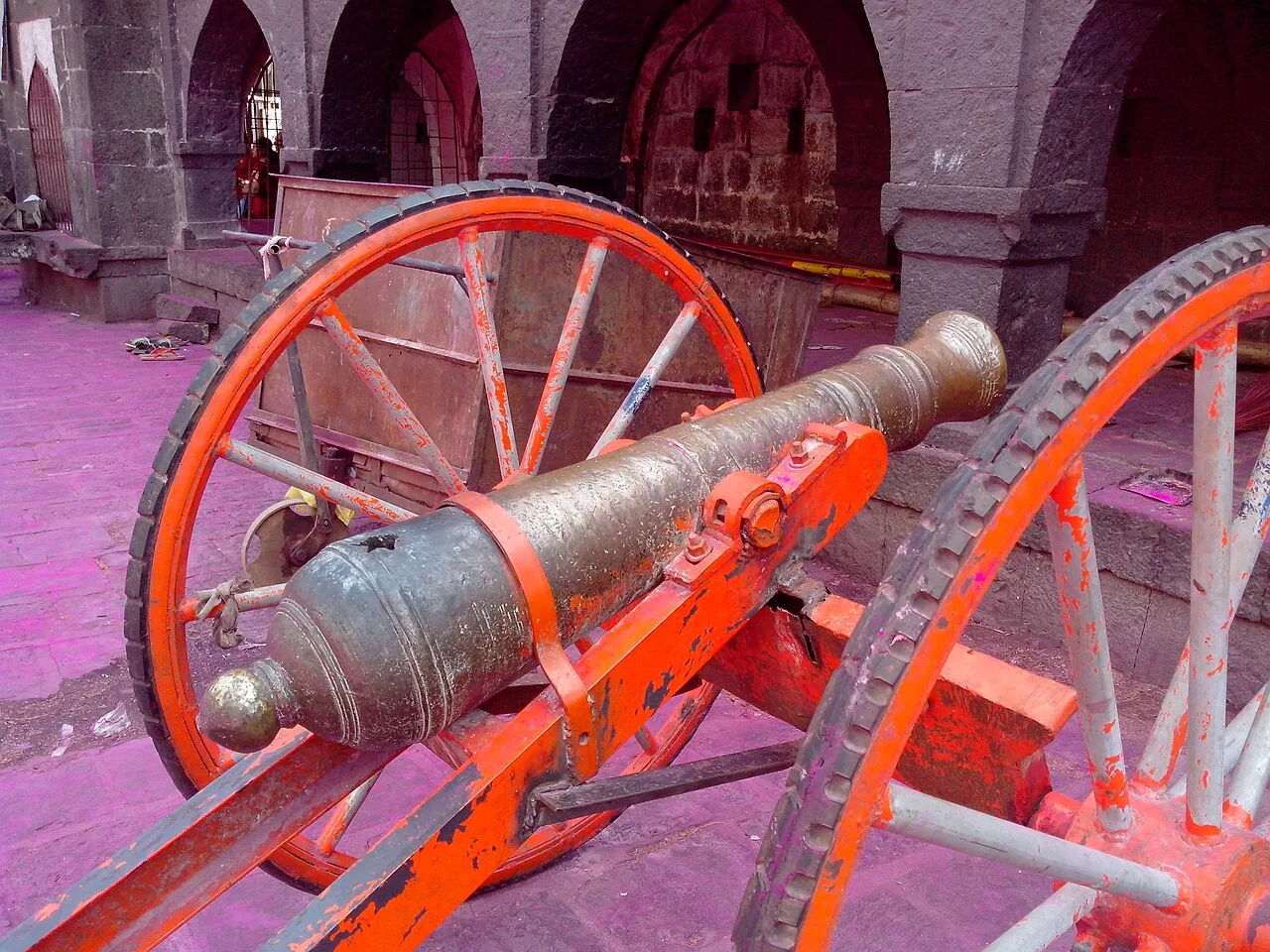
Jyotiba Temple

30 km away · Kolhapur district

Jyotiba Temple

Near Wadi Ratnagiri in Maharashtra’s Kolhapur district, Jyotiba Temple is a Hindu place of worship. People visit the shrine and its annual fair, held at full moon in Chaitra and Vaishakha.

Panhala Fort

32 km away · Kolhapur district

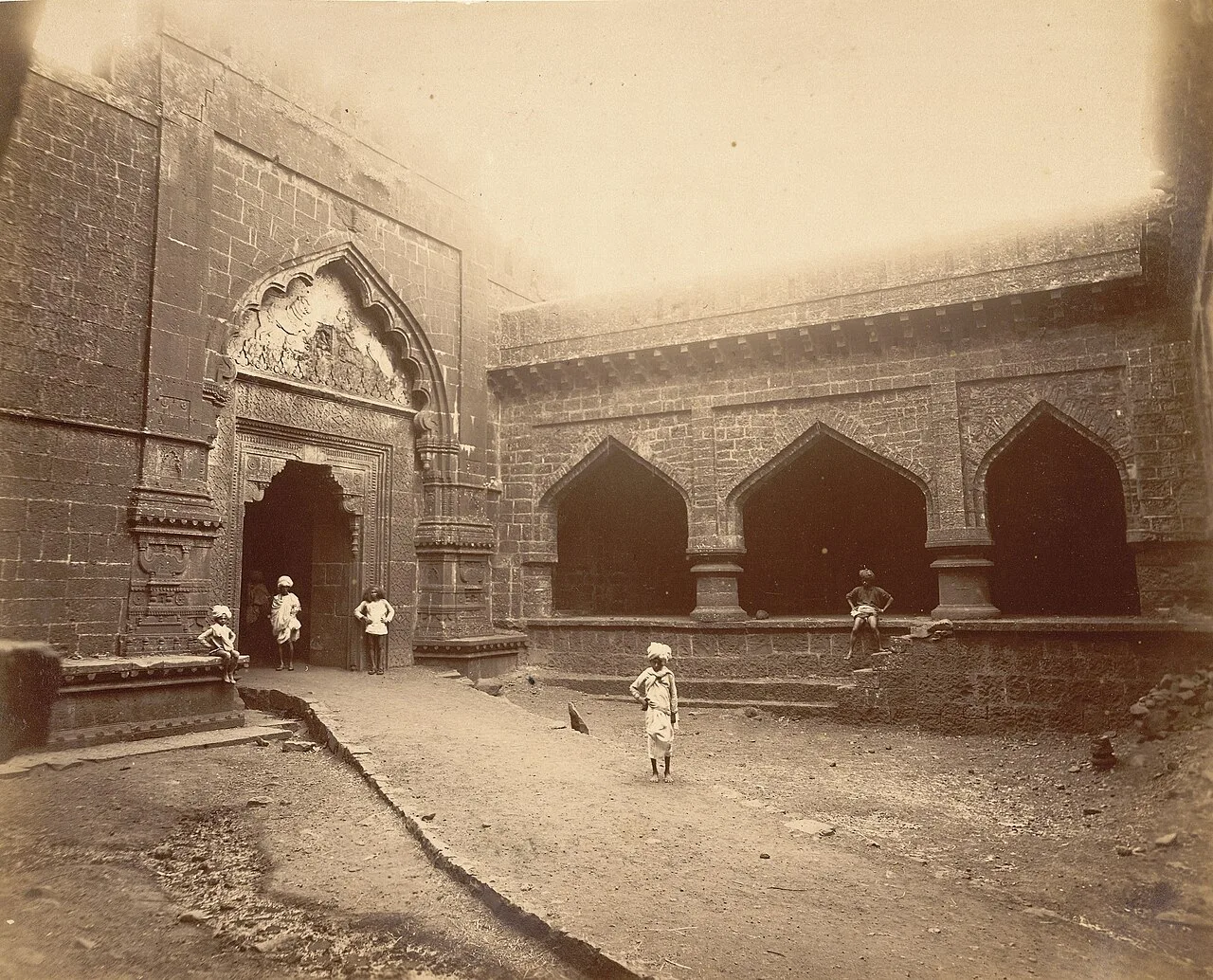
Panhala Fort

Panhala Fort is a hilltop stronghold in Kolhapur district, Maharashtra, overlooking a Western Ghats pass. Visitors come to see its surviving structures and explore its connections with Deccan conflicts and Tarabai.

Mahalakshmi Temple, Kolhapur

39 km away · Kolhapur district

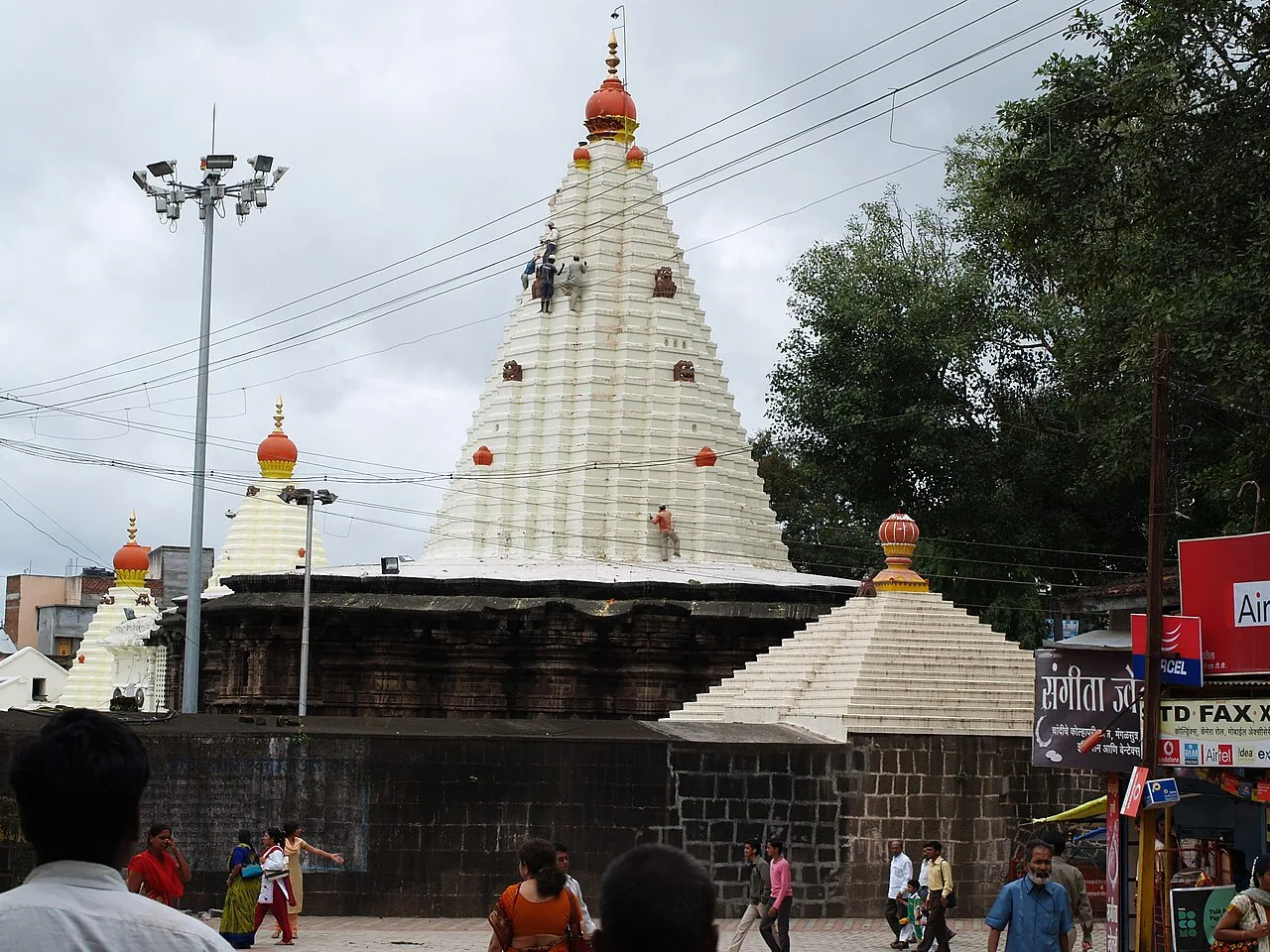
Mahalakshmi Temple, Kolhapur

The Mahalakshmi Temple, also called Ambabai Mandir, is a shrine in Kolhapur district, Maharashtra, dedicated to Goddess Mahalakshmi and visited as part of Hindu pilgrimage.

Rankala Lake

41 km away · Kolhapur district

Rankala Lake

Rankala Lake is a freshwater lake in Kolhapur, Maharashtra. Visitors can come to see a lake within the city and spend time beside its waters.

Thoseghar Falls

75 km away · Satara district

Thoseghar Falls

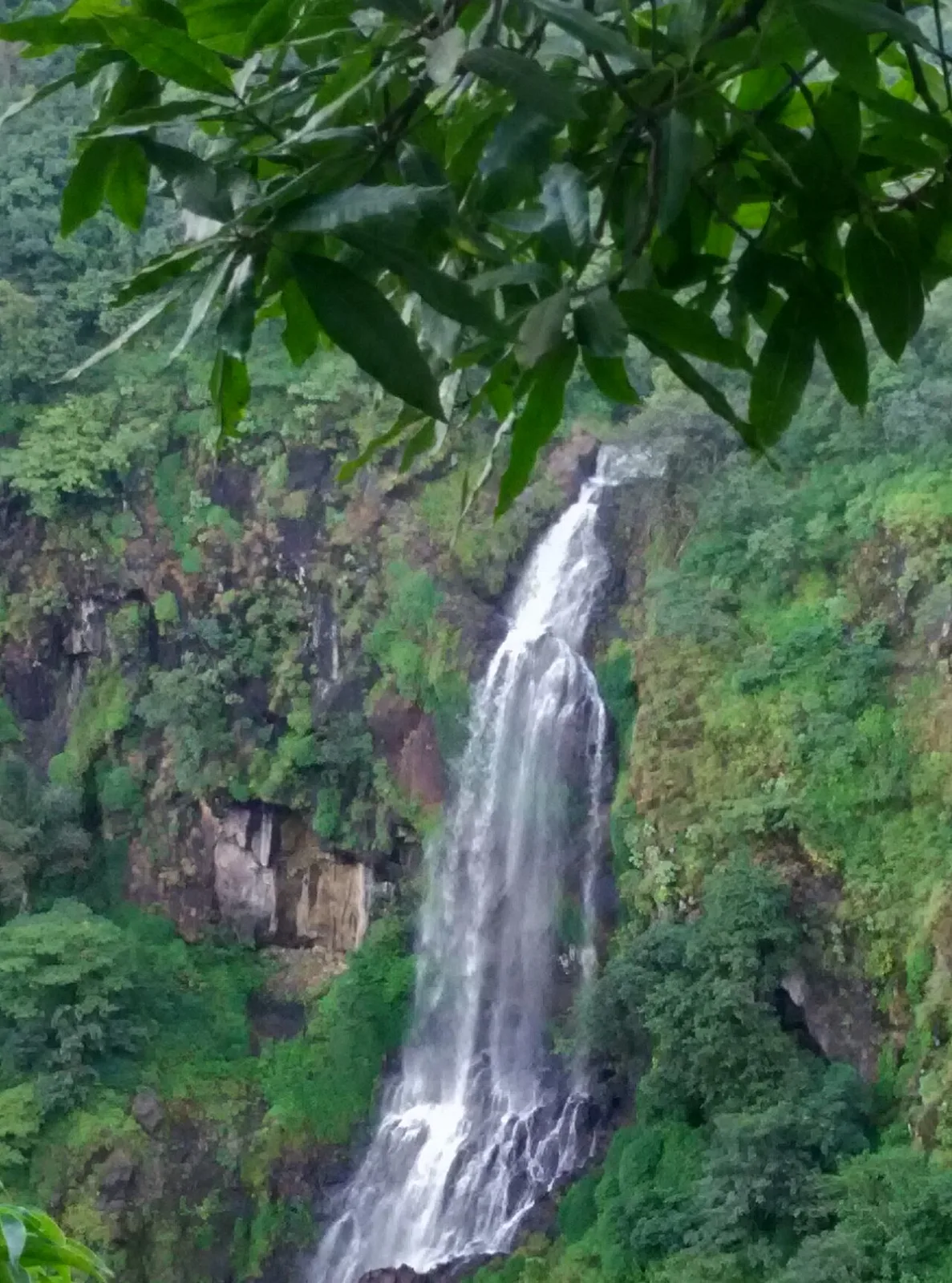
Thoseghar Falls is a series of cascades near Thoseghar village in Maharashtra’s Satara district. Visitors come to see the waterfalls, especially during the monsoon, when rainfall swells their flow.

Kaas Plateau

88 km away · Satara district

Kaas Plateau

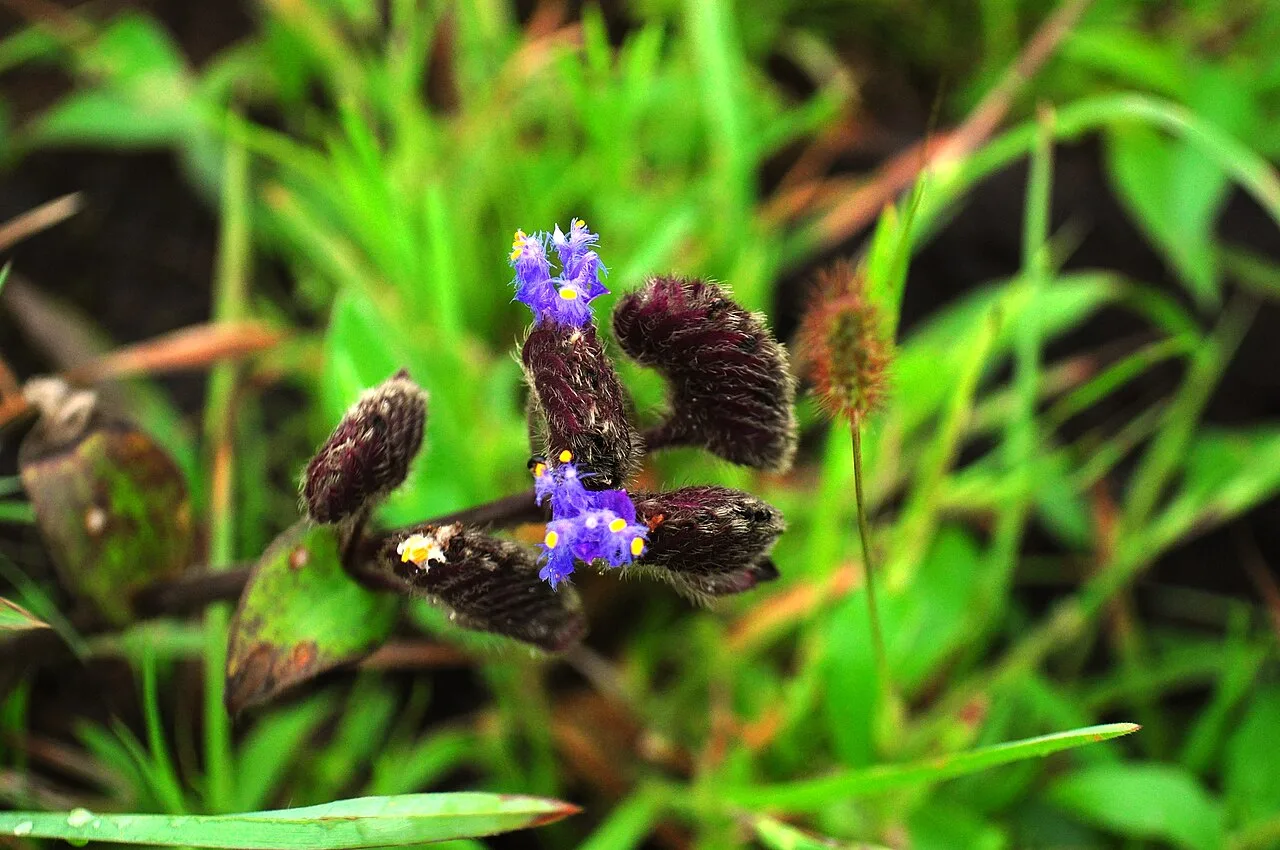
Kaas Plateau is a high basalt tableland and reserve forest in Maharashtra’s Satara district. Its seasonal wildflowers, endemic butterflies and distinctive plants make it a destination for nature visits, especially in August and September.

Ratnagiri Fort

106 km away · Ratnagiri district

Ratnagiri Fort

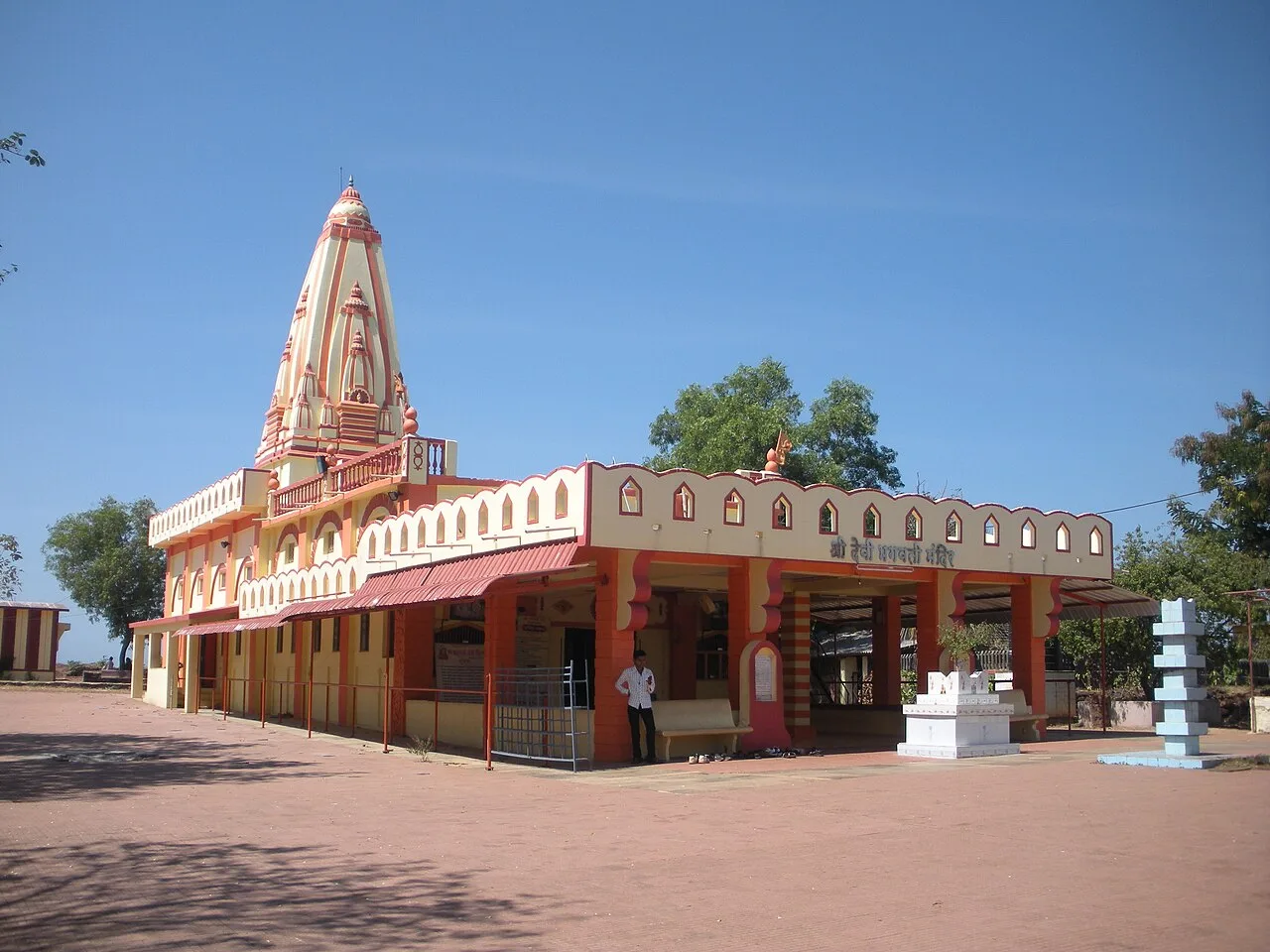
Ratnagiri Fort, also known as Ratnadurg Fort and Bhagawati Fort, stands two kilometres from Ratnagiri in Maharashtra and attracts visitors for the Bhagawati Temple within it.

Ganpatipule

107 km away · Ratnagiri district

Ganpatipule

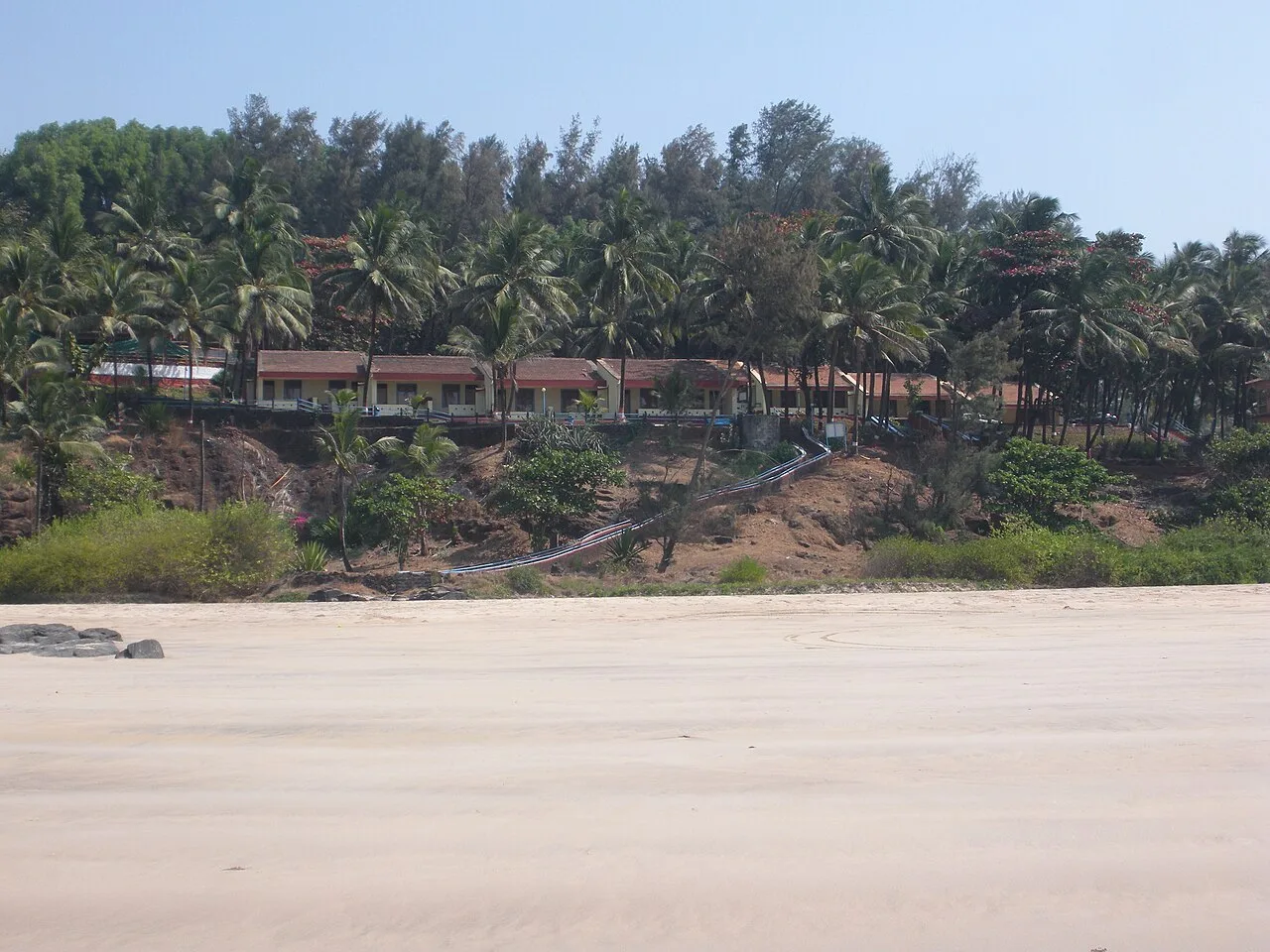
A coastal town in Maharashtra’s Ratnagiri district, Ganpatipule attracts Hindu pilgrims and tourists to its Ganpati mandir. It is near Ratnagiri city and north of Chiplun.

Map

Urun-Islampur on the map

  1. 1Jyotiba Temple
  2. 2Panhala Fort
  3. 3Mahalakshmi Temple, Kolhapur
  4. 4Rankala Lake
  5. 5Thoseghar Falls
  6. 6Kaas Plateau
  7. 7Ratnagiri Fort
  8. 8Ganpatipule

Maharashtra

Other cities to explore