Ghumoopedia — Explore, Discover, Experience
Sign in
Aga Khan Palace, near Rajgurunagar

City guide · Maharashtra

Rajgurunagar

Rajgurunagar is a small town in Pune district, best known as the birthplace of freedom fighter Shivaram Hari Rajguru. Formerly called Khed, it was renamed in his honour in the 1960s.

Famous for

  • Shivaram Rajguru birthplace
  • Hutatma Rajguru memorial
  • Bhima River setting
  • Pune-Nashik highway stop
  • Chakan industrial corridor

Why Rajgurunagar matters

Rajgurunagar is a small town in Pune district, best known as the birthplace of freedom fighter Shivaram Hari Rajguru. Formerly called Khed, it was renamed in his honour in the 1960s. The Hutatma Rajguru Smarak and sites associated with his early life give the town a special place in Maharashtra’s history of the independence movement, drawing visitors interested in his legacy.

The town is also the headquarters of Khed taluka and serves as a local centre for surrounding villages. Its position beside the Bhima River and on National Highway 60, the Pune–Nashik route, connects it to Pune, Nashik and nearby Chakan, around 10 kilometres away. Chakan’s industrial activity adds to the movement of workers, traders and transport through the area. Rajgurunagar is not a large sightseeing destination, but it offers a meaningful historical stop and a view of everyday life in the Pune district beyond the city. Visitors can combine a memorial visit with a drive through the Bhima valley and nearby countryside.
Famous for: crafts, trade & products

Rajgurunagar is not especially known for a signature textile, handicraft or GI-tagged product. Its strongest identity is historical: local interest centres on Shivaram Rajguru’s birthplace and the Hutatma Rajguru Smarak. Visitors looking for keepsakes are more likely to find simple devotional or commemorative items in local shops than a specialised craft market.

The town’s commercial life serves Khed taluka and nearby settlements, with shops and markets supplying everyday goods and agricultural needs. Local produce and staples reflect the surrounding rural economy, though there is no single product for which Rajgurunagar is widely recognised. Its proximity to Chakan, about 10 kilometres away, links it to one of the region’s prominent industrial areas; manufacturing and related services are important to the wider local economy. For visitors, the central bazaar and roadside businesses are the practical places to browse for snacks and daily-use goods. Those seeking a broader choice of branded products or specialist shopping will generally find more options in Pune.

History

Rajgurunagar was formerly known as Khed, a name shared with several places in Maharashtra. The wider area has long been shaped by the Bhima River and routes connecting settlements across the Pune region. Khed is also associated with the Battle of Khed in 1707, fought during the contest between Shahu and the forces supporting Tarabai, amid the changing politics of the Maratha state.

The region later came under British rule as part of the Bombay Presidency. In modern Maharashtra, Khed developed as the administrative headquarters of Khed taluka and a service centre for surrounding villages. Its most enduring historical association is Shivaram Hari Rajguru, who was born here and became a prominent revolutionary in the struggle against British rule. In the 1960s, the town was renamed Rajgurunagar in his honour. Improved road links, particularly National Highway 60, and the growth of nearby Chakan have strengthened its connections with Pune and the surrounding industrial belt.

Food, festivals & culture

Marathi is the principal language of everyday life; Hindi is also understood in many settings. Food is typical of the Pune district and rural Maharashtra: meals may include bhakri, pithla or zunka, seasonal vegetables and rice. Misal and vada pav are common choices for a quick bite, while puran poli is enjoyed as a festive sweet. Small eateries and local shops are the easiest places to sample familiar regional fare.

Ganeshotsav, usually in August or September, brings household and community celebrations, while Gudi Padwa in spring and Diwali in autumn are observed with traditional customs. Shiv Jayanti is also significant in Maharashtra’s public and cultural life. The town’s strongest visitor focus is the memory of Rajguru, reflected in visits to the memorial. Local temples serve neighbourhood worship and festivals. Marathi devotional music and performance traditions such as powada and lavani form part of the broader regional culture, though performances are not necessarily scheduled for visitors.

Visiting the city

October to February is generally the most comfortable season for exploring Rajgurunagar. The monsoon, roughly June to September, brings greener countryside but can make road journeys slower. Pune International Airport is the nearest major airport, and Pune Junction is the main railway station commonly used for onward travel. From Pune, the town is reached by road along National Highway 60, the Pune–Nashik route; buses and taxis connect it with nearby centres, including Chakan.

Within town, local auto-rickshaws and short walks can cover central areas. Allow time for the Hutatma Rajguru Smarak and the Bhima River surroundings. The central bazaar is useful for a meal or everyday shopping, while the highway edges show the town’s links to regional traffic and industry. Check local access arrangements before travelling to individual memorial sites.

Trips from the city

Nearest places to visit from Rajgurunagar

Our closest destination guides, by straight-line distance.

Aga Khan Palace

35 km away · Pune district

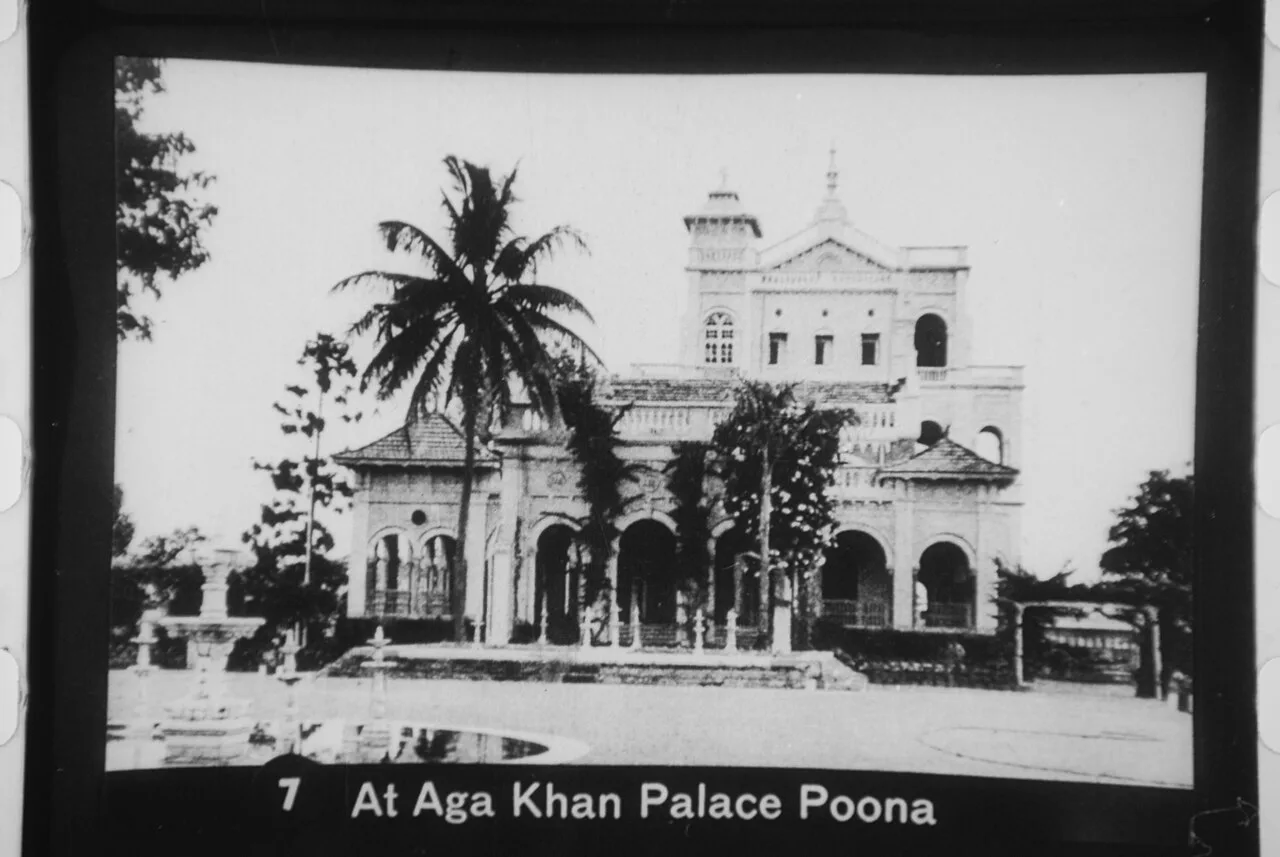
Aga Khan Palace

Aga Khan Palace is a historic building in Pune district, built by Sultan Muhammed Shah Aga Khan III. Visitors come for its connections to famine relief and the freedom struggle, as well as its architecture and greenery.

Shivneri Fort

37 km away · Pune district

Shivneri Fort

Shivneri Fort, also called Killa, is an ancient stronghold near Junnar in Maharashtra’s Pune district. People visit for its historical connection as the birthplace of Chatrapati Shivaji Maharaj, founder of the Maratha Kingdom.

Dagadusheth Halwai Ganapati Temple

39 km away · Pune district

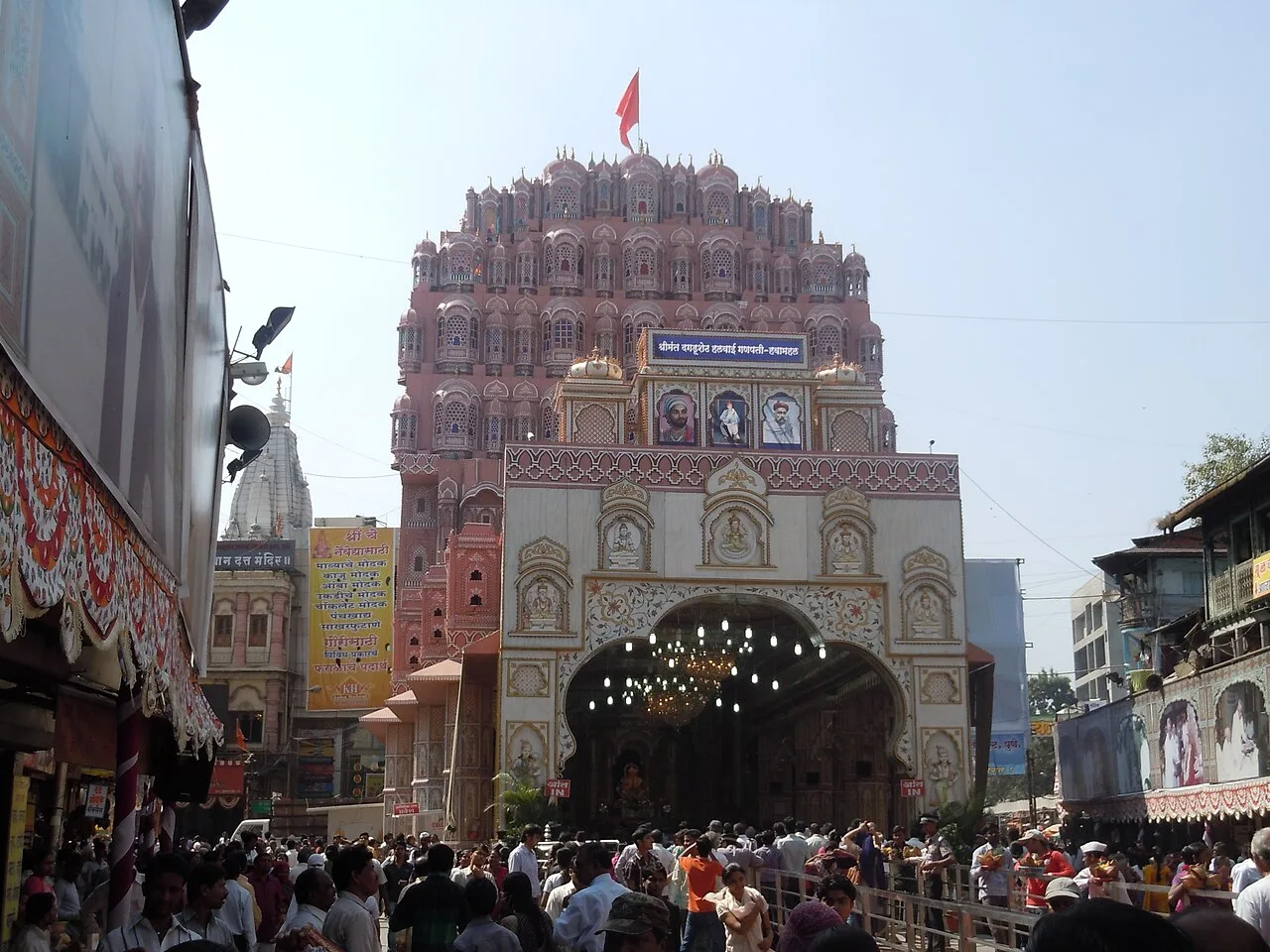
Dagadusheth Halwai Ganapati Temple

In Pune, Maharashtra, Dagadusheth Halwai Ganapati Temple honours Ganesha and draws devotees throughout the year, especially for the annual ten-day public Ganeshotsav celebration.

Shaniwar Wada

39 km away · Pune district

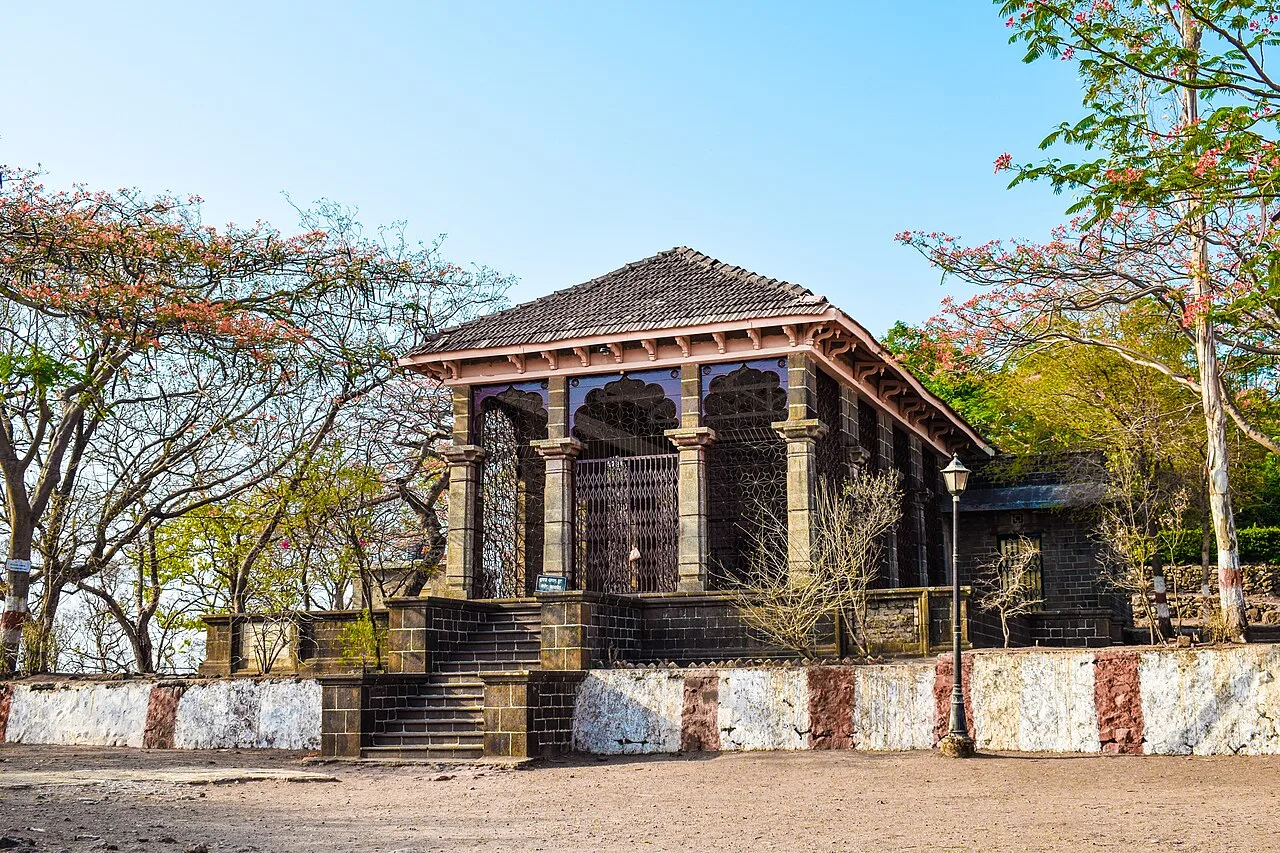
Shaniwar Wada

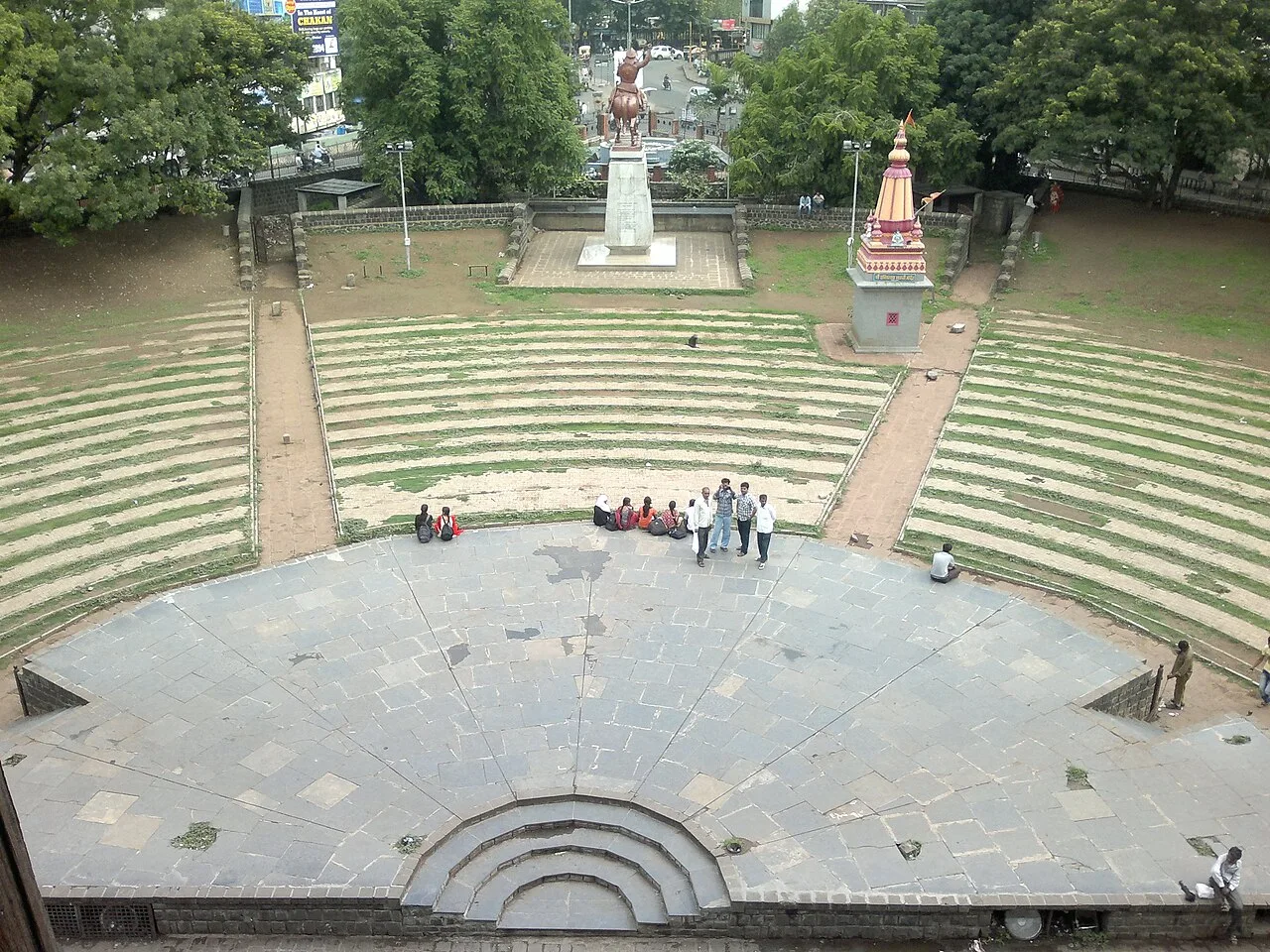
Shaniwar Wada is a historic fortification in Pune, linked to the Peshwas and the Maratha Confederacy. Visitors come to see the structures that remain after a major fire.

Raja Dinkar Kelkar Museum

40 km away · Pune district

Raja Dinkar Kelkar Museum

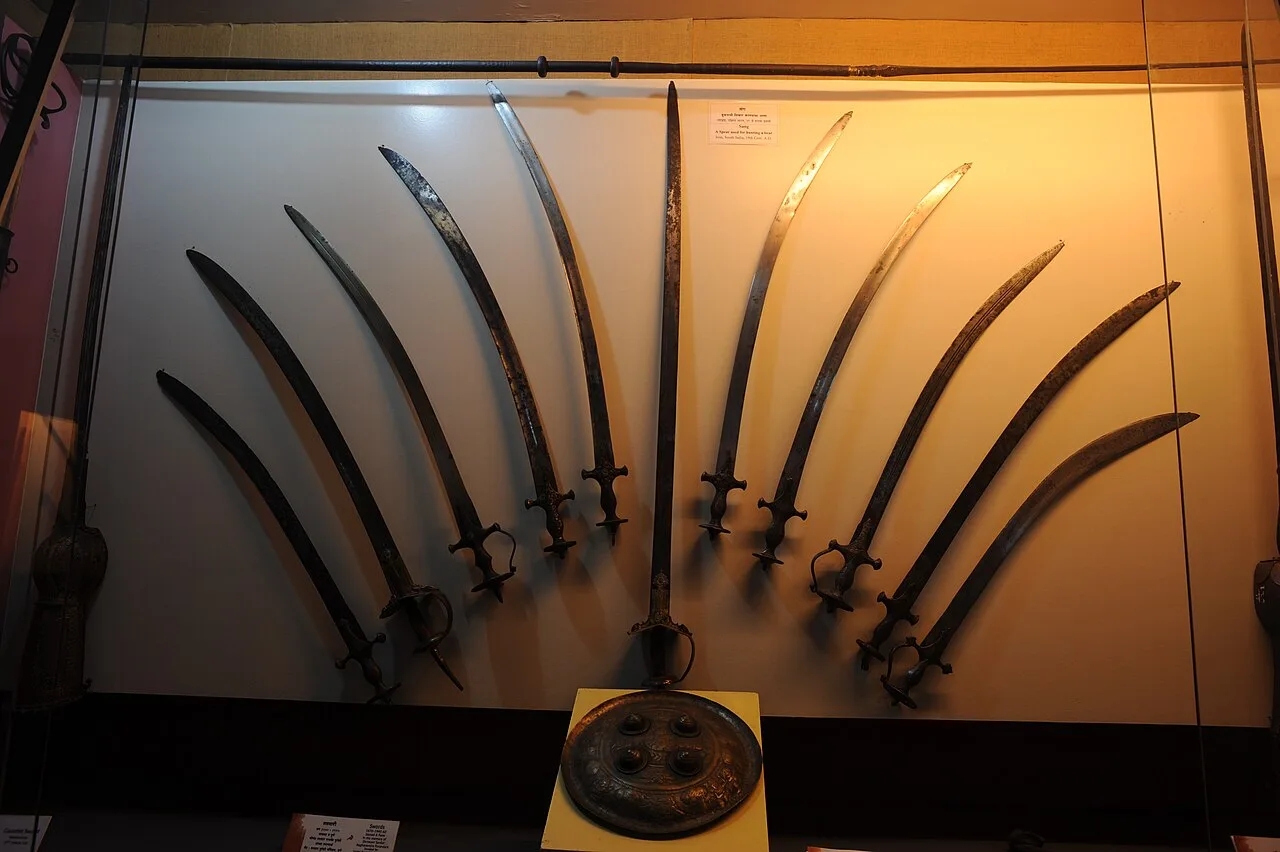
In Pune, Maharashtra, Raja Dinkar Kelkar Museum displays Dr. Dinkar G. Kelkar’s collection, attracting visitors interested in sculptures, musical instruments, ornaments, war weapons and vessels.

Lenyadri

42 km away · Pune district

Lenyadri

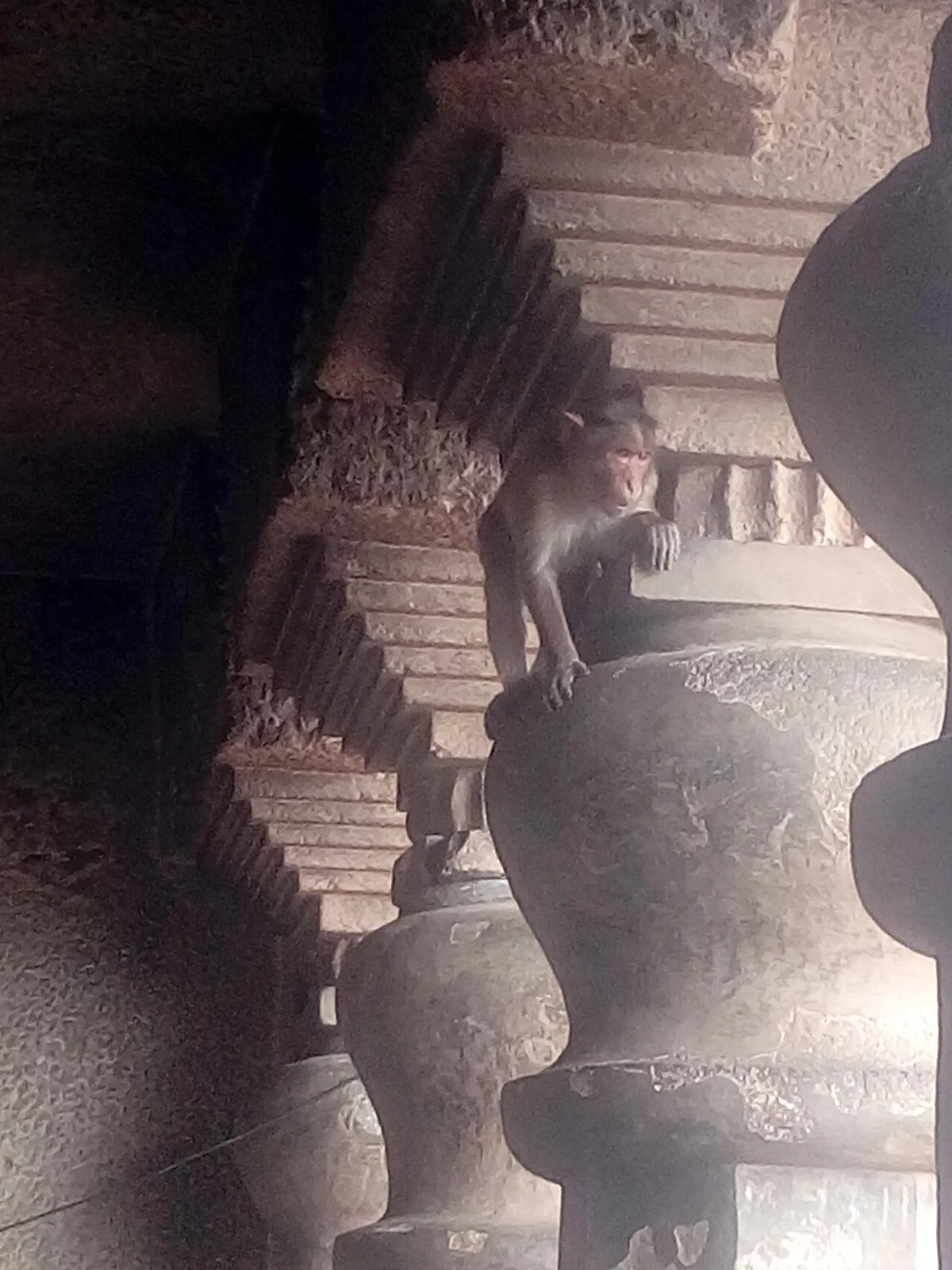
Lenyadri is a group of Buddhist caves near Junnar, Maharashtra, some later adapted for Hindu worship. Visitors come to see the cave complex and its Ganesha shrine, part of the Ashtavinayak.

Bhimashankar Temple

45 km away · Pune district

Bhimashankar Temple

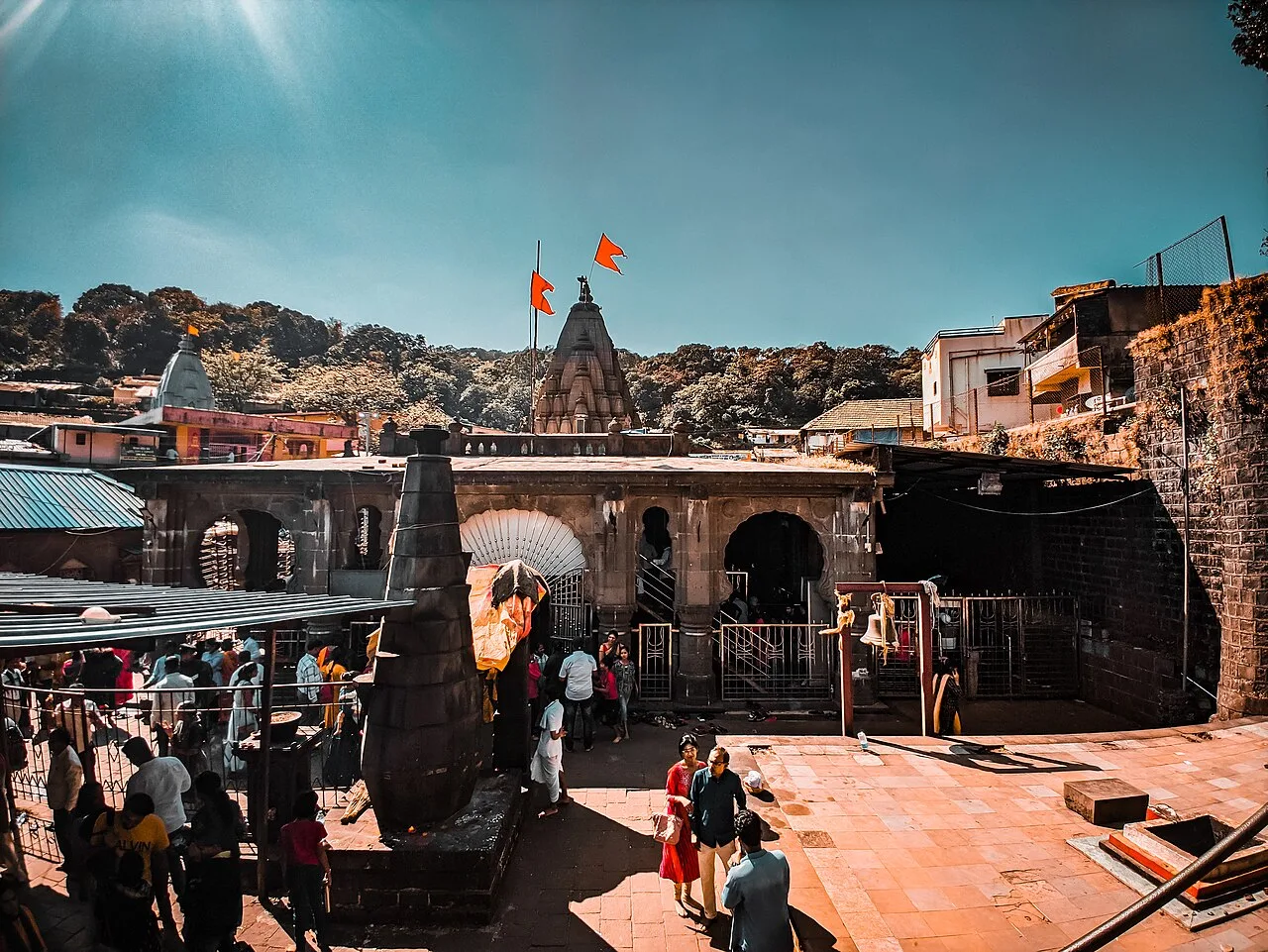
In Pune district, Maharashtra, Bhimashankar Temple is a Shiva shrine and one of the twelve Jyotirlinga sites, attracting pilgrims to its mountain location.

Karla Caves

46 km away · Pune district

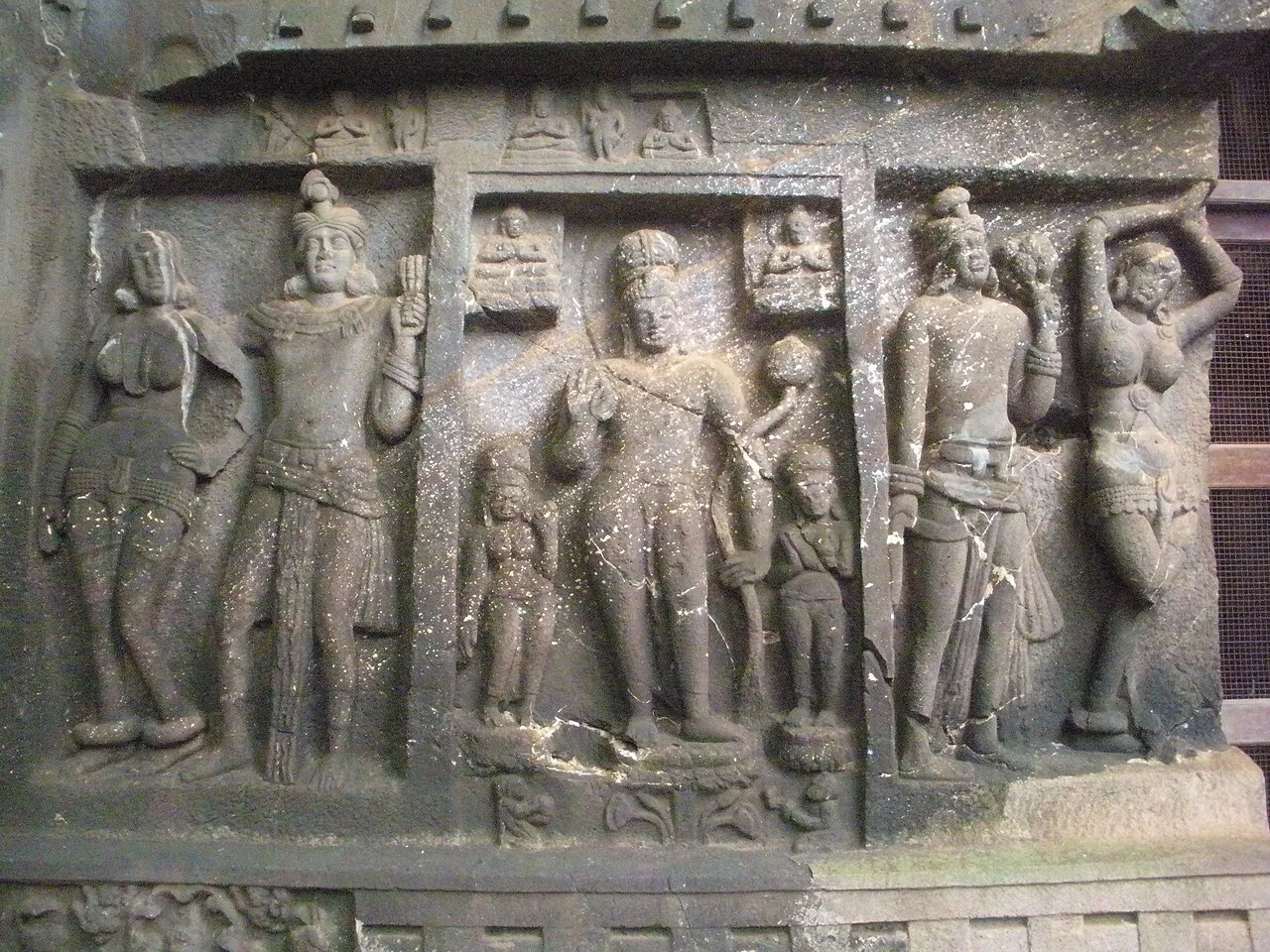
Karla Caves

Karla Caves is an ancient Buddhist cave complex near Lonavala in Maharashtra. Visitors come to see its Grand Chaitya, notable for its scale and surviving sculpture.

Map

Rajgurunagar on the map

  1. 1Aga Khan Palace
  2. 2Shivneri Fort
  3. 3Dagadusheth Halwai Ganapati Temple
  4. 4Shaniwar Wada
  5. 5Raja Dinkar Kelkar Museum
  6. 6Lenyadri
  7. 7Bhimashankar Temple
  8. 8Karla Caves

Maharashtra

Other cities to explore