Ghumoopedia — Explore, Discover, Experience
Sign in

City guide · Maharashtra

Nandurbar

Nandurbar is the administrative headquarters of Maharashtra’s north-western Nandurbar district, a border region shaped by its connections with Gujarat, Madhya Pradesh and the wider Khandesh area. The city is a practical centre for government services, trade and transport, and a starting point for exploring the district’s tribal communities and varied landscapes.

Famous for

  • Tribal heritage
  • Shirish Kumar memorial
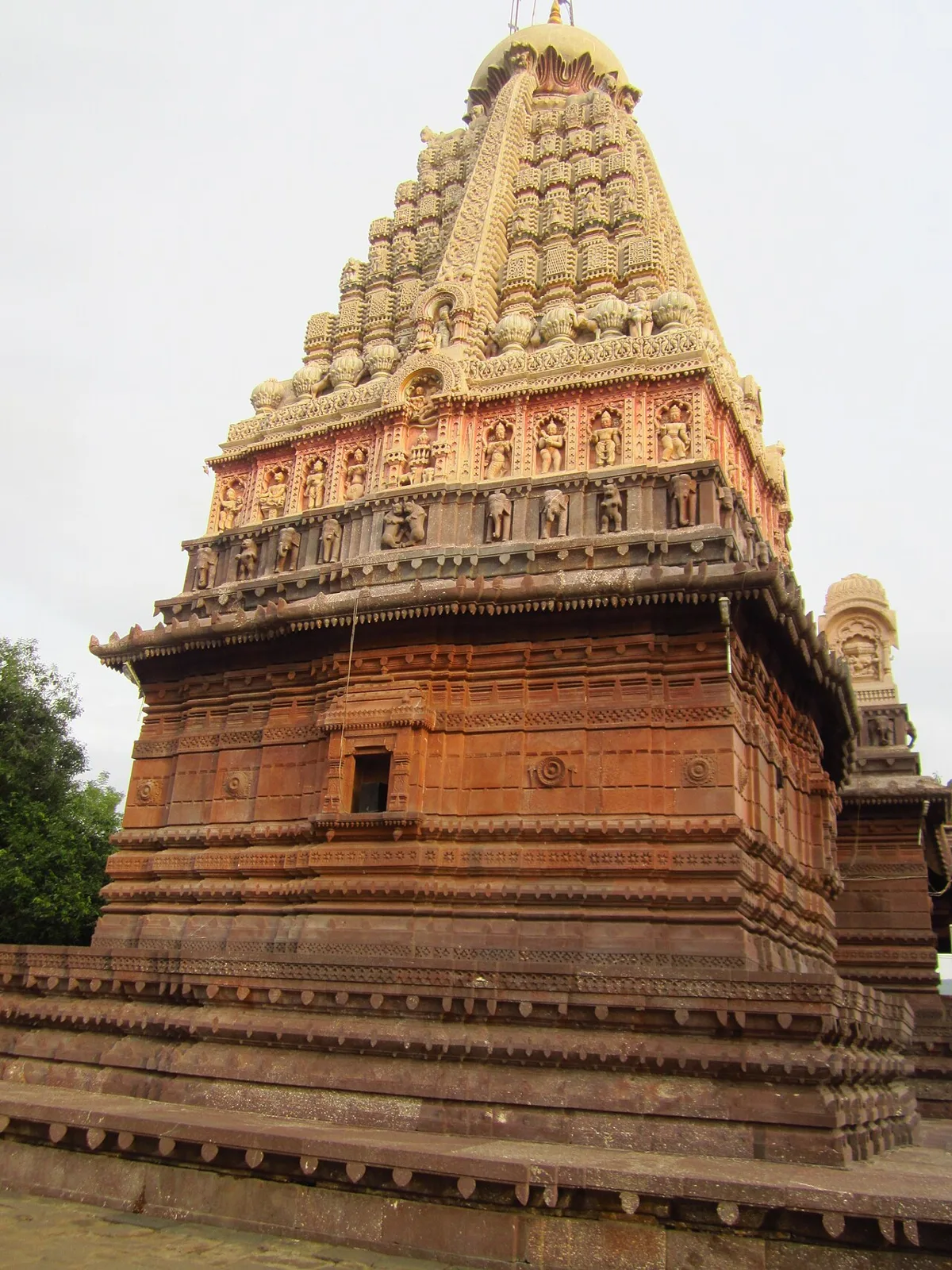
  • Dandapaneshwar Ganpati Temple
  • Nandurbar railway station
  • Toranmal hill station

Why Nandurbar matters

Nandurbar is the administrative headquarters of Maharashtra’s north-western Nandurbar district, a border region shaped by its connections with Gujarat, Madhya Pradesh and the wider Khandesh area. The city is a practical centre for government services, trade and transport, and a starting point for exploring the district’s tribal communities and varied landscapes. Marathi is widely used, alongside several regional and tribal languages.

Visitors come for the city’s local temples and markets, as well as its place in the story of India’s freedom movement. The Shirish Kumar memorial recalls the young student killed during a 1942 protest against British rule. Nandurbar also makes a base for trips towards Toranmal, a hill station in the district, and the region around the Narmada. The Tapi flows nearby, while the Narmada forms part of the district’s northern boundary. Nandurbar is not a large resort town; its appeal lies in its regional character, historical associations and access to a less-visited part of Maharashtra.
Famous for: crafts, trade & products

Nandurbar is better known as a district headquarters and regional trading centre than as a major textile or handicraft hub. There is no widely established city-specific saree, craft or GI-tagged product to seek out. The town’s shops and markets serve residents from surrounding rural and tribal areas, with everyday goods and locally traded farm produce among the main offerings. For a sense of this commerce, explore the central market streets and ask locally about market days and seasonal produce.

The district’s farming and border location shape the goods found in town, but particular crops and availability vary by season. Small shops are the most practical places to look for regional snacks and household products; larger retail needs are also met in the town centre. Nandurbar’s notable institutions are civic and historical rather than manufacturing attractions: district offices, the railway station and sites associated with the 1942 freedom movement give the city much of its public identity. For visitors hoping to buy a specific craft or textile, it is sensible to check locally rather than assume it is a signature product of Nandurbar.

History

Nandurbar’s history is closely linked to the changing boundaries of Khandesh. The region was part of Khandesh district before the British administration divided it in 1906 into East and West Khandesh. After independence, it formed part of Bombay State from 1956 until Maharashtra was created in 1960. The area later remained within Dhule district, with Dhule as its administrative centre.

The town is remembered for an episode of the 1942 Quit India movement. During a student procession carrying the Indian flag, British police opened fire, killing schoolboy Shirish Kumar. A memorial in the city keeps this event in public memory.

On 1 July 1998, Dhule district was divided and Nandurbar became a separate district, with Nandurbar city as its headquarters. Its role has since centred on district administration, transport and services for a largely rural region. Rail and road connections have helped maintain its importance as a link between northern Maharashtra and neighbouring states.

Food, festivals & culture

Nandurbar’s cultural life reflects the mix of Khandeshi, Marathi and tribal traditions found across the district. Marathi is common in town; Bhili, Pawari, Ahirani, Gujarati and Hindi are also heard in the wider region. Food varies between households, but meals may include bhakri with pithla or other spicy curries, along with dishes made from locally available grains and vegetables. Sweets such as puran poli are associated with festive meals, though the city is not especially known for a signature dessert.

Holi, usually celebrated in March, is an important season for gatherings. In tribal parts of the district, the Bhagoria fair and festival is held in the days leading up to Holi, with local music, dance and community celebration. Dates vary each year. Ganesh festivities and other Hindu observances are also marked in town. Dandapaneshwar Ganpati Temple is a local place of worship, while the Shirish Kumar memorial offers a quieter point of reflection. Music and dance traditions differ between communities, and visitors should be respectful when attending local gatherings or ceremonies.

Visiting the city

The cooler months, roughly October to February, are generally the most comfortable for visiting Nandurbar. Summer can be very hot, while the monsoon brings greener scenery but may make some journeys in the district slower. Surat Airport in Gujarat is a practical nearby airport; check current flight options and onward road connections before travelling. Nandurbar railway station is the town’s main rail stop.

Auto-rickshaws and local buses are useful for getting around town, while state transport buses and hired vehicles can connect visitors with places farther afield. Explore the central market area, Dandapaneshwar Ganpati Temple and the Shirish Kumar memorial for a short city visit. Nandurbar can also serve as a base for a trip to Toranmal, about 75 km away, though that journey needs separate planning. Ask locally about road conditions and transport availability, especially during the monsoon.

Trips from the city

Nearest places to visit from Nandurbar

Our closest destination guides, by straight-line distance.

Saptashrungi

114 km away · Nashik district

Saptashrungi

Saptashrungi is a Hindu pilgrimage destination in Maharashtra, where the goddess is believed to dwell among seven peaks. Devotees visit its temple, which holds an important place in Shakti Peetha traditions.

Kalaram Temple

158 km away · Nashik district

Kalaram Temple

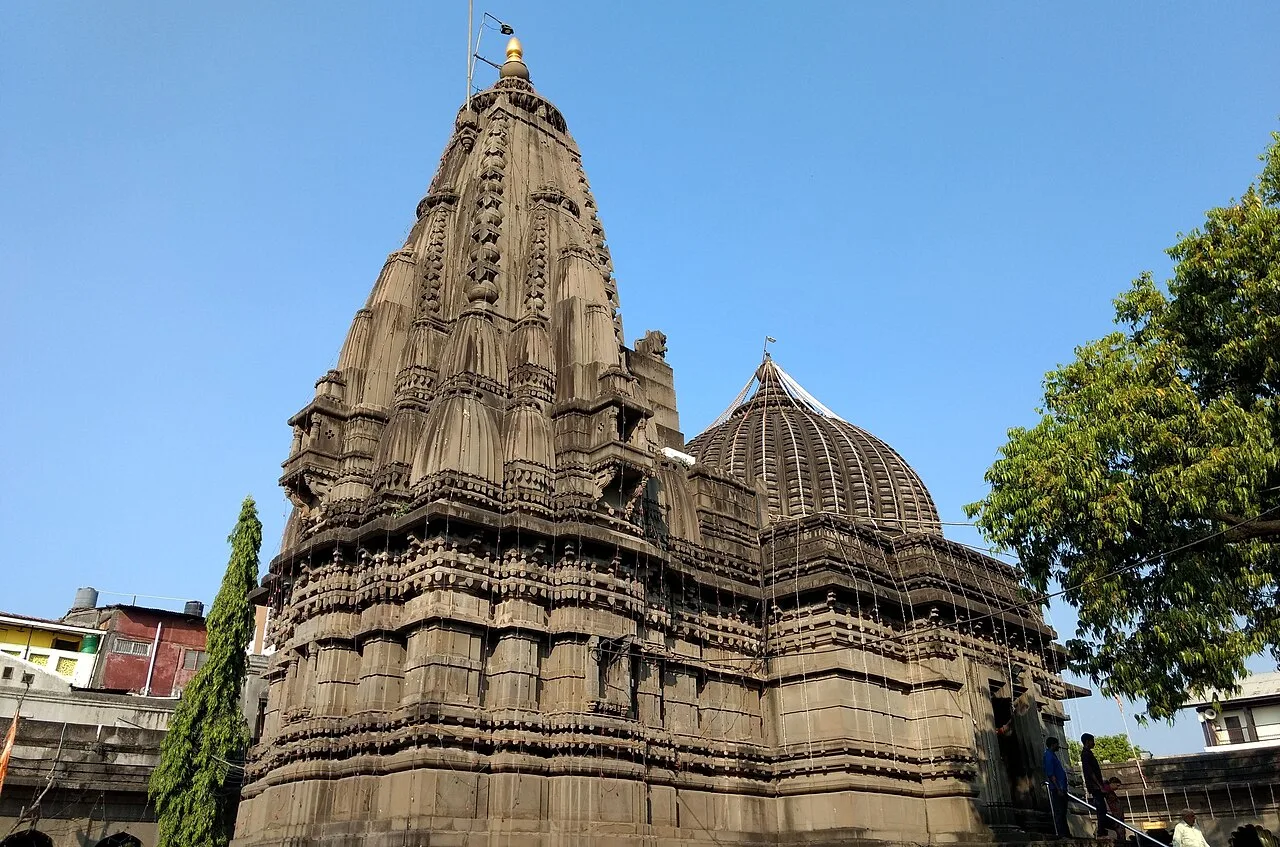
Kalaram Temple is a Hindu shrine in Nashik, Maharashtra, devoted to Rama. Visitors come to worship at the temple, whose inner sanctuary also contains images of Sita and Lakshmana.

Pandavleni Caves

167 km away · Nashik district

Pandavleni Caves

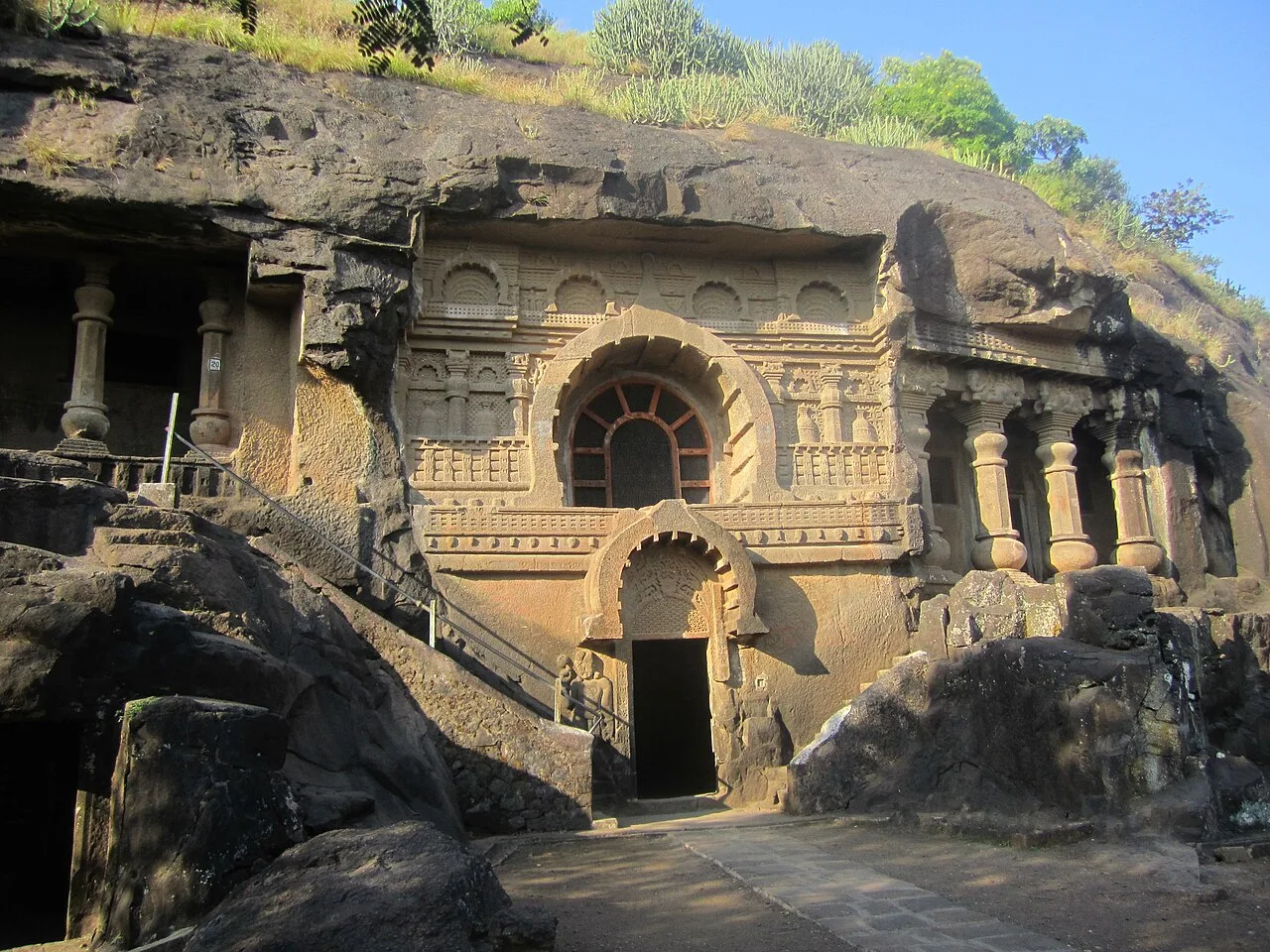
Pandavleni, also called the Trirashmi and Nashik Caves, is a Buddhist and Jain complex near Nashik, drawing visitors to its religious chambers and distinctive cave architecture.

Trimbakeshwar Temple

176 km away · Nashik district

Trimbakeshwar Temple

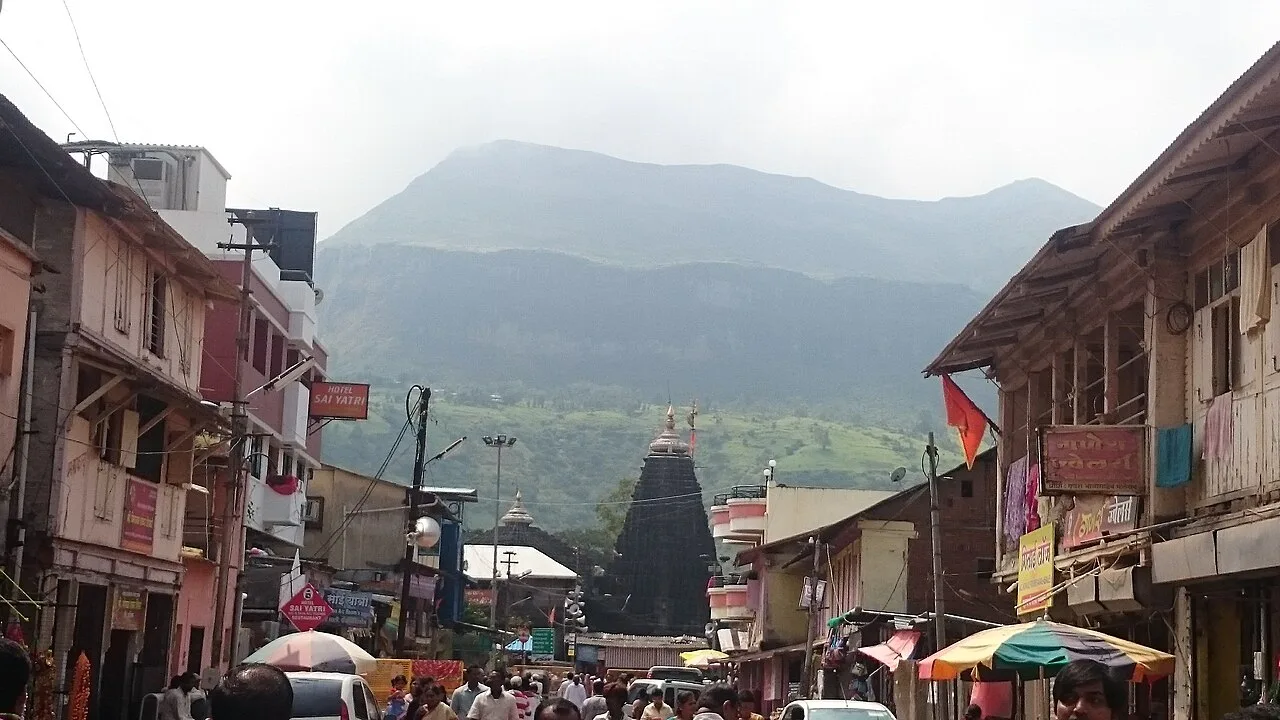
Trimbakeshwar Temple is a Shiva shrine in Maharashtra’s Nashik district and one of the twelve jyotirlingas. Visitors come to worship, perform Hindu rites and connect with the Godavari’s beginnings.

Ajanta Caves

177 km away · Chhatrapati Sambhajinagar district

Ajanta Caves

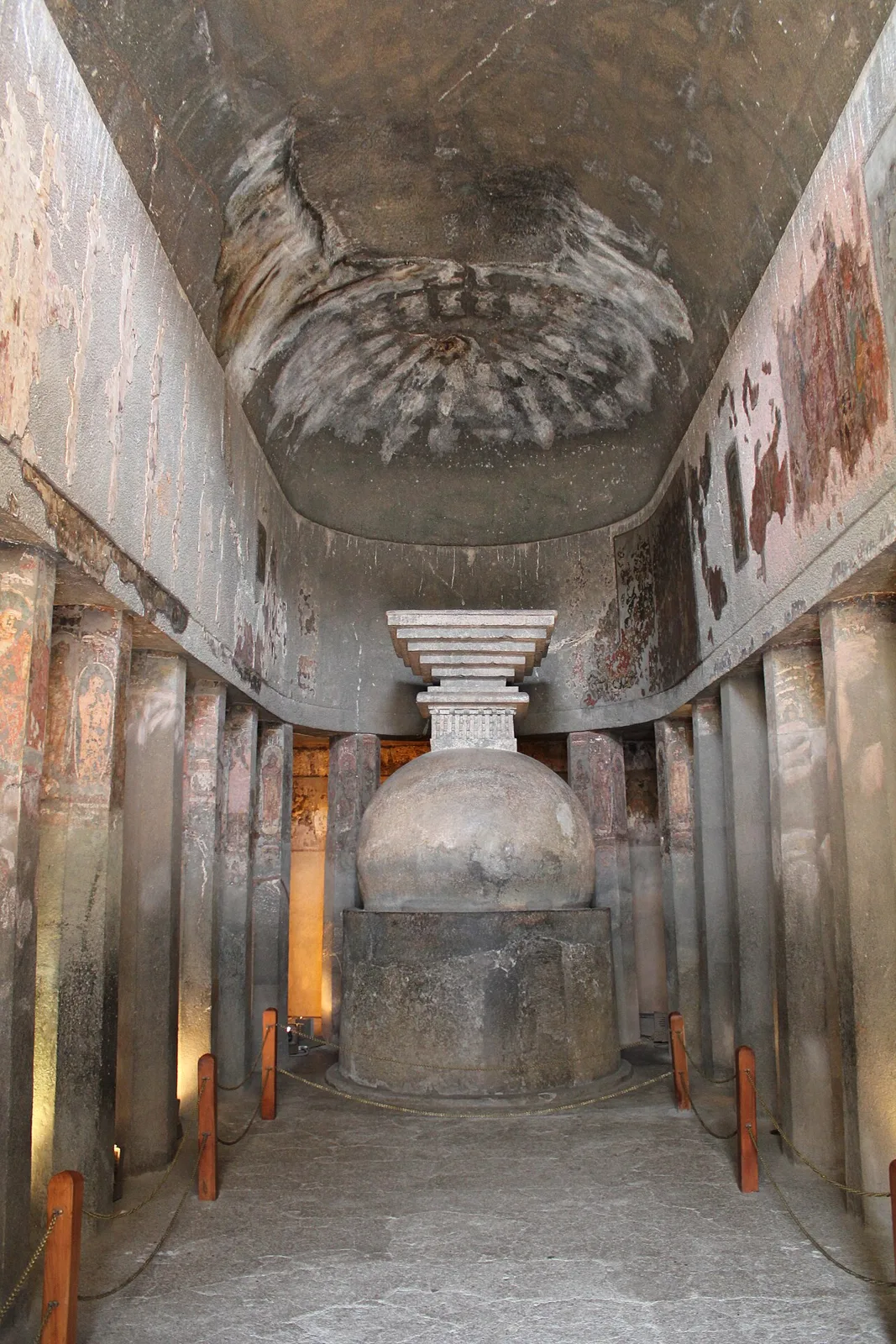
Ajanta is a group of 30 Buddhist caves in Maharashtra, known for its ancient paintings, sculptures and religious architecture. Visitors come to explore the site’s artistic and monastic heritage.

Ellora Caves

178 km away · Chhatrapati Sambhajinagar district

Ellora Caves

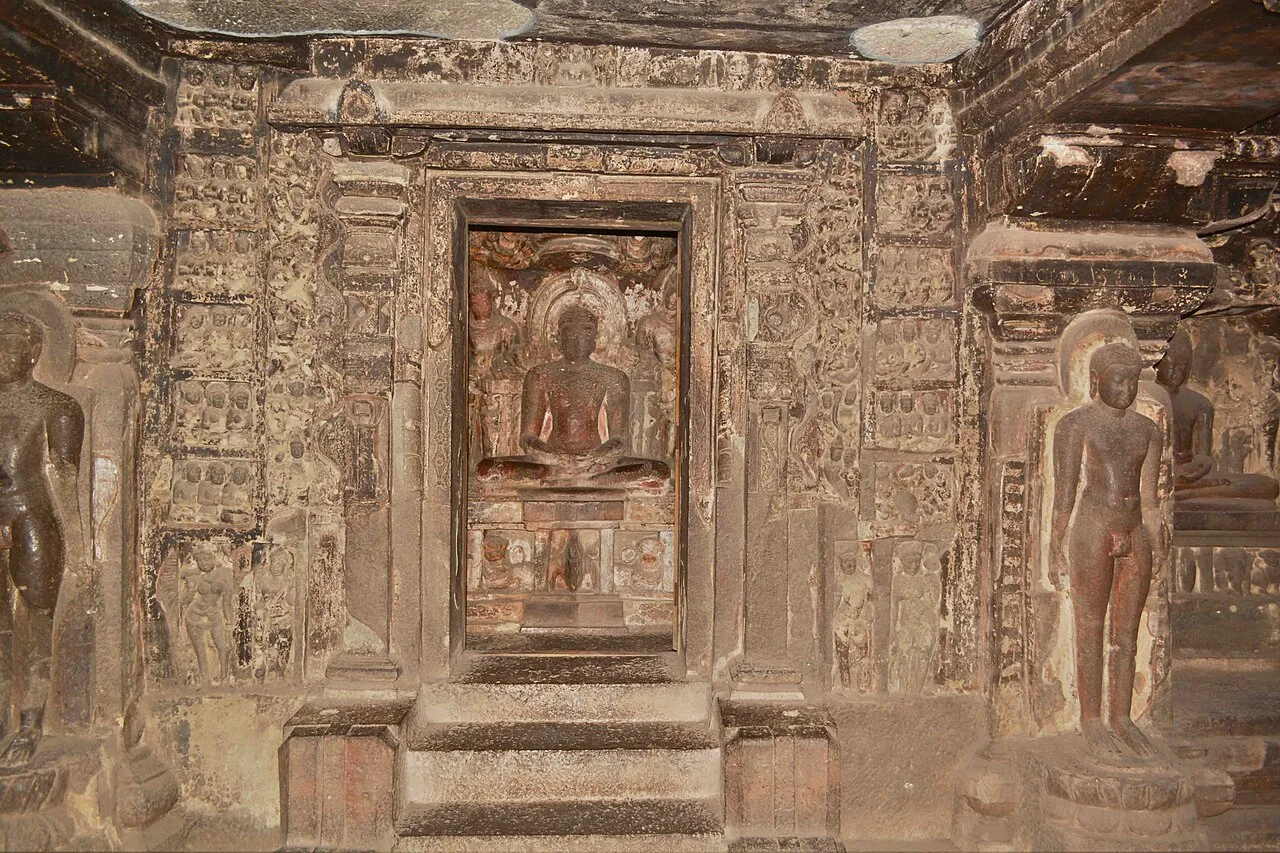
Ellora, in Maharashtra’s Chhatrapati Sambhajinagar district, is a UNESCO World Heritage Site. Visitors explore its Hindu, Buddhist and Jain monuments, including the remarkable Kailash temple carved from rock.

Ghrishneshwar Temple

178 km away · Chhatrapati Sambhajinagar district

Ghrishneshwar Temple

Ghrishneshwar Temple is a Shiva shrine in Verul, Maharashtra, and one of the twelve Jyotirlingas. Visitors come to worship Shiva at this nationally protected temple.

Shirdi Sai Baba Temple

179 km away · Ahilyanagar district

Shirdi Sai Baba Temple

The Shirdi Sai Baba Temple is a pilgrimage destination in Maharashtra, visited because of its association with Sai Baba, the nineteenth-century Indian saint closely connected with the town.

Map

Nandurbar on the map

  1. 1Saptashrungi
  2. 2Kalaram Temple
  3. 3Pandavleni Caves
  4. 4Trimbakeshwar Temple
  5. 5Ajanta Caves
  6. 6Ellora Caves
  7. 7Ghrishneshwar Temple
  8. 8Shirdi Sai Baba Temple

Maharashtra

Other cities to explore