Ghumoopedia — Explore, Discover, Experience
Sign in
Shirdi Sai Baba Temple, near Serampore

City guide · Maharashtra

Serampore

Known locally as Shrirampur, and also written Srirampur, this city is an important market and administrative centre in Ahmednagar district, Maharashtra. It serves as the headquarters of Shrirampur taluka and connects nearby farming communities with trade, transport, education and public services.

Famous for

  • Sugarcane and sugar industry
  • Agricultural produce markets
  • Shrirampur railway station
  • Taluka administrative centre
  • Gateway to the Shirdi region

Why Serampore matters

Known locally as Shrirampur, and also written Srirampur, this city is an important market and administrative centre in Ahmednagar district, Maharashtra. It serves as the headquarters of Shrirampur taluka and connects nearby farming communities with trade, transport, education and public services. Its economy is closely linked to the agricultural landscape of the district, particularly sugarcane cultivation and sugar processing, alongside the trade of other farm produce.

Shrirampur is not a major sightseeing destination in itself, but it can be a useful stop for travellers exploring rural Ahmednagar district or travelling between regional towns. Its railway station and road links support that role. Visitors may also use the city as a practical base for journeys towards Shirdi and other pilgrimage places in the wider region. The name can be confused with Serampore in West Bengal; this page concerns the Maharashtra city, not the historic Hooghly riverside town. Shrirampur’s appeal lies mainly in its everyday market-town character and its position within an agricultural and pilgrimage-oriented region.
Famous for: crafts, trade & products

Shrirampur is best known locally for agriculture-linked commerce rather than for a distinctive textile, handicraft or GI-tagged product. Sugarcane is central to the surrounding economy, and sugar processing has helped shape the area’s trade and employment. Markets in and around the city serve farmers and residents, handling agricultural goods and everyday supplies. The range of produce changes with the season and local harvests, so the town is better understood as a regional trading centre than as a specialist shopping destination.

Visitors can get a feel for this role in the central market streets and shops, where groceries, household goods and farm-related trade sit alongside everyday services. The city and its surroundings also have educational and administrative institutions that serve the taluka. There is no widely recognised craft district or major visitor-facing artisan market to seek out, and shoppers should not expect a single signature souvenir. For locally made or seasonal goods, browsing the bazaar and asking shopkeepers about current produce is more useful than looking for a dedicated tourist market.

History

Shrirampur’s development reflects the longer history of the Ahmednagar region, which passed through periods of Deccan sultanate, Mughal and Maratha rule before coming under British administration. The town’s modern growth was shaped less by monumental royal architecture than by its role as a local centre for administration, transport and agricultural exchange.

Rail connections and the expansion of farming and market activity strengthened links between the town and surrounding settlements. In the twentieth century, irrigation, sugarcane cultivation and sugar processing became important influences on the economy of this part of Ahmednagar district. Cooperative activity and agricultural institutions also contributed to the region’s development. Shrirampur grew as a taluka headquarters, drawing people for services, education and trade. Today, its identity remains closely tied to these practical functions, while road and rail connections link it with other towns and pilgrimage destinations across the district.

Food, festivals & culture

Marathi is the principal language of daily life in Shrirampur; Hindi and Urdu are also heard. Food reflects the wider central Maharashtra region, with meals often built around bhakri or other breads, vegetables, lentils and dishes such as pithla. Misal and poha are familiar choices for a quick meal, while sweets such as puran poli are associated with festive occasions. Local menus vary, and the city is not especially known for one signature dish.

Ganesh Chaturthi, usually celebrated in the monsoon season, brings household and community worship; Diwali in autumn and Gudi Padwa in spring are also important. Navratri and other Hindu observances are marked alongside Muslim festivals in the city’s diverse communities. Temples, mosques and neighbourhood shrines serve as everyday places of worship, while music and devotional singing feature in festivals and religious gatherings. Folk and popular Marathi music are part of local celebrations, though Shrirampur is not widely known as a distinct centre for a particular dance form.

Visiting the city

The cooler, drier months from roughly November to February are generally the most comfortable time to visit; summer can be hot, and monsoon travel may bring rain. Shirdi Airport, near Kakadi, is the closest airport serving the area, while Shrirampur railway station is the main rail stop for the city. Check current transport connections before travelling, as services and routes can change.

Auto-rickshaws, local buses and hired vehicles are useful for getting around. The central bazaar is a good place to see daily town life, while the station area and nearby commercial streets show the city’s role as a transport and market hub. Shrirampur can also work as a base for onward trips towards Shirdi and other regional religious sites. For a quieter visit, explore the town’s neighbourhood streets and local places of worship respectfully.

Trips from the city

Nearest places to visit from Serampore

Our closest destination guides, by straight-line distance.

Shirdi Sai Baba Temple

25 km away · Ahilyanagar district

Shirdi Sai Baba Temple

The Shirdi Sai Baba Temple is a pilgrimage destination in Maharashtra, visited because of its association with Sai Baba, the nineteenth-century Indian saint closely connected with the town.

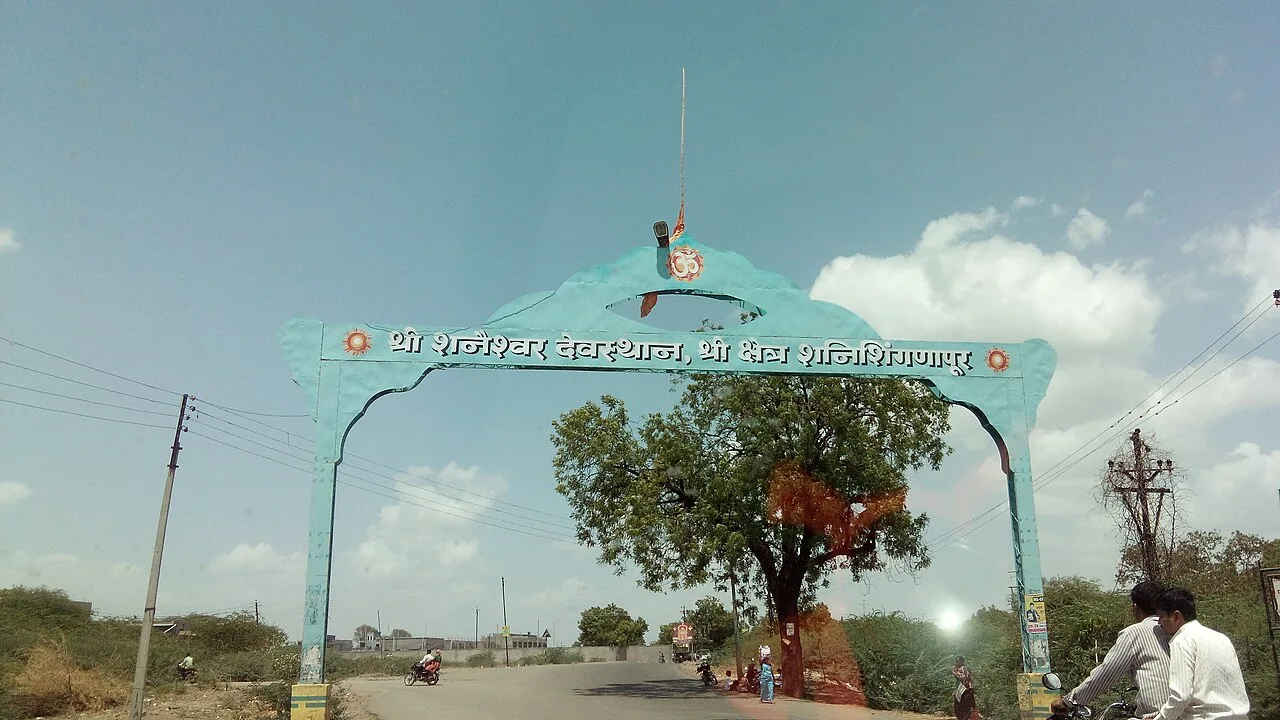
Shani Shingnapur

30 km away · Ahilyanagar district

Shani Shingnapur

In Maharashtra, Shani Shingnapur is a village visited for its temple to Shani, the Hindu deity linked to the graha Saturn.

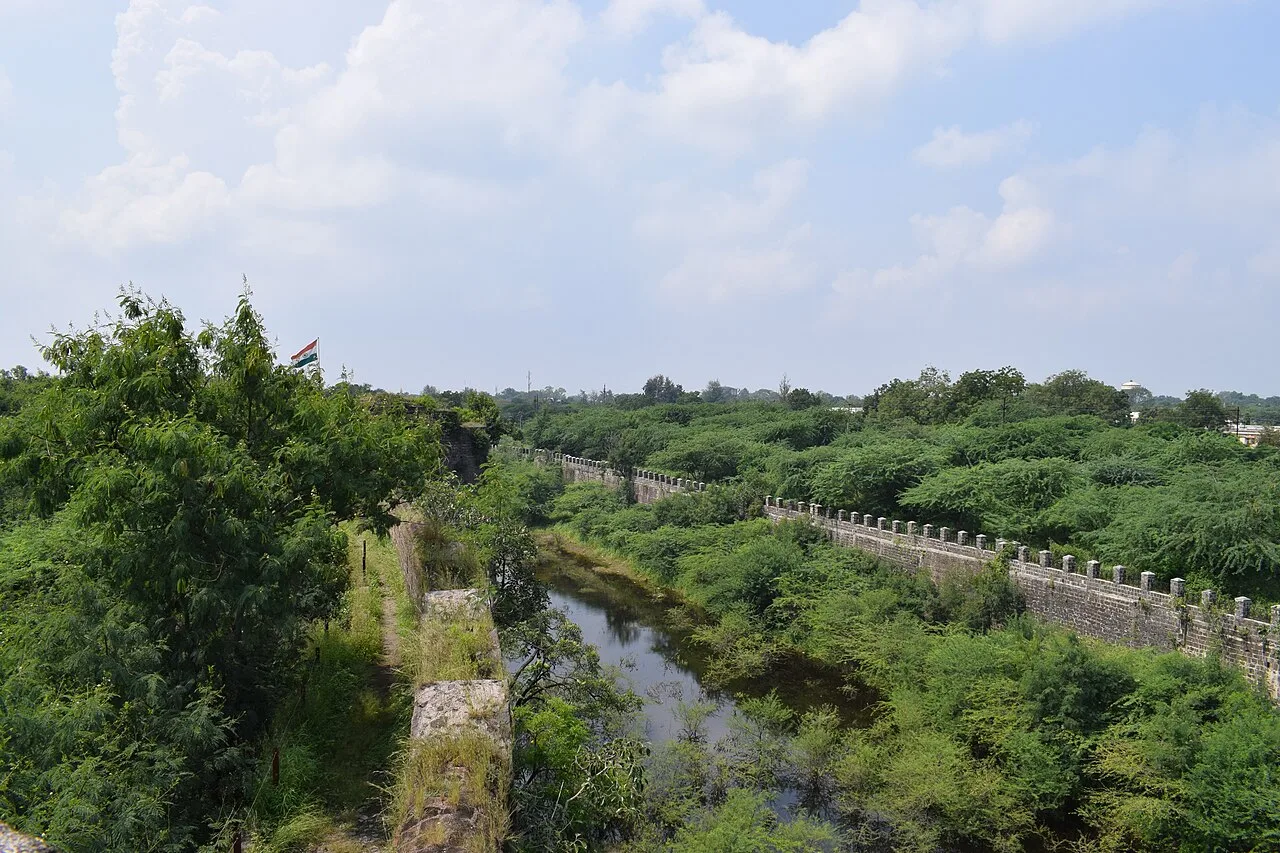
Ahmednagar Fort

60 km away · Ahilyanagar district

Ahmednagar Fort

Ahmednagar Fort, in Maharashtra, is a historic stronghold associated with the Ahmednagar Sultanate, the 1803 Anglo-Maratha conflict and imprisonment under British rule, making it a point of historical interest.

62 km away · Ahilyanagar district

Hiware Bazar

Hiware Bazar is a village in Maharashtra’s Ahmednagar district, known for its irrigation system and water-conservation efforts to tackle drought and drinking-water difficulties.

Daulatabad Fort

68 km away · Chhatrapati Sambhajinagar district

Daulatabad Fort

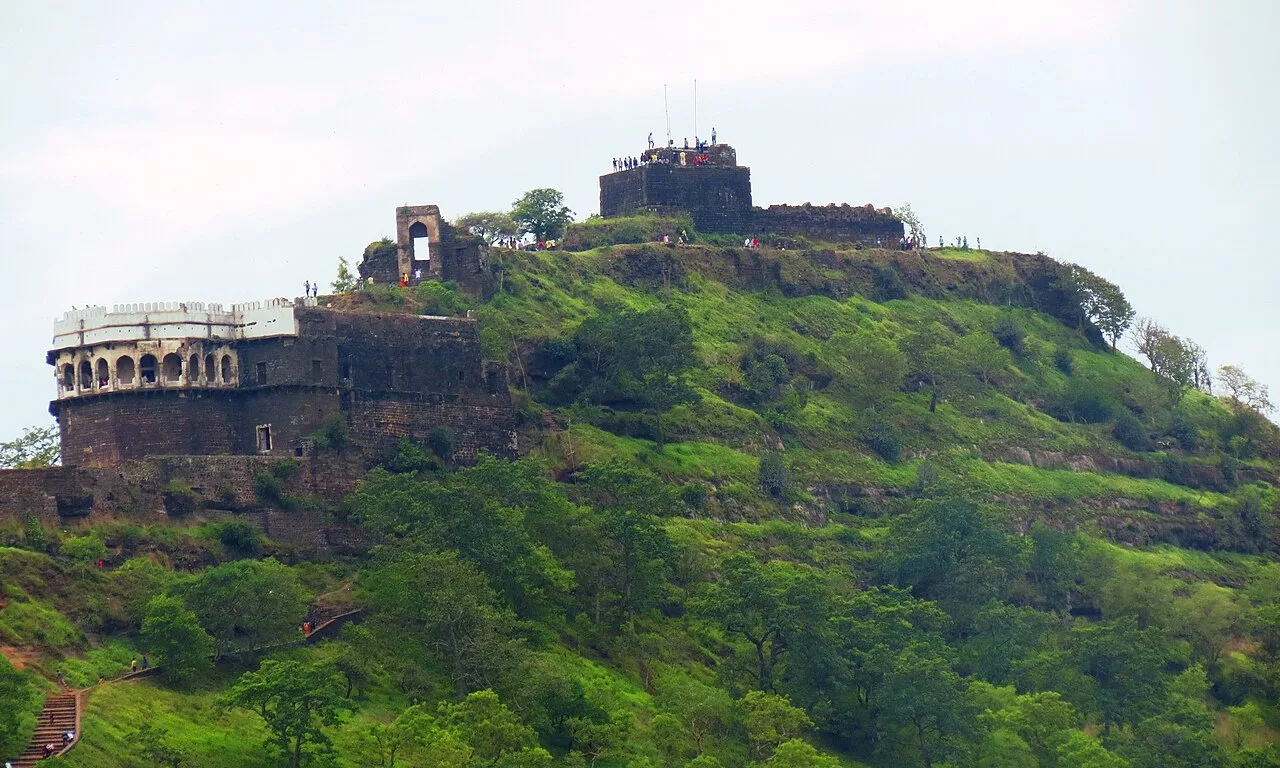
Daulatabad Fort is a historic stronghold in Maharashtra, first known as Devagiri. Visitors explore its history as a Yadava seat, briefly a Delhi Sultanate capital, and later an Ahmadnagar centre.

Ghrishneshwar Temple

70 km away · Chhatrapati Sambhajinagar district

Ghrishneshwar Temple

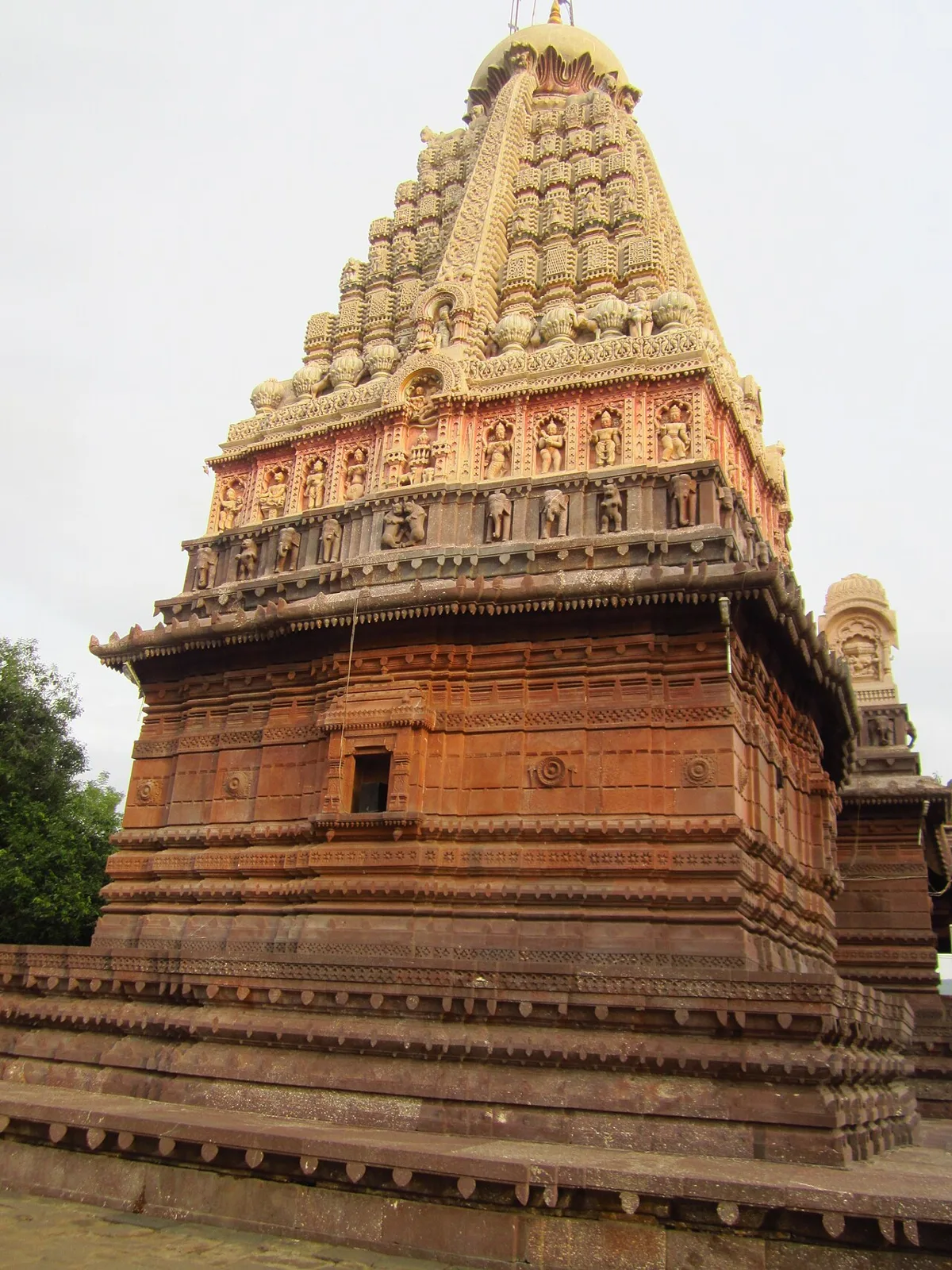
Ghrishneshwar Temple is a Shiva shrine in Verul, Maharashtra, and one of the twelve Jyotirlingas. Visitors come to worship Shiva at this nationally protected temple.

Ellora Caves

71 km away · Chhatrapati Sambhajinagar district

Ellora Caves

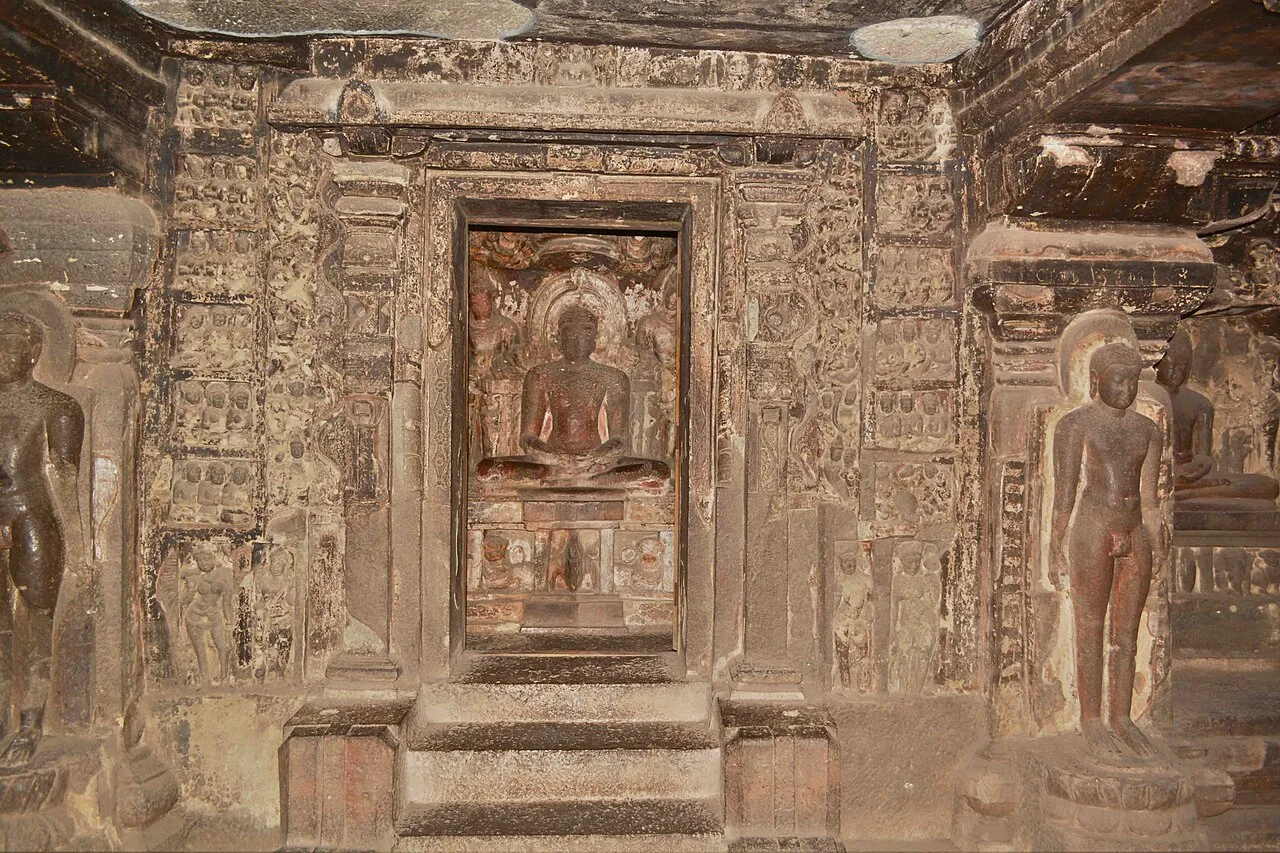
Ellora, in Maharashtra’s Chhatrapati Sambhajinagar district, is a UNESCO World Heritage Site. Visitors explore its Hindu, Buddhist and Jain monuments, including the remarkable Kailash temple carved from rock.

Aurangabad Caves

76 km away · Chhatrapati Sambhajinagar district

Aurangabad Caves

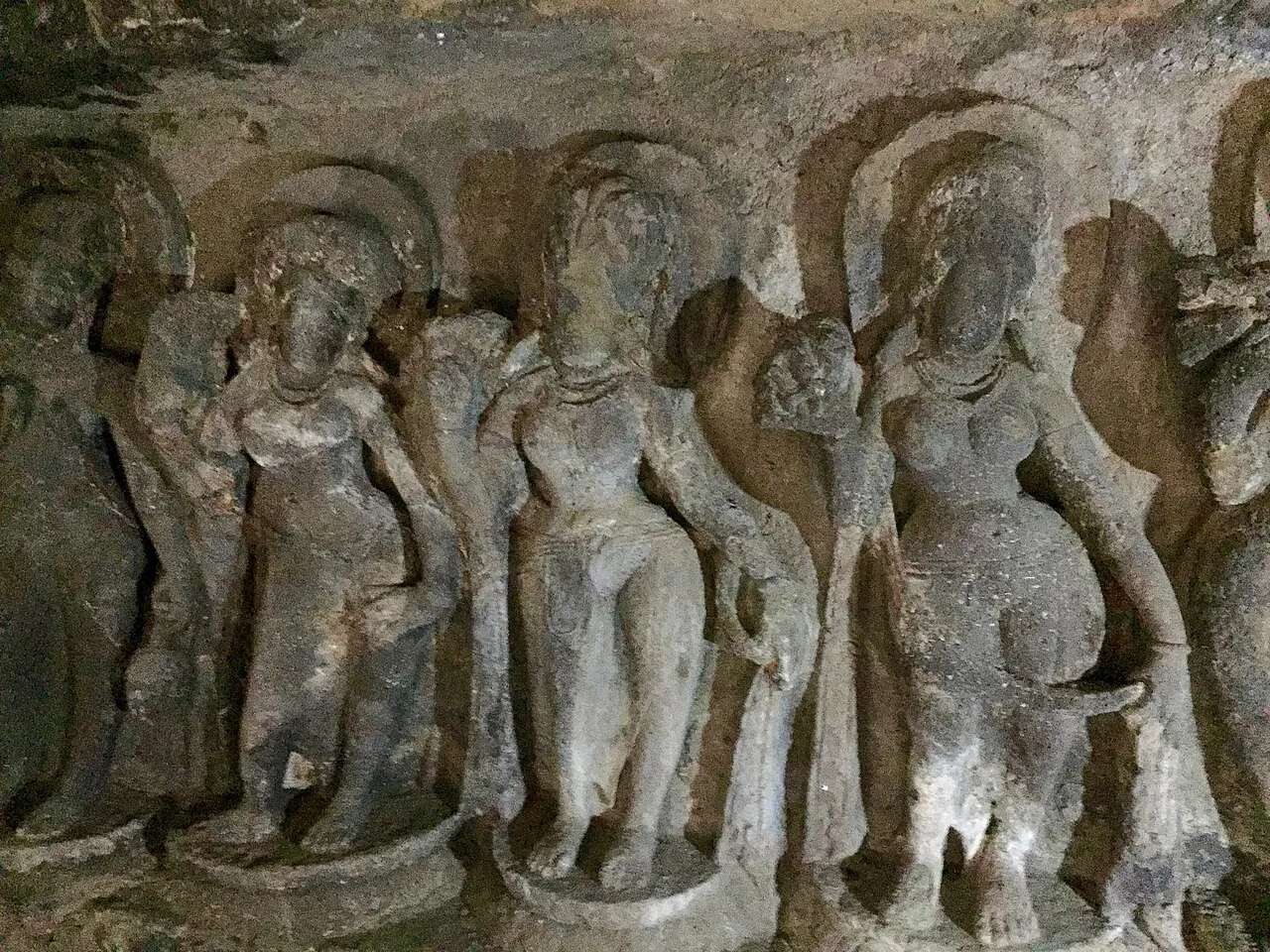
Near Aurangabad in Maharashtra, this hill complex contains twelve Buddhist sanctuaries excavated in basalt. Visitors explore its cave architecture and carvings, which represent several Buddhist traditions and include a range of deities.

Map

Serampore on the map

  1. 1Shirdi Sai Baba Temple
  2. 2Shani Shingnapur
  3. 3Ahmednagar Fort
  4. 4Hiware Bazar
  5. 5Daulatabad Fort
  6. 6Ghrishneshwar Temple
  7. 7Ellora Caves
  8. 8Aurangabad Caves

Maharashtra

Other cities to explore