Ghumoopedia — Explore, Discover, Experience
Sign in
Vithoba Temple, near Mangalvedha

City guide · Maharashtra

Mangalvedha

Mangalvedha, also commonly spelt Mangalwedha, is a town in Solapur district in western Maharashtra. It lies about 55 km from Solapur and 25 km from Pandharpur, serving a largely rural region where farming and local trade shape everyday life.

Famous for

  • Mangalwedha jowar
  • Saint Jayatirtha
  • Jowar bhakri and thecha
  • Huljanti Diwali fair
  • Khomnal Gudi Padwa fair

Why Mangalvedha matters

Mangalvedha, also commonly spelt Mangalwedha, is a town in Solapur district in western Maharashtra. It lies about 55 km from Solapur and 25 km from Pandharpur, serving a largely rural region where farming and local trade shape everyday life. The town is especially associated with jowar: Mangalwedha jowar has a Geographical Indication (GI) tag, giving the regional crop a recognised identity and linking the town’s name with Maharashtra’s agricultural heritage.

Mangalvedha is also called the Land of Saints. It is the birthplace of the Dvaita Vedanta teacher Shri Jayatirtha, also known as Teekacharya, and is associated with several other saints. Visitors come for this spiritual history, local temples and village fairs, as well as the distinctive food made with jowar. Nearby Huljanti and Khomnal draw worshippers for their annual fairs. Together, these religious traditions and the surrounding farming landscape give Mangalvedha a character distinct from the larger district centre.
Famous for: crafts, trade & products

Mangalvedha’s best-known regional product is its jowar, particularly Maldandi jowar. The crop received GI recognition, which protects the name for jowar grown in the region and gives it a distinct place in local agricultural trade. The town and surrounding villages are also associated with bajra, groundnut, sugarcane and sweetcorn. Rather than being a centre for textiles or handicrafts, Mangalvedha is best understood as an agricultural market town, where grain and other farm produce are central to commerce.

Visitors can look for locally grown grain and seasonal produce through shops and traders in town; asking for Mangalwedha jowar helps identify the regionally recognised product. The Maldandi Jowar Vikas Sangh was involved in seeking GI registration. Jowar is also part of the local food culture, most notably as bhakri. In the cooler season, some farms host private hurda gatherings, where tender roasted jowar is eaten with spices and berries. There is no single named craft market or textile district for visitors to seek out; the town’s strongest product identity is its agricultural produce.

History

Mangalvedha’s history is closely connected with the religious traditions of the Deccan. It is recognised as the birthplace of Shri Jayatirtha, the Dvaita Vedanta scholar also called Teekacharya. Saint Damaji, Saint Kanhopatra, Saint Chokhamela and Saint Gopabai are also associated with the town in local accounts, behind its reputation as the Land of Saints.

In the 14th century, the area was ruled by the Bidar Sultanate and later by the Bijapur Sultanate, reflecting the changing powers of the Deccan. Its position among farming settlements helped sustain its identity as a centre for local produce, especially jowar; the traditional epithet Jwariche Kothar refers to its association with the grain. During the colonial era, the wider region was administered within the Bombay Presidency. In modern Maharashtra, Mangalvedha is a taluka town in Solapur district. Agriculture and local trade remain important to its economy, while the GI recognition of its jowar has added a formal distinction to a long-standing regional product.

Food, festivals & culture

Jowar bhakri with thecha is a signature local meal. The thecha is made with coarsely ground green chillies, often accompanied by onion and groundnut chutney. Other familiar foods include gram-flour bhaji, laddus, spicy bhel, pav ragda, vada pav, basundi and puri bhaji. Before the jowar harvest, some farms hold private hurda gatherings: tender grain is roasted and eaten with spices and seasonal berries.

Religious life centres on devotion to saints and village deities. Huljanti is known for Mahalingaraya and Biroba, with a large fair around Diwali in autumn that attracts worshippers from Maharashtra and Karnataka. Khomnal’s fair takes place around Gudi Padwa, usually in spring, and is associated with Kamsiddha and Maykka. Marathi is the main language of the area; Kannada is also familiar in this border region. Bhajan and devotional singing are natural parts of pilgrimage and worship, while fairs bring together local food, religious observance and community gatherings.

Visiting the city

The cooler months, roughly October to February, are generally the most comfortable time to visit. Diwali and Gudi Padwa are especially lively periods for the fairs at Huljanti and Khomnal, though dates follow the Hindu calendar. Solapur Airport is the nearest airport by distance; check current flight connectivity, or consider Pune Airport for a wider choice of services. Pandharpur is a nearer railhead, while Solapur Junction is the larger railway station serving the district.

Within town, local autos and road transport are useful for getting around; arrange transport ahead for village visits. Explore the town’s places of worship and local food and produce shops, then visit Huljanti or Khomnal for their temples and fair traditions. The nearby Pandharpur pilgrimage centre can also be combined with a stay in the area.

Trips from the city

Nearest places to visit from Mangalvedha

Our closest destination guides, by straight-line distance.

Vithoba Temple

22 km away · Solapur district

Vithoba Temple

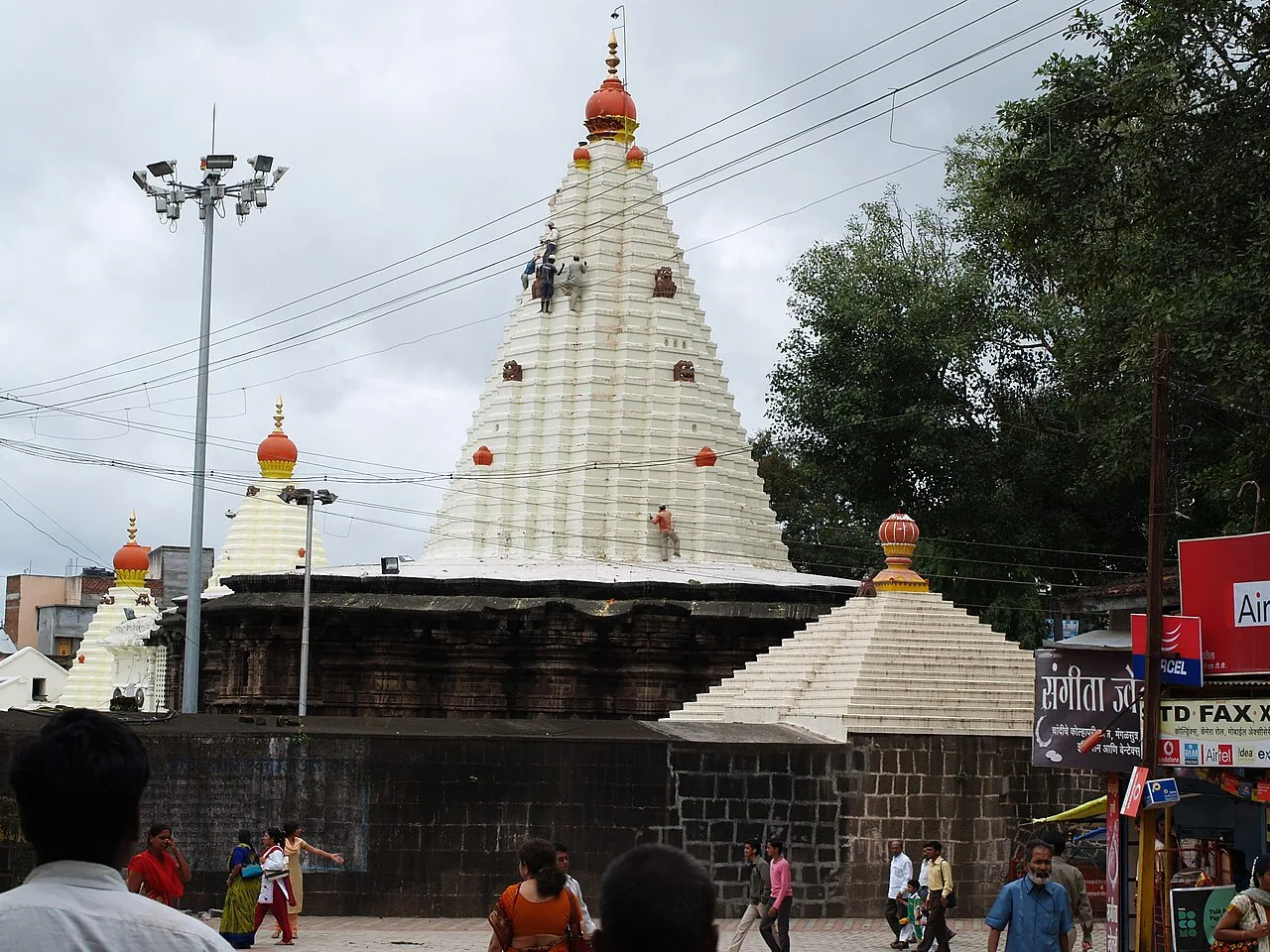
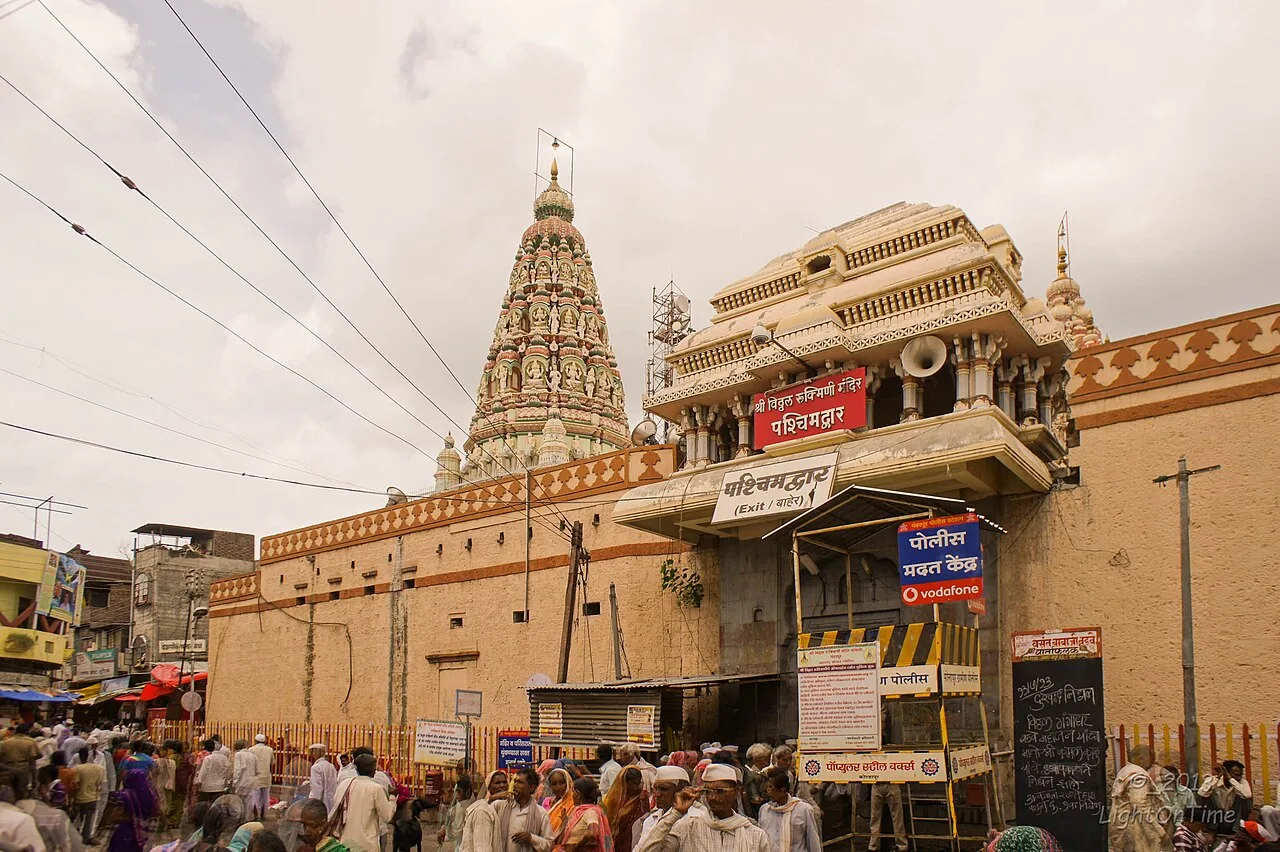
The Vithoba Temple, also called Shri Vitthal-Rukmini Mandir, is a Hindu shrine in Pandharpur, Maharashtra. Devotees visit to worship Vithoba and Rakhumai and join major Warkari pilgrimages.

Tulja Bhavani Temple

91 km away · Dharashiv district

Tulja Bhavani Temple

Tulja Bhavani Temple is a 12th-century shrine to goddess Bhavani in Tuljapur, Maharashtra. It is counted among India’s 51 Shakti Pithas and the state’s four major Shakti shrines.

Jyotiba Temple

157 km away · Kolhapur district

Jyotiba Temple

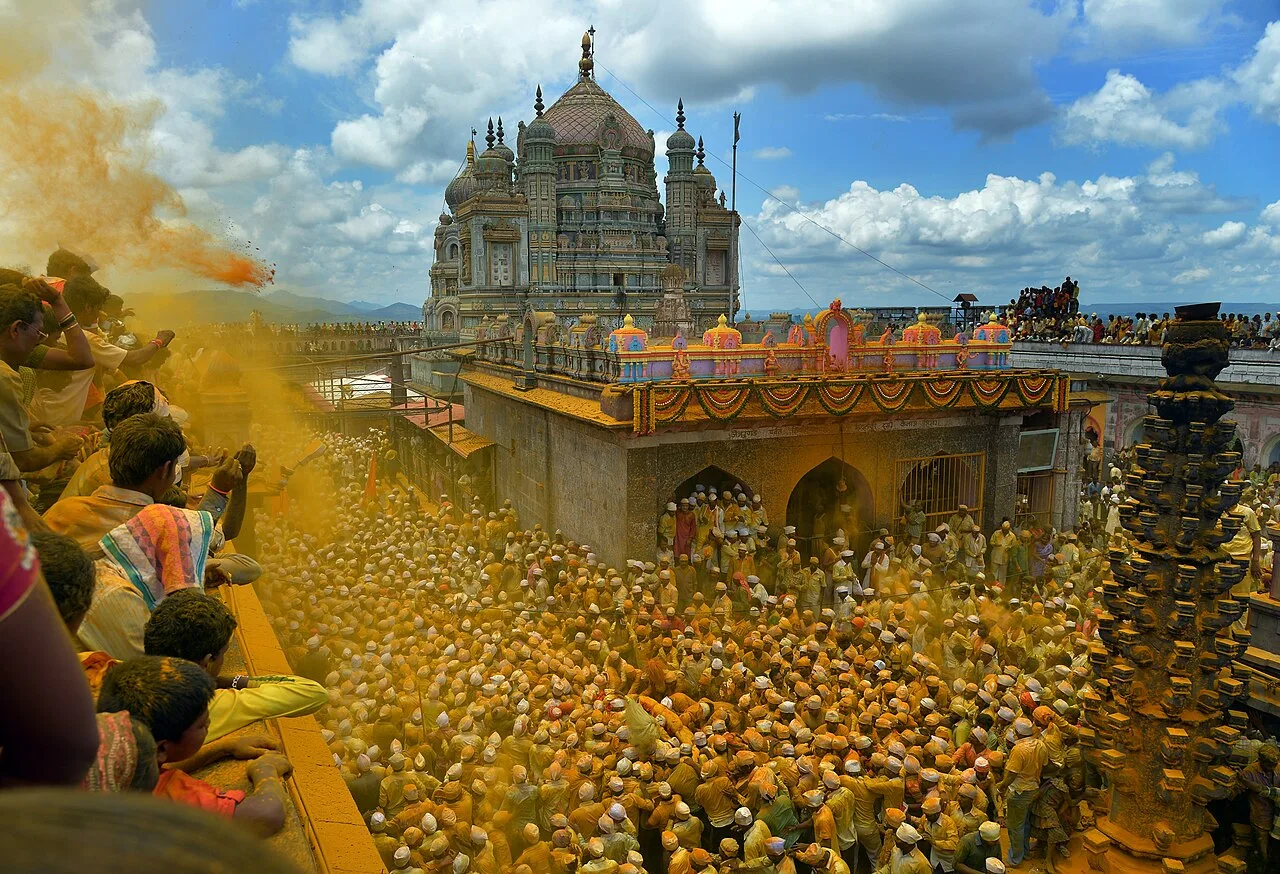
Near Wadi Ratnagiri in Maharashtra’s Kolhapur district, Jyotiba Temple is a Hindu place of worship. People visit the shrine and its annual fair, held at full moon in Chaitra and Vaishakha.

Mahalakshmi Temple, Kolhapur

157 km away · Kolhapur district

Mahalakshmi Temple, Kolhapur

The Mahalakshmi Temple, also called Ambabai Mandir, is a shrine in Kolhapur district, Maharashtra, dedicated to Goddess Mahalakshmi and visited as part of Hindu pilgrimage.

Jejuri

160 km away · Pune district

Jejuri

Jejuri, a city with a municipal council in Pune district, Maharashtra, is known for the Khandoba Mandir, an important Hindu pilgrimage site for communities across the state.

Rankala Lake

160 km away · Kolhapur district

Rankala Lake

Rankala Lake is a freshwater lake in Kolhapur, Maharashtra. Visitors can come to see a lake within the city and spend time beside its waters.

Panhala Fort

162 km away · Kolhapur district

Panhala Fort

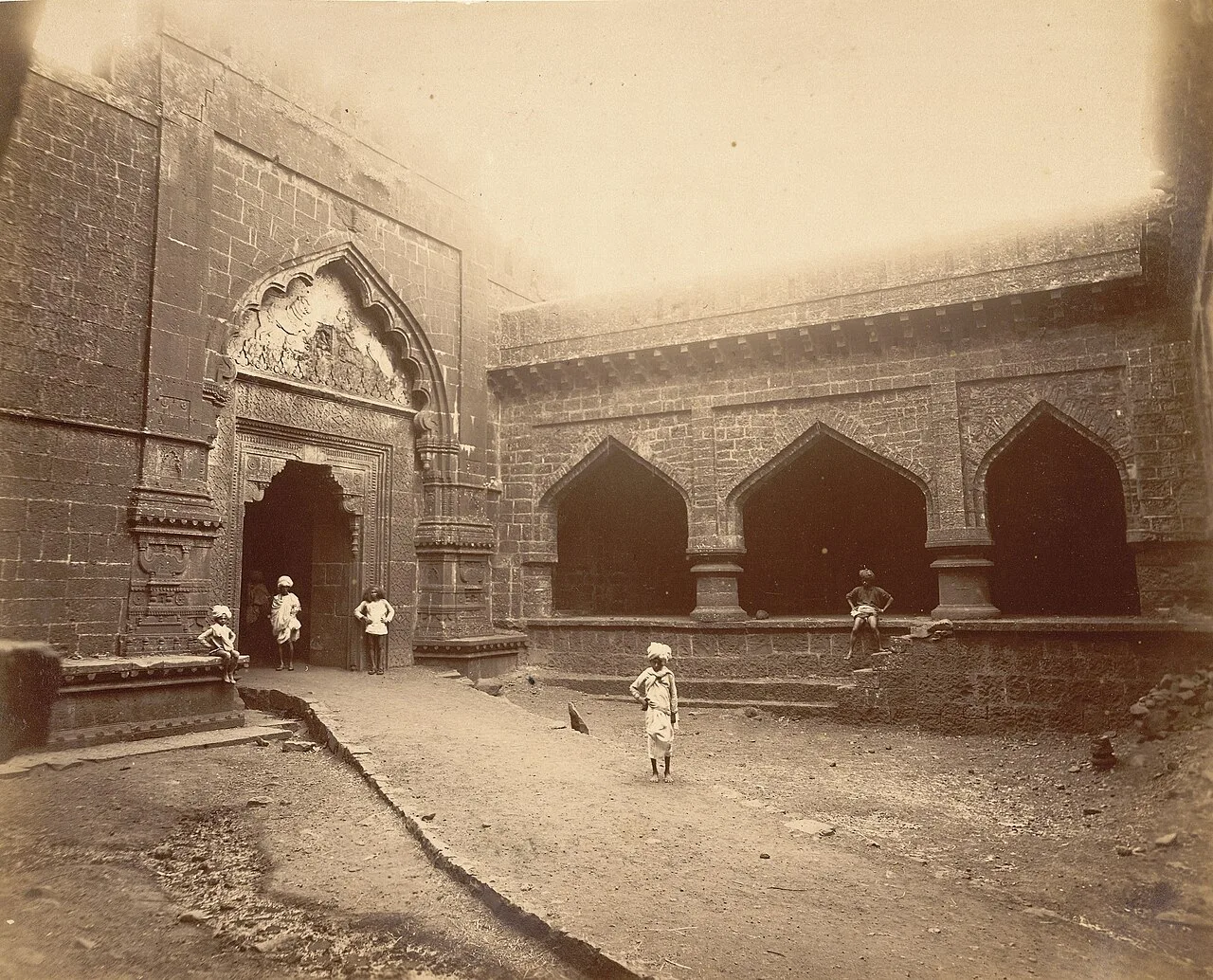
Panhala Fort is a hilltop stronghold in Kolhapur district, Maharashtra, overlooking a Western Ghats pass. Visitors come to see its surviving structures and explore its connections with Deccan conflicts and Tarabai.

Thoseghar Falls

170 km away · Satara district

Thoseghar Falls

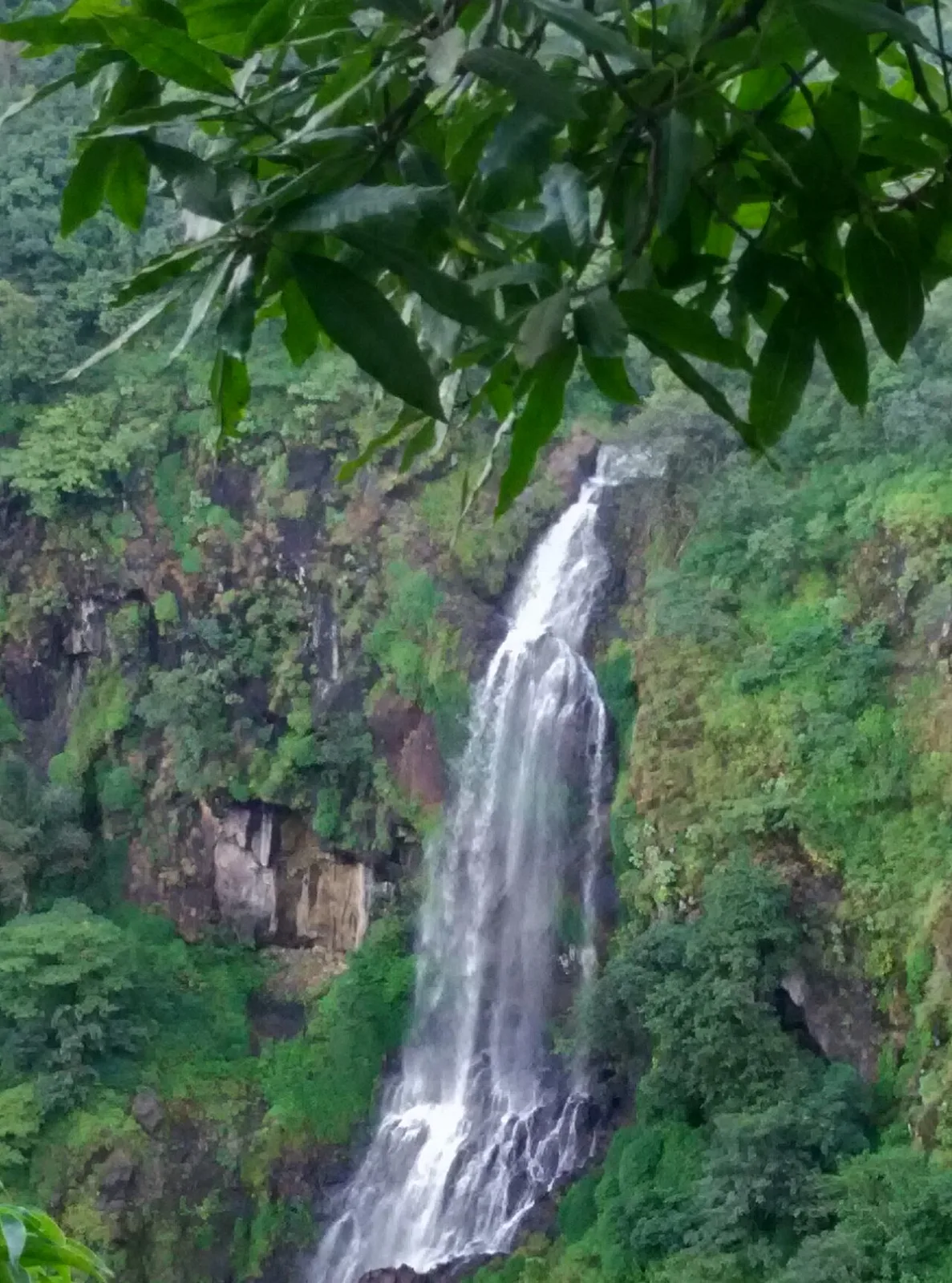
Thoseghar Falls is a series of cascades near Thoseghar village in Maharashtra’s Satara district. Visitors come to see the waterfalls, especially during the monsoon, when rainfall swells their flow.

Map

Mangalvedha on the map

  1. 1Vithoba Temple
  2. 2Tulja Bhavani Temple
  3. 3Jyotiba Temple
  4. 4Mahalakshmi Temple, Kolhapur
  5. 5Jejuri
  6. 6Rankala Lake
  7. 7Panhala Fort
  8. 8Thoseghar Falls

Maharashtra

Other cities to explore