Ghumoopedia — Explore, Discover, Experience
Sign in

City guide · Maharashtra

Beed

Beed is the administrative headquarters of Beed district and an important service and market centre in Maharashtra’s Marathwada region. Its role in district administration, education, healthcare and trade makes it a practical base for people travelling from surrounding towns and villages.

Famous for

  • Kankaleshwar Temple
  • Jatashankar Temple
  • historic Jama Masjid
  • Beed Fort
  • Marathwada district hub
Plan a tripHotels near Beed

Why Beed matters

Beed is the administrative headquarters of Beed district and an important service and market centre in Maharashtra’s Marathwada region. Its role in district administration, education, healthcare and trade makes it a practical base for people travelling from surrounding towns and villages. The city is also a rewarding stop for visitors interested in the Deccan’s layered history and religious architecture.

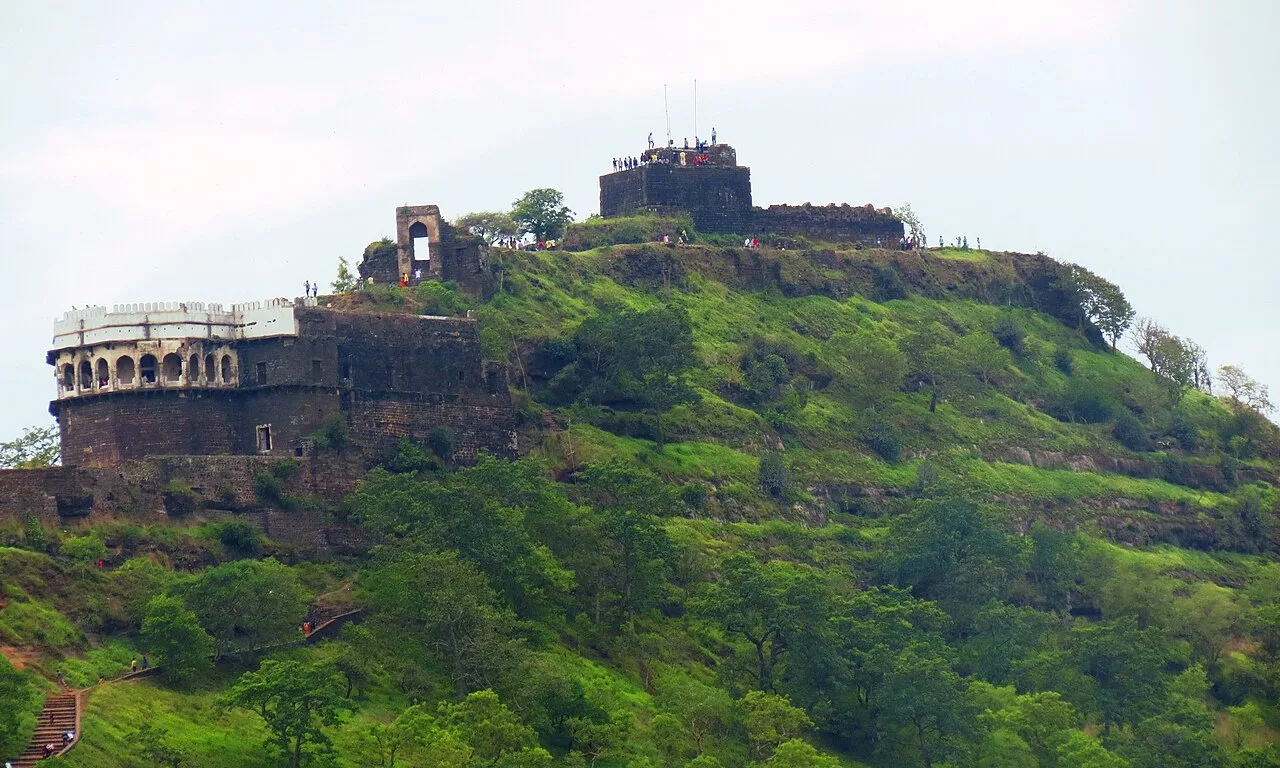
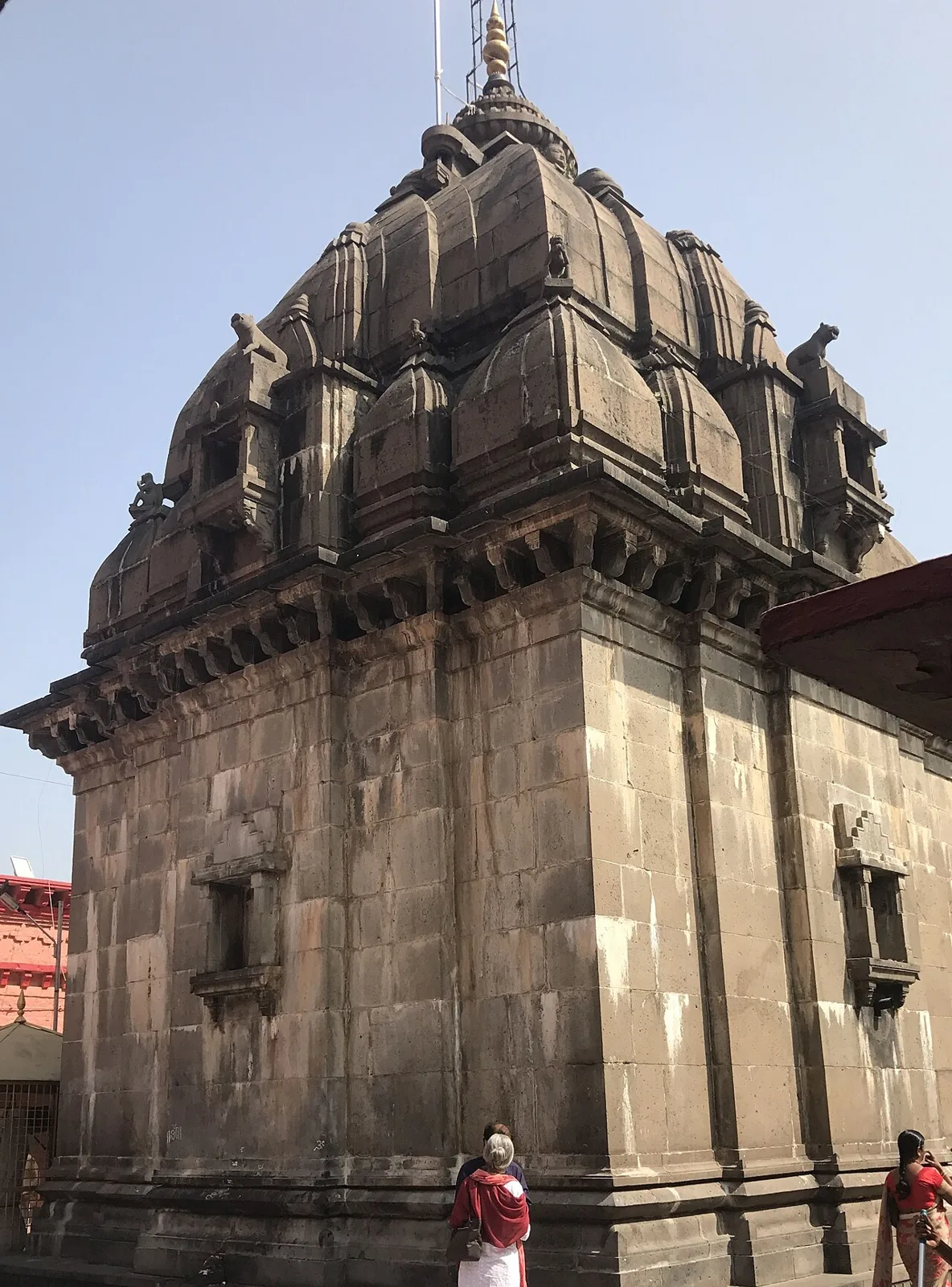
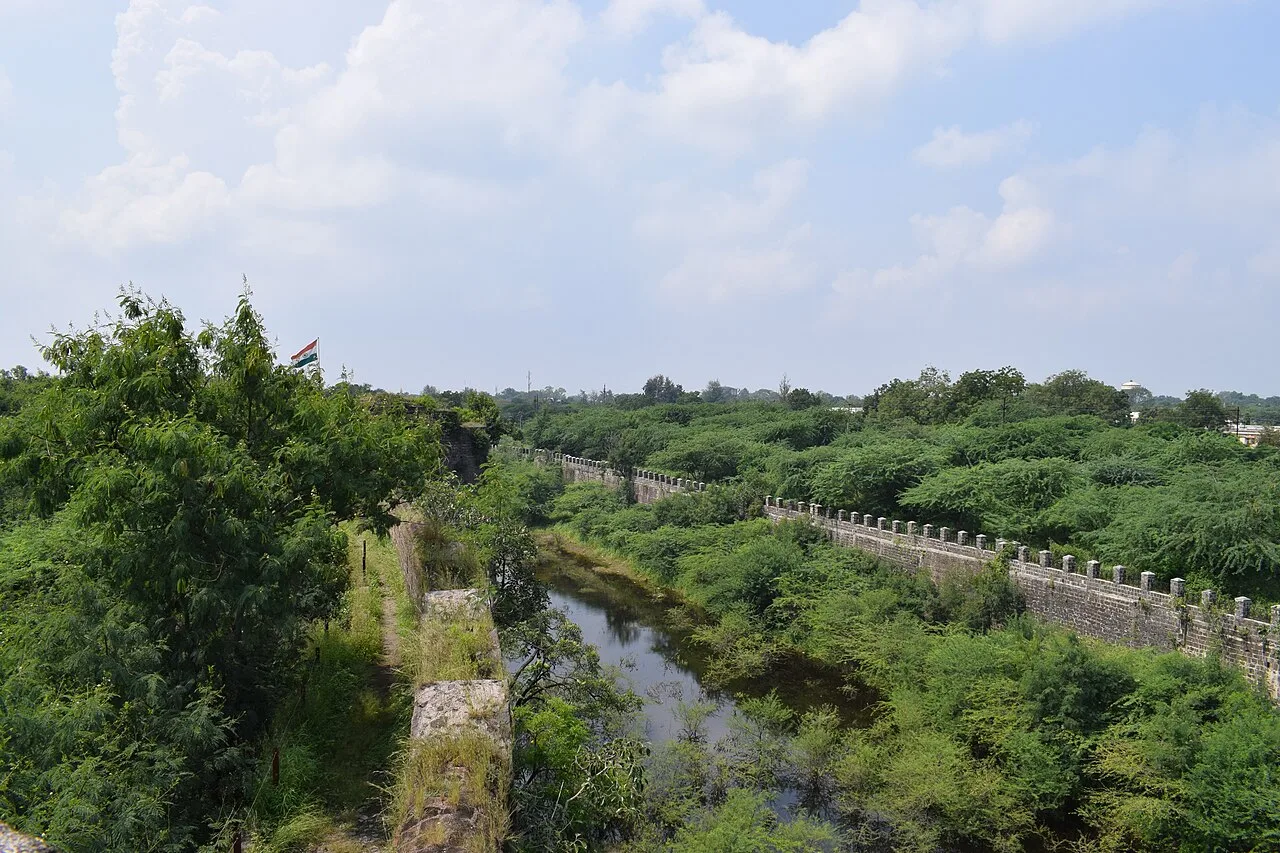
Among its best-known landmarks are Kankaleshwar Temple, set beside a water tank, Jatashankar Temple and the old Jama Masjid. Remains of the historic fort and older neighbourhoods reflect the city’s long passage through Yadava, Bahmani, Mughal and Nizam-era rule. Stories associated with Jatashankar connect the place with the Ramayana, though these are religious traditions rather than established historical accounts. Beed is not primarily a resort or a major shopping destination; its appeal lies in its quieter heritage sites, local markets and everyday Marathwada life. It offers a useful introduction to the district’s towns, rural landscape and regional culture.
Famous for: crafts, trade & products

Beed is better known for its heritage and role as a district market centre than for a signature textile, handicraft or GI-tagged product. There is no widely recognised city-specific saree or craft tradition to seek out. The main shopping areas and central bazaars serve local residents, with shops selling clothing, household goods, food and everyday necessities. Visitors can browse these streets for a sense of ordinary urban life, rather than expecting a dedicated tourist craft market.

The surrounding district has an agricultural economy, and local trade reflects the produce grown across Marathwada, including grains, pulses and oilseeds. Availability varies by season; the town’s market areas are the most practical places to ask about regional produce and locally made goods. Beed’s older monuments—notably Kankaleshwar Temple, the Jama Masjid and remains of the fort—are more distinctive visitor draws than its commercial products. For a meaningful purchase, look for everyday regional foods or seasonal produce, and confirm its origin with the seller. Beed is not known as a major industrial or textile-manufacturing centre.

History

Beed’s earliest history is uncertain. Some accounts associate its foundation with the Yadava rulers of Devagiri, while local legends give the settlement older names and origins. Kankaleshwar Temple is often linked to the Yadava period, although its precise date is not firmly established. The city entered recorded political history under the Delhi Sultanate and later came under Bahmani, Nizam Shahi and Mughal control. Its old fort and religious buildings reflect successive periods of Deccan rule.

Beed became part of the Nizam’s Hyderabad State and remained so after Hyderabad’s integration into India in 1948. It was included in Bombay State in 1956 and became part of Maharashtra when the state was formed in 1960. In the modern period, Beed developed as the district headquarters, with administrative offices, schools, health services and markets serving the surrounding region. Changes to water supply and urban growth have also altered the older city, where wells once played an important part in daily life.

Food, festivals & culture

Marathi is the main language of daily life, and Hindi and Urdu are also heard. Food reflects the wider Marathwada region: jowar or bajra bhakri, pithla, lentils, seasonal vegetables and boldly spiced curries are familiar choices. Small eateries and local restaurants are the best places to try everyday meals. Sweets and snacks vary by shop and season; Beed does not have a single signature sweet that defines the city.

Ganesh Chaturthi, usually celebrated in the monsoon season, and Navratri in autumn bring devotional gatherings and public festivities. Diwali is marked with lamps, sweets and family visits. Eid celebrations follow the Islamic lunar calendar, while Muharram is observed by Muslim communities with religious processions and gatherings. Temples, mosques and shrines are part of the city’s shared urban landscape. Bhajans, devotional singing and regional folk forms such as Lavani and Gondhal belong to the broader cultural life of Maharashtra and may be encountered at community or festive events; they are not exclusive to Beed.

Visiting the city

The cooler months, roughly October to February, are generally the most comfortable for exploring Beed. Summers can be very hot, while monsoon weather may affect road journeys. The nearest major airport is Chhatrapati Sambhajinagar Airport. For rail connections, check current services and access through Parli Vaijnath or Ahilyanagar (formerly Ahmednagar); rail links in the region have been developing, so confirm the most convenient station before travel.

Buses and road transport connect Beed with towns across Marathwada, and autos or local taxis are useful for getting around the city. Allow time to explore the older city around Kankaleshwar Temple, the Jama Masjid and the fort remains, as well as Jatashankar Temple. The central market streets offer a glimpse of daily commerce and are convenient for food and basic supplies. For outlying sites, arrange local transport in advance.

Trips from the city

Nearest places to visit from Beed

Our closest destination guides, by straight-line distance.

Shri Vaijnath Temple

84 km away · Beed district

Shri Vaijnath Temple

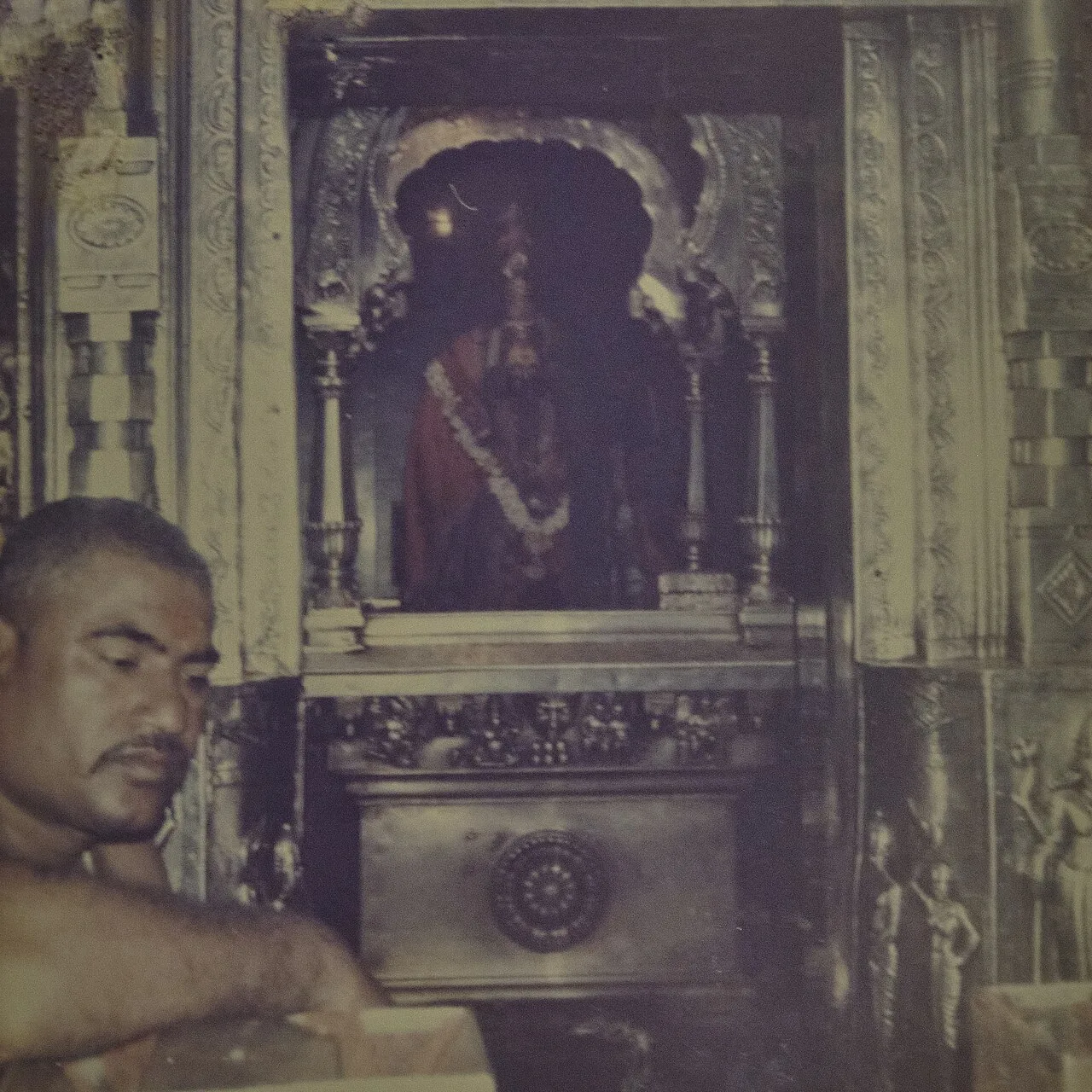
Shri Vaijnath Temple is a Shiva shrine at Parli Vaijnath in Maharashtra’s Beed district. Worshippers visit to perform abhishekam, and the temple is regarded as the fifth of Shiva’s twelve Jyotirlingas.

Ahmednagar Fort

106 km away · Ahilyanagar district

Ahmednagar Fort

Ahmednagar Fort, in Maharashtra, is a historic stronghold associated with the Ahmednagar Sultanate, the 1803 Anglo-Maratha conflict and imprisonment under British rule, making it a point of historical interest.

Shani Shingnapur

109 km away · Ahilyanagar district

Shani Shingnapur

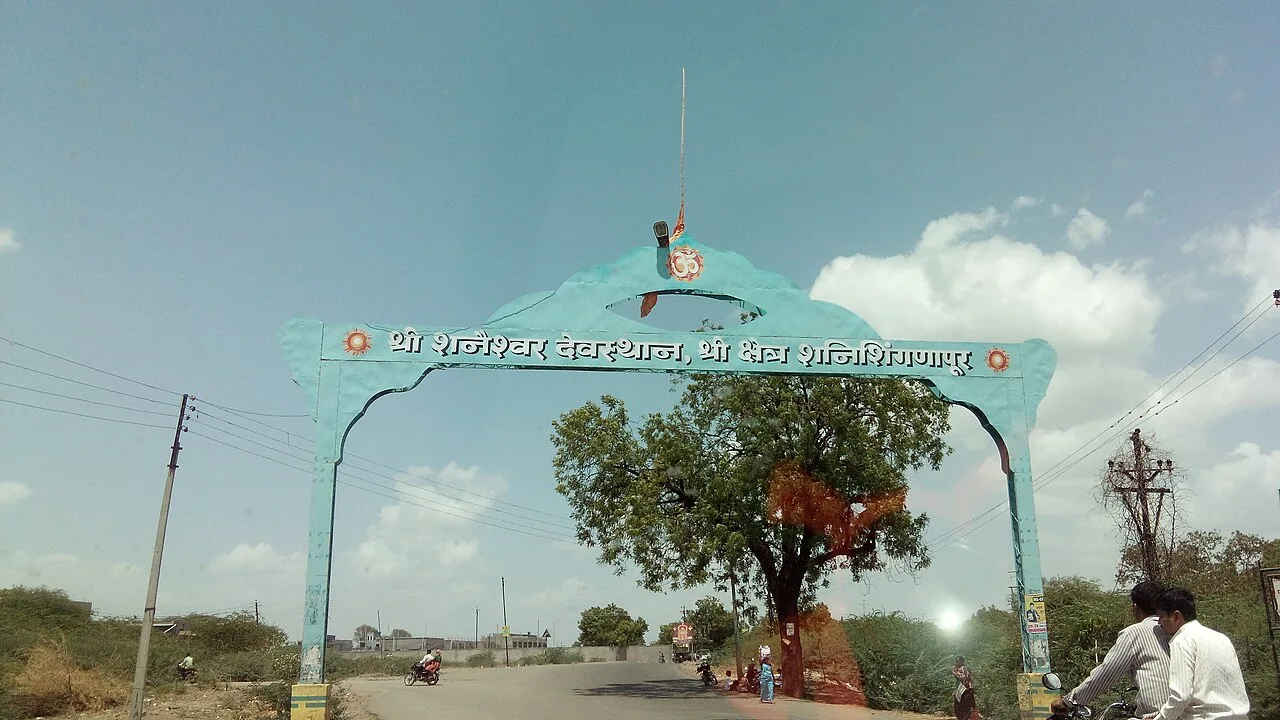
In Maharashtra, Shani Shingnapur is a village visited for its temple to Shani, the Hindu deity linked to the graha Saturn.

Bibi Ka Maqbara

111 km away · Chhatrapati Sambhajinagar district

Bibi Ka Maqbara

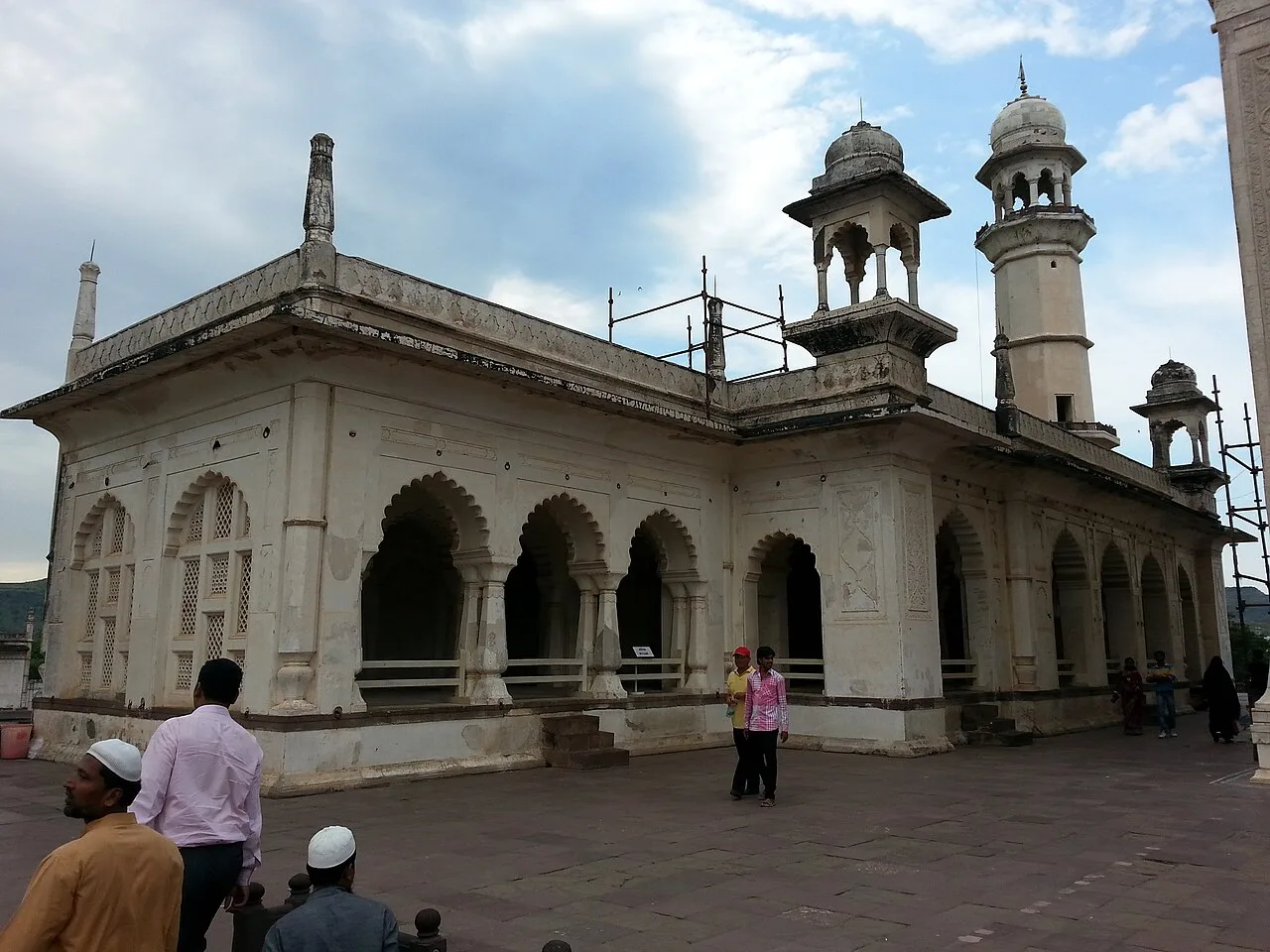
Bibi Ka Maqbara is a Mughal mausoleum in Aurangabad, Maharashtra, built for Dilras Banu Begum. Visitors come to see its resemblance to the Taj Mahal and its place in the region’s history.

Aurangabad Caves

113 km away · Chhatrapati Sambhajinagar district

Aurangabad Caves

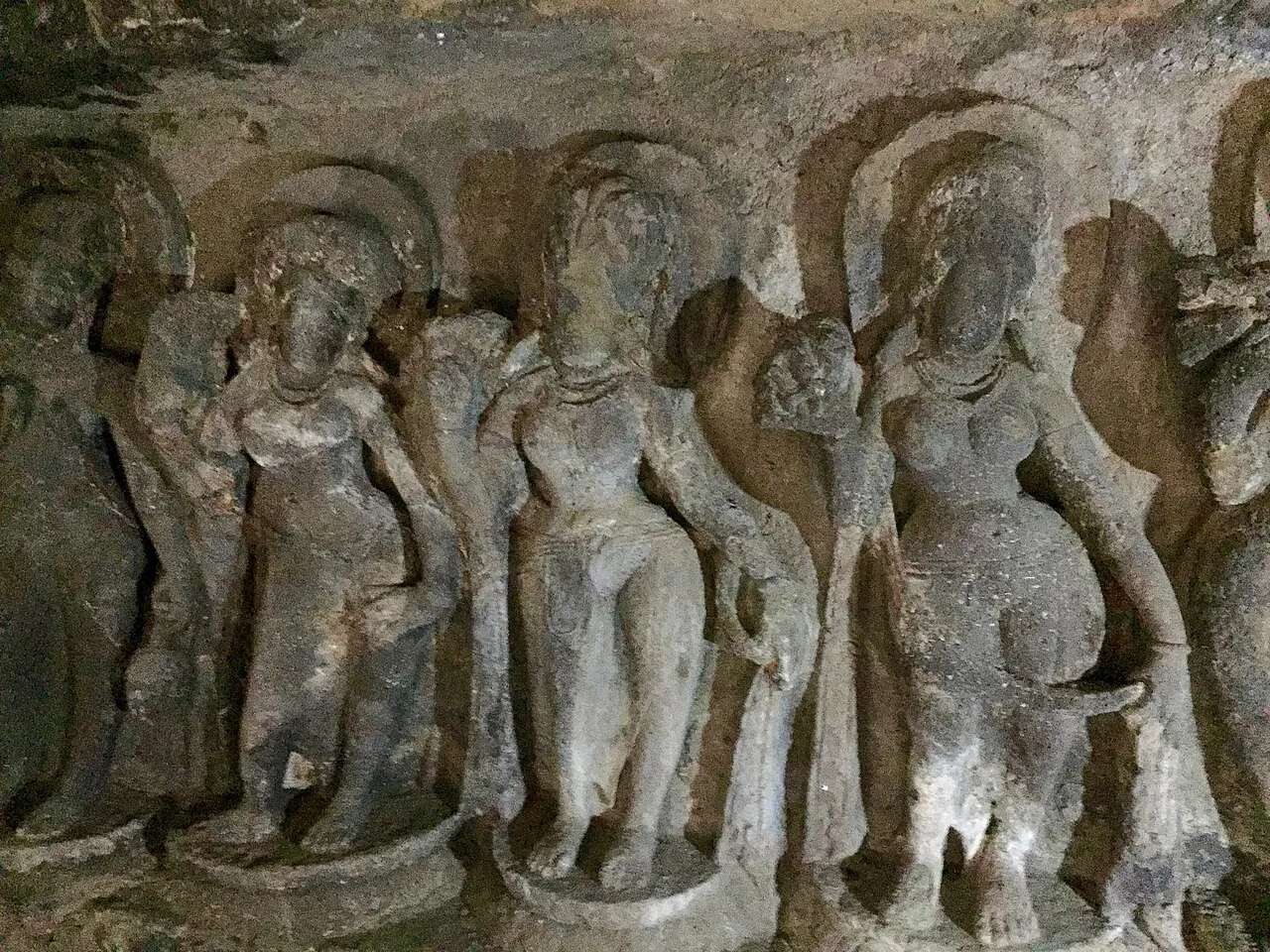
Near Aurangabad in Maharashtra, this hill complex contains twelve Buddhist sanctuaries excavated in basalt. Visitors explore its cave architecture and carvings, which represent several Buddhist traditions and include a range of deities.

Tulja Bhavani Temple

115 km away · Dharashiv district

Tulja Bhavani Temple

Tulja Bhavani Temple is a 12th-century shrine to goddess Bhavani in Tuljapur, Maharashtra. It is counted among India’s 51 Shakti Pithas and the state’s four major Shakti shrines.

Daulatabad Fort

120 km away · Chhatrapati Sambhajinagar district

Daulatabad Fort

Daulatabad Fort is a historic stronghold in Maharashtra, first known as Devagiri. Visitors explore its history as a Yadava seat, briefly a Delhi Sultanate capital, and later an Ahmadnagar centre.

122 km away · Ahilyanagar district

Hiware Bazar

Hiware Bazar is a village in Maharashtra’s Ahmednagar district, known for its irrigation system and water-conservation efforts to tackle drought and drinking-water difficulties.

Map

Beed on the map

  1. 1Shri Vaijnath Temple
  2. 2Ahmednagar Fort
  3. 3Shani Shingnapur
  4. 4Bibi Ka Maqbara
  5. 5Aurangabad Caves
  6. 6Tulja Bhavani Temple
  7. 7Daulatabad Fort
  8. 8Hiware Bazar

Maharashtra

Other cities to explore