Ghumoopedia — Explore, Discover, Experience
Sign in

City guide · Maharashtra

Nandura

Visitors may know Nandura for its prominent 105-foot Hanuman statue, a striking landmark, and for Ambadevigad, a historic site associated with the area. The town also has a practical, lived-in character: local commerce includes dairy products supplied to nearby communities, alongside food shops and general markets.

Famous for

  • 105-foot Hanuman statue
  • Ambadevigad historic site
  • Dairy and milk products
  • National Highway 53
  • Nandura railway junction

Why Nandura matters

Visitors may know Nandura for its prominent 105-foot Hanuman statue, a striking landmark, and for Ambadevigad, a historic site associated with the area. The town also has a practical, lived-in character: local commerce includes dairy products supplied to nearby communities, alongside food shops and general markets. The Dnyanganga River separates the older settlements of Nandura Budruk and Nandura Khurd, giving the town a distinctive geography. Nandura is best explored as a gateway to the local region rather than as a large destination with a dense circuit of formal attractions. Its road and rail links, landmarks and role as a service centre make it a useful base for a short visit or a stop while travelling across eastern Maharashtra.
Famous for: crafts, trade & products

Nandura is best known locally for dairy trade and milk products, which supply nearby communities. Small shops and dairy outlets around the town serve residents and passing travellers; visitors can ask locally for fresh or packaged products. The town is also associated with everyday food businesses, including panipuri vendors, rather than with a widely documented signature craft or textile tradition.

Nandura is not especially known for a recognised GI-tagged product, a major saree market or a large handicraft industry. Its commercial role is more practical: it serves the surrounding taluka with groceries, household goods, agricultural needs and everyday services. The central shopping streets and areas around the main road are the most convenient places to browse local stores and find snacks or dairy goods. Trade has also grown with the town’s road and rail connections and its links to surrounding villages. For specialist crafts or a broader range of regional products, travellers may need to look to larger cities in Maharashtra.

History

Local historical tradition connects Nandura with the ancient settlement of Potan and the Asmaka kingdom. These accounts are part of the town’s inherited history, though details of its earliest period are difficult to establish. In medieval times, the region formed part of Berar, which passed under several ruling powers, including the Khaljis and Mughals. Later histories of the area also recall Peshwa connections and links with the Nizam’s Deccan territories.

In the late nineteenth century, Nandura was associated with Nawab Amirullah Khan and fell within the jurisdiction of Akola district. It became part of Buldhana district in 1905. The municipality was established in 1931, during British rule. In modern times, Nandura’s position on National Highway 53 and the Howrah–Nagpur–Mumbai railway line has supported its growth as a transport and trading centre. Expansion into neighbouring settlements and its role serving villages around the Jigaon project have further strengthened its regional importance.

Food, festivals & culture

Marathi is the principal language of daily life in Nandura; Hindi and Urdu are also heard. Food reflects the everyday tastes of the region, with Maharashtrian meals, snacks and street food readily available. Panipuri is a familiar local favourite, and dairy products are part of the town’s food trade. Visitors will find small eateries and snack stalls rather than a highly specialised restaurant district.

Ganesh Chaturthi, usually celebrated in the monsoon season, and Navratri, in autumn, bring devotional gatherings and decorations. Diwali is observed with family visits and lights, while Eid is celebrated by the town’s Muslim communities. Hanuman worship is visible around the town’s prominent statue and local shrines. Religious observances and community events form the main public cultural life; music and dance are often part of festival programmes, though specific performances vary by occasion. For a sense of local rhythms, explore the town centre and places of worship respectfully, especially during festival days.

Visiting the city

The cooler months, roughly November to February, are generally the most comfortable time to visit. Summers can be hot, while the monsoon brings rain and greener surroundings. Nandura has its own railway station on the Howrah–Nagpur–Mumbai line. Akola Airport is the nearest airfield; for regular commercial flights, travellers can check connections through Dr. Babasaheb Ambedkar International Airport in Nagpur.

The town is compact enough to explore by auto-rickshaw or local taxi, with buses and private vehicles useful for nearby villages. Start around the central shopping area, then visit the Hanuman statue and explore the older settlements of Nandura Budruk and Nandura Khurd near the Dnyanganga River. Ambadevigad is another point of historical interest in the area; ask locally about access and road conditions before setting out. National Highway 53 makes Nandura convenient for a road journey through the region.

Trips from the city

Nearest places to visit from Nandura

Our closest destination guides, by straight-line distance.

Ajanta Caves

85 km away · Chhatrapati Sambhajinagar district

Ajanta Caves

Ajanta is a group of 30 Buddhist caves in Maharashtra, known for its ancient paintings, sculptures and religious architecture. Visitors come to explore the site’s artistic and monastic heritage.

Lonar Lake

96 km away · Buldhana district

Lonar Lake

Lonar Lake is a saline, soda-rich lake in Maharashtra’s Buldhana district, set within a meteorite-impact crater. Visitors come to see its unusual geological formation and recognised conservation status.

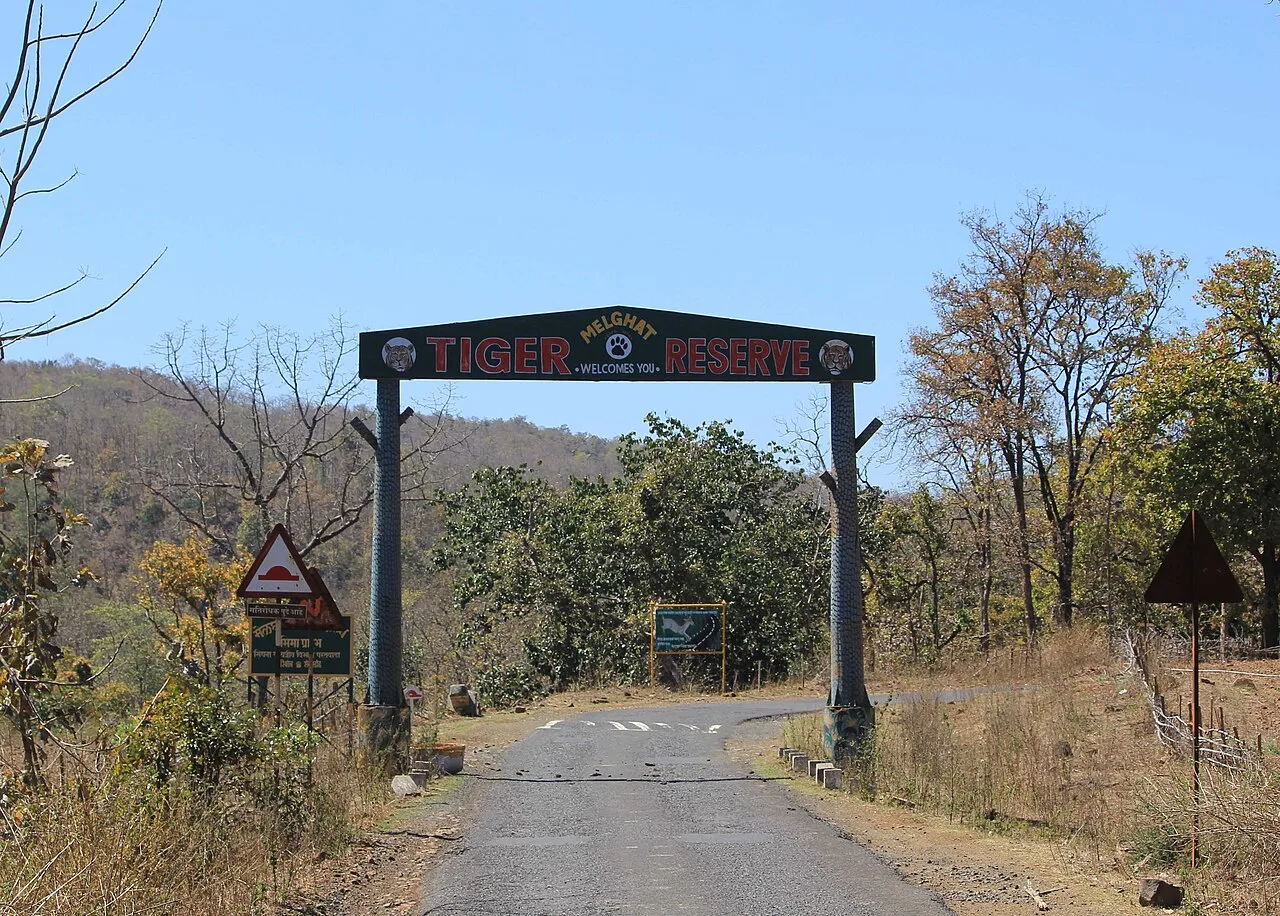
Melghat Tiger Reserve

102 km away · Amravati district

Melghat Tiger Reserve

Melghat Tiger Reserve is a protected area in northern Amravati district, Maharashtra. Visitors come to experience its wildlife and learn about its place in India’s Project Tiger programme.

Chikhaldara

137 km away · Amravati district

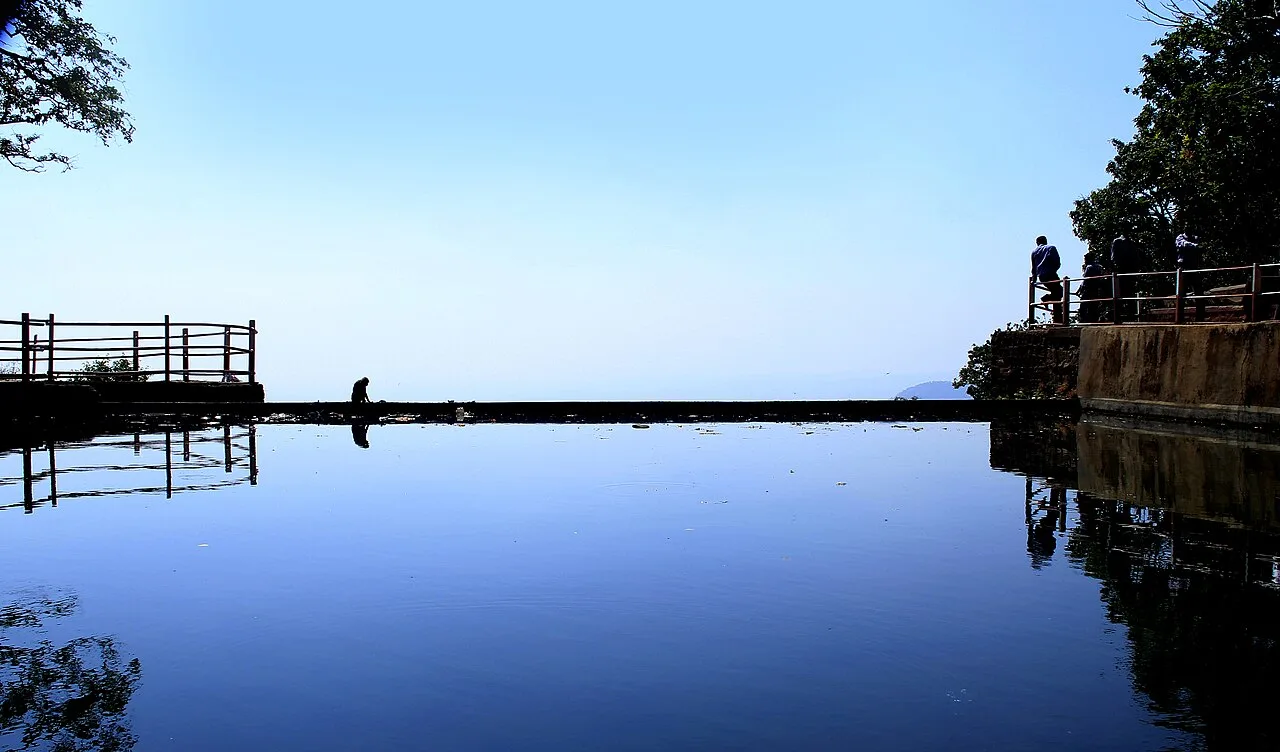
Chikhaldara

Chikhaldara is a hill settlement and municipal council in Maharashtra’s Amravati district. Visitors come for its highland setting, coffee-growing area and nearby wildlife at the Melghat Tiger Project.

Aundha Nagnath Temple

157 km away · Hingoli district

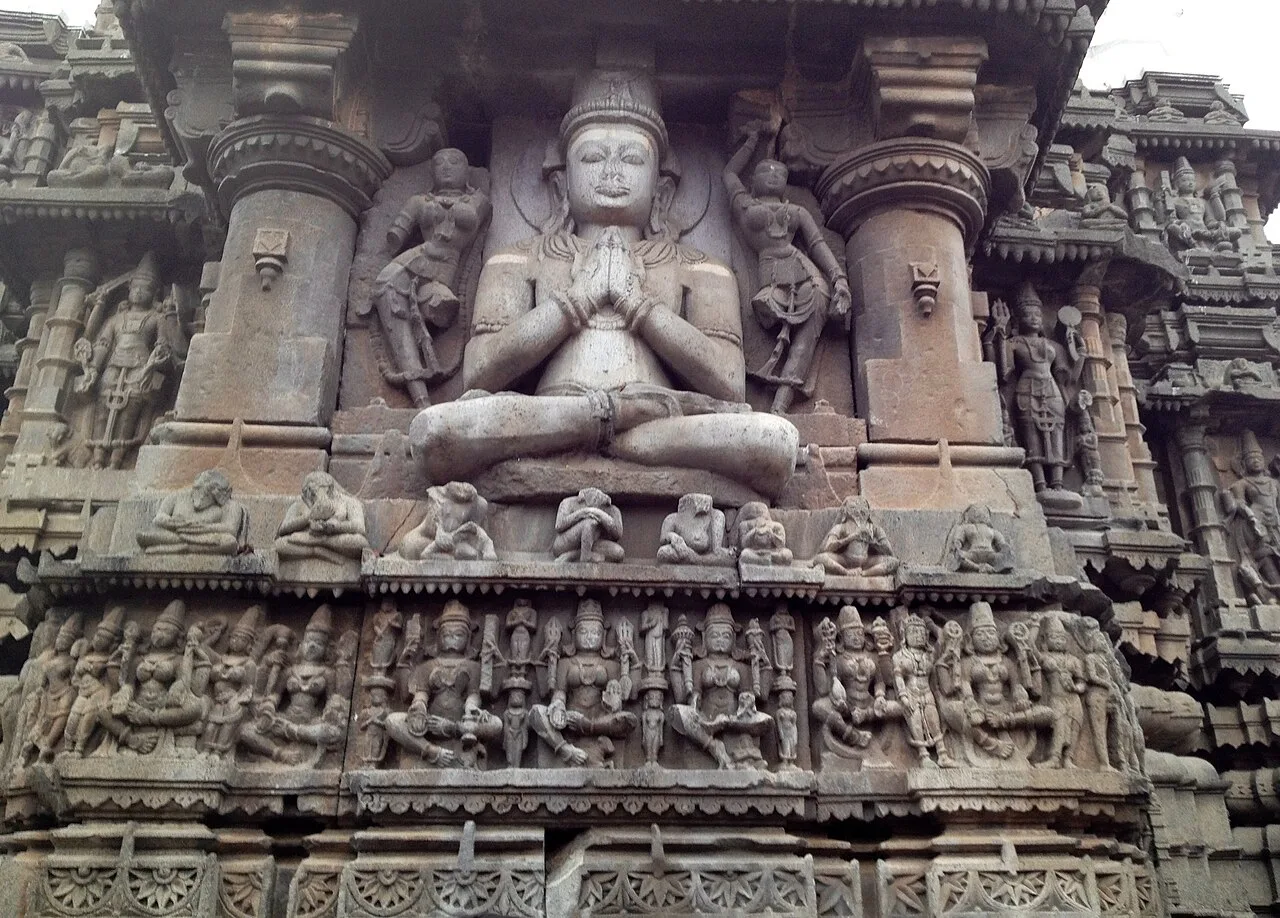
Aundha Nagnath Temple

Aundha Nagnath Temple is an old Shiva shrine in Maharashtra’s Hingoli district, regarded as the eighth of the twelve Jyotirlinga shrines. Visitors come for its religious importance, historical associations and distinctive architecture.

Aurangabad Caves

157 km away · Chhatrapati Sambhajinagar district

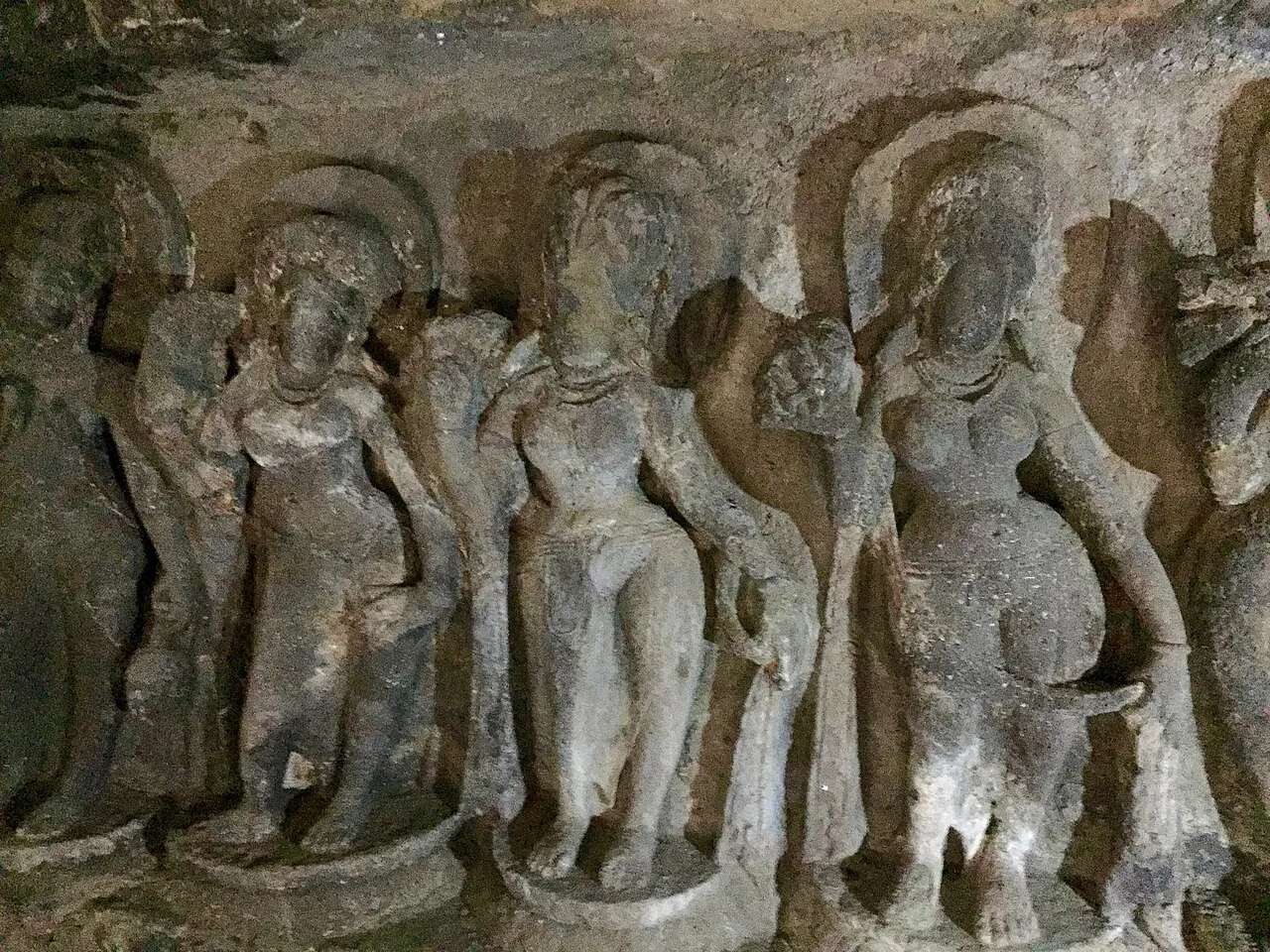
Aurangabad Caves

Near Aurangabad in Maharashtra, this hill complex contains twelve Buddhist sanctuaries excavated in basalt. Visitors explore its cave architecture and carvings, which represent several Buddhist traditions and include a range of deities.

Bibi Ka Maqbara

158 km away · Chhatrapati Sambhajinagar district

Bibi Ka Maqbara

Bibi Ka Maqbara is a Mughal mausoleum in Aurangabad, Maharashtra, built for Dilras Banu Begum. Visitors come to see its resemblance to the Taj Mahal and its place in the region’s history.

Ellora Caves

161 km away · Chhatrapati Sambhajinagar district

Ellora Caves

Ellora, in Maharashtra’s Chhatrapati Sambhajinagar district, is a UNESCO World Heritage Site. Visitors explore its Hindu, Buddhist and Jain monuments, including the remarkable Kailash temple carved from rock.

Map

Nandura on the map

  1. 1Ajanta Caves
  2. 2Lonar Lake
  3. 3Melghat Tiger Reserve
  4. 4Chikhaldara
  5. 5Aundha Nagnath Temple
  6. 6Aurangabad Caves
  7. 7Bibi Ka Maqbara
  8. 8Ellora Caves

Maharashtra

Other cities to explore