Ghumoopedia — Explore, Discover, Experience
Sign in
Chikhaldara, near Daryapur

City guide · Maharashtra

Daryapur

Daryapur is a town in Amravati district, in Maharashtra’s Vidarbha region. It lies about 52 km west of Amravati, the district headquarters, and serves as a local centre for nearby settlements.

Famous for

  • Vidarbha regional setting
  • Amravati district market town
  • Cotton-growing hinterland
  • Varhadi food traditions

Why Daryapur matters

Daryapur is a town in Amravati district, in Maharashtra’s Vidarbha region. It lies about 52 km west of Amravati, the district headquarters, and serves as a local centre for nearby settlements. Its importance is practical and regional: residents come here for everyday shopping, services and administrative business, while surrounding farms connect the town to the wider agricultural economy of eastern Maharashtra.

Daryapur is not widely known as a major monument destination or a centre for a nationally recognised craft. Its appeal is instead in experiencing a working small-town setting and the food, language and community life of the Amravati region. Visitors may find it useful as a base for local family visits or as a stop while travelling between towns in Vidarbha. The landscape is generally associated with the Deccan plateau; the town’s elevation is about 288 metres. For a broader choice of museums, transport links and visitor facilities, Amravati is the nearest major urban centre.
Famous for: crafts, trade & products

Daryapur is best understood as a local service and trading town rather than a specialist craft or textile destination. The surrounding agricultural belt supports commerce in farm produce and supplies; cotton and soybean are among the crops associated with the wider Vidarbha region. Shops and small businesses in the town centre cater mainly to local residents and nearby villages, with everyday goods and seasonal agricultural needs shaping the market’s character.

There is no widely established Daryapur-specific saree, handicraft or GI-tagged product to seek out. Visitors looking for local produce can ask shopkeepers about what is in season, while the central market area is the most practical place to browse for groceries, snacks and household goods. For a larger selection of branded goods, specialist shopping or regional products, Amravati offers more options. Daryapur’s significance lies less in a signature export than in its role linking nearby communities with routine services and trade.

History

Daryapur’s growth is tied to its position within the agricultural hinterland of what is now Amravati district. Like many towns in Berar, it developed as a local centre serving surrounding villages, with markets and administration supporting everyday exchange. Berar was historically connected with the Nizam’s territories before coming under British administration in the nineteenth century; later, it formed part of the Central Provinces and Berar. These changing political arrangements shaped the district’s administration and transport connections, though a detailed, well-documented account of Daryapur’s own early rulers is not widely available.

In modern Maharashtra, Daryapur has continued as a town serving its surrounding rural area. Local commerce, public services and road links remain central to its role. Its development has been closely connected to the wider changes in agriculture and transport across Vidarbha, rather than to a single major industrial or heritage landmark.

Food, festivals & culture

Marathi is the main language of daily life, and the local speech reflects the Varhadi variety heard across much of the Amravati region. Hindi is also understood by many people. Meals commonly draw on Vidarbha’s hearty home cooking: bhakri with pithla or zunka, lentils, seasonal vegetables and chutneys. Spicy snacks and poha are familiar across the region, while sweets such as ladoo and jalebi are often enjoyed during celebrations. These are regional food traditions, not dishes unique to Daryapur.

Ganeshotsav is celebrated in late summer, while Diwali falls in autumn; Holi in spring and Pola, the harvest-season observance honouring working cattle, are also part of the wider rural calendar. The exact scale of celebrations varies by neighbourhood and year. Community life includes Hindu temples and Muslim places of worship, alongside family and civic gatherings. Folk music, devotional singing and regional dance forms may feature at festivals, though performances are generally community events rather than a regular tourist programme.

Visiting the city

The cooler months, roughly October to February, are usually the most comfortable for visiting. Summers can be very hot, and monsoon travel may involve heavy rain. Amravati Airport at Belora is the nearest airport by name, but scheduled passenger connections may be limited; travellers seeking regular flights should check options at Dr. Babasaheb Ambedkar International Airport in Nagpur. Amravati railway station and Akola Junction are useful intercity rail gateways. Confirm local rail services before planning a journey.

Within Daryapur, auto-rickshaws and local vehicles are practical for short trips; walking suits the central market area. The town centre is the most useful area to explore for shops, everyday food and a glimpse of local routines. There is no widely promoted tourist quarter, so ask locally about current community events or places of worship open to visitors.

Trips from the city

Nearest places to visit from Daryapur

Our closest destination guides, by straight-line distance.

Chikhaldara

52 km away · Amravati district

Chikhaldara

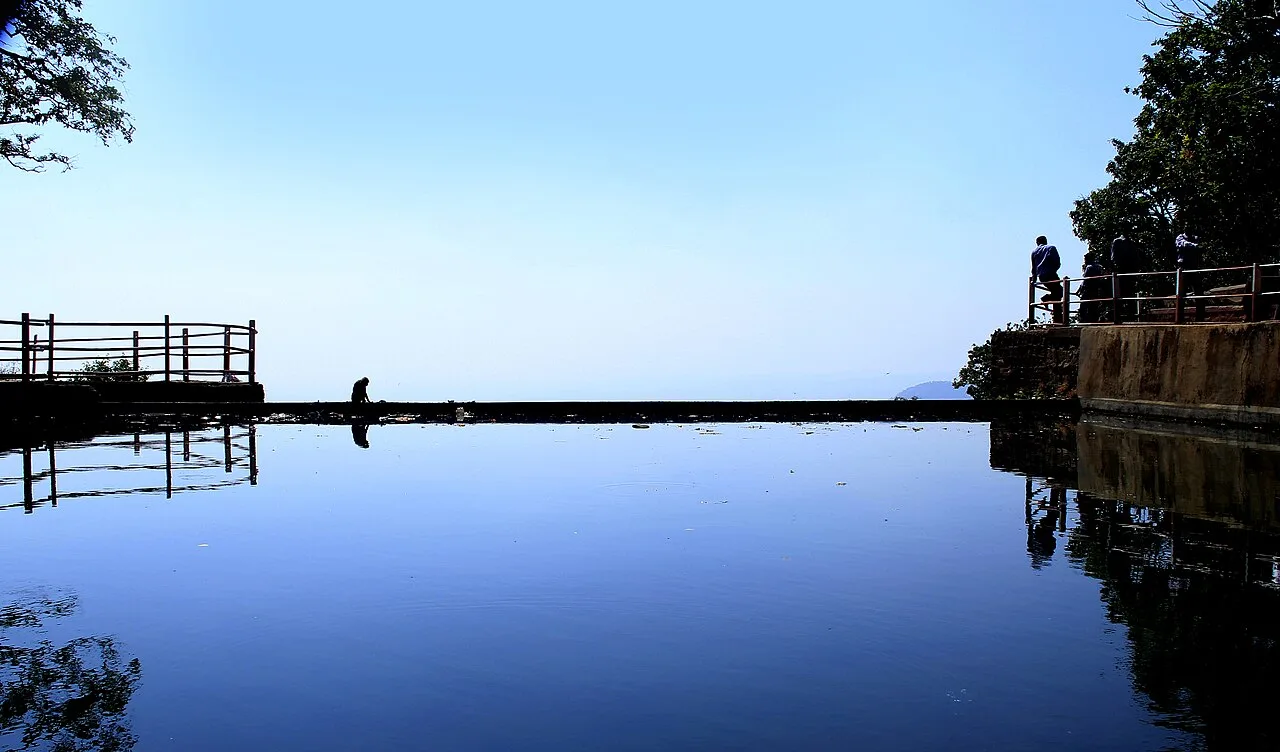
Chikhaldara is a hill settlement and municipal council in Maharashtra’s Amravati district. Visitors come for its highland setting, coffee-growing area and nearby wildlife at the Melghat Tiger Project.

Melghat Tiger Reserve

59 km away · Amravati district

Melghat Tiger Reserve

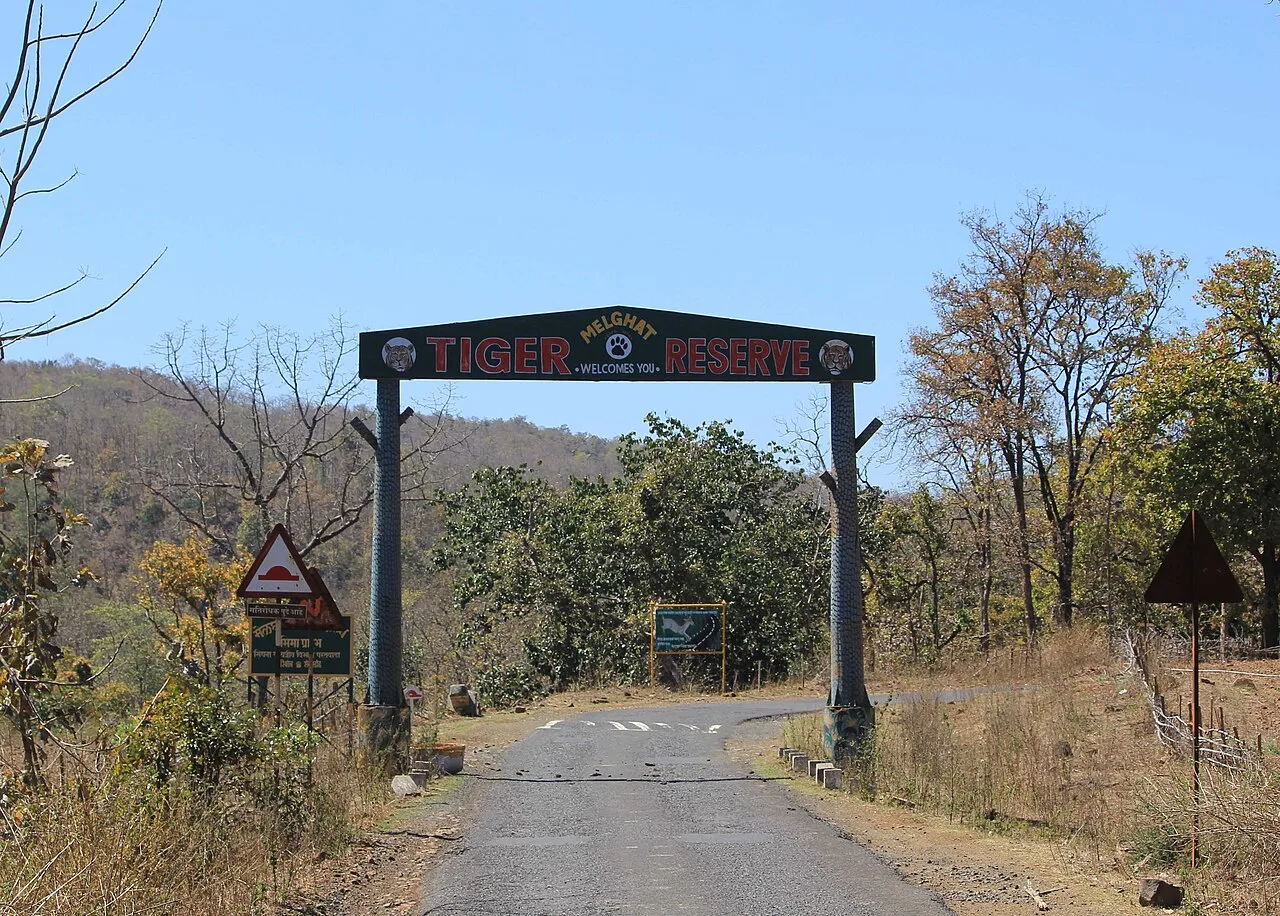
Melghat Tiger Reserve is a protected area in northern Amravati district, Maharashtra. Visitors come to experience its wildlife and learn about its place in India’s Project Tiger programme.

Lonar Lake

136 km away · Buldhana district

Lonar Lake

Lonar Lake is a saline, soda-rich lake in Maharashtra’s Buldhana district, set within a meteorite-impact crater. Visitors come to see its unusual geological formation and recognised conservation status.

Sevagram Ashram

140 km away · Wardha district

Sevagram Ashram

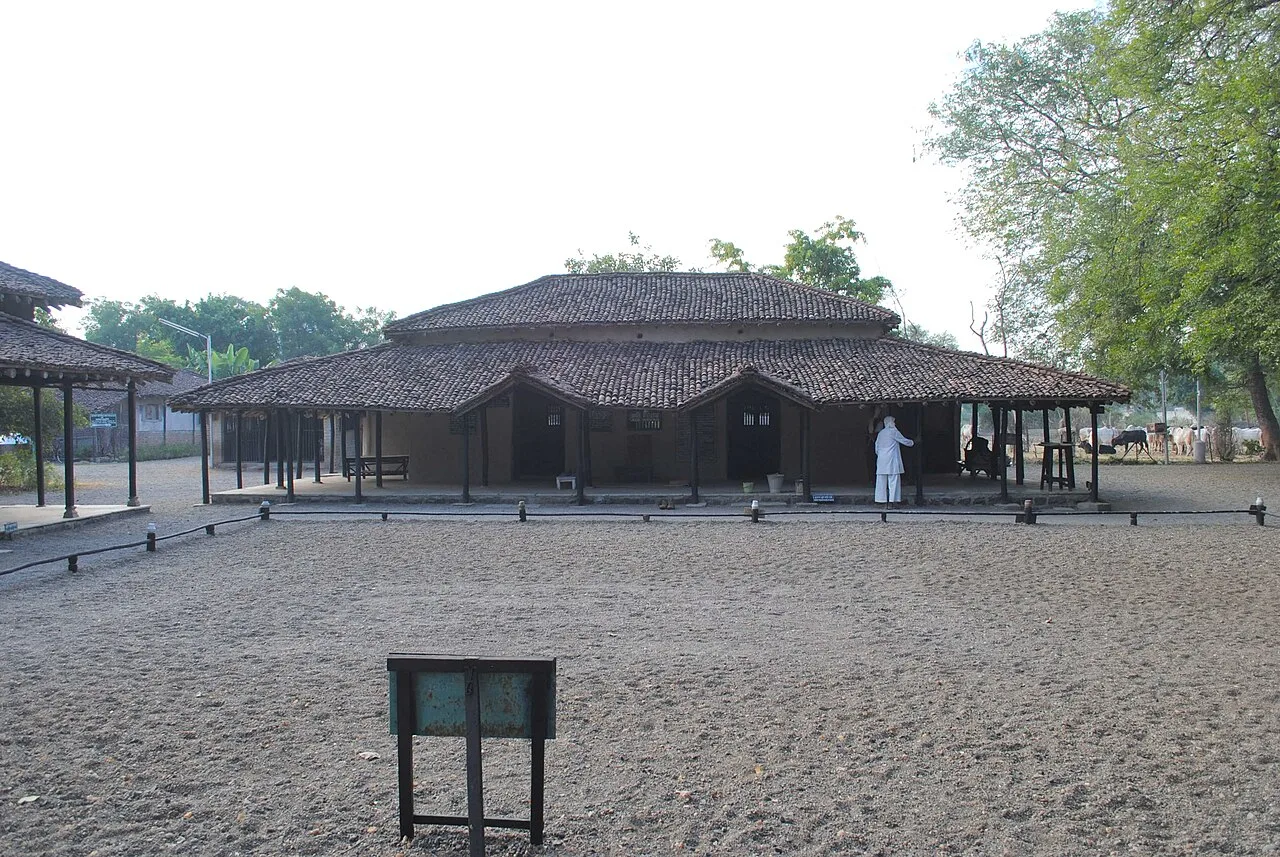
Sevagram Ashram, in Wardha district, Maharashtra, is known as Mahatma Gandhi’s ashram and home from 1936 until his death in 1948. People visit for its connection with his life.

Aundha Nagnath Temple

157 km away · Hingoli district

Aundha Nagnath Temple

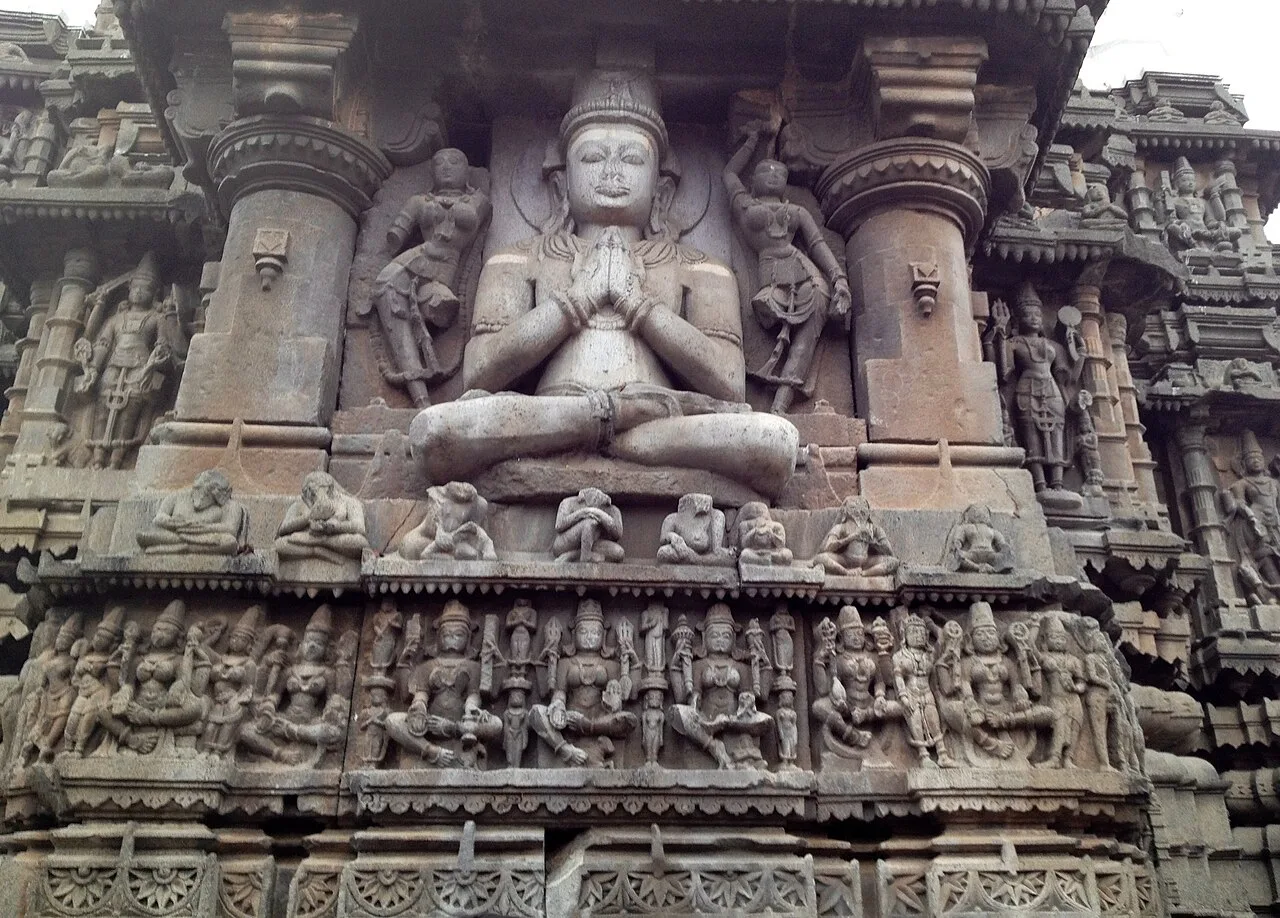
Aundha Nagnath Temple is an old Shiva shrine in Maharashtra’s Hingoli district, regarded as the eighth of the twelve Jyotirlinga shrines. Visitors come for its religious importance, historical associations and distinctive architecture.

Ajanta Caves

174 km away · Chhatrapati Sambhajinagar district

Ajanta Caves

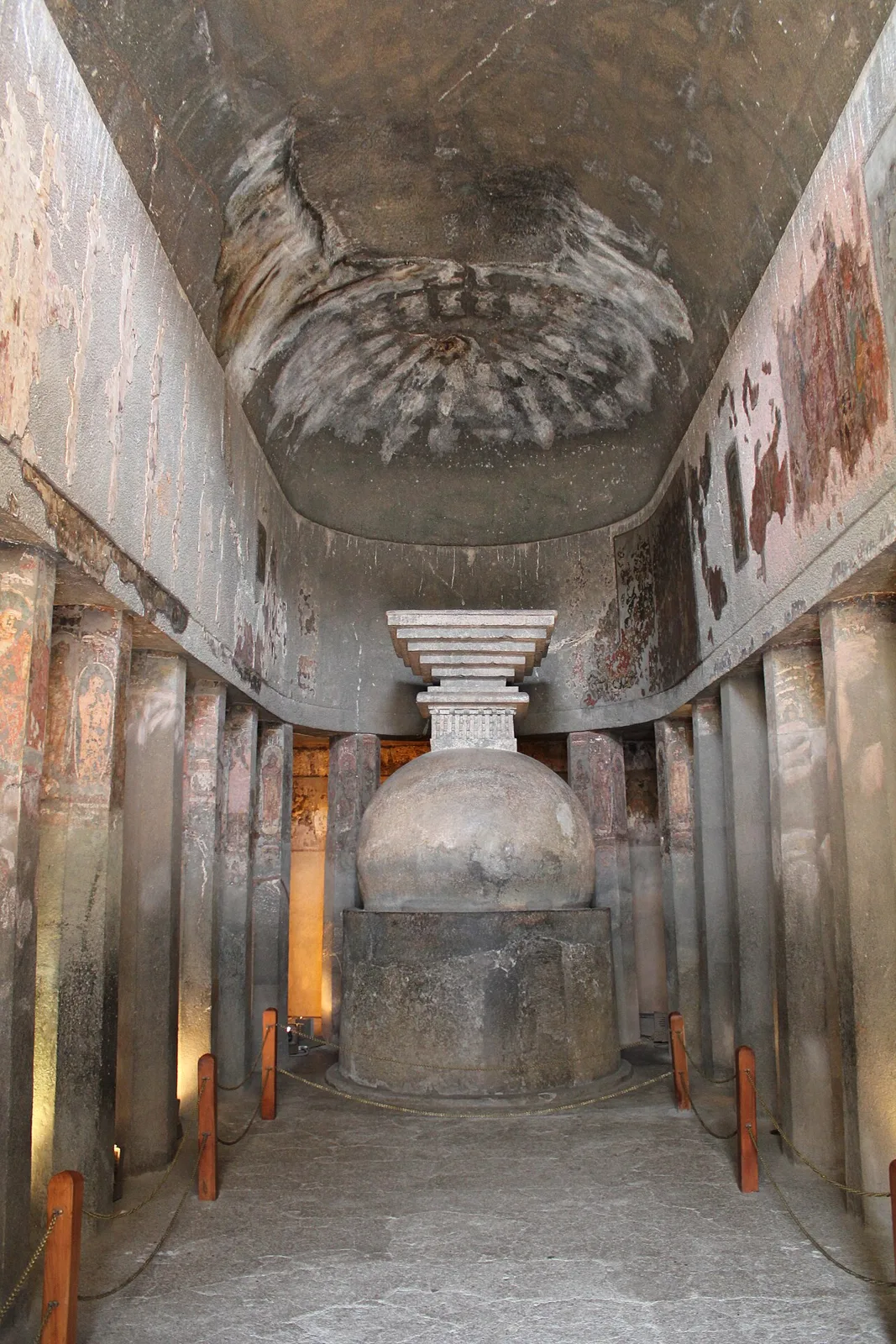
Ajanta is a group of 30 Buddhist caves in Maharashtra, known for its ancient paintings, sculptures and religious architecture. Visitors come to explore the site’s artistic and monastic heritage.

Deekshabhoomi

182 km away · Nagpur district

Deekshabhoomi

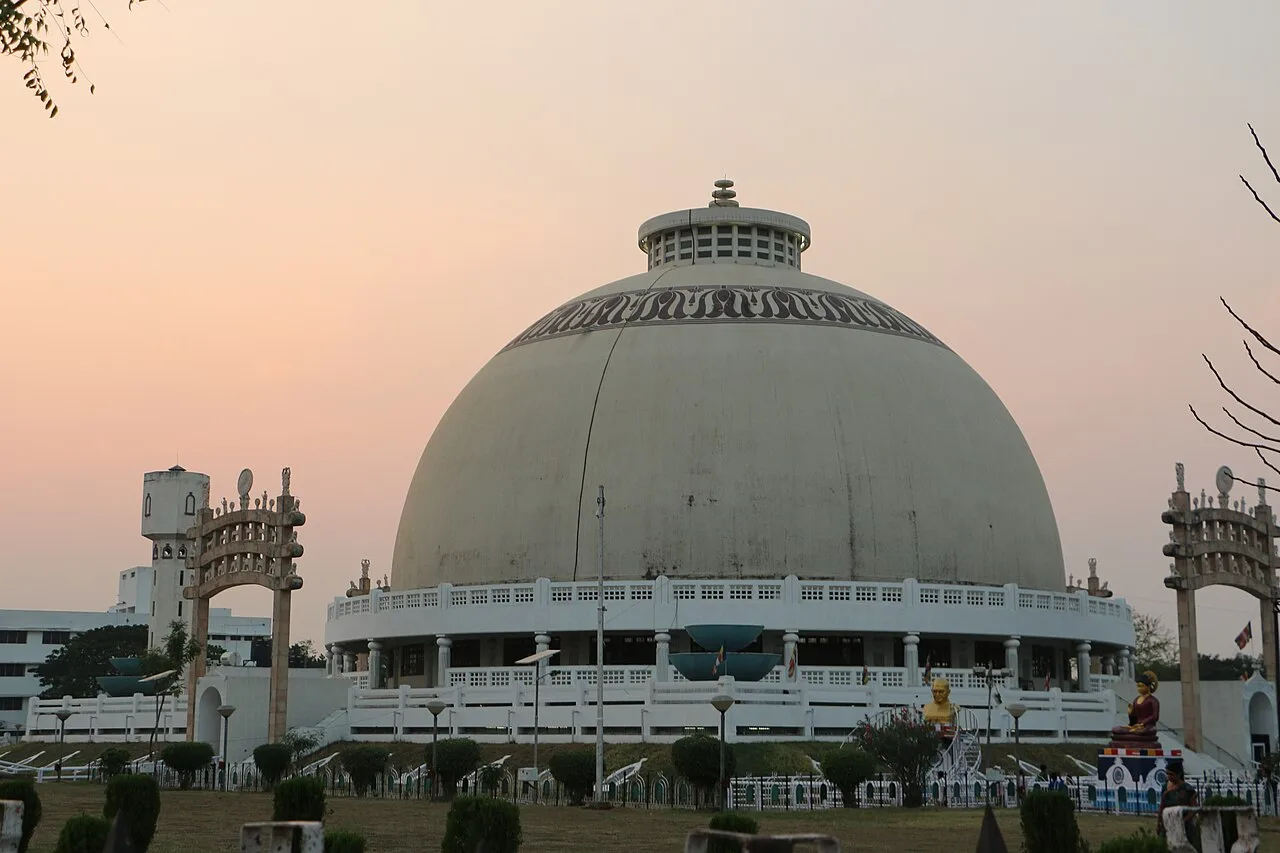
Deekshabhoomi is a Navayana Buddhist memorial in Nagpur, where B. R. Ambedkar and a vast following embraced Buddhism in 1956. Pilgrims visit to mark the conversion and its continuing significance.

Hazur Sahib

197 km away · Nanded district

Hazur Sahib

Takht Sachkhand Sri Hazur Abchalnagar Sahib is one of Sikhism’s five takhts, in Nanded, Maharashtra. Visitors come to worship and remember Guru Gobind Singh at the site associated with his death and cremation.

Map

Daryapur on the map

  1. 1Chikhaldara
  2. 2Melghat Tiger Reserve
  3. 3Lonar Lake
  4. 4Sevagram Ashram
  5. 5Aundha Nagnath Temple
  6. 6Ajanta Caves
  7. 7Deekshabhoomi
  8. 8Hazur Sahib

Maharashtra

Other cities to explore