Ghumoopedia — Explore, Discover, Experience
Sign in

City guide · Maharashtra

Kamatgi

Kamatgi, also commonly written as Kamatagi, is in Hungund taluk of Bagalkot district, Karnataka—not Maharashtra. It is a small town in northern Karnataka whose significance is primarily local: it serves residents and nearby settlements as a place for everyday services, travel and trade.

Famous for

  • Hungund taluk town
  • Bagalkot district setting
  • Kannada-speaking community

Why Kamatgi matters

Kamatgi, also commonly written as Kamatagi, is in Hungund taluk of Bagalkot district, Karnataka—not Maharashtra. It is a small town in northern Karnataka whose significance is primarily local: it serves residents and nearby settlements as a place for everyday services, travel and trade. It is not widely known as a major visitor destination or as a centre for a particular craft, product or industry.

The town can be a practical base for understanding the rural landscape of the Bagalkot region. Visitors interested in the area’s better-known heritage can plan excursions to historic sites elsewhere in the district, including Badami, Aihole and Pattadakal; these are regional outings rather than attractions within Kamatgi itself. The town’s appeal is therefore less about a crowded sightseeing circuit and more about experiencing a working settlement, its local market and the rhythms of life in northern Karnataka. Confirm local transport and current access arrangements before planning day trips.
Famous for: crafts, trade & products

It is best approached as a local service and market town rather than as a specialist shopping destination. Its shops and market area cater mainly to everyday needs; visitors looking for a particular regional product should check availability locally rather than assume it is made or sold here.

For a broader selection of goods and services, travellers can look to larger towns in Bagalkot district. The district is better known to visitors for its historic sites than for Kamatgi-specific commercial attractions. No particular museum, craft institution or dedicated visitor market is established as a signature stop in the town. If you are interested in regional food ingredients or locally made goods, ask at shops in the town centre, where residents can point out what is available and whether it comes from nearby villages. Treat Kamatgi as a place for everyday local commerce, not a destination market for a named product.

History

A detailed, town-specific chronology for Kamatgi is not readily established, so its history is best understood in the wider context of Bagalkot district. The surrounding region has a long history of settlement and political change, and the district’s prominent early-medieval heritage is represented by the Chalukya-era monuments at Badami, Aihole and Pattadakal. Those sites provide regional context, but should not be mistaken for monuments in Kamatgi.

Over the centuries, northern Karnataka came under successive regional powers. During British rule, administrative boundaries and systems changed across the wider area; after independence, Kamatgi became part of Karnataka and remained connected to Hungund taluk and Bagalkot district. In modern times, its development has been that of a small town serving local residents and surrounding rural settlements.

Food, festivals & culture

Kannada is the principal language of daily life in Kamatgi and the surrounding Hungund area. The local culture reflects the wider northern Karnataka region, where family gatherings, village and temple events, and seasonal celebrations are important. Ugadi, usually observed in spring, marks the Kannada New Year; Sankranti in January, Ganesh Chaturthi, and the autumn festival period that includes Dasara are also commonly celebrated across the region. The scale and customs of observances vary between households and communities.

Regional meals often include jowar rotti, lentil dishes, vegetable curries and accompaniments such as groundnut chutney; holige is a familiar festive sweet in parts of Karnataka. These are regional food traditions, not dishes uniquely associated with Kamatgi. Kannada devotional music and folk performance traditions are part of the broader cultural setting, though specific regular performances in town are not well documented. Local temples and other places of worship serve their communities; visitors should ask locally about customary etiquette and any community events during their stay.

Visiting the city

The cooler months, roughly October to February, are generally more comfortable for visiting northern Karnataka than the hot pre-monsoon season. Kamatgi is in Karnataka, not Maharashtra. Hubballi Airport is a regional air-access option, while Bagalkot railway station is a useful named rail connection; check current onward transport before travelling, as routes and services can change.

Within town, walking and locally available road transport are practical for short trips. The town centre and market area offer a straightforward look at everyday local life. Kamatgi has no widely established tourist neighbourhood or major sightseeing circuit. For regional heritage outings, arrange transport to sites such as Badami, Aihole or Pattadakal, which are elsewhere in Bagalkot district rather than in the town. Ask locally about road conditions and suitable transport for excursions.

Trips from the city

Nearest places to visit from Kamatgi

Our closest destination guides, by straight-line distance.

Mahalakshmi Temple, Kolhapur

182 km away · Kolhapur district

Mahalakshmi Temple, Kolhapur

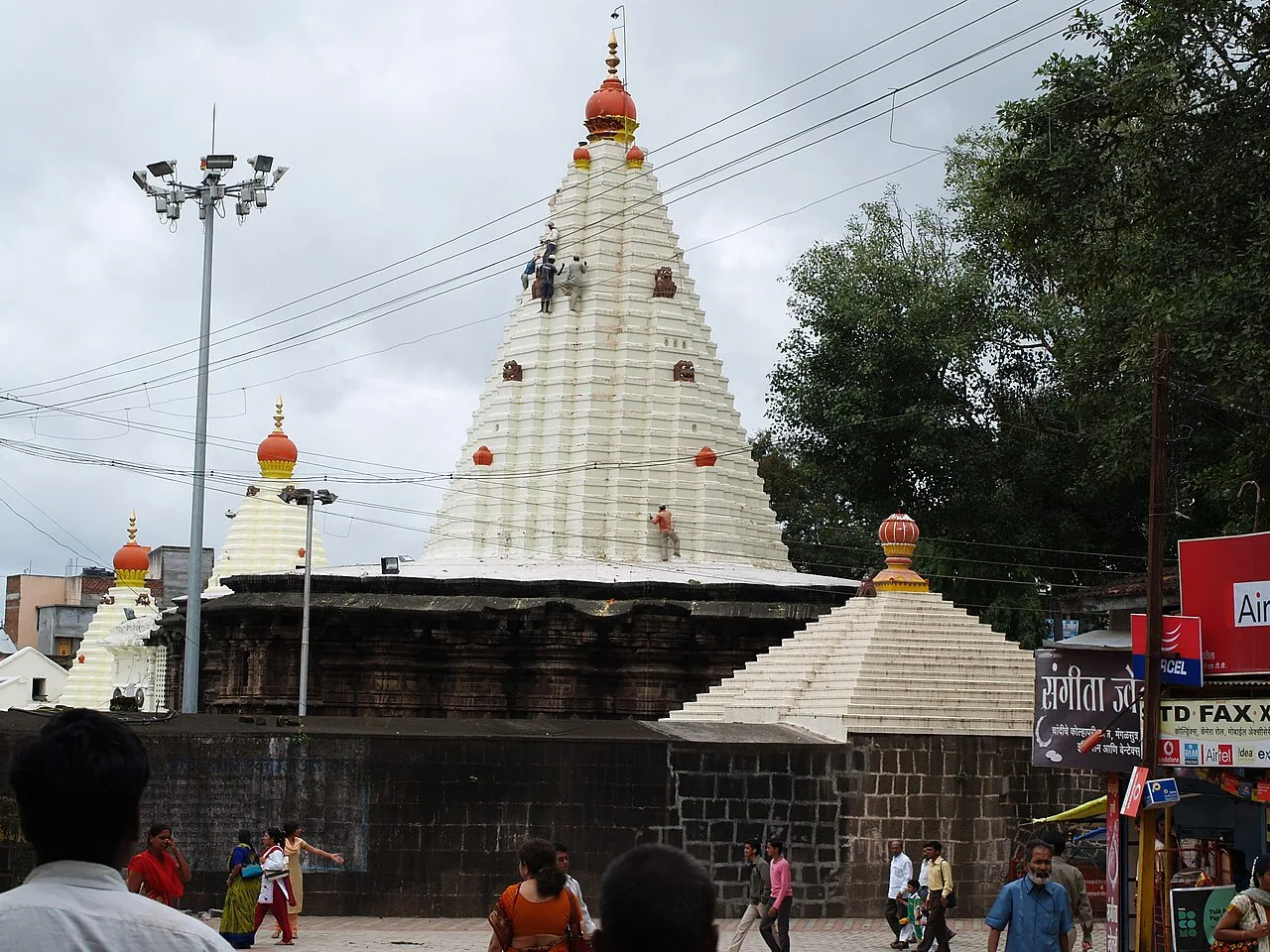
The Mahalakshmi Temple, also called Ambabai Mandir, is a shrine in Kolhapur district, Maharashtra, dedicated to Goddess Mahalakshmi and visited as part of Hindu pilgrimage.

Rankala Lake

184 km away · Kolhapur district

Rankala Lake

Rankala Lake is a freshwater lake in Kolhapur, Maharashtra. Visitors can come to see a lake within the city and spend time beside its waters.

Vithoba Temple

184 km away · Solapur district

Vithoba Temple

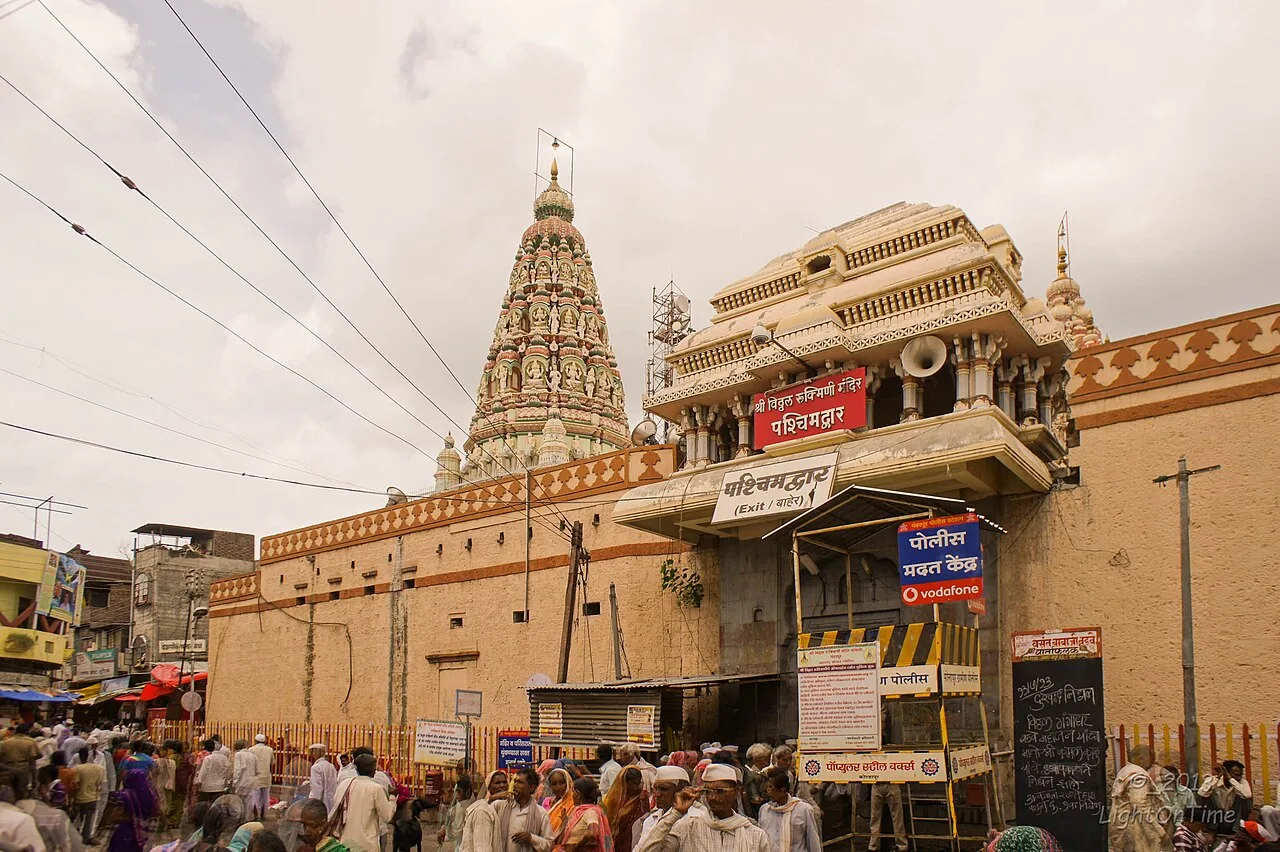
The Vithoba Temple, also called Shri Vitthal-Rukmini Mandir, is a Hindu shrine in Pandharpur, Maharashtra. Devotees visit to worship Vithoba and Rakhumai and join major Warkari pilgrimages.

Jyotiba Temple

192 km away · Kolhapur district

Jyotiba Temple

Near Wadi Ratnagiri in Maharashtra’s Kolhapur district, Jyotiba Temple is a Hindu place of worship. People visit the shrine and its annual fair, held at full moon in Chaitra and Vaishakha.

Amboli

194 km away · Sindhudurg district

Amboli

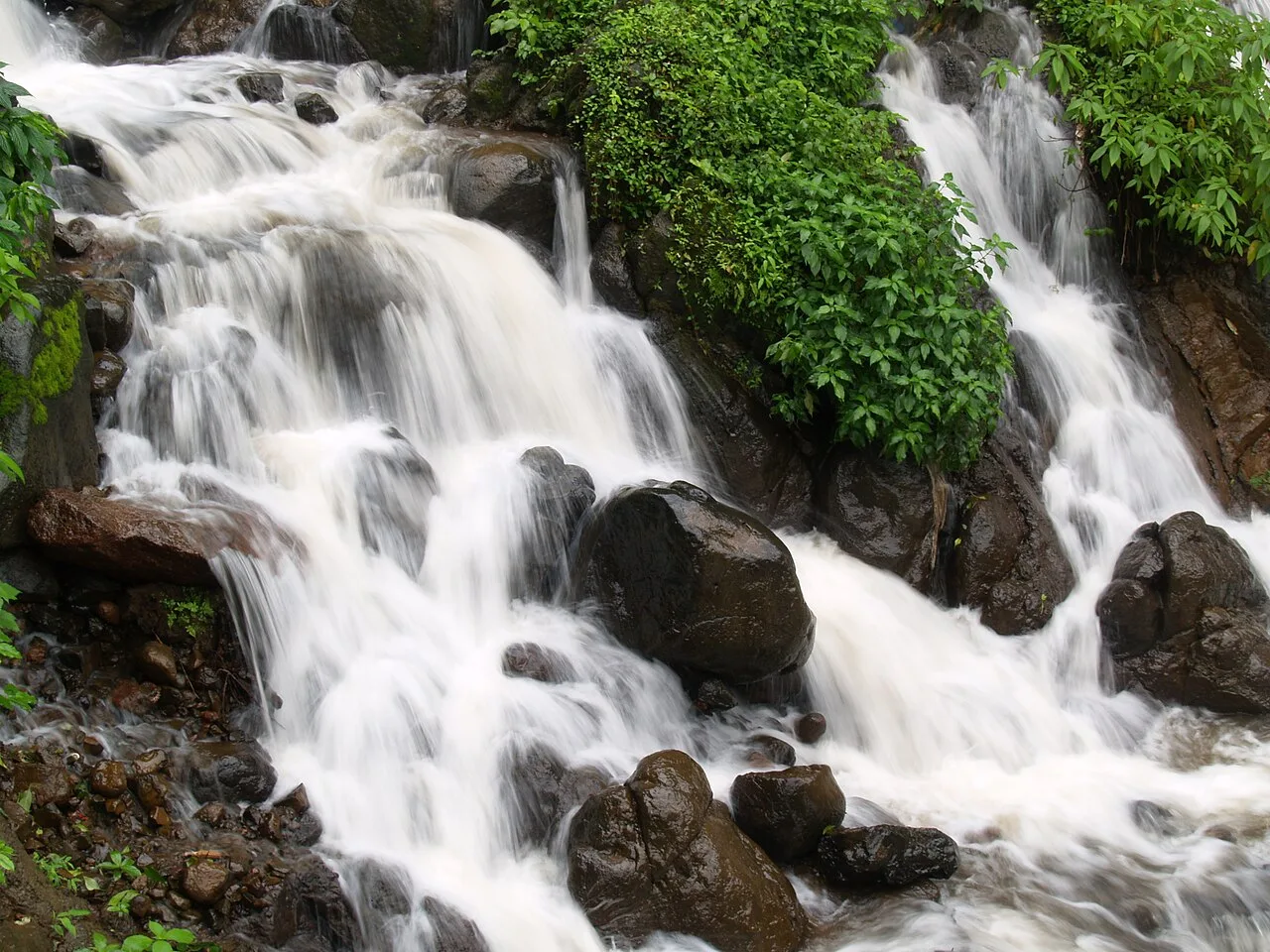
Amboli is a village and hill resort in Maharashtra’s Sindhudurg district. Visitors come for its monsoon rain, waterfalls and mist, and for its setting in the Western Ghats.

Panhala Fort

199 km away · Kolhapur district

Panhala Fort

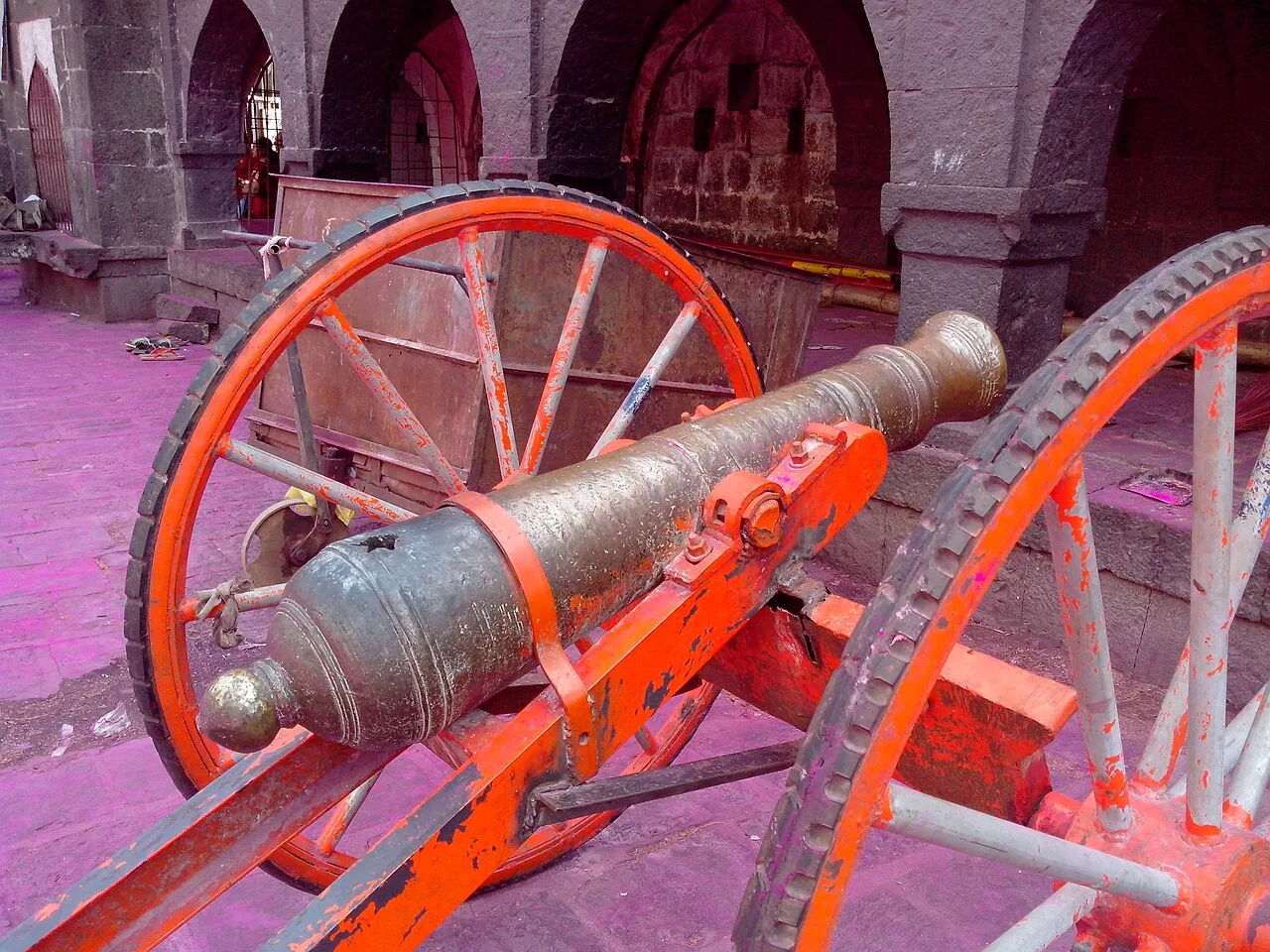
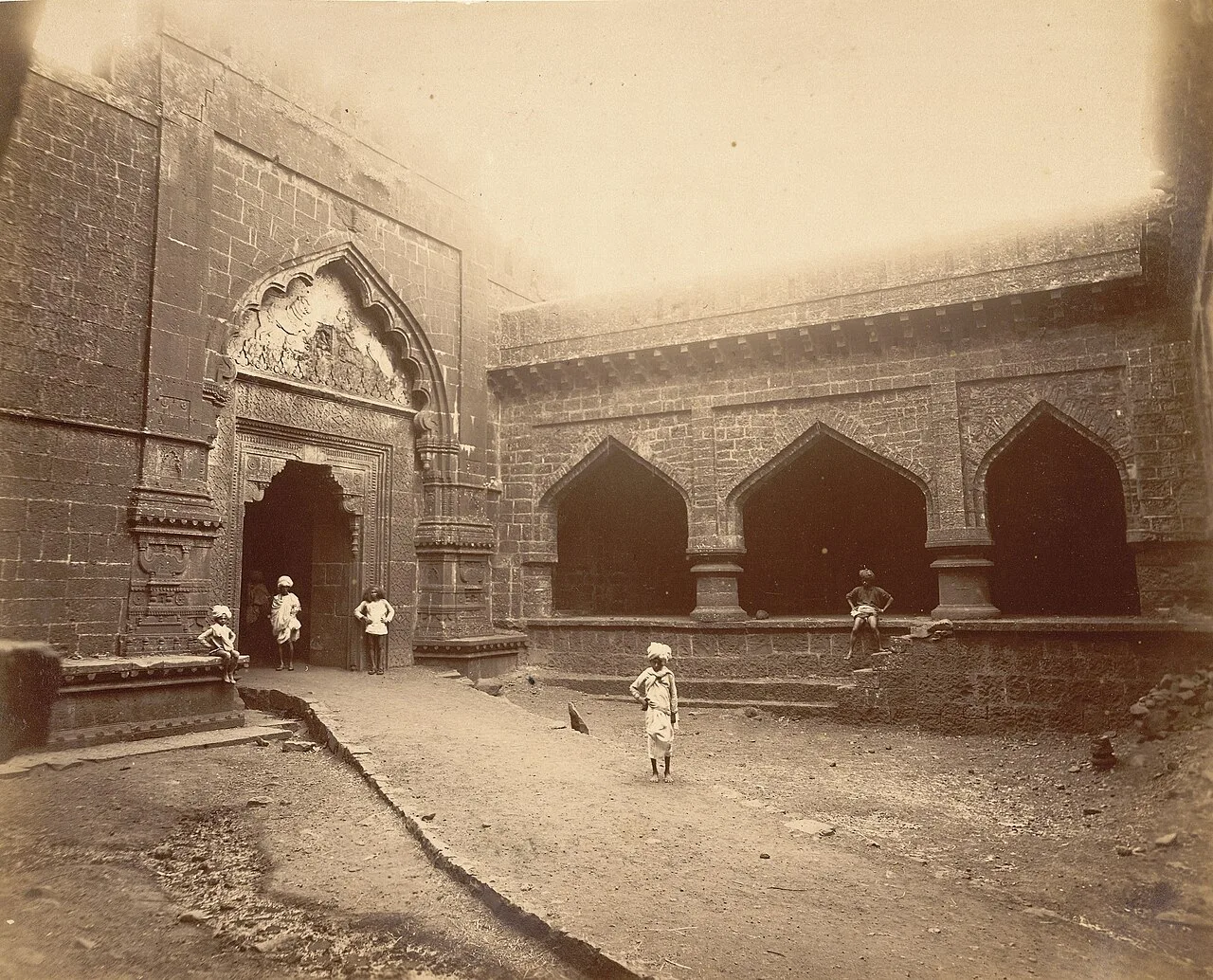
Panhala Fort is a hilltop stronghold in Kolhapur district, Maharashtra, overlooking a Western Ghats pass. Visitors come to see its surviving structures and explore its connections with Deccan conflicts and Tarabai.

Tulja Bhavani Temple

218 km away · Dharashiv district

Tulja Bhavani Temple

Tulja Bhavani Temple is a 12th-century shrine to goddess Bhavani in Tuljapur, Maharashtra. It is counted among India’s 51 Shakti Pithas and the state’s four major Shakti shrines.

Sindhudurg Fort

251 km away · Sindhudurg district

Sindhudurg Fort

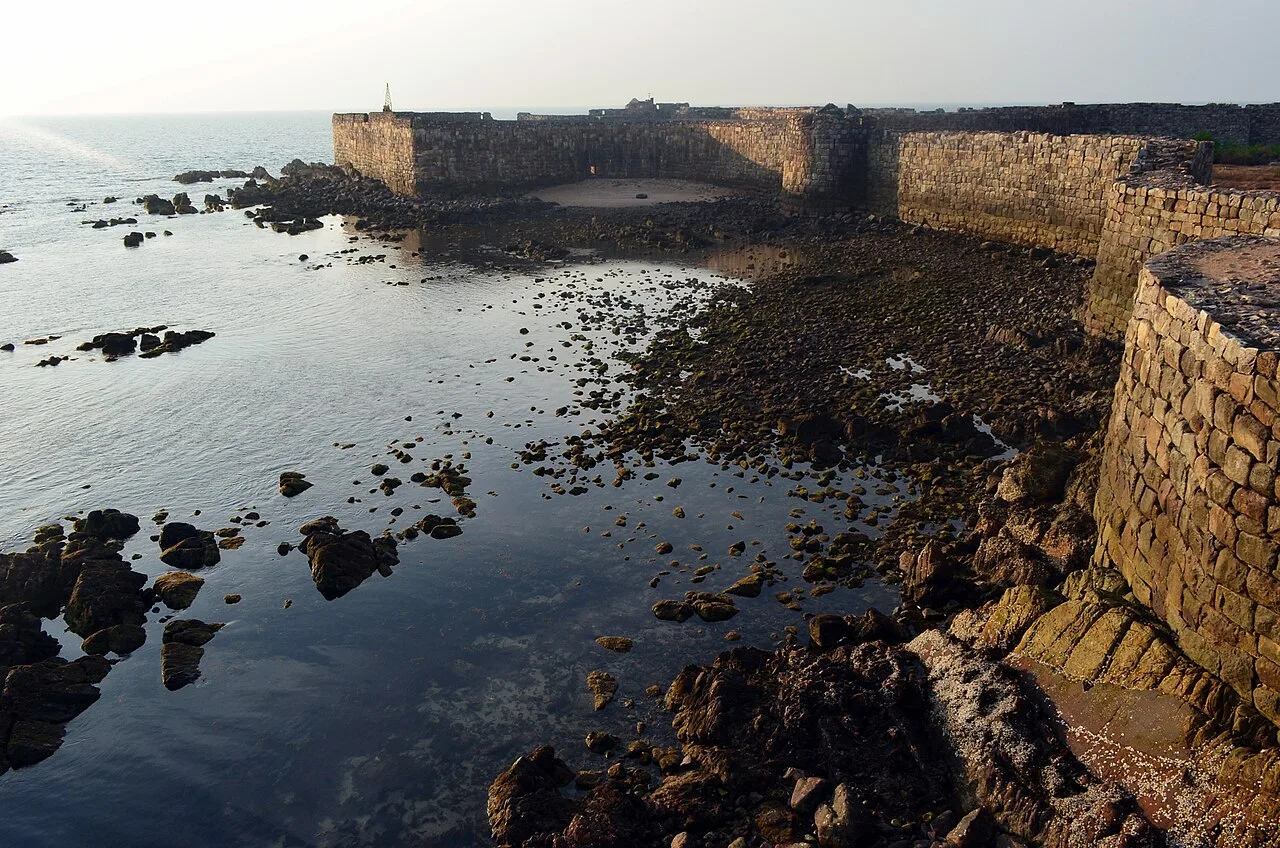
Off Maharashtra’s Konkan coast, Sindhudurg Fort is a historic maritime stronghold commissioned by Chhatrapati Shivaji. Visitors come for its history, and the Archaeological Survey of India protects it as a monument.

Map

Kamatgi on the map

  1. 1Mahalakshmi Temple, Kolhapur
  2. 2Rankala Lake
  3. 3Vithoba Temple
  4. 4Jyotiba Temple
  5. 5Amboli
  6. 6Panhala Fort
  7. 7Tulja Bhavani Temple
  8. 8Sindhudurg Fort

Maharashtra

Other cities to explore