Ghumoopedia — Explore, Discover, Experience
Sign in
Vithoba Temple, near Mhaswad

City guide · Maharashtra

Mhaswad

Mhaswad is a small city in Maan taluka of Satara district, serving as a local centre for the surrounding settlements of Maharashtra’s dryland Maan region. Its everyday importance comes from this role as a place for trade, services and travel, as well as its position on National Highway 548C, the Satara–Baitul route.

Famous for

  • Siddhanath Temple
  • Kartik-season temple fair
  • Maan-region market
  • Dryland farming hinterland

Why Mhaswad matters

Mhaswad is a small city in Maan taluka of Satara district, serving as a local centre for the surrounding settlements of Maharashtra’s dryland Maan region. Its everyday importance comes from this role as a place for trade, services and travel, as well as its position on National Highway 548C, the Satara–Baitul route. The highway connects the town with other parts of the district and the wider region.

For visitors, the principal landmark is Siddhanath Temple, which draws worshippers and becomes a focus of seasonal religious gatherings. The surrounding countryside, with its open plateau landscapes and farming settlements, offers a quieter view of inland rural Maharashtra than the state’s better-known hill and coastal destinations. Mhaswad is not widely known for a major textile, craft or industrial specialism; its identity is more closely tied to the temple, its local market and the communities of Maan taluka. It makes a useful stop for travellers exploring the Satara district or visiting the shrine.
Famous for: crafts, trade & products

Mhaswad is better known as a local trading and service centre than as a manufacturing or craft destination. Its shops and market area cater to residents of the town and nearby villages, with everyday goods and agricultural needs forming the mainstay of commerce. The wider Maan region is associated with dryland farming and livestock keeping, but these are regional livelihoods rather than a distinct branded product of the city.

There is no widely recognised Mhaswad textile, saree, handicraft or GI-tagged product to seek out, and visitors should not expect a dedicated craft bazaar. For ordinary shopping, explore the town’s central market and shops around the main roads; availability varies with the season and local demand. Siddhanath Temple is the best-known visitor landmark, rather than a commercial institution or workshop. Local food stalls and small eateries are the most practical places to sample regional fare. Those looking for specialist Satara district products or a broader range of shops may find more choice in larger centres such as Satara, while Mhaswad offers a more direct look at everyday trade in Maan taluka.

History

Mhaswad’s history is closely linked to the settlement patterns, farming communities and religious traditions of the Maan region. Siddhanath Temple has long been an important local place of worship, although detailed, widely established accounts of the town’s early growth and the shrine’s precise construction history are limited. The temple’s continuing role in community gatherings gives it a visible place in Mhaswad’s identity.

The wider Satara region was part of the Maratha political sphere and later came under British administration. The former Satara princely state was annexed by the British in 1848; this regional change should not be taken as evidence of a specific event in Mhaswad itself. In the modern period, Mhaswad developed as a town serving nearby villages within Maan taluka. Improved road connections, including National Highway 548C, have strengthened its links with Satara and other settlements. Its growth remains primarily local and regional rather than based on large-scale industry or tourism.

Food, festivals & culture

Marathi is the principal language of daily life, with Hindi also understood by many people. Food reflects the dry farming country around Mhaswad: jowar bhakri, pithla, zunka and spicy thecha are familiar regional dishes. Some eateries serve non-vegetarian meals, including mutton preparations, though menus and availability vary. Local sweets and snacks are generally found in small shops rather than as a signature city-wide speciality.

Religious life centres on Siddhanath Temple, and its annual gathering is associated with the Kartik season, usually falling around October or November in the Gregorian calendar. Festival dates follow the Hindu calendar and can vary each year. Ganesh Chaturthi, Diwali and other widely observed Maharashtrian festivals are also part of the local calendar. Bhajans, devotional singing and kirtan are common forms of religious expression; folk performance and percussion may feature at community events. The temple precinct and the town’s central streets offer the clearest sense of Mhaswad’s public and devotional life.

Visiting the city

The cooler months from October to February are generally the most comfortable for a visit. Summers can be very hot, while monsoon conditions bring rain and may affect rural road travel. Pune Airport is the main practical air gateway, with a road journey onward to Mhaswad. Satara railway station is a useful rail connection; continue from there by road, checking current local transport options before setting out.

State transport buses, taxis and private vehicles connect Mhaswad with nearby towns, while auto-rickshaws are useful for short trips within town. Begin around Siddhanath Temple and explore the central market streets for everyday activity. The surrounding Maan countryside is worth seeing for its open, semi-arid landscape and village scenery. Mhaswad is compact, so visitors can cover its central areas without a complicated itinerary.

Trips from the city

Nearest places to visit from Mhaswad

Our closest destination guides, by straight-line distance.

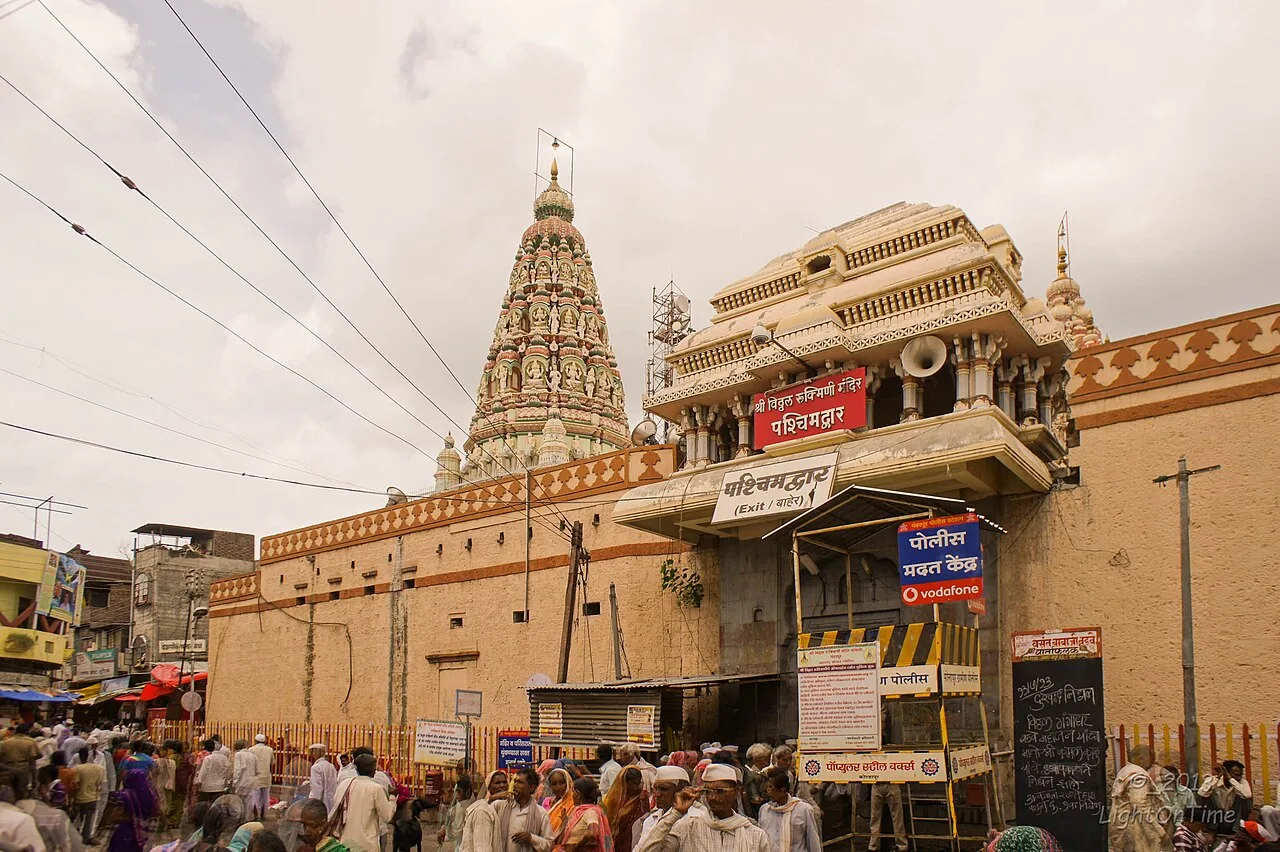
Vithoba Temple

58 km away · Solapur district

Vithoba Temple

The Vithoba Temple, also called Shri Vitthal-Rukmini Mandir, is a Hindu shrine in Pandharpur, Maharashtra. Devotees visit to worship Vithoba and Rakhumai and join major Warkari pilgrimages.

Jejuri

97 km away · Pune district

Jejuri

Jejuri, a city with a municipal council in Pune district, Maharashtra, is known for the Khandoba Mandir, an important Hindu pilgrimage site for communities across the state.

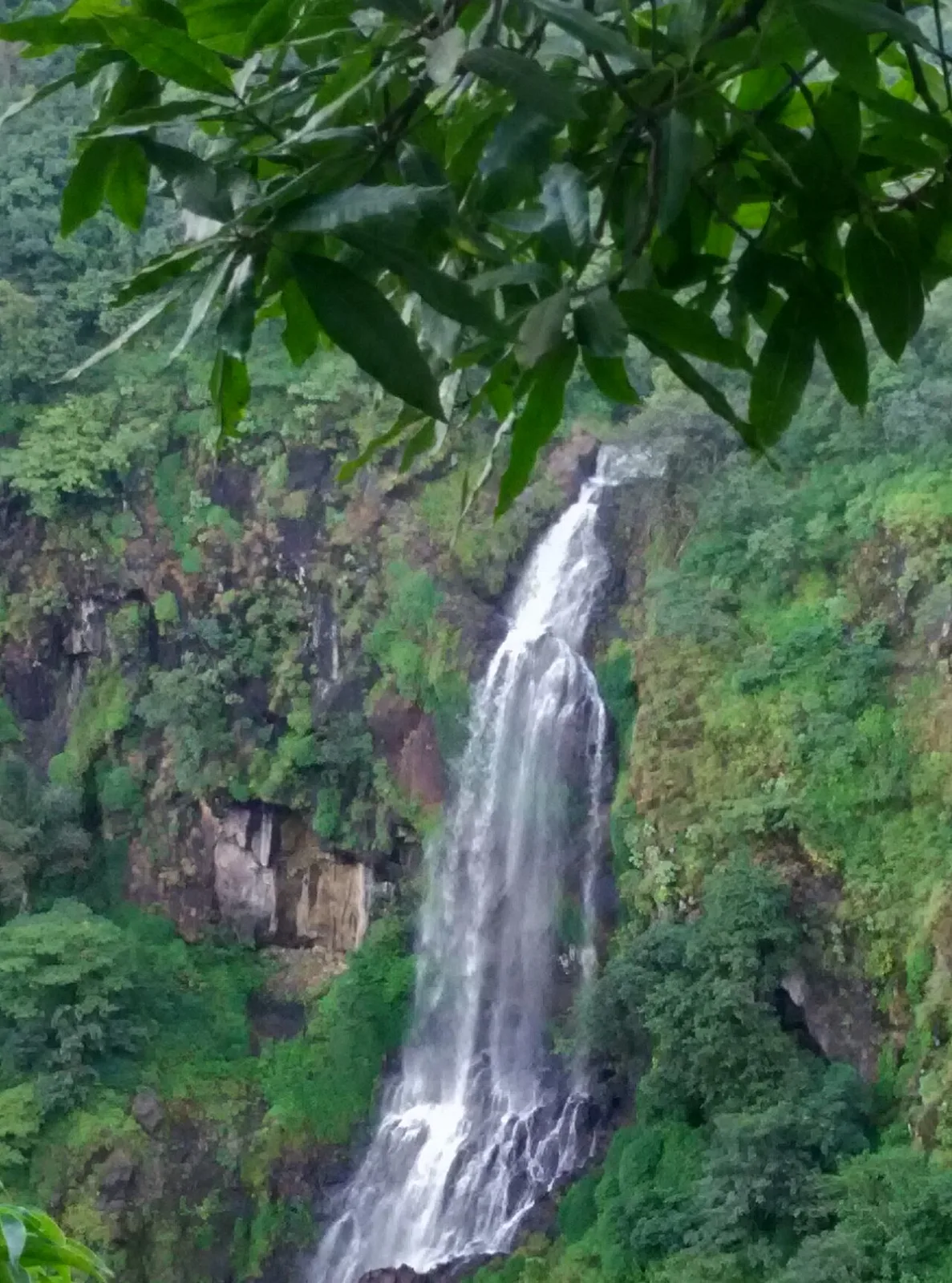
Thoseghar Falls

100 km away · Satara district

Thoseghar Falls

Thoseghar Falls is a series of cascades near Thoseghar village in Maharashtra’s Satara district. Visitors come to see the waterfalls, especially during the monsoon, when rainfall swells their flow.

Kaas Plateau

103 km away · Satara district

Kaas Plateau

Kaas Plateau is a high basalt tableland and reserve forest in Maharashtra’s Satara district. Its seasonal wildflowers, endemic butterflies and distinctive plants make it a destination for nature visits, especially in August and September.

Panchgani

109 km away · Satara district

Panchgani

Panchgani, also known as Paachgani, is a hill station in Maharashtra’s Satara district with municipal-council status. Visitors come throughout the year, and its many convent boarding schools are also well known.

113 km away · Satara district

Bhilar (Book Village)

Bhilar is a village in Maharashtra’s Satara district, known as the Book Village. Visitors may be drawn by its distinctive association with books.

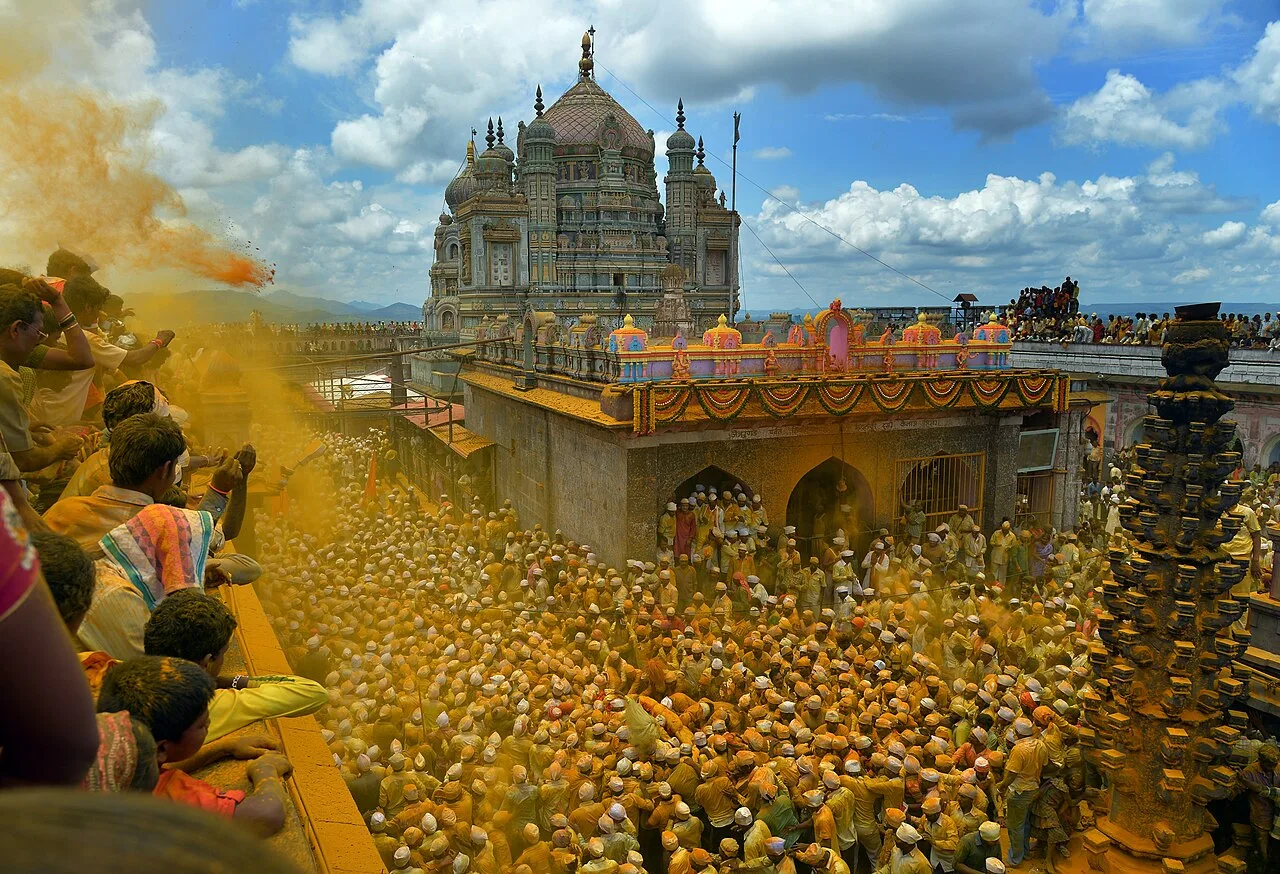
Jyotiba Temple

114 km away · Kolhapur district

Jyotiba Temple

Near Wadi Ratnagiri in Maharashtra’s Kolhapur district, Jyotiba Temple is a Hindu place of worship. People visit the shrine and its annual fair, held at full moon in Chaitra and Vaishakha.

Panhala Fort

117 km away · Kolhapur district

Panhala Fort

Panhala Fort is a hilltop stronghold in Kolhapur district, Maharashtra, overlooking a Western Ghats pass. Visitors come to see its surviving structures and explore its connections with Deccan conflicts and Tarabai.

Map

Mhaswad on the map

  1. 1Vithoba Temple
  2. 2Jejuri
  3. 3Thoseghar Falls
  4. 4Kaas Plateau
  5. 5Panchgani
  6. 6Bhilar (Book Village)
  7. 7Jyotiba Temple
  8. 8Panhala Fort

Maharashtra

Other cities to explore