Ghumoopedia — Explore, Discover, Experience
Sign in
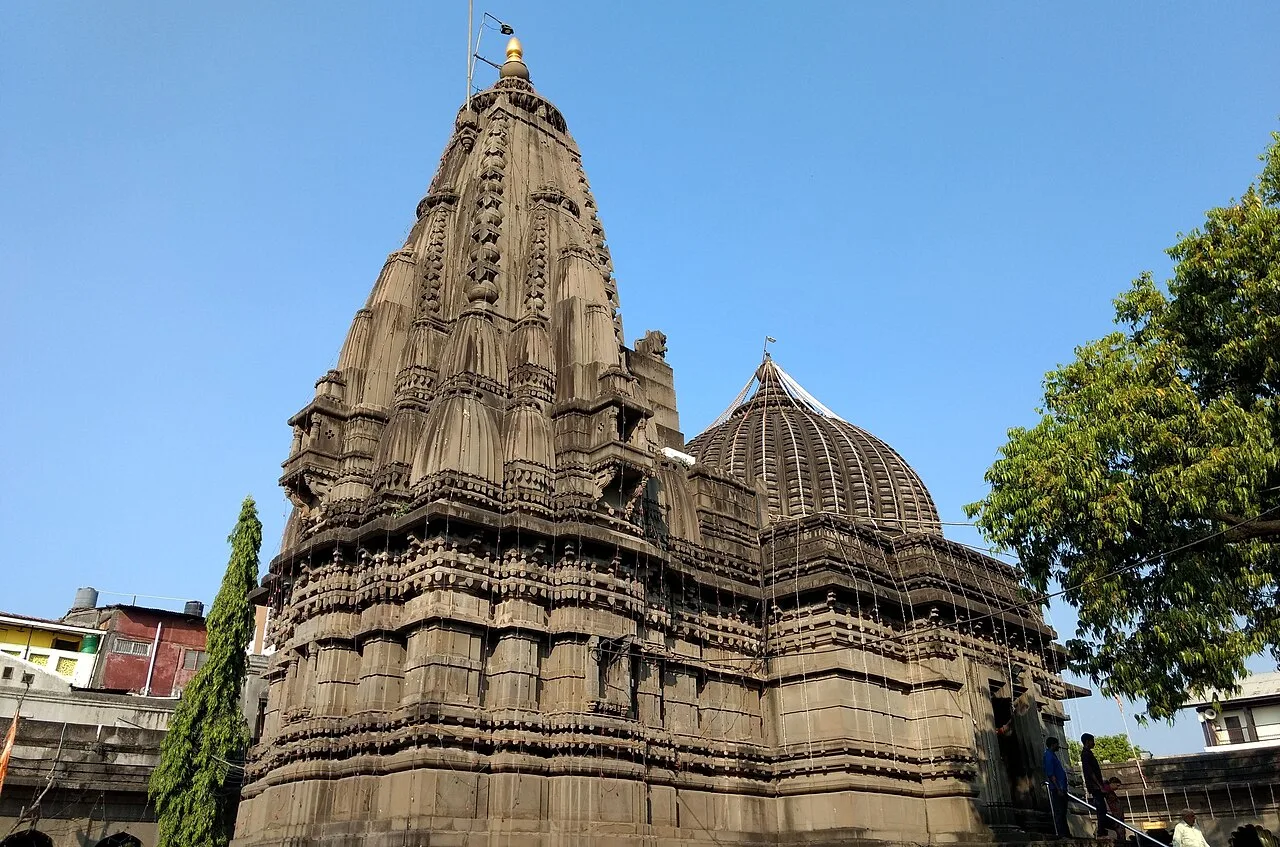
Trimbakeshwar Temple, near Jawhar

City guide · Maharashtra

Jawhar

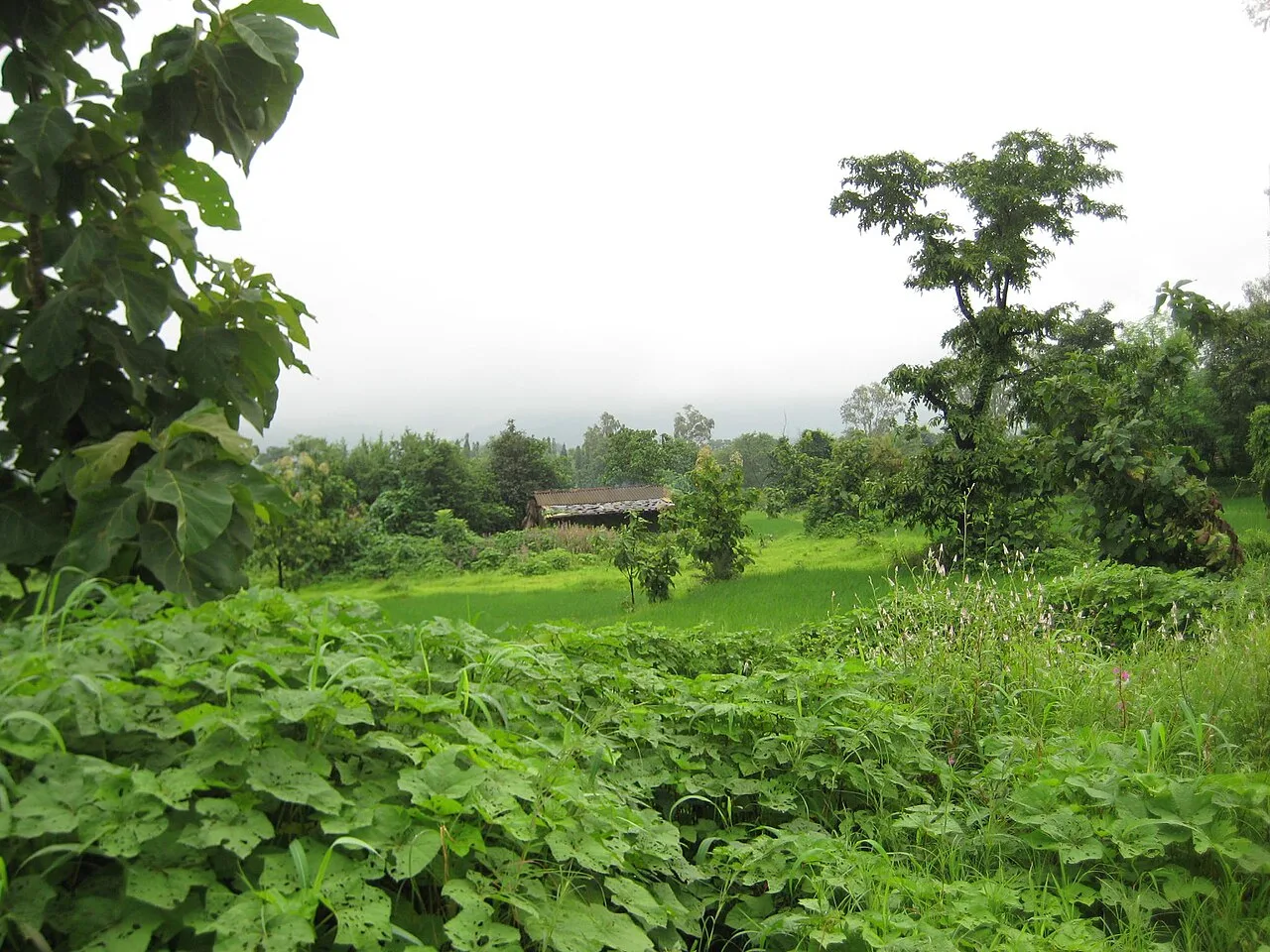
Jawhar is a small hill town in Maharashtra’s Palghar district, set amid the northern Western Ghats. It serves as the administrative headquarters of Jawhar taluka and is a regional centre for nearby communities.

Famous for

  • Warli painting
  • Jai Vilas Palace
  • Monsoon waterfalls
  • Tribal heritage
  • Western Ghats scenery

Why Jawhar matters

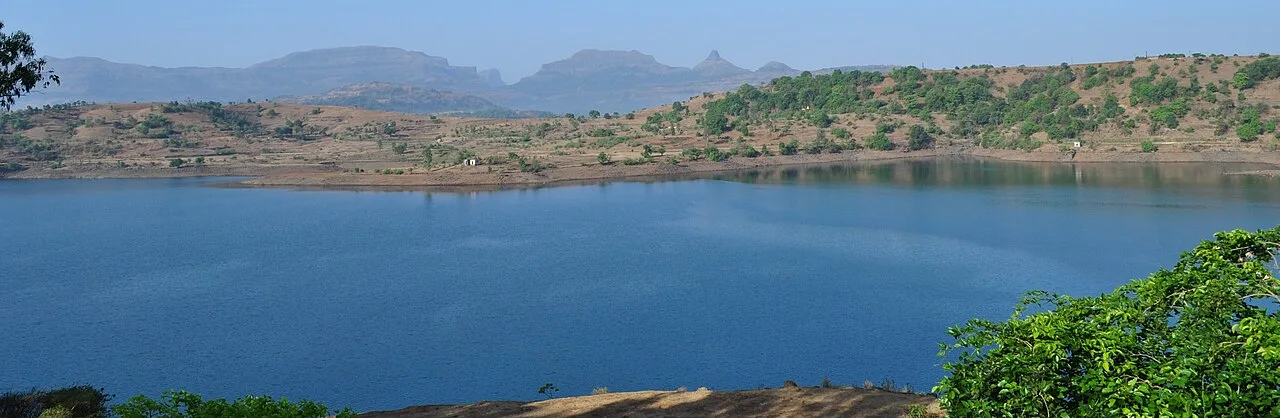
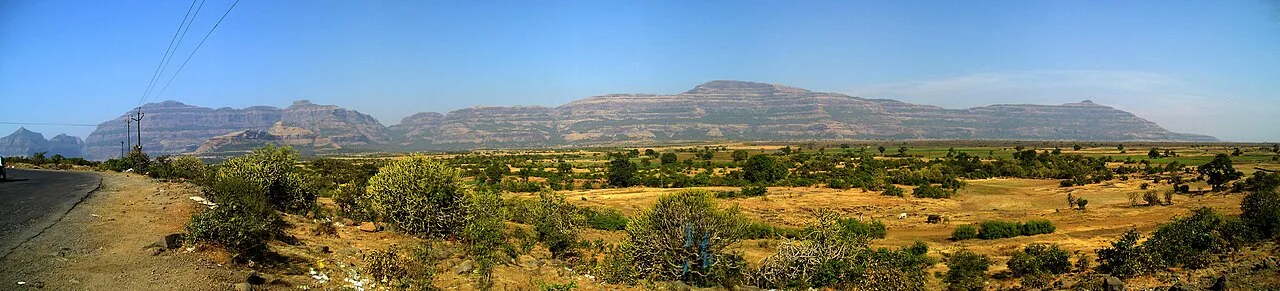
Jawhar is a small hill town in Maharashtra’s Palghar district, set amid the northern Western Ghats. It serves as the administrative headquarters of Jawhar taluka and is a regional centre for nearby communities. Its location, around 447 metres above sea level, brings forested slopes, deep valleys and a markedly greener landscape than the surrounding lowlands.

Visitors come for Jawhar’s tribal heritage and Warli painting, a distinctive art tradition associated with the region. The historic Jai Vilas Palace recalls the town’s past as the capital of the princely state of Jawhar, while viewpoints and nearby waterfalls make the area especially appealing during and after the monsoon. Hanuman Point, Shirpamal, Dabhosa and Kal Mandavi are among the places explored on local trips. Jawhar is also a practical base for experiencing rural landscapes and cultural traditions in this part of Palghar district. Its appeal lies less in urban attractions than in the combination of history, local art and quiet hill-country scenery within reach of Mumbai and Nashik.
Famous for: crafts, trade & products

Warli painting is Jawhar’s best-known craft association. Created by tribal artists, these paintings use rhythmic lines and simple geometric forms to depict people, animals, farming and community life. Visitors can ask locally about work by area artists or cultural groups, and look for paintings and related handicrafts in shops around town. Availability and the artists represented can vary, so buying directly from a maker or an organised local group is a useful way to learn about the work and support its practitioners.

Jawhar is not especially known as a textile, saree or large-scale industrial centre, and no particular local product market defines the town. Its small-town shops and market area serve residents and visitors with everyday goods and seasonal produce; they are also the most practical places to ask about locally made items. Warli art is sometimes sold on paper, cloth and household objects, but buyers should check who made a piece and whether it is hand-painted. The town’s cultural identity is more closely tied to tribal art and heritage than to a single commercial product. Jai Vilas Palace and local cultural displays offer context for the region’s history, though they should not be treated as guaranteed retail outlets.

History

Jawhar’s history is closely linked to the princely state of the same name. Raja Jayaba Mukne founded the state in 1343 and established Jawhar as its capital. The state endured for more than six centuries, passing through changing political circumstances while remaining centred on this hill town. Under British rule it formed part of the Bombay Presidency and held the status of a princely state with a nine-gun salute.

Development was uneven during much of the state’s history, but it gathered momentum under Raja Patang Shah IV and later rulers. Jai Vilas Palace, also known as Raj Bari, reflects the Mukne family’s royal period and blends Indian and Western architectural influences. Yashwantrao Martandrao Mukne was the last ruler before Jawhar acceded to the Indian Union in 1947. In 1918, Jawhar established a municipal council, making it one of Maharashtra’s older municipal bodies. Today it is a town in Palghar district and the administrative centre of Jawhar taluka, with a role shaped by local services, tourism and its surrounding rural communities.

Food, festivals & culture

Jawhar’s cultural life reflects its tribal communities and wider Maharashtrian traditions. Warli painting is a prominent expression of local identity, while the tarpa—a wind instrument—accompanies circular group dances at community gatherings. Marathi is widely used; Warli and other local speech forms are also part of everyday life in the surrounding area.

Meals commonly draw on rice, nagli (finger millet), pulses and seasonal vegetables, with ingredients and recipes varying between households. Jawhar is not particularly associated with a single signature sweet. Across Maharashtra, festive foods such as modak for Ganesh Chaturthi and puran poli for spring celebrations may be found, though they are not unique to the town. Ganesh Chaturthi, usually in the late monsoon, and Diwali in autumn are observed alongside Holi in spring and community or harvest-related gatherings. The calendar and customs can differ from village to village. Places of worship include the old Maruti temple at Hanuman Point; visitors should be respectful during services and local ceremonies.

Visiting the city

October to February is generally comfortable for exploring Jawhar. The monsoon, usually June to September, brings dramatic waterfalls and lush scenery, but heavy rain can make roads and trails slippery; check local conditions before setting out. Chhatrapati Shivaji Maharaj International Airport in Mumbai is the main airport for reaching the town. Jawhar has no railway station; Igatpuri is a useful rail gateway, with the onward journey made by road.

Road travel is the most practical way to explore. Local taxis or a hired vehicle can connect the town with nearby viewpoints and waterfalls; confirm road conditions locally, especially in the rains. In town, explore the Jai Vilas Palace area, Hanuman Point and Shirpamal. Dabhosa and Kal Mandavi waterfalls, as well as Khad-Khad Dam, make worthwhile outings beyond the centre. Allow extra time for winding hill roads.

Trips from the city

Nearest places to visit from Jawhar

Our closest destination guides, by straight-line distance.

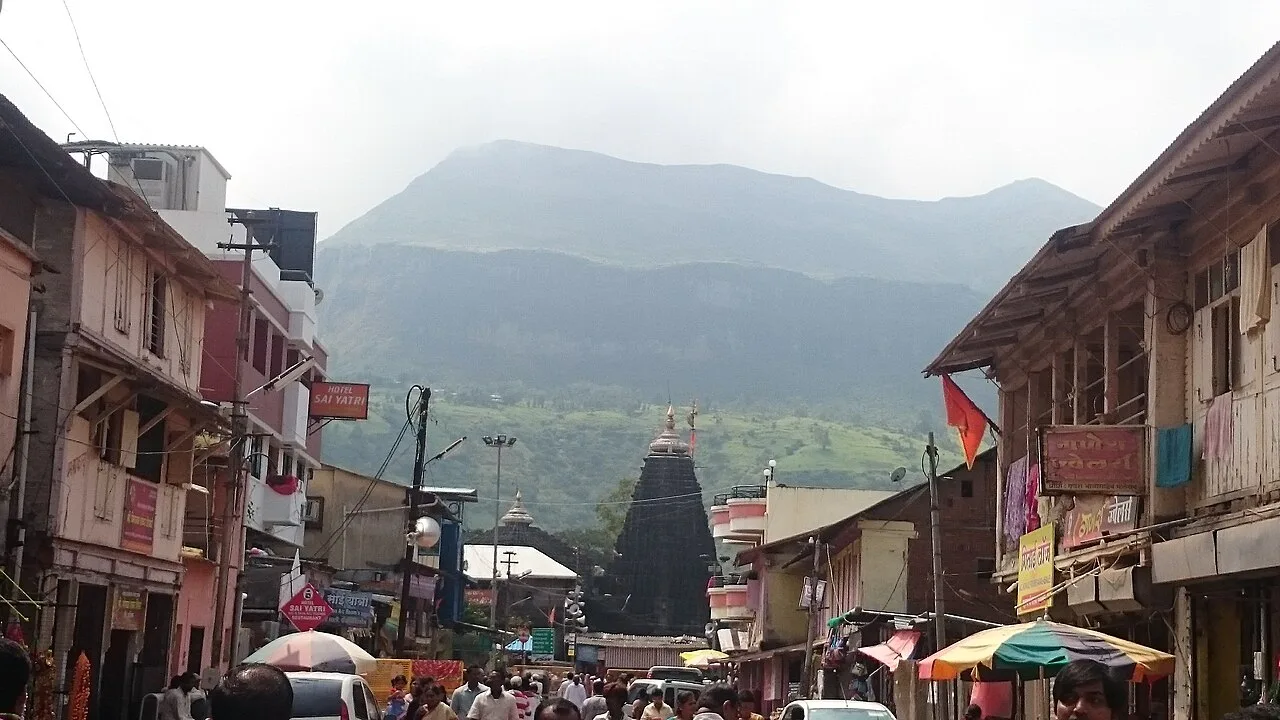
Trimbakeshwar Temple

32 km away · Nashik district

Trimbakeshwar Temple

Trimbakeshwar Temple is a Shiva shrine in Maharashtra’s Nashik district and one of the twelve jyotirlingas. Visitors come to worship, perform Hindu rites and connect with the Godavari’s beginnings.

Ganjad (Warli Village)

38 km away · Palghar district

Ganjad (Warli Village)

Ganjad is identified as a Warli village in Dahanu taluka, Palghar district, Maharashtra. People interested in places bearing the Warli village designation may wish to visit.

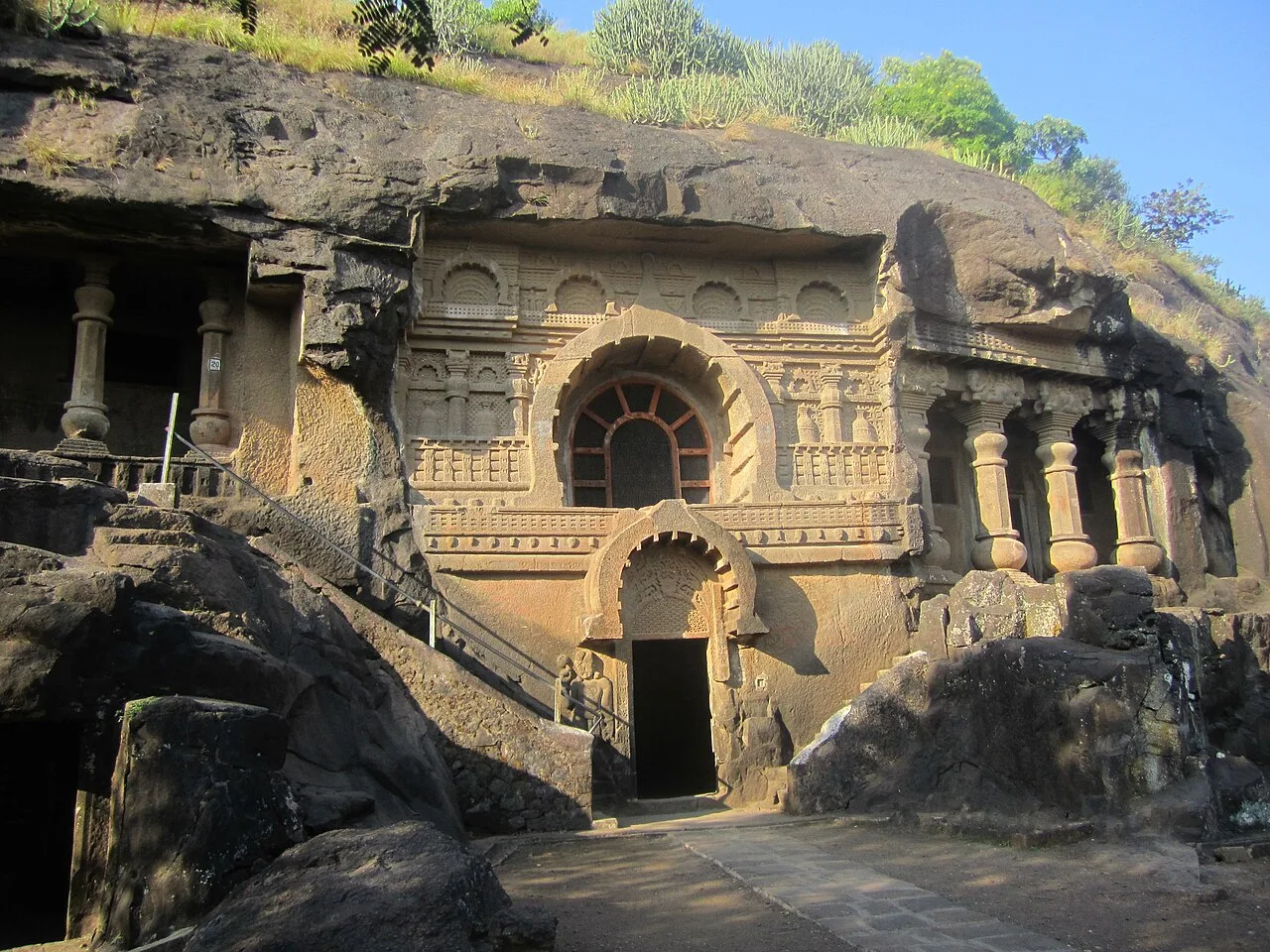
Pandavleni Caves

55 km away · Nashik district

Pandavleni Caves

Pandavleni, also called the Trirashmi and Nashik Caves, is a Buddhist and Jain complex near Nashik, drawing visitors to its religious chambers and distinctive cave architecture.

Kalaram Temple

60 km away · Nashik district

Kalaram Temple

Kalaram Temple is a Hindu shrine in Nashik, Maharashtra, devoted to Rama. Visitors come to worship at the temple, whose inner sanctuary also contains images of Sita and Lakshmana.

Bhandardara

69 km away · Ahilyanagar district

Bhandardara

Bhandardara is a village in Maharashtra’s Ahilyanagar district, beside the Pravara River in the Western Ghats. Visitors come for Wilson Dam and Arthur Lake, as well as nearby forts and Mount Kalsubai.

Sanjay Gandhi National Park

80 km away · Mumbai Suburban district

Sanjay Gandhi National Park

Covering 103.84 square kilometres in Mumbai, Sanjay Gandhi National Park is a protected area in Maharashtra. More than two million people visit it each year.

Harishchandragad

82 km away · Ahilyanagar district

Harishchandragad

Harishchandragad is a hill fort in Maharashtra’s Ahilyanagar district, within the Western Ghats. Visitors come to see its rock-cut caves, temples, water cisterns and Kedareshwar cave shrine.

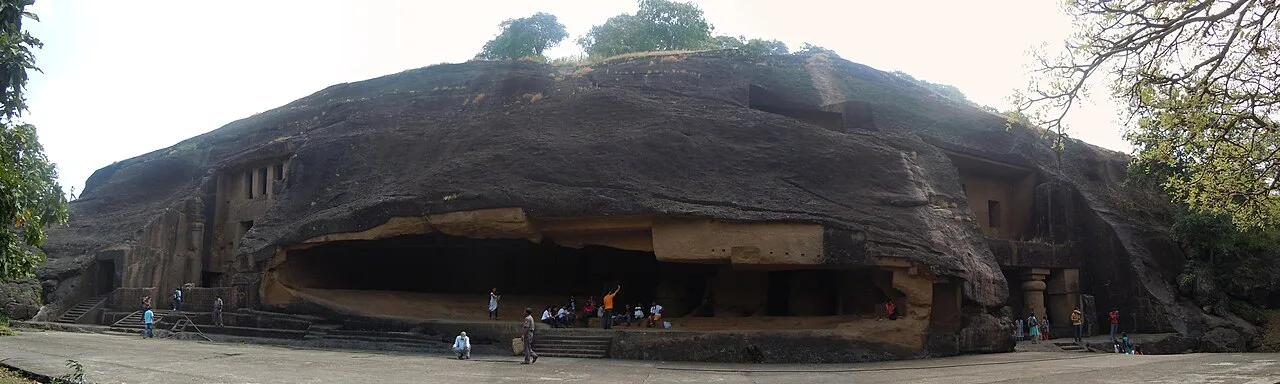
Kanheri Caves

85 km away · Mumbai Suburban district

Kanheri Caves

Kanheri Caves is a Buddhist monastic complex carved into a basalt hillside in Mumbai’s Sanjay Gandhi National Park. Visitors explore its caves, worship halls, sculptures and ancient water systems.

Map

Jawhar on the map

  1. 1Trimbakeshwar Temple
  2. 2Ganjad (Warli Village)
  3. 3Pandavleni Caves
  4. 4Kalaram Temple
  5. 5Bhandardara
  6. 6Sanjay Gandhi National Park
  7. 7Harishchandragad
  8. 8Kanheri Caves

Maharashtra

Other cities to explore