Ghumoopedia — Explore, Discover, Experience
Sign in
Lonar Lake, near Mehkar

City guide · Maharashtra

Mehkar

Mehkar is a taluka headquarters in Buldhana district, in Maharashtra’s Vidarbha region. Its importance today comes from its role as a local centre for administration, trade and services for surrounding rural communities.

Famous for

  • Sharangadhara tradition
  • Historic weaving tradition
  • Medieval town fortifications
  • Punch Pir shrine
  • Cotton and jowar farming

Why Mehkar matters

Mehkar is a taluka headquarters in Buldhana district, in Maharashtra’s Vidarbha region. Its importance today comes from its role as a local centre for administration, trade and services for surrounding rural communities. Agriculture remains central to the area, with cotton, jowar, wheat and pulses among the crops grown in the region. The town’s position on the Balaghat plateau gives the surrounding landscape a distinctive mix of ridges, valleys and seasonal streams.

Visitors interested in regional history can look for traces of Mehkar’s medieval past, including an old fortified gate, remains associated with a Hemadpanti temple, a partly ruined dharmashala and the Punch Pir shrine. Local tradition connects the town’s name with the demon Meghankara and Vishnu’s Sharangadhara form. Mehkar is also remembered for its once-prosperous weaving community and fine dhotis. It is not a major resort destination, but offers a quieter way to explore the history, religious traditions and everyday life of inland Vidarbha.
Famous for: crafts, trade & products

Mehkar’s best-known historic trade was weaving. The town was once associated with fine dhotis, and accounts of its medieval prosperity describe a substantial community of weavers and Momins. This heritage is important to the town’s story, although Mehkar is not widely recognised today as a specialist textile-shopping destination. Visitors hoping to find locally made cloth can ask in the town’s general market, but should not assume that traditional dhoti production is still available at scale.

The surrounding taluka is more strongly associated with agriculture than with a distinctive handicraft or large manufacturing industry. Cotton, jowar, wheat and pulses are grown in the region, supported by black and other basalt-derived soils. Everyday produce and household goods are sold through local shops and markets serving Mehkar and nearby villages. No particular GI-tagged product is strongly associated with the town. For a sense of its commercial history, look beyond shopping to the old fortified remains and the town’s traditional market streets; these reflect Mehkar’s former role as a weaving and administrative centre.

History

Local tradition explains Mehkar’s name through the story of Meghankara, a demon defeated by Vishnu in his Sharangadhara form. The town also appears in the Ain-i-Akbari as the headquarters of a Mughal-era sarkar, or administrative division. Its fortified settlement developed further in the medieval period. An inscription on a town gate records its construction in 1488, and the community’s weaving trade—especially fine dhotis—helped support its prosperity.

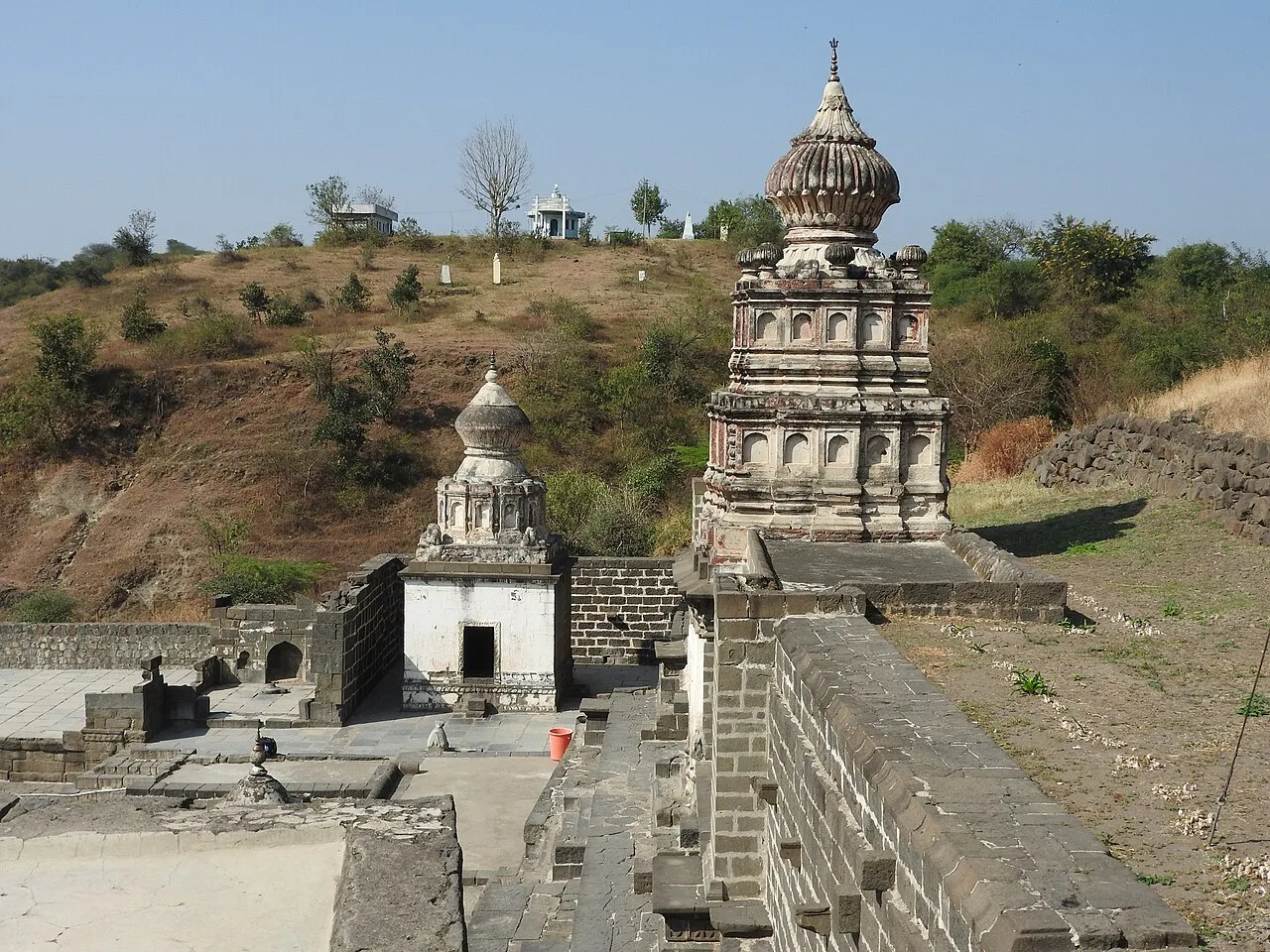
Mehkar later saw activity during Maratha and British campaigns. Madhavrao Peshwa camped here in 1769, while General Doveton did so in 1817 during operations against Appa Saheb Bhonsle. Surviving traces of earlier architecture include retaining walls associated with a Hemadpanti temple, a partly ruined colonnaded dharmashala, Punch Pir shrine and the remains known locally as Kanchani-cha Mahal. Mehkar once served as a district headquarters, before that role shifted to Buldhana. Its municipal council was established in 1929; today the town remains the headquarters of Mehkar taluka.

Food, festivals & culture

Mehkar’s everyday food reflects the wider cooking traditions of Vidarbha and Maharashtra. Jowar bhakri, pithla, pulses, seasonal vegetables and rice-based meals are familiar regional fare; thecha may accompany a meal for those who enjoy spicy food. Puran poli and other home-style sweets are commonly associated with festive occasions across the region, rather than being unique to Mehkar. Local eateries and household kitchens are the best places to encounter ordinary town food.

Marathi is the principal language of public life, while Hindi and Urdu are also used by some residents. Ganeshotsav in late monsoon, Navratri in autumn, Diwali in autumn and Holi in spring are observed in the broader regional calendar; Muslim residents also mark Eid. Celebrations may include devotional singing, bhajans and kirtan, alongside community music and processions. Mehkar’s places of worship include local temples and the Punch Pir shrine, reflecting the town’s varied religious traditions. Ask locally about current observances, as dates and activities vary from year to year.

Visiting the city

The cooler months, roughly from October to February, are generally more comfortable for exploring Mehkar. Summer can be very hot, while monsoon travel may bring rain and changing road conditions. The nearest major airport is Chhatrapati Sambhajinagar Airport; onward travel is by road. Khamgaon is a nearby railway station, while Akola offers broader rail connections. Check current transport links before setting out, as routes and services can change.

Auto-rickshaws and local vehicles are useful for getting around town; arrange road transport for sites farther out. Explore the old town for historic fortification remains and the traditional market area, then visit the Punch Pir shrine and nearby architectural remnants. The town centre is a practical base for food and local services. Treat ruined structures with care and ask residents for directions, since heritage sites may not have visitor facilities or clear signs.

Trips from the city

Nearest places to visit from Mehkar

Our closest destination guides, by straight-line distance.

Lonar Lake

21 km away · Buldhana district

Lonar Lake

Lonar Lake is a saline, soda-rich lake in Maharashtra’s Buldhana district, set within a meteorite-impact crater. Visitors come to see its unusual geological formation and recognised conservation status.

Aundha Nagnath Temple

84 km away · Hingoli district

Aundha Nagnath Temple

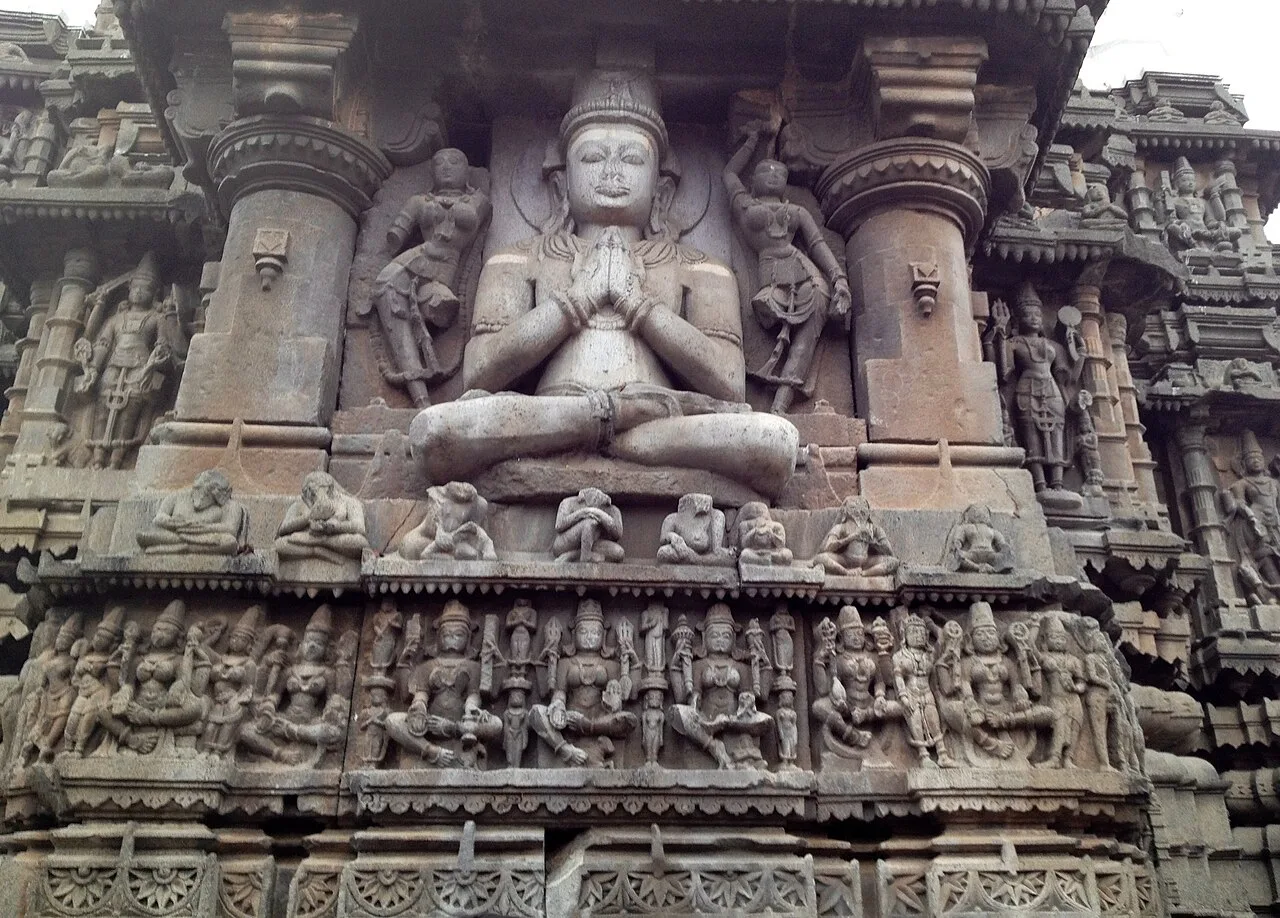
Aundha Nagnath Temple is an old Shiva shrine in Maharashtra’s Hingoli district, regarded as the eighth of the twelve Jyotirlinga shrines. Visitors come for its religious importance, historical associations and distinctive architecture.

Ajanta Caves

101 km away · Chhatrapati Sambhajinagar district

Ajanta Caves

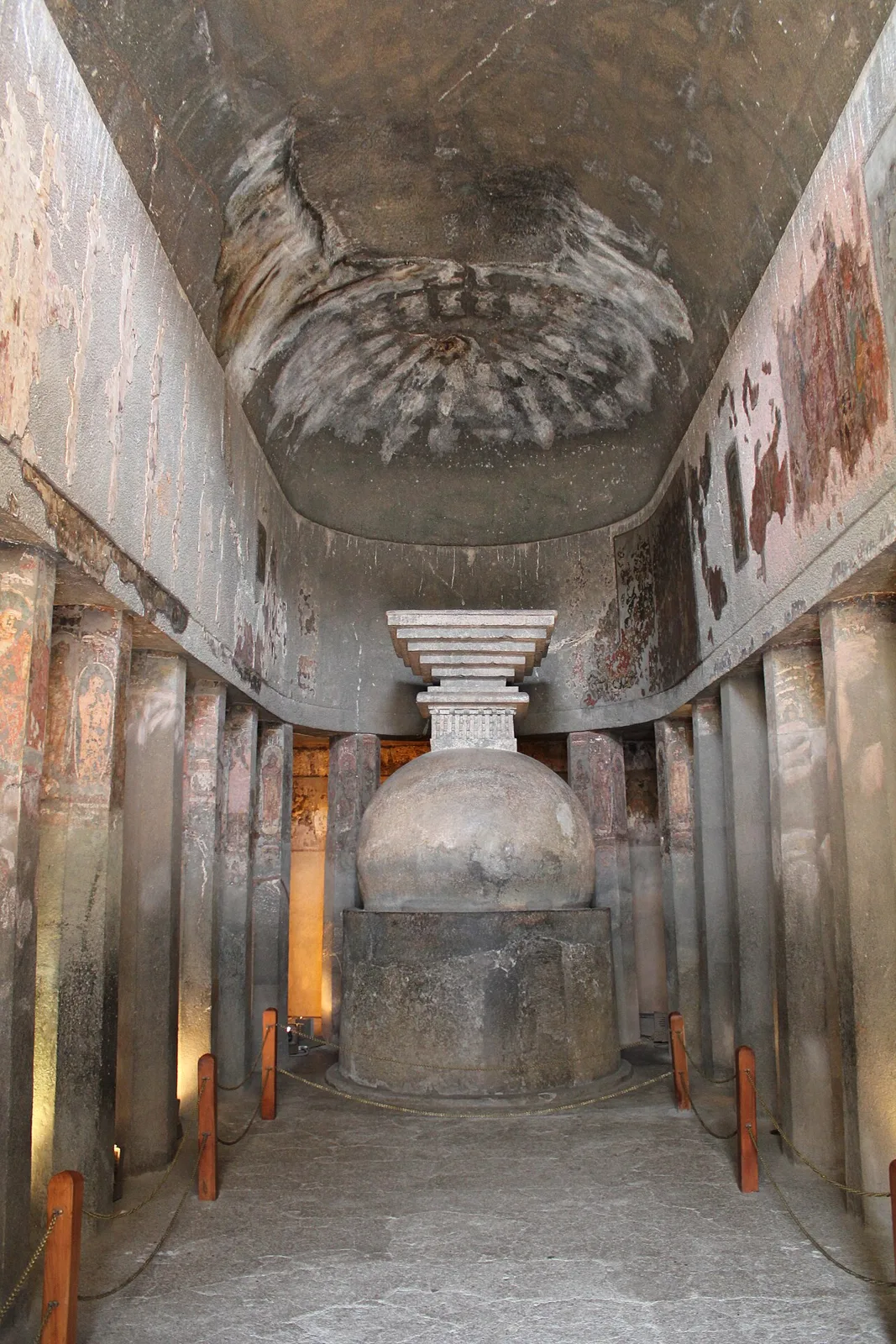
Ajanta is a group of 30 Buddhist caves in Maharashtra, known for its ancient paintings, sculptures and religious architecture. Visitors come to explore the site’s artistic and monastic heritage.

Bibi Ka Maqbara

133 km away · Chhatrapati Sambhajinagar district

Bibi Ka Maqbara

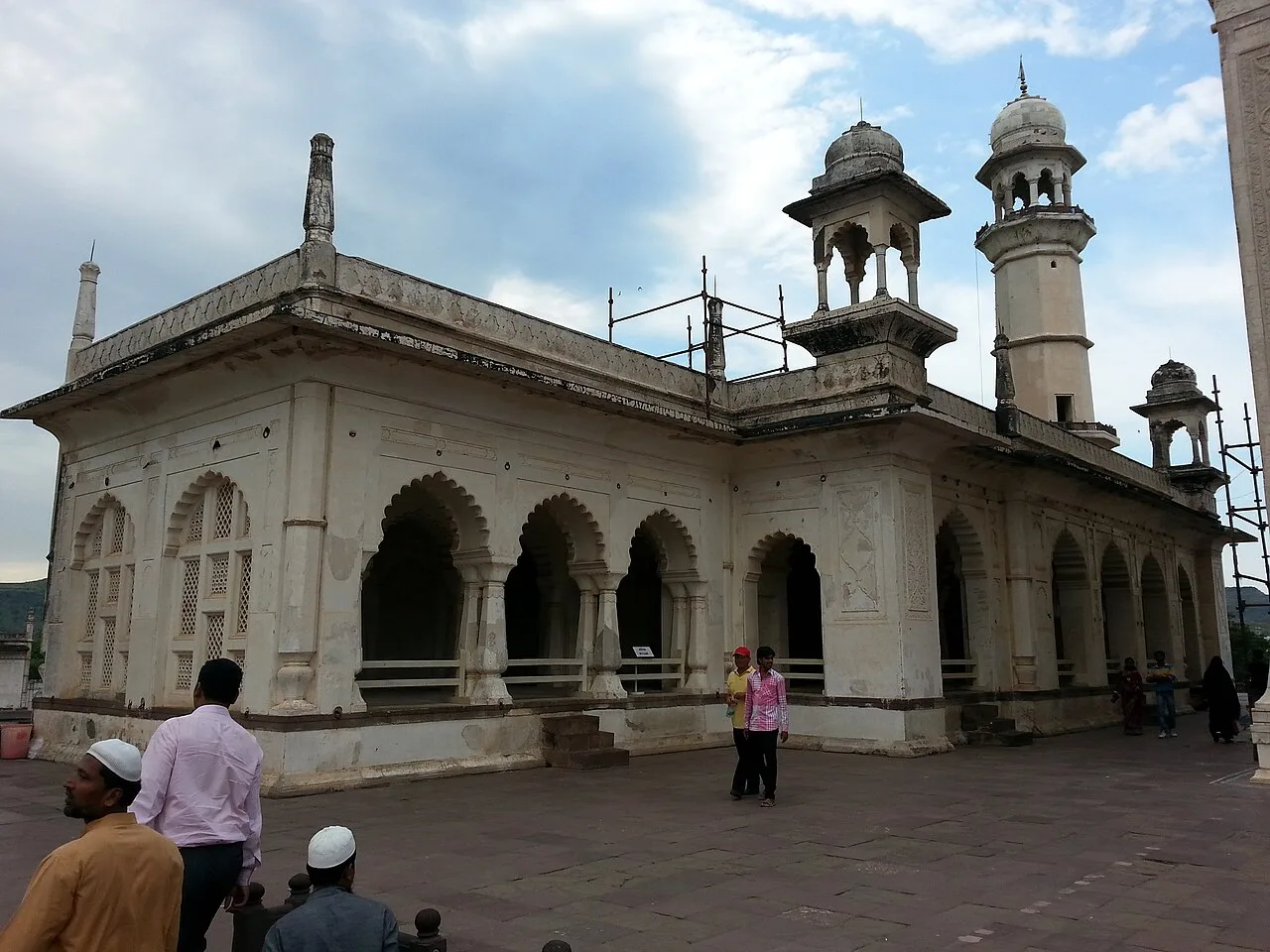
Bibi Ka Maqbara is a Mughal mausoleum in Aurangabad, Maharashtra, built for Dilras Banu Begum. Visitors come to see its resemblance to the Taj Mahal and its place in the region’s history.

Aurangabad Caves

134 km away · Chhatrapati Sambhajinagar district

Aurangabad Caves

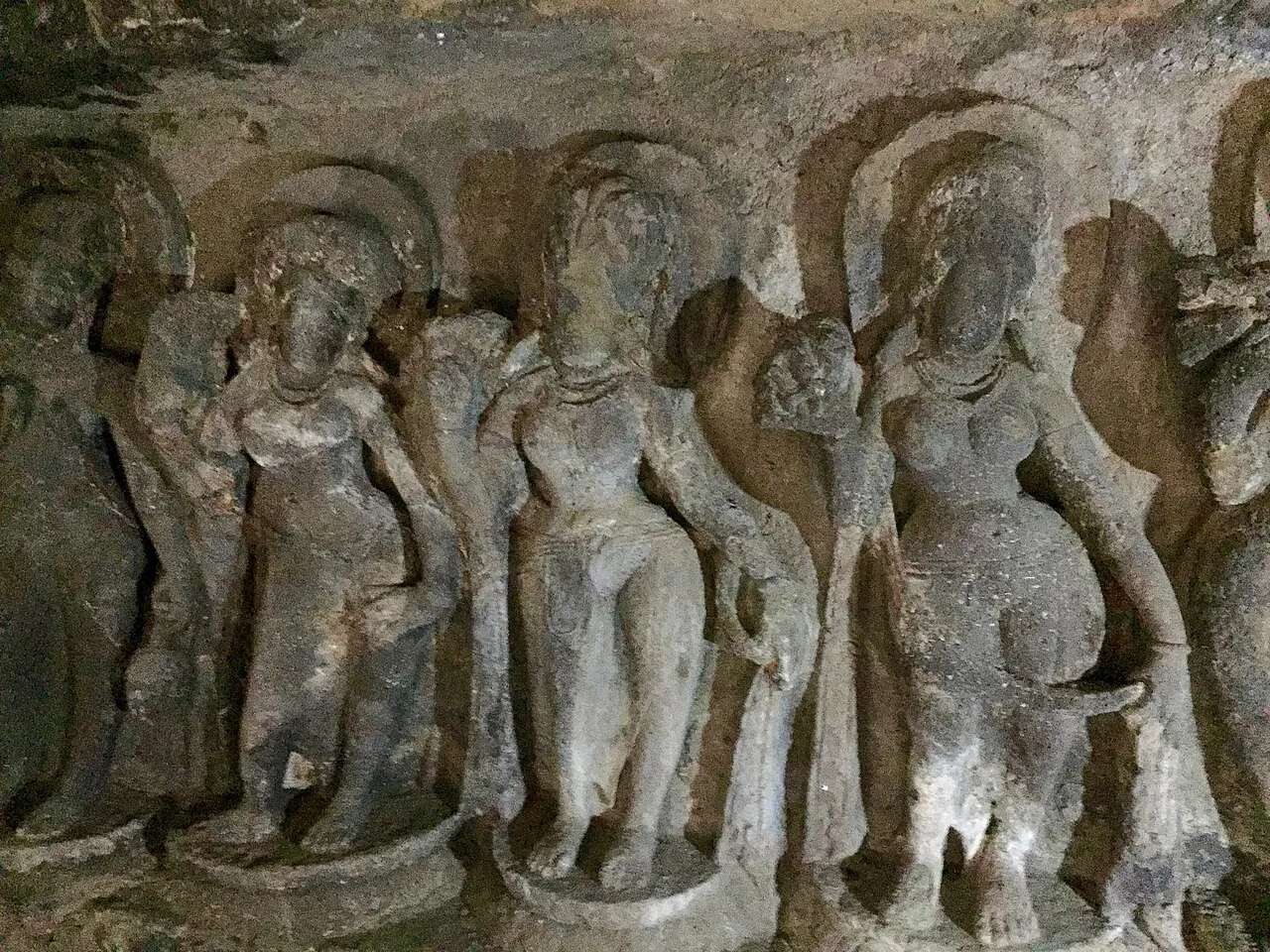
Near Aurangabad in Maharashtra, this hill complex contains twelve Buddhist sanctuaries excavated in basalt. Visitors explore its cave architecture and carvings, which represent several Buddhist traditions and include a range of deities.

Hazur Sahib

136 km away · Nanded district

Hazur Sahib

Takht Sachkhand Sri Hazur Abchalnagar Sahib is one of Sikhism’s five takhts, in Nanded, Maharashtra. Visitors come to worship and remember Guru Gobind Singh at the site associated with his death and cremation.

Daulatabad Fort

143 km away · Chhatrapati Sambhajinagar district

Daulatabad Fort

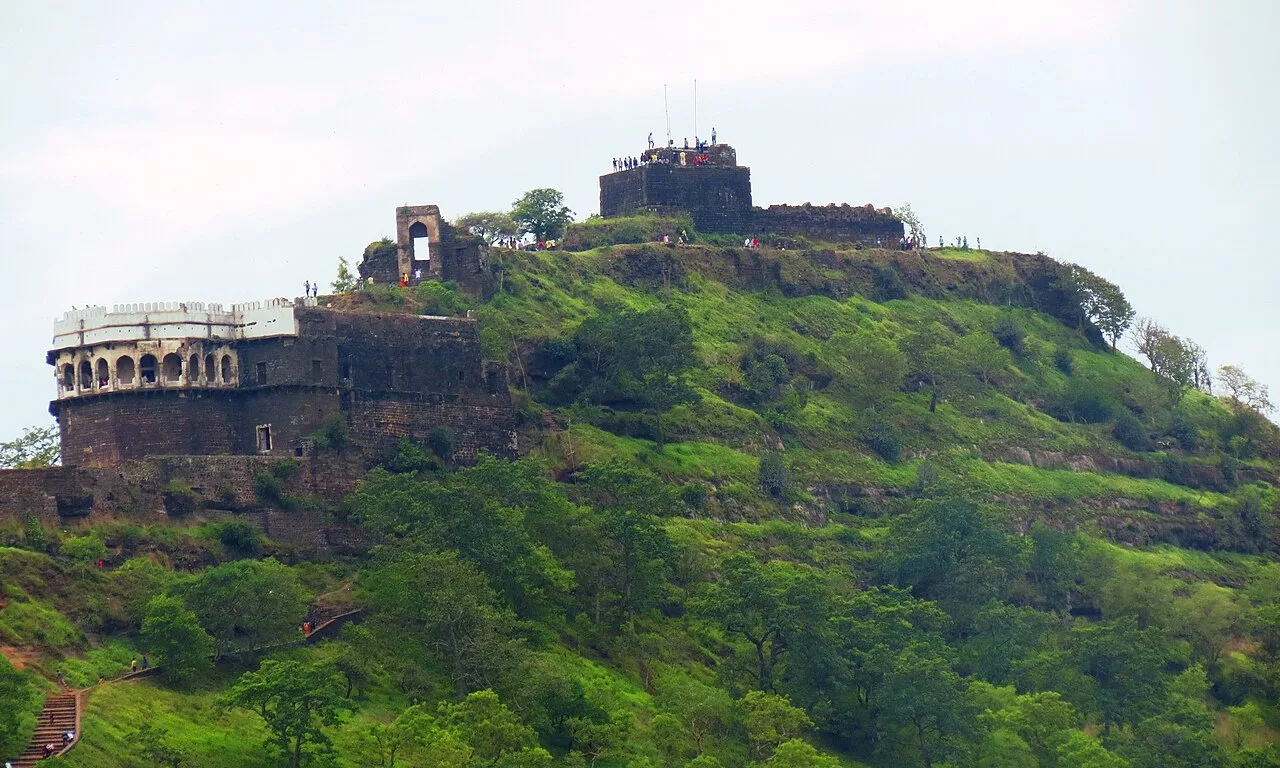
Daulatabad Fort is a historic stronghold in Maharashtra, first known as Devagiri. Visitors explore its history as a Yadava seat, briefly a Delhi Sultanate capital, and later an Ahmadnagar centre.

Shri Vaijnath Temple

145 km away · Beed district

Shri Vaijnath Temple

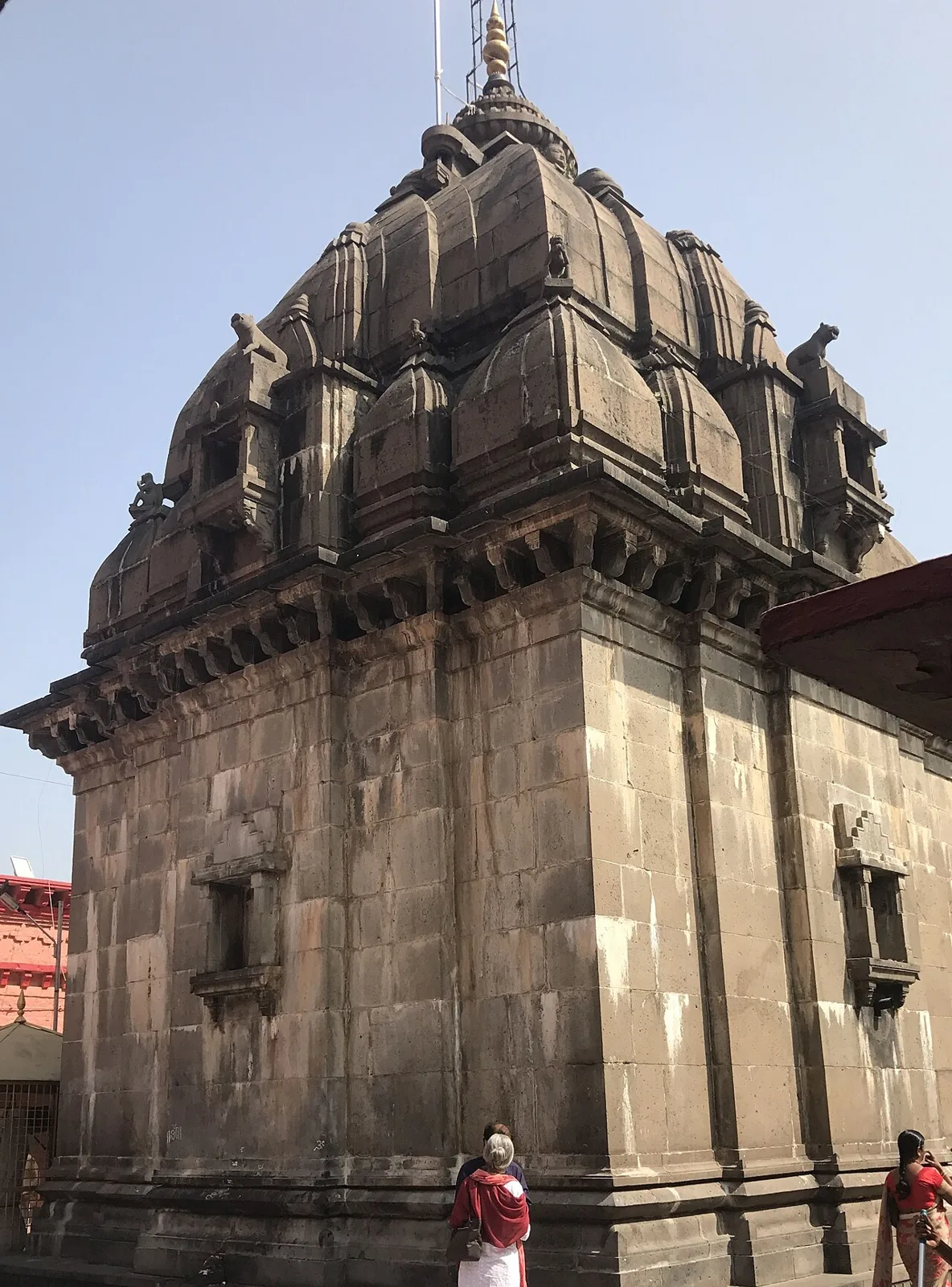
Shri Vaijnath Temple is a Shiva shrine at Parli Vaijnath in Maharashtra’s Beed district. Worshippers visit to perform abhishekam, and the temple is regarded as the fifth of Shiva’s twelve Jyotirlingas.

Map

Mehkar on the map

  1. 1Lonar Lake
  2. 2Aundha Nagnath Temple
  3. 3Ajanta Caves
  4. 4Bibi Ka Maqbara
  5. 5Aurangabad Caves
  6. 6Hazur Sahib
  7. 7Daulatabad Fort
  8. 8Shri Vaijnath Temple

Maharashtra

Other cities to explore