
Ghumoopedia — Explore, Discover, Experience
Sign in
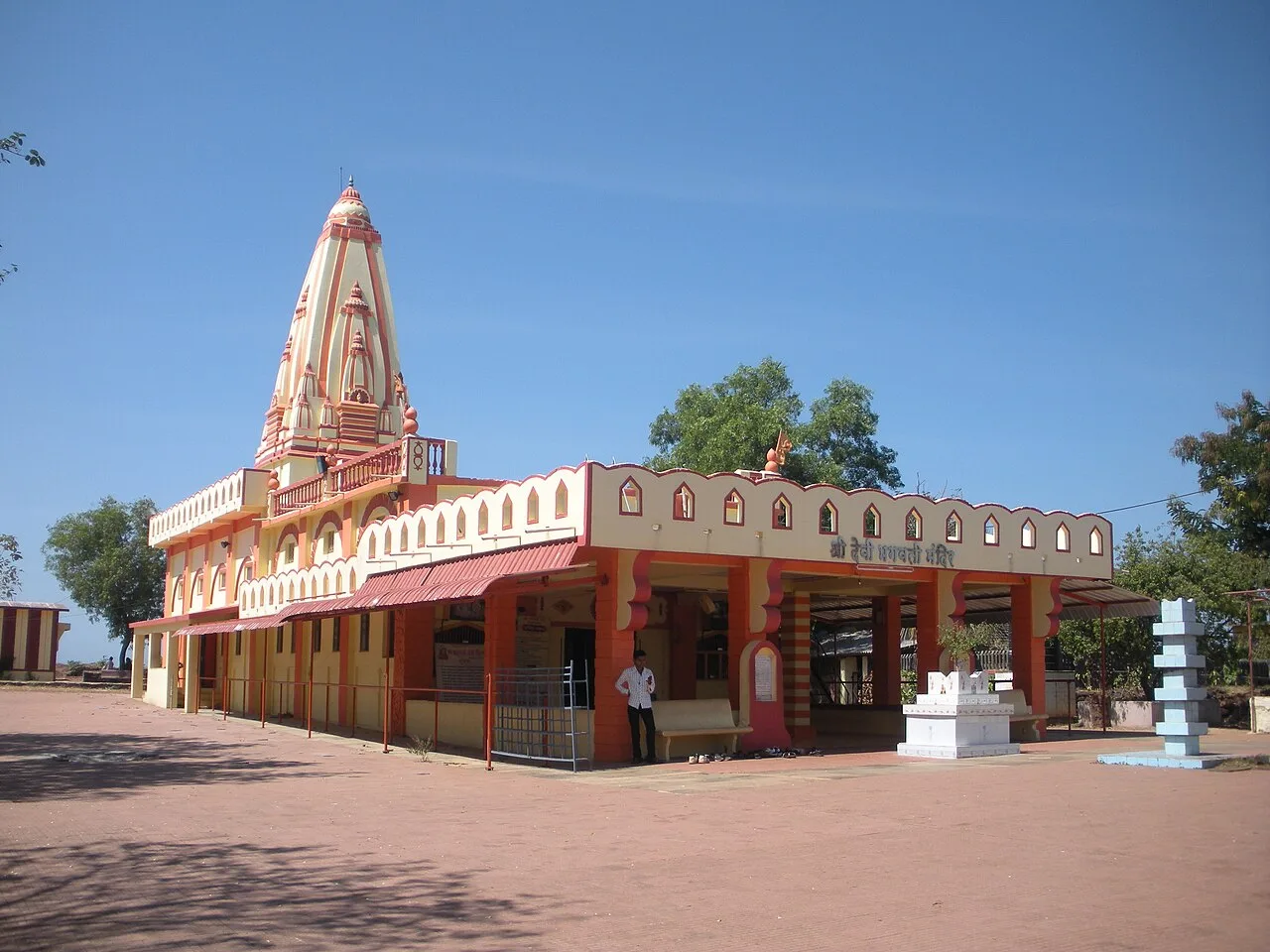
Ratnagiri Fort, near Ratnagiri

City guide · Maharashtra

Ratnagiri

Ratnagiri is a coastal city in Maharashtra’s Konkan region and the administrative centre of Ratnagiri district. Set between the Arabian Sea and the Sahyadri mountains, it is known for its harbour, beaches and historic landmarks.

Famous for

  • Ratnagiri Alphonso mangoes
  • Ratnadurg Fort
  • Thibaw Palace
  • Konkan seafood
  • Arabian Sea beaches
In the city
1
District
Ratnagiri

Why Ratnagiri matters

Ratnagiri is a coastal city in Maharashtra’s Konkan region and the administrative centre of Ratnagiri district. Set between the Arabian Sea and the Sahyadri mountains, it is known for its harbour, beaches and historic landmarks. The city is also closely associated with Hapus, or Alphonso, mangoes, which are grown in the surrounding Konkan belt and draw buyers during the harvest season.

Visitors come to explore Ratnadurg Fort and its Bhagwati temple, see the former royal residence of Burma’s exiled King Thibaw, and visit sites linked with freedom fighter Lokmanya Tilak, who was born here. Ratnagiri is a useful base for coastal journeys, including trips to nearby Ganpatipule. Beyond tourism, it serves as a centre for local administration, fishing, trade and education. Its position on the Konkan Railway and major coastal roads connects it with Mumbai, Goa and towns across the region. The city’s appeal lies in this mix of coastal scenery, regional food, mango culture and layered history.

Famous for: crafts, trade & products

Ratnagiri is best known for Hapus, the local name for Alphonso mangoes. Ratnagiri Alphonso is a GI-tagged product, and the harvest is generally associated with the warmer months, especially spring and early summer. Mangoes and other seasonal produce can be found at local fruit and produce markets; visitors travelling in season may also encounter sales from growers and orchard businesses around the district. Availability and quality vary with the harvest.

The wider Konkan economy also includes cashew cultivation and processing, fishing and seafood trade. Local markets and fish sellers are places to look for fresh catch, while shops commonly stock cashews, kokum products, pickles and other regional foods. Ratnagiri is not especially known for a signature textile or saree tradition; its best-known products are agricultural and food-based. The city’s harbour and fisheries-related activity reflect its working coastal character, while regional agricultural and educational institutions support farming and fisheries. For visitors, the central market area is a practical place to browse local produce and packaged Konkan specialties, though mangoes are most reliably found in season.

History

Archaeological evidence indicates that the Ratnagiri region has been inhabited for many centuries. Its coastal position made it useful for trade and defence, and it became an important centre under the Bijapur Sultanate. Ratnadurg Fort was strengthened during Maratha rule; Chhatrapati Shivaji Maharaj is associated with its reconstruction in 1670. Ratnagiri came under the Kingdom of Satara in 1731 and was annexed by the British after the Third Anglo-Maratha War in 1818. The municipality was established in 1876.

The city is the birthplace of Bal Gangadhar Tilak, later known as Lokmanya Tilak, who was born here in 1856. In 1886, the British exiled Burma’s King Thibaw and his family to Ratnagiri; their residence, Thibaw Palace, remains a notable landmark. Freedom fighter Vinayak Damodar Savarkar was also confined in the city during the colonial period. In modern times, Ratnagiri has grown as a district hub for administration, education, fishing and trade. The Konkan Railway strengthened its connections along India’s western coast.

Food, festivals & culture

Ratnagiri’s food reflects the Konkan coast: fish curries, fried seafood, rice and coconut-based preparations are common. Malvani-style dishes, kombdi vade, kokum drinks and sol kadhi are popular regional choices; mangoes feature prominently when Hapus is in season. Cashews and kokum are also familiar local ingredients. Marathi is widely spoken, alongside Konkani and regional varieties of speech.

Ganesh Chaturthi, usually celebrated in the monsoon season, is an important festival in the region, with household and community worship. Diwali and Holi are also observed, while Shimga—the local springtime celebration around Holi—has a strong place in Konkan traditions. Bhajans, kirtan and folk performance traditions, including Dashavatari theatre, are part of the broader cultural landscape. Places of worship include the Bhagwati temple within Ratnadurg Fort and the city’s many local shrines. The celebrated Ganpatipule temple, dedicated to Ganapati, lies outside the city and is a popular nearby pilgrimage destination.

Visiting the city

The most comfortable time for sightseeing is generally from October to March, after the heavy monsoon rains and before the hottest months. The monsoon, usually June to October, brings lush scenery but can disrupt outdoor plans. Ratnagiri Airport is the nearest airport; scheduled services may be limited, so check current connections and consider other regional airports if needed. Ratnagiri railway station, on the Konkan Railway, is the main railhead. Buses and taxis connect the city with nearby towns and attractions, while local auto-rickshaws are useful for shorter journeys.

Explore the old town and harbour area, then visit Ratnadurg Fort, Thibaw Palace and Tilak’s birthplace. Mandvi and Bhatye are convenient coastal areas to visit. Ganpatipule makes a popular excursion from the city, with travel time dependent on road conditions.

Attractions

Places to visit in Ratnagiri

Sights within about 12 km of each other, even when they fall in different districts.

Map

Ratnagiri on the map

  1. 1Ratnagiri Fort

Maharashtra

Other cities to explore