
Origins & spiritual significance
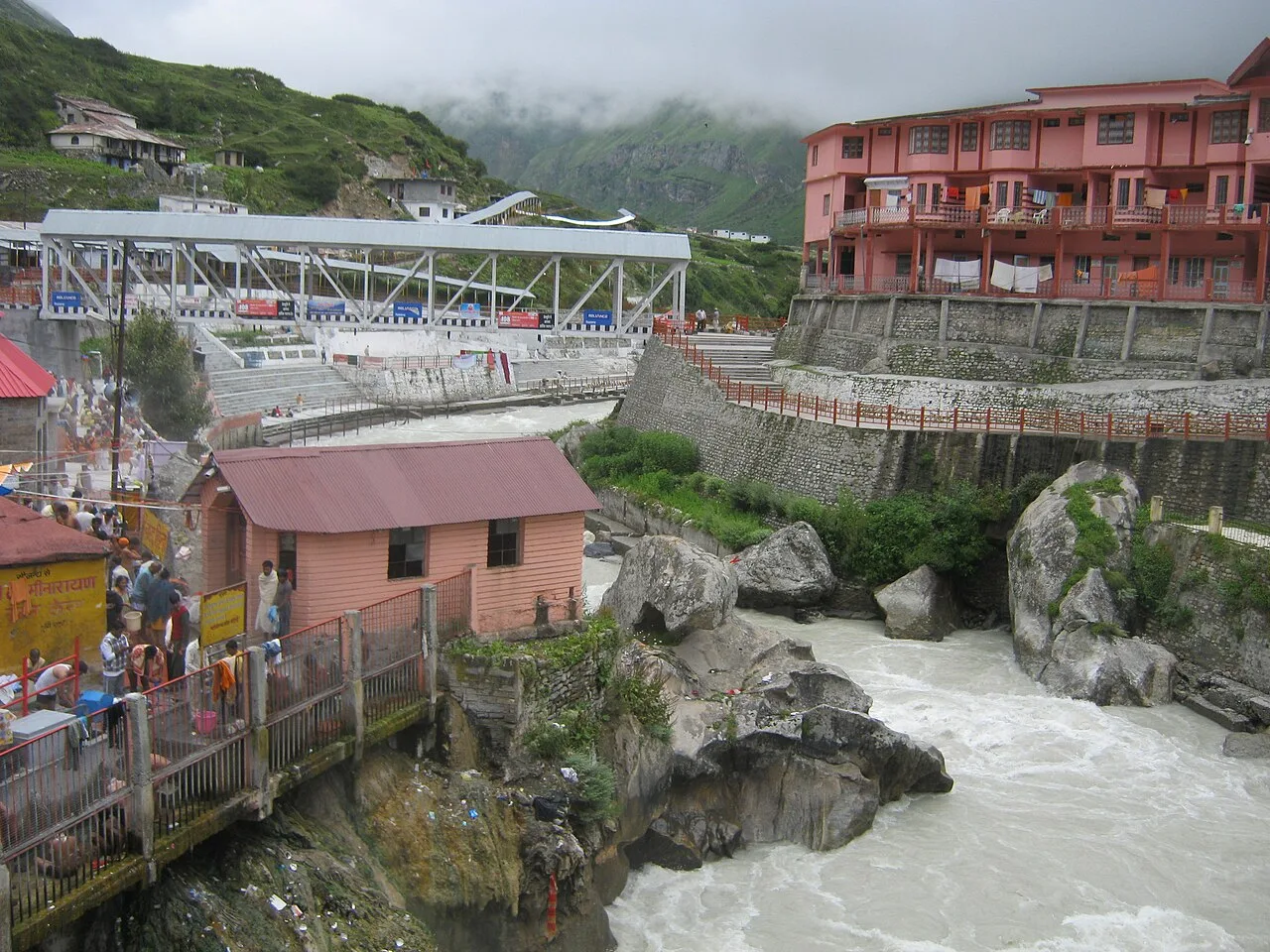
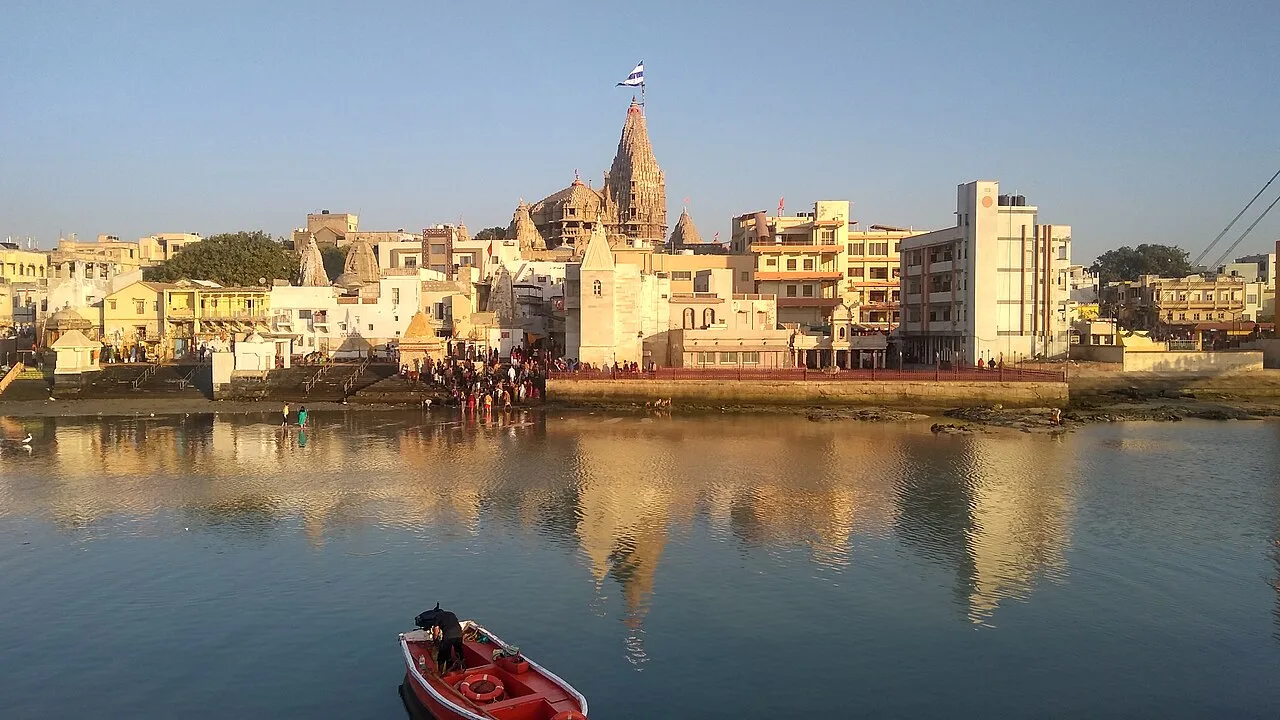
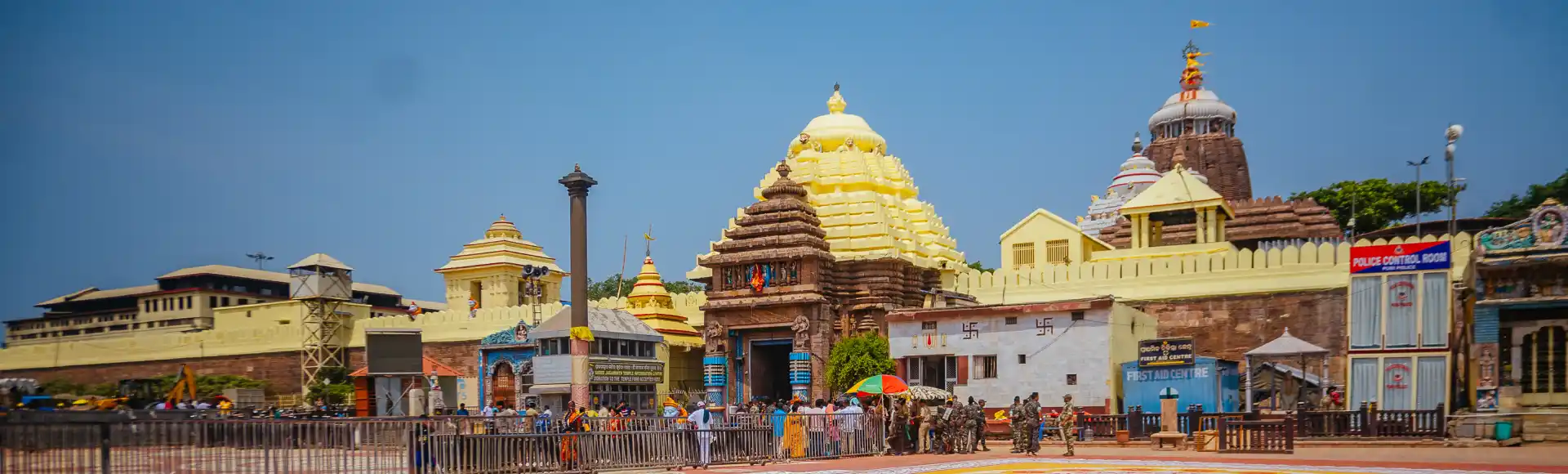
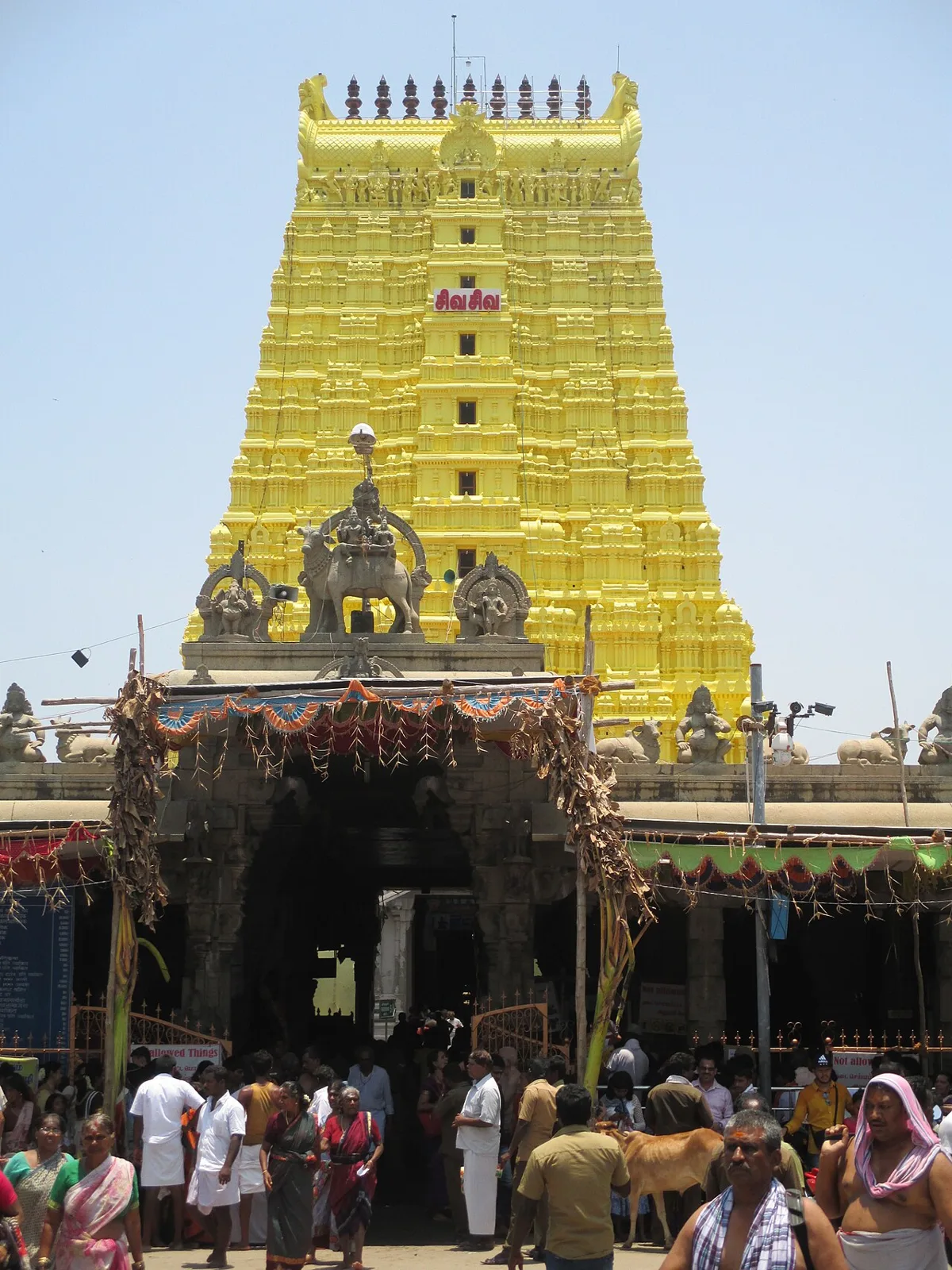
The Char Dham, or “four abodes,” joins four major Hindu pilgrimage centres associated with the cardinal directions: Badrinath in the north, Dwarka in the west, Jagannath Puri in the east and Rameswaram in the south. The circuit is linked in religious tradition with Adi Shankara, the philosopher and teacher who travelled widely and is credited with helping renew Hindu learning and pilgrimage. The precise historical development of the circuit is complex, and accounts of its origins vary; its enduring meaning lies in the way devotees understand the four shrines together—as a sacred journey across the breadth of India and through different forms of worship.
Each temple has its own scriptures, legends and local traditions. Badrinath honours Vishnu as Badrinarayan, while Dwarkadhish is Krishna, understood as the ruler of the ancient city of Dwarka. At Puri, Jagannath is revered in a distinctive tradition that also honours Balabhadra and Subhadra. Rameswaram’s Ramanathaswamy is Shiva, worshipped in a place closely associated with the Ramayana: tradition says Rama established or worshipped a lingam here after the battle in Lanka. These stories are sacred narratives, not claims that every tradition interprets identically. Devotees undertake the circuit to offer worship, seek spiritual merit, fulfil vows, remember ancestors, and experience the diversity of India’s sacred landscapes. Completing all four is meaningful to many, but devotion at any one shrine is also considered valuable; the pilgrimage is not a test of physical endurance or a guarantee of a particular spiritual outcome.