
Ghumoopedia — Explore, Discover, Experience
Sign in

Sacred circuits › Chota Char Dham

Himalayan yatra

Chota Char Dham

The Himalayan pilgrimage in Uttarakhand, traditionally made west to east: Yamunotri, Gangotri, Kedarnath and Badrinath. The shrines open in late April or May and close around Diwali.

4 of 4 shrines are on the map, joined in the traditional order of the yatra (straight lines, not roads). Locations come from each temple's own reference record.

All 4 shrines

  1. 1
    Yamunotri Temple

    Yamunotri, Uttarakhand

    Goddess Yamuna

    Full guide on Ghumoopedia

  2. 2
    Gangotri Temple

    Gangotri, Uttarakhand

    Goddess Ganga

    Full guide on Ghumoopedia

  3. 3
    Kedarnath Temple

    Kedarnath, Uttarakhand

    Shiva (Kedarnath)

    Full guide on Ghumoopedia

  4. 4
    Badrinath Temple

    Badrinath, Uttarakhand

    Vishnu (Badrinarayan)

    Full guide on Ghumoopedia

Check opening seasons and darshan timings with each temple before you travel.

Plan a trip around these temples

The complete pilgrimage guide

Chota Char Dham: everything to know before you go

Origins & spiritual significance

The Chota Char Dham is a four-shrine pilgrimage through the Garhwal Himalaya of Uttarakhand: Yamunotri, Gangotri, Kedarnath and Badrinath. It is distinct from the larger Char Dham circuit that includes shrines in other parts of India. The route brings together devotion to the sacred rivers Yamuna and Ganga and to Shiva and Vishnu, two central deities in Hindu traditions. The high-altitude setting, with its river valleys, forests and snowbound peaks, is itself part of the pilgrimage experience: the journey is understood not only as travel between temples but as an act of worship and perseverance.

The circuit’s significance is shaped by scripture, regional traditions and stories associated with each place. Yamuna is revered as a life-giving river and, in Hindu tradition, the daughter of Surya and sister of Yama. The Ganga is celebrated as a heavenly river brought to Earth through the austerities of King Bhagiratha, with Shiva receiving her forceful descent in his hair. Kedarnath is associated with Shiva and with the Pandavas’ search for forgiveness after the Mahabharata war; traditions connect the Himalaya with their encounter with the deity. Badrinath is a celebrated Vishnu shrine, where Badrinarayan is worshipped in a landscape associated with the god’s austerities and with the sage Narada.

Devotees undertake the circuit to seek blessings, fulfil vows, honour family traditions and deepen their spiritual practice. For many, visiting all four shrines in the traditional west-to-east order gives the journey a sense of completion. The pilgrimage can also be physically demanding, and the effort of reaching remote sanctuaries is often regarded as part of its devotional meaning.

The traditional order & route

The traditional order is west to east: Yamunotri, Gangotri, Kedarnath and Badrinath. Many pilgrims begin from Haridwar or Rishikesh, accessible by road and rail connections from the plains, and travel by road into the Garhwal region. For Yamunotri, the road journey typically reaches the Barkot area and continues toward Janki Chatti; the final approach to the temple is on foot or by locally available means. Pilgrims then travel through the Uttarkashi region to Gangotri. Road conditions and route access can change, so confirm the current itinerary before setting out.

From Gangotri, the route turns back through the mountain road network toward the Rudraprayag region and the Kedarnath approach. Road travel usually reaches the Sonprayag–Gaurikund area, from where Kedarnath requires a substantial uphill trek; any alternatives depend on current permissions, availability and conditions. After Kedarnath, pilgrims return to the road network and continue toward Badrinath, often using the Rudraprayag and Joshimath corridors. This is a long circuit, not a simple linear drive: mountain roads, weather, roadworks and traffic can make journey times unpredictable. Allow rest and weather buffers, and check official road and pilgrimage advisories before each leg.

Shrine by shrine

Yamunotri Temple stands in a high Himalayan valley and is dedicated to Goddess Yamuna. The river’s source region lies farther into the mountains, while the temple is the principal place of worship for pilgrims visiting the shrine. A familiar tradition connects Yamuna with Surya, the sun god, and Yama, the god of death; devotees pray for well-being and protection. The approach from the roadhead involves a steep mountain walk, so the altitude and exertion are important considerations. At the temple, pilgrims may see the image of the goddess and the hot springs in the surrounding area. The springs are part of local ritual practice, but visitors should follow posted guidance and avoid treating sacred or natural features as bathing facilities without permission.

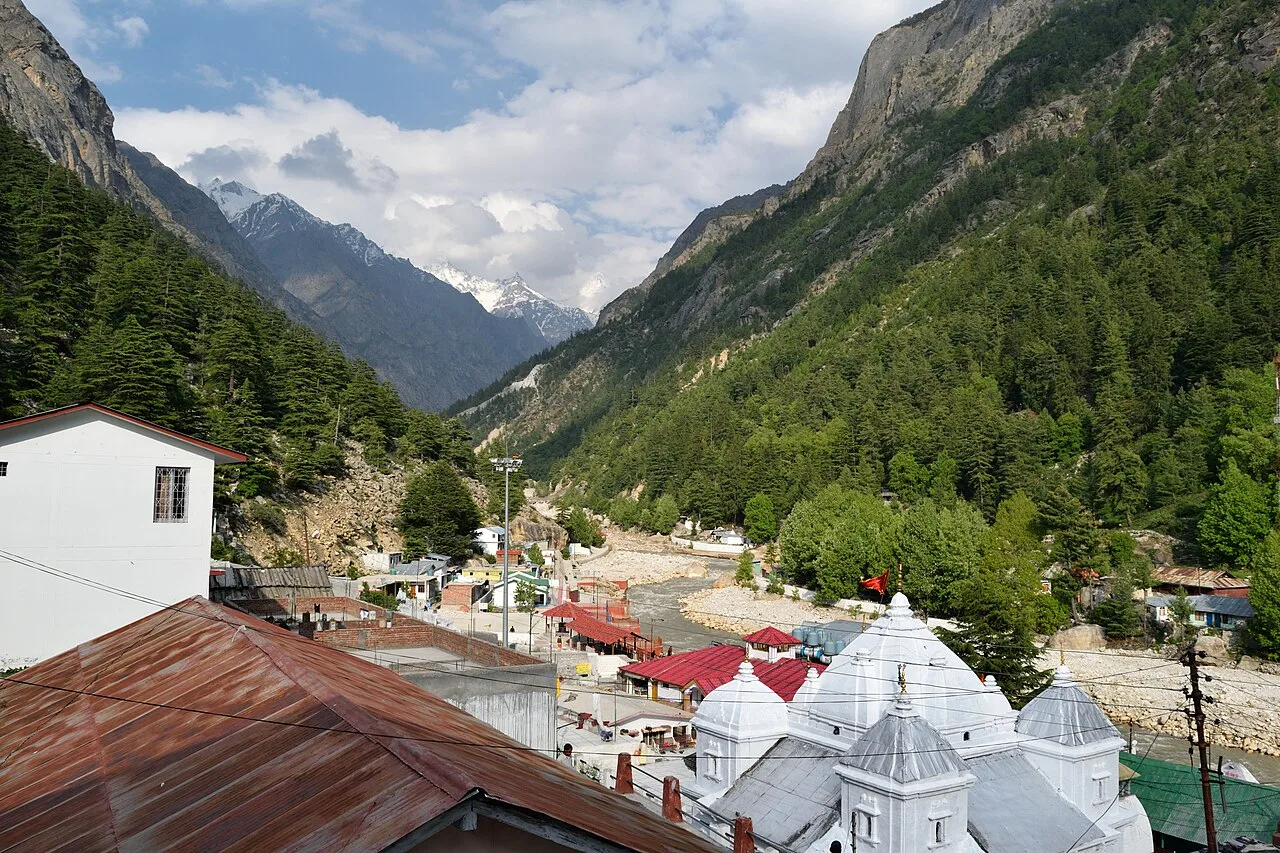
Gangotri Temple, dedicated to Goddess Ganga, occupies a dramatic setting beside the Bhagirathi River. Hindu tradition tells that King Bhagiratha undertook austerities to bring the Ganga from heaven to Earth to cleanse the souls of his ancestors. Shiva received the river’s immense force in his hair before it flowed across the land. The shrine commemorates this sacred connection, while the river and surrounding mountain scenery are central to the visit. Pilgrims offer prayers at the temple and may spend time beside the river, observing local rules and safety barriers. The temple is not at the river’s farthest glacial source; the high mountain landscape beyond the town is associated with the river’s origins.

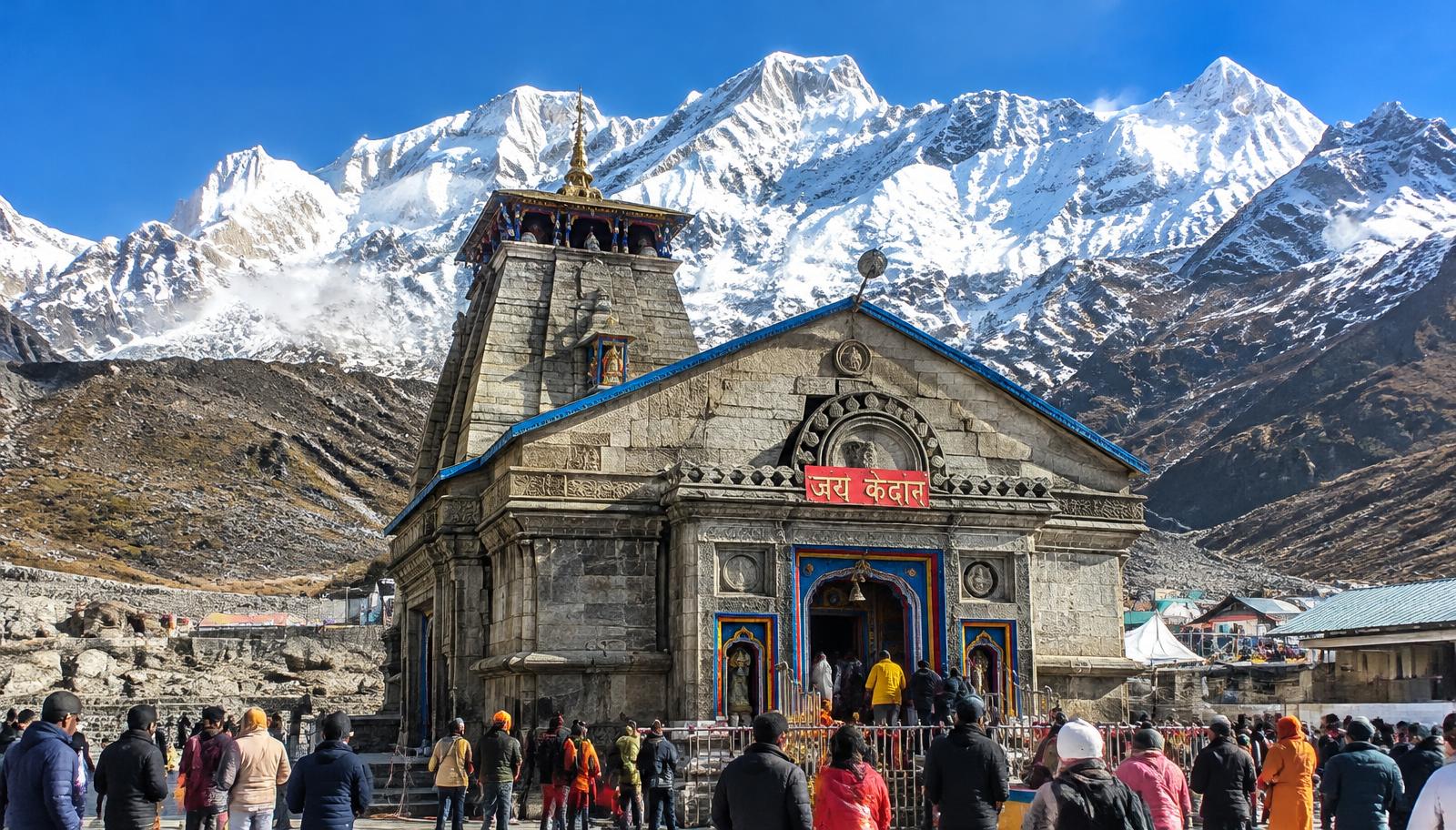
Kedarnath Temple is dedicated to Shiva as Kedarnath and is among the most revered Himalayan Shiva shrines. Its setting near the Mandakini valley, surrounded by steep mountain slopes, makes the approach both memorable and demanding. A well-known tradition links the site to the Pandavas, who sought Shiva’s forgiveness after the Kurukshetra war. In the story, Shiva eluded them in the form of a bull, and the sacred landscape became associated with his presence. The stone temple and its inner sanctum are the focus of worship; the temple’s severe mountain setting is also part of what makes the pilgrimage distinctive. Access involves a long ascent from the roadhead, and conditions can change quickly.

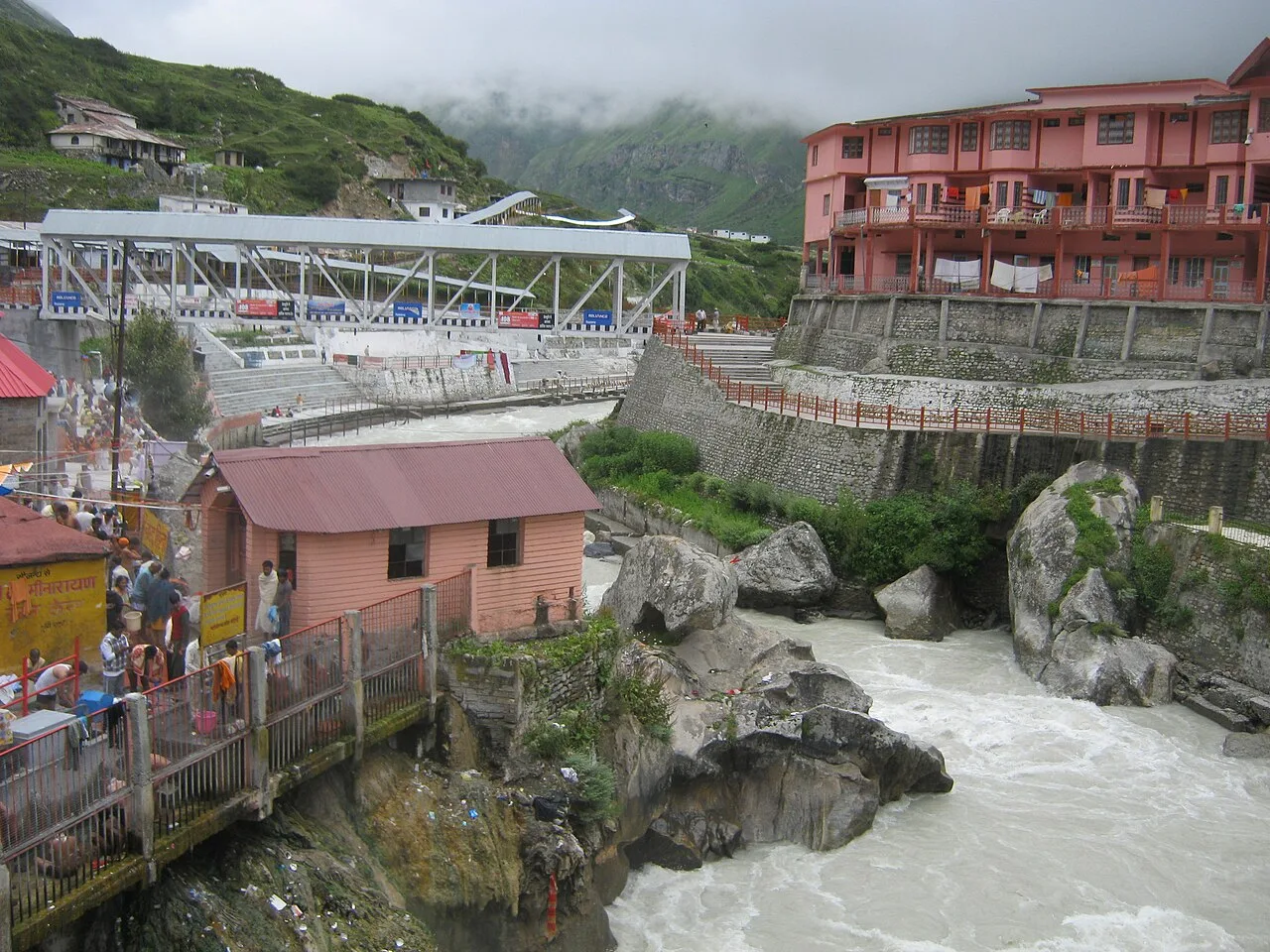
Badrinath Temple is dedicated to Vishnu as Badrinarayan and lies beside the Alaknanda River. Tradition associates the place with Vishnu’s meditation and with Lakshmi’s protective presence in the form of a badri tree. The brightly coloured temple façade and the image of Badrinarayan are central features for visitors. The shrine has long drawn pilgrims who seek Vishnu’s blessings and a place in the sacred geography of the Himalaya. The riverbank and mountain surroundings add to the atmosphere, but visitors should keep to safe, permitted areas. At each shrine, access to particular spaces, ritual details and photography rules may vary; follow temple instructions rather than assuming that practices are identical across the circuit.

Best season & planning the journey

The pilgrimage season generally begins in late April or May, when the shrines open after winter, and ends around Diwali, when they close for the cold season. Exact opening and closing dates are announced separately and can vary each year; check official temple or pilgrimage authorities before planning. The spring opening period can bring substantial crowds, while busy holiday periods and the main summer pilgrimage months may also mean queues, full accommodation and heavy traffic. The monsoon season brings a heightened risk of heavy rain, landslides, road closures and delays in the region, so check advisories closely and remain flexible.

Weather changes markedly with altitude. Lower road towns can be warm, while the shrine areas are much colder, with chilly mornings and evenings even during the main season. Rain, wind and sudden temperature drops are possible, and snow or ice may affect high routes early or late in the season. Autumn often brings clearer skies, but cold increases as the season advances and closures approach. Local festivals and opening ceremonies are important occasions and can attract crowds; dates and arrangements should be verified with official sources. Build spare days into the itinerary rather than relying on tight connections between mountain road journeys.

Darshan, rituals & dress code

Darshan practices differ by shrine and can also change with the season, crowd levels and temple administration. A visit commonly includes entering the temple in an orderly queue, viewing the presiding deity and offering prayers. Some pilgrims bring flowers, fruit, incense or other customary offerings, while others make a simple prayer; ask locally what is accepted and where offerings should be placed. Priests may conduct or facilitate rituals, but participation is a personal choice. Special worship, access to inner areas and queue arrangements should never be assumed: check with the temple or official authority for current information.

Wear modest, comfortable clothing suitable for a place of worship and the mountain climate. Shoulders and legs should be covered, and warm layers, rain protection and sturdy footwear are practical for the approaches. Shoes are generally removed before entering designated temple interiors; use the indicated places and keep footwear together. Follow signs and staff directions, avoid pushing in queues, and do not block worshippers to take photographs. Photography may be restricted inside temples or during particular rituals, so ask or observe posted rules before using a camera or phone. Requirements for online booking, registration or identity documents can change; check current official guidance rather than relying on old instructions.

Getting around, stays & budget

Most pilgrims use a combination of road transport and walking. Buses, shared vehicles and private cars may serve parts of the circuit, but schedules, road access and vehicle rules vary by season. The approaches to Yamunotri and Kedarnath include demanding uphill walks from their roadheads; local transport or other services, where available, should be confirmed on arrival through authorised channels. Helicopter services, when operating, are subject to weather, capacity and official procedures and should not be treated as guaranteed. Keep identification, medicines and essential supplies with you, and carry some cash because digital payment access may be unreliable in remote areas.

Haridwar and Rishikesh are common starting points, while towns along the route provide overnight stops and basic services. Pilgrims often break the circuit into stages, staying near roadheads before and after strenuous walks; accommodation ranges from simple lodges and guesthouses to more comfortable hotels in larger towns. Costs depend on season, group size, transport choices, room standards and any guided or porter services. Budget pilgrims can use shared transport and modest stays; private vehicles and higher-comfort accommodation cost more. Confirm lodging and transport directly, especially during peak periods, and keep contingency funds for delays or an additional night.

Etiquette, health & responsible pilgrimage

Treat each shrine and the surrounding landscape as both a place of worship and a fragile high-altitude environment. Speak quietly, follow queue instructions, ask before photographing people, and respect restrictions on photography inside temples. Do not litter, leave offerings in rivers, disturb wildlife or collect plants and stones. Use designated toilets and waste points, and carry reusable water containers where practical.

Altitude, cold, heat on lower stretches and strenuous walking can affect pilgrims differently. Build up activity gradually, drink water, rest, and seek medical advice before travel if you have health concerns. Stop and ask for help if you feel unwell, unusually breathless or confused; do not press on simply to keep to a schedule. Check weather and road advisories, use suitable footwear, and follow local guidance during heavy rain or route closures.

Frequently asked questions

How many days does the Chota Char Dham pilgrimage take?

There is no single standard duration. The circuit involves long mountain road journeys and two substantial walking approaches, and weather or road conditions can cause delays. Many pilgrims allow roughly ten days to two weeks or more, including rest and contingency days; check current route conditions before fixing your schedule.

What is the traditional order of the four shrines?

The traditional west-to-east sequence is Yamunotri, Gangotri, Kedarnath and Badrinath. Pilgrims commonly follow this order, although practical itineraries may need adjustment for road access, weather, health or official arrangements. Confirm current conditions before travelling between each region.

Is the circuit suitable for elderly pilgrims?

It may be possible for some older travellers, but the high altitude, cold, road journeys and steep walks—particularly at Yamunotri and Kedarnath—can be demanding. Discuss fitness and medical needs with a clinician, plan a slower itinerary, and verify what authorised assistance is currently available.

What should pilgrims wear?

Choose modest clothing that covers shoulders and legs, with warm layers for cold mornings and evenings. A waterproof outer layer and sturdy, well-broken-in walking shoes are useful. Conditions vary by altitude, so pack for both warmer road stretches and much colder shrine areas.

Is online darshan booking or registration required?

Requirements and systems can change by season and shrine. Some years or arrangements may involve pilgrimage registration, online services or identity checks, but do not assume a particular rule applies. Check the current instructions from the official Uttarakhand pilgrimage authority and each temple before departure.