
Ghumoopedia — Explore, Discover, Experience
Sign in

Sacred circuits › 12 Jyotirlingas

Shiva as light

12 Jyotirlingas

Twelve shrines where Shiva is worshipped as a jyotirlinga, a column of light, spread from Gujarat to Tamil Nadu and the Himalaya.

12 of 12 shrines are on the map. Locations come from each temple's own reference record.

All 12 shrines

  1. 1
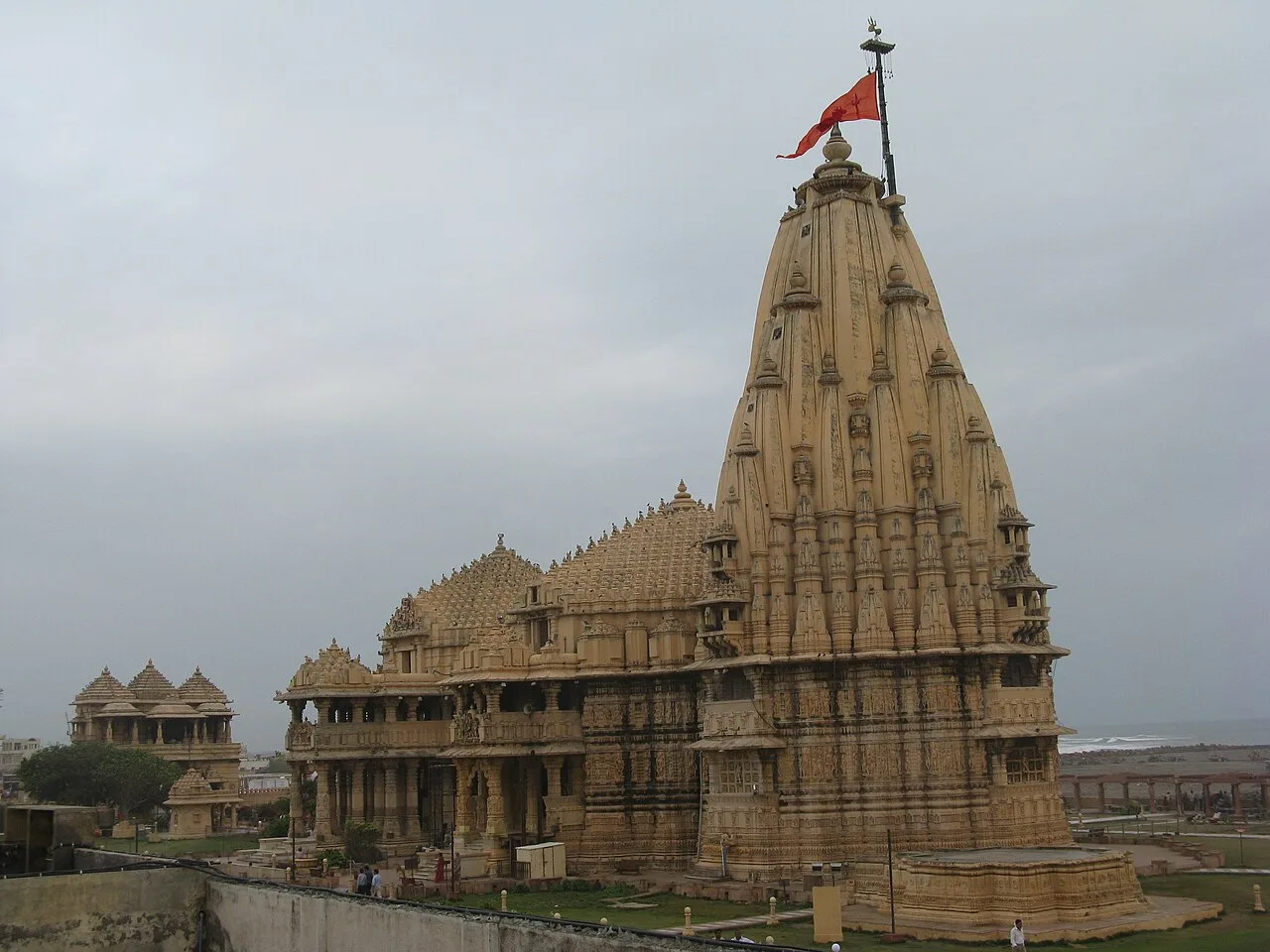
    Somnath Temple

    Prabhas Patan, Gujarat

    Somnath

    Full guide on Ghumoopedia

  2. 2
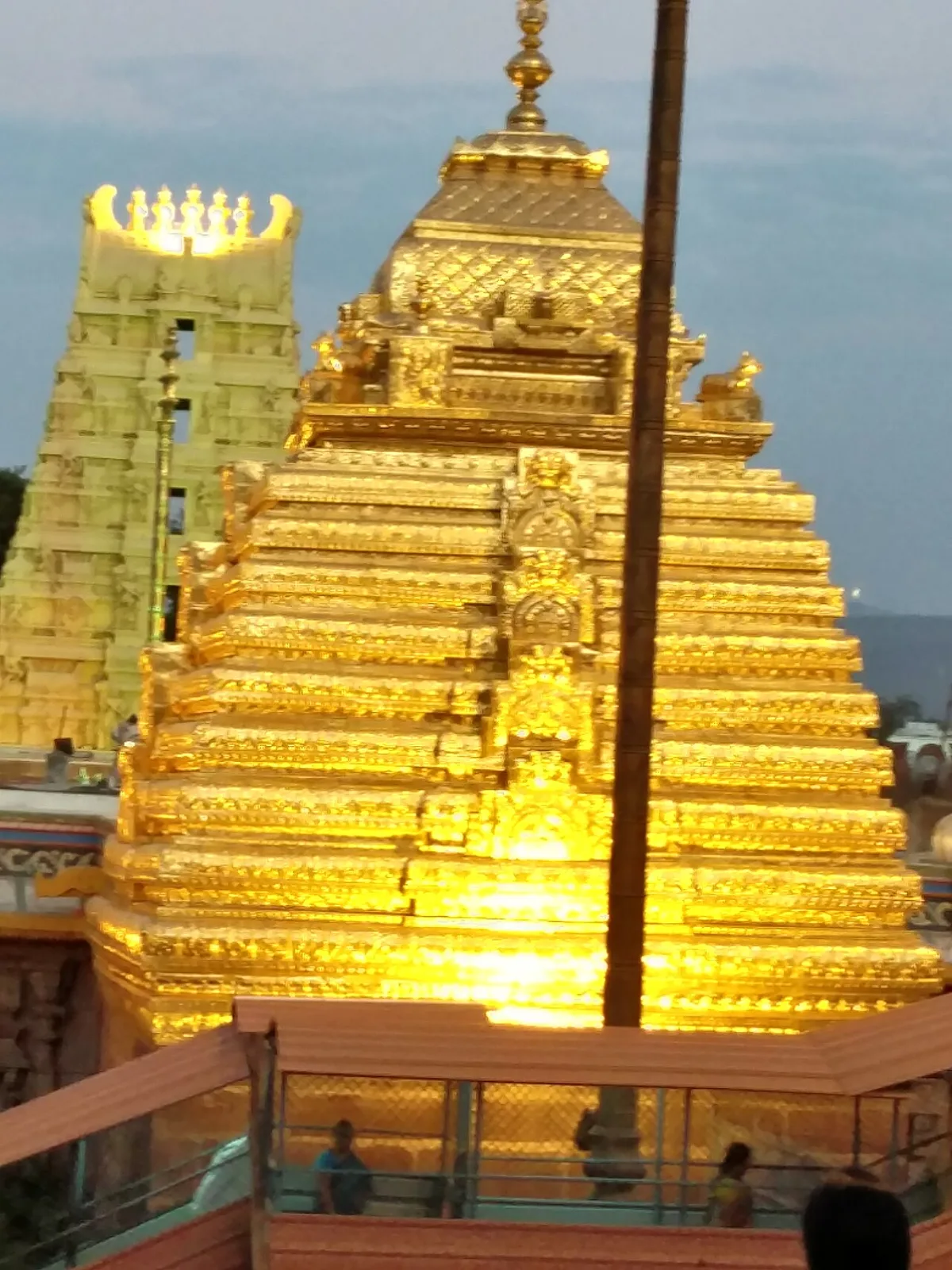
    Mallikarjuna Temple

    Srisailam, Andhra Pradesh

    Mallikarjuna

    Full guide on Ghumoopedia

  3. 3
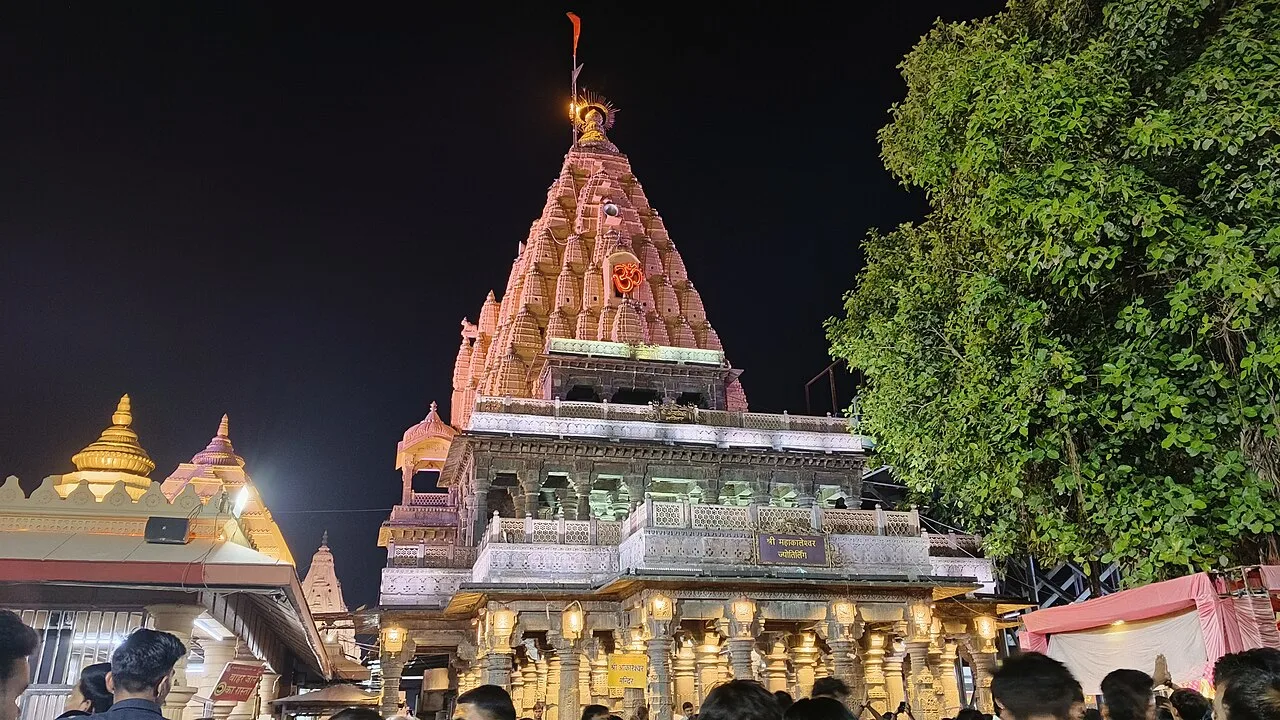
    Mahakaleshwar Temple

    Ujjain, Madhya Pradesh

    Mahakaleshwar

    Full guide on Ghumoopedia

  4. 4
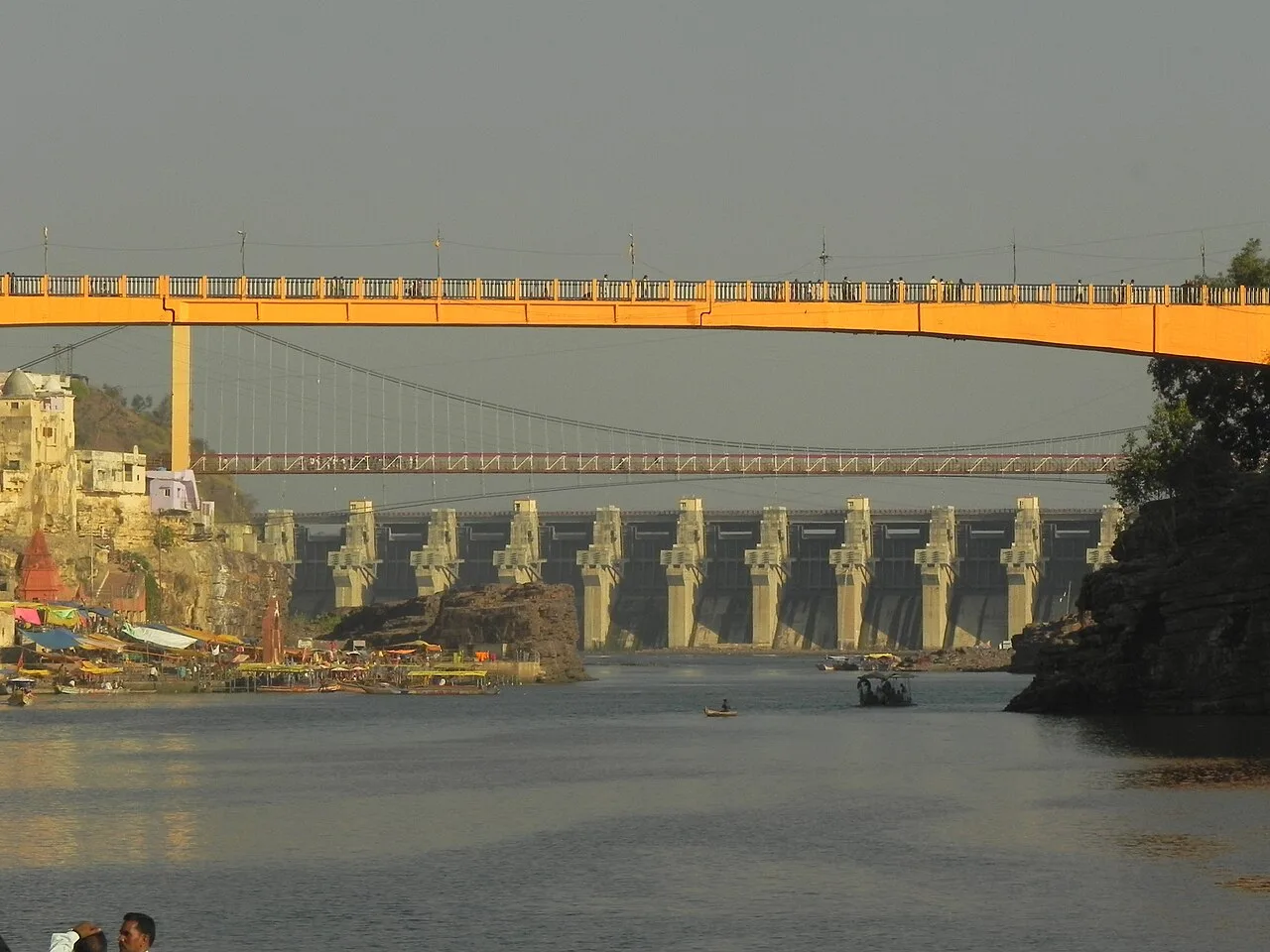
    Omkareshwar Temple

    Omkareshwar, Madhya Pradesh

    Omkareshwar

    Full guide on Ghumoopedia

  5. 5
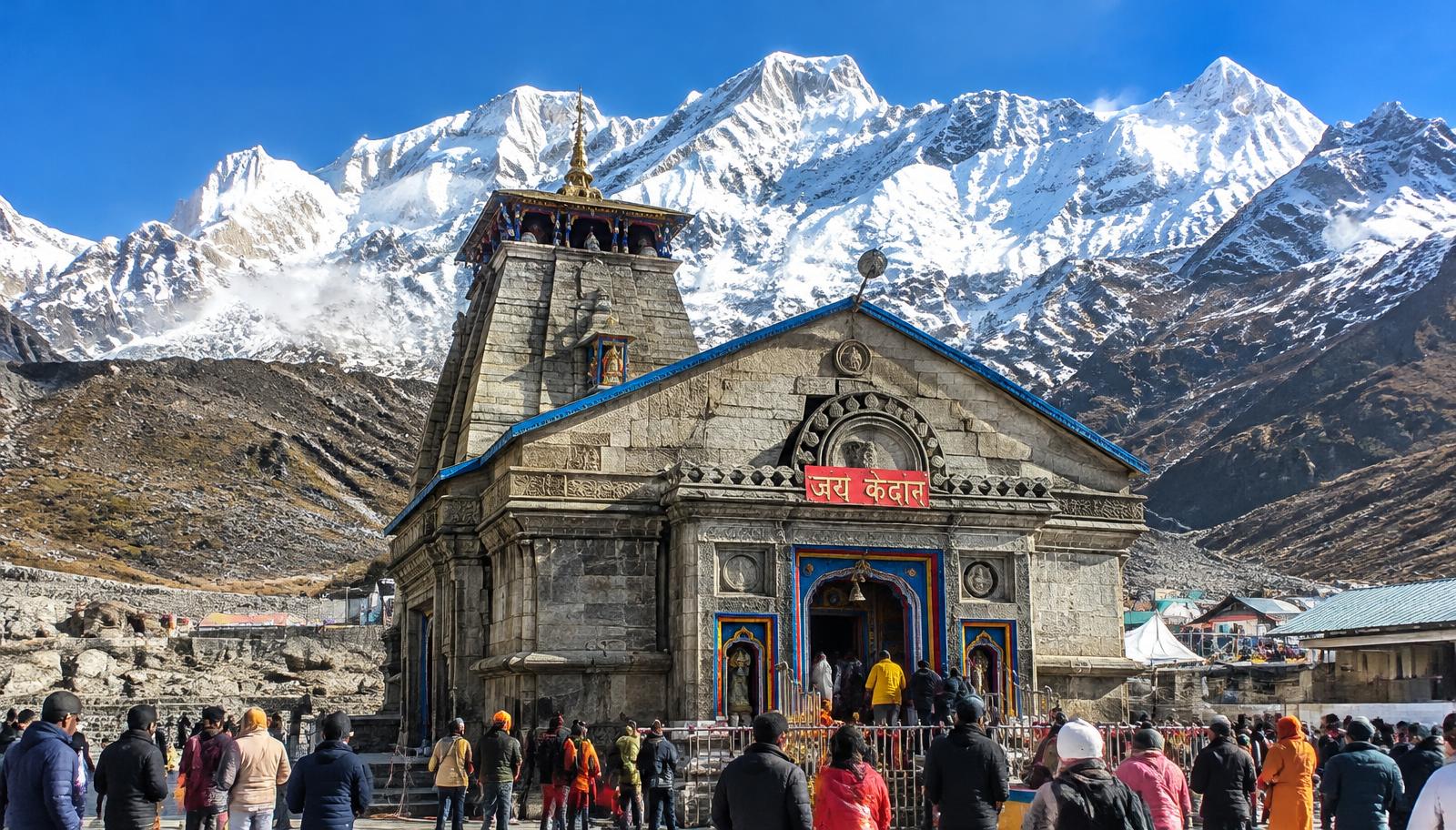
    Kedarnath Temple

    Kedarnath, Uttarakhand

    Kedarnath

    Full guide on Ghumoopedia

  6. 6
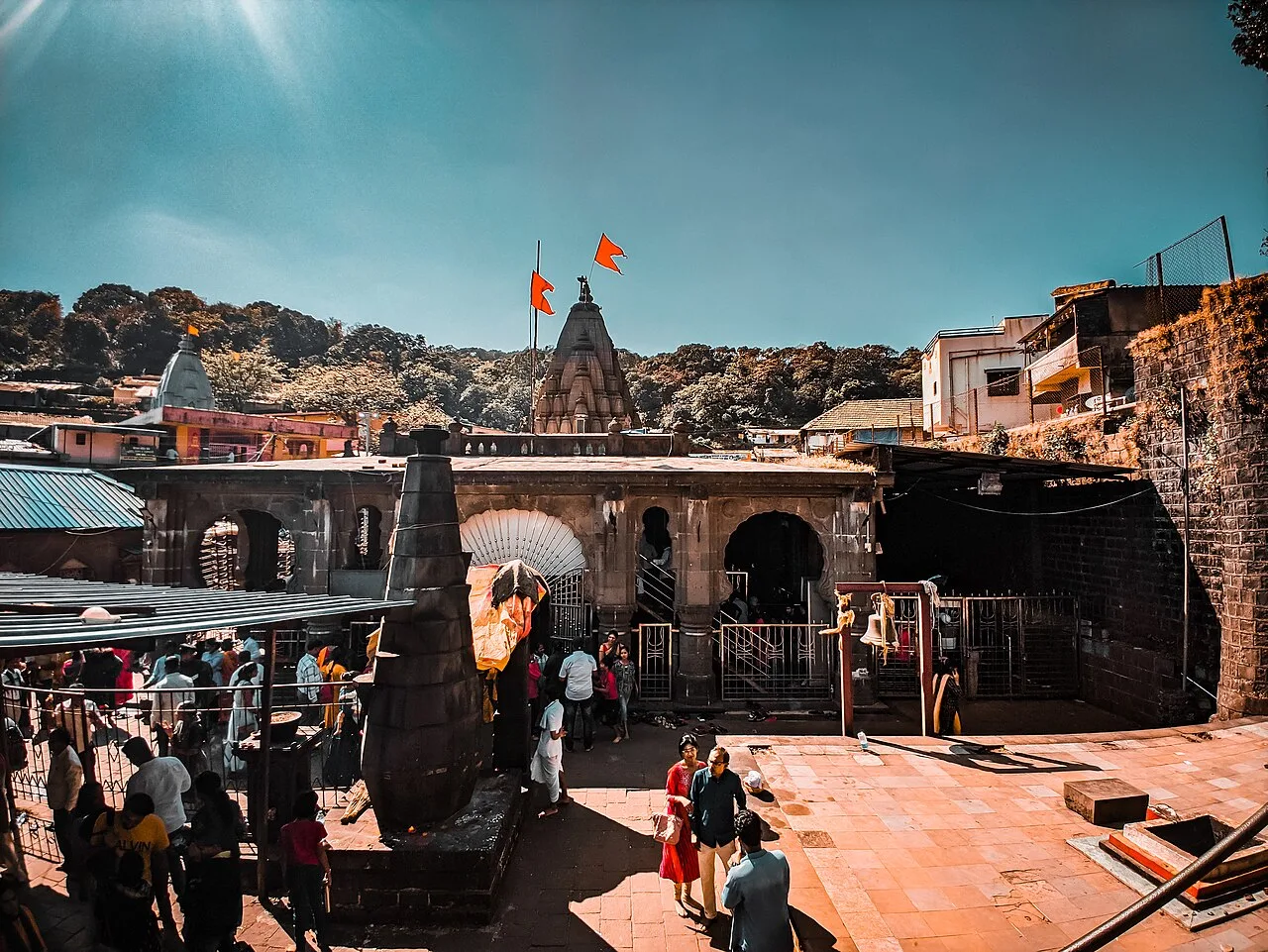
    Bhimashankar Temple

    Bhimashankar, Maharashtra

    Bhimashankar

    Full guide on Ghumoopedia

  7. 7
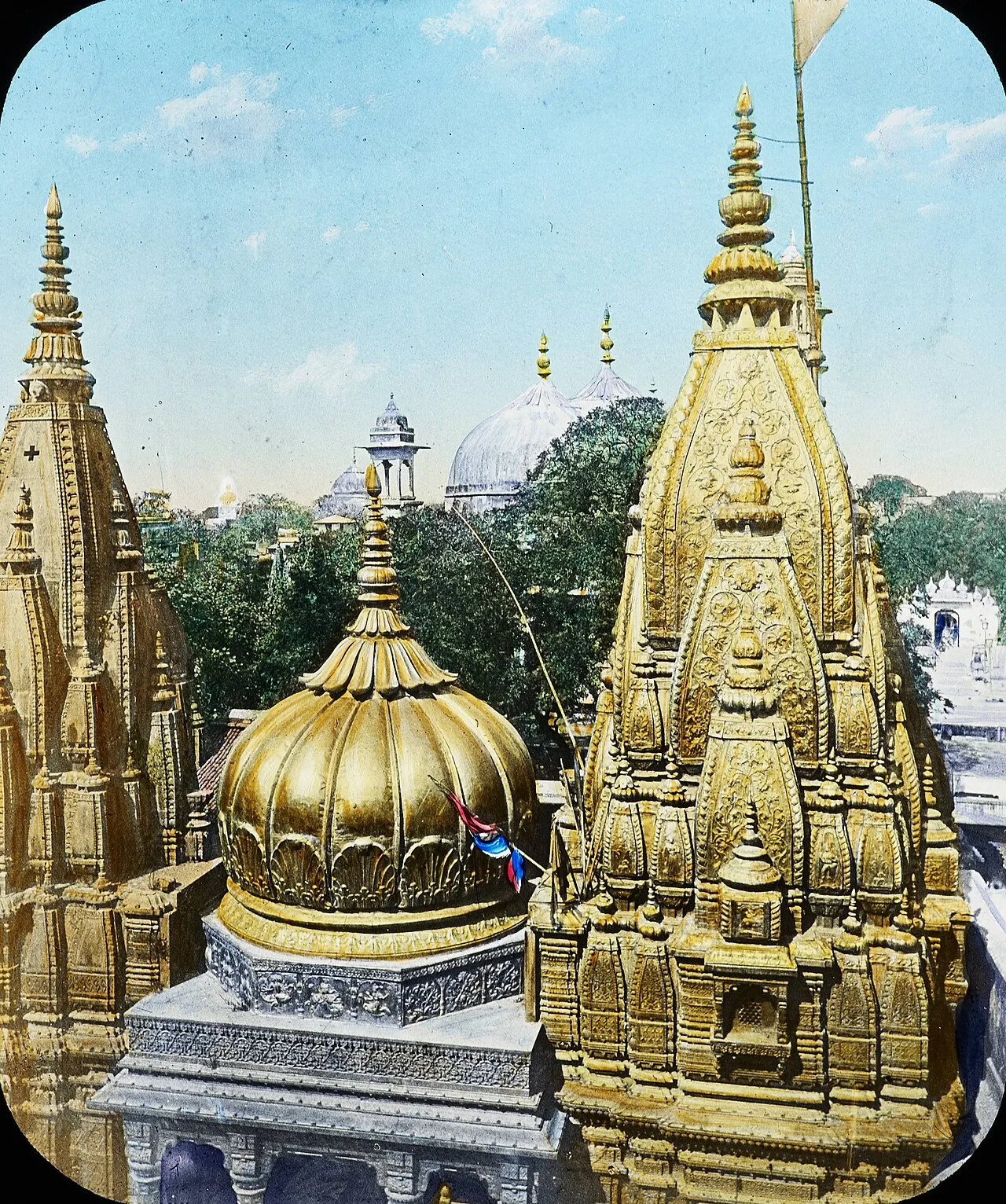
    Kashi Vishwanath Temple

    Varanasi, Uttar Pradesh

    Vishwanath

    Full guide on Ghumoopedia

  8. 8
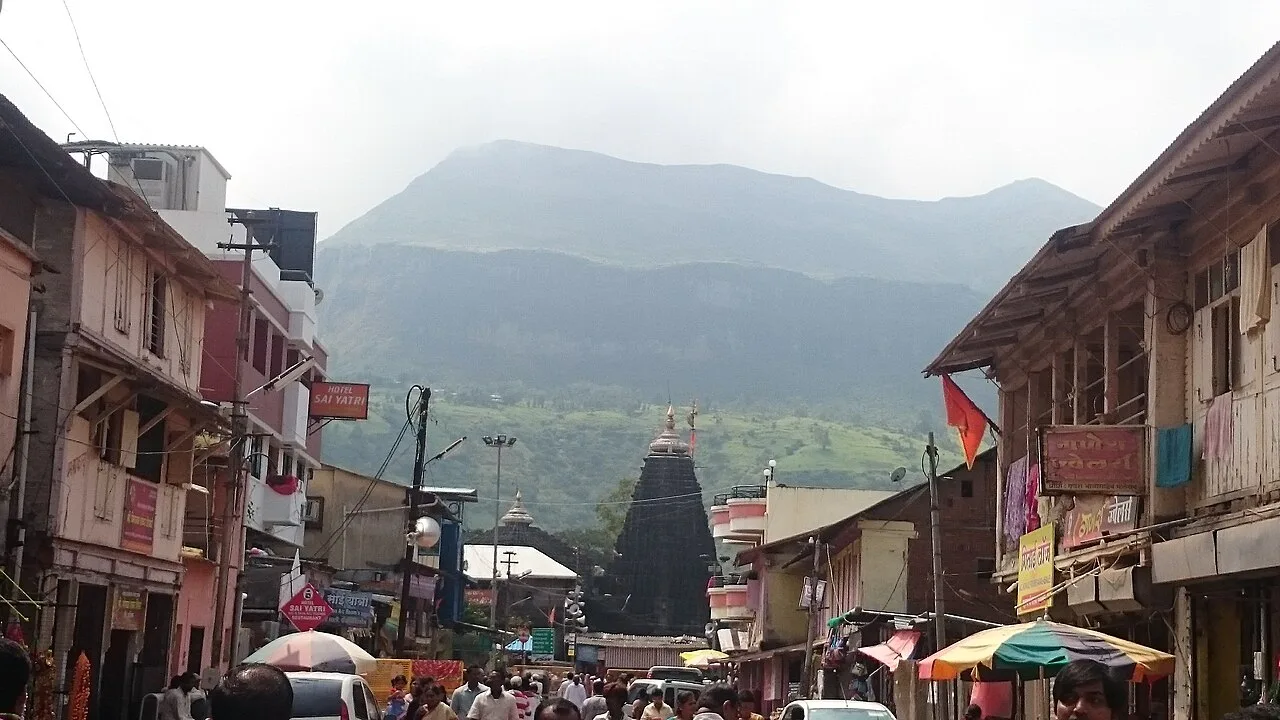
    Trimbakeshwar Shiva Temple

    Trimbak, Maharashtra

    Trimbakeshwar

    Full guide on Ghumoopedia

  9. 9
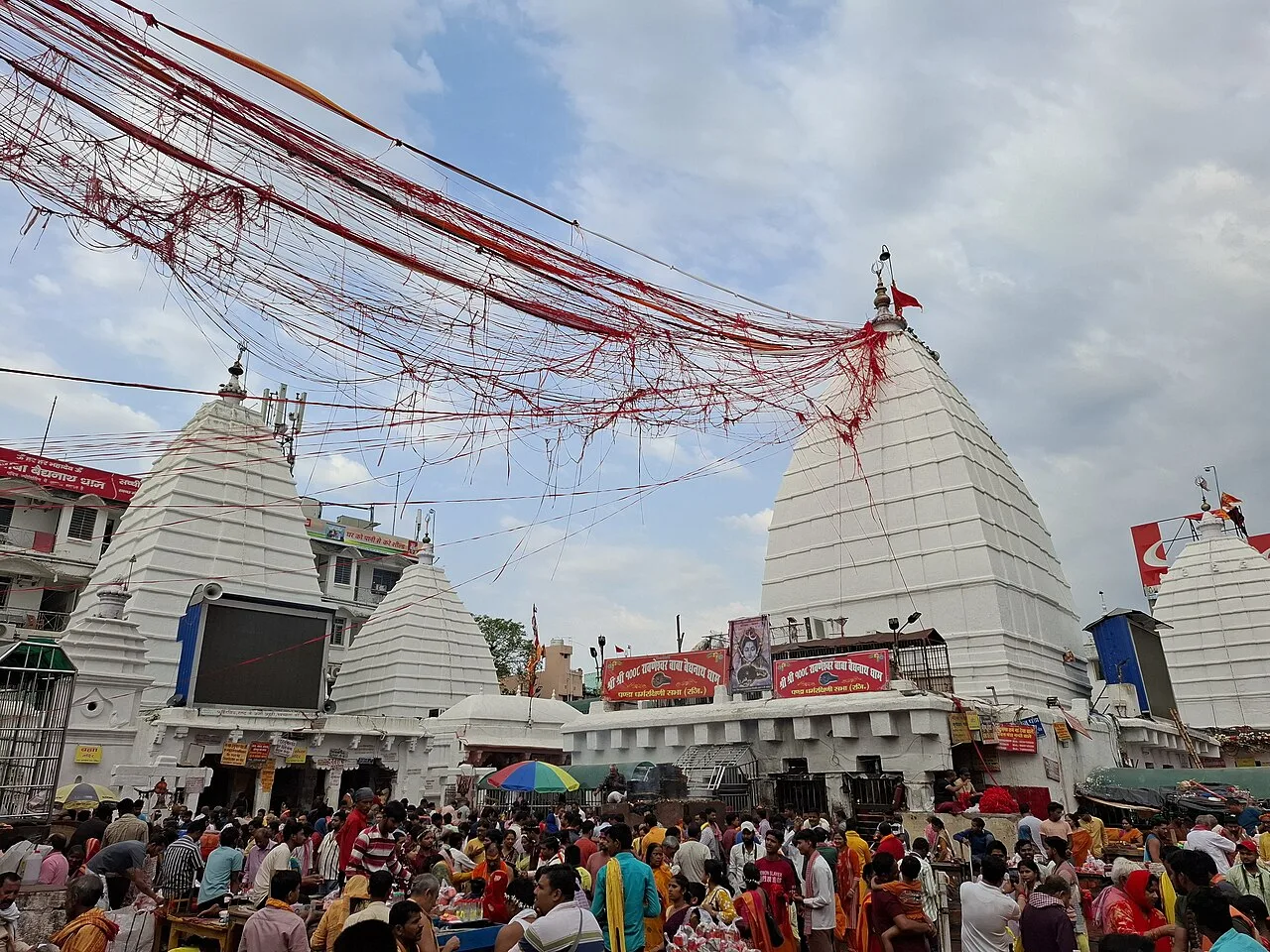
    Baidyanath Temple

    Deoghar, Jharkhand

    Vaidyanath

    Full guide on Ghumoopedia

  10. 10
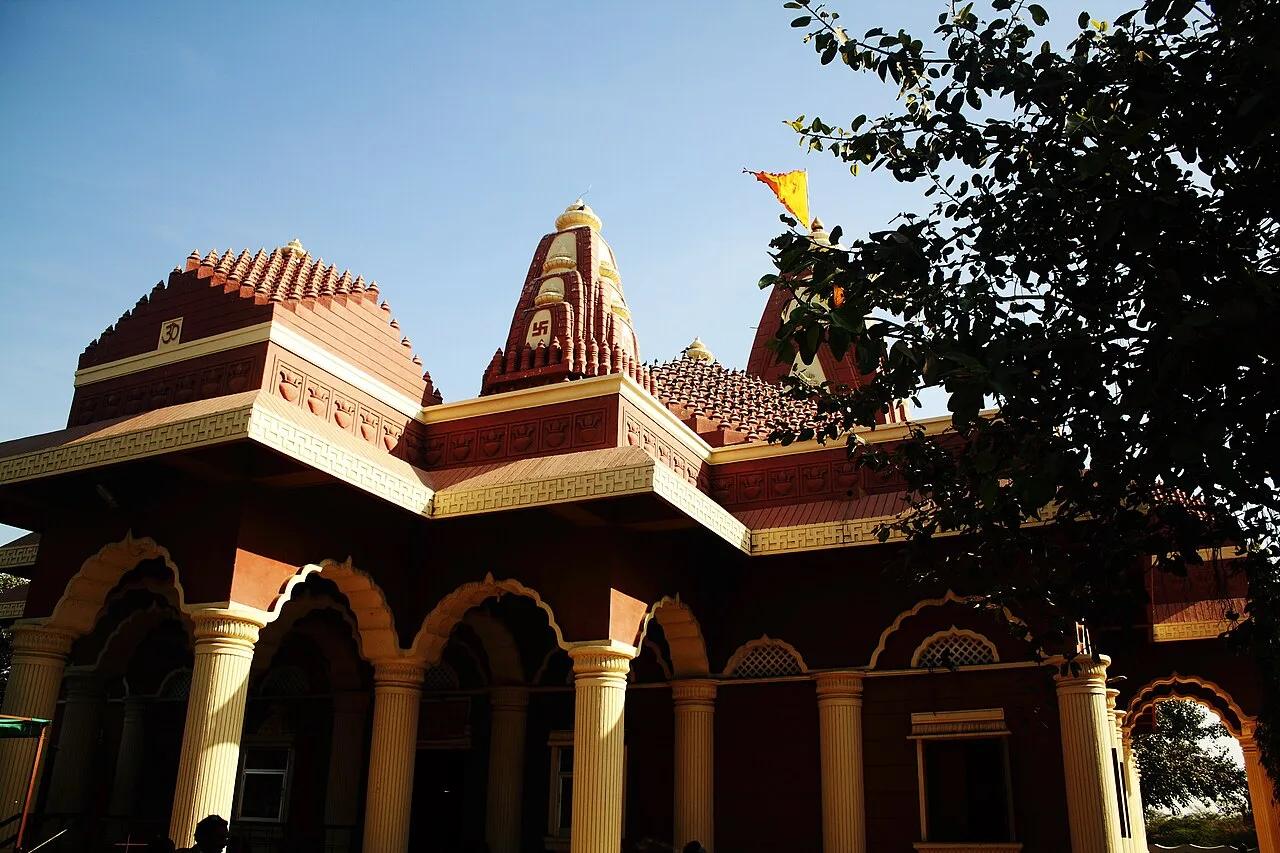
    Nageshvara Jyotirlinga

    Dwarka, Gujarat

    Nageshvara

    Full guide on Ghumoopedia

  11. 11
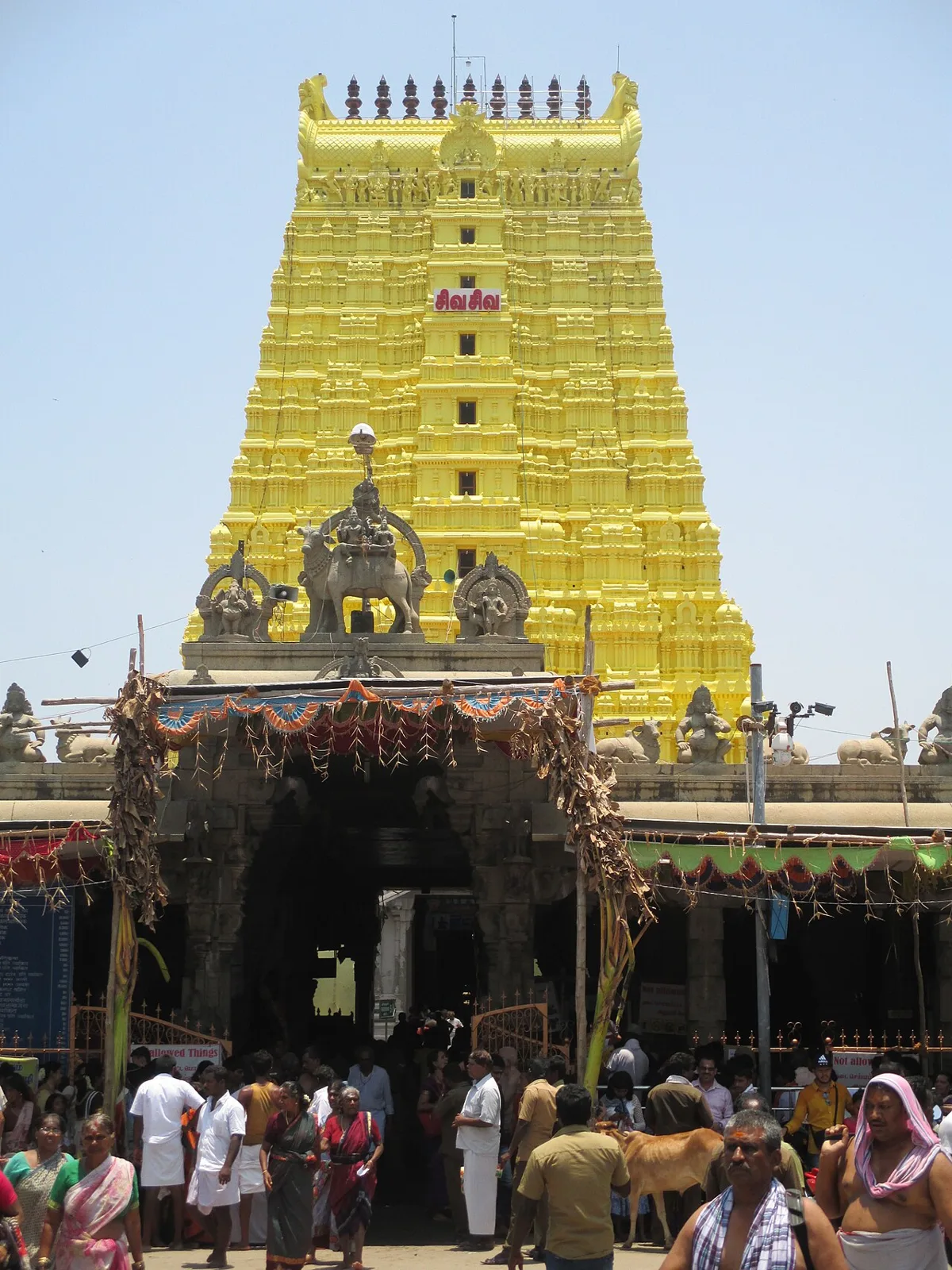
    Ramanathaswamy Temple

    Rameswaram, Tamil Nadu

    Ramanatha

    Full guide on Ghumoopedia

  12. 12
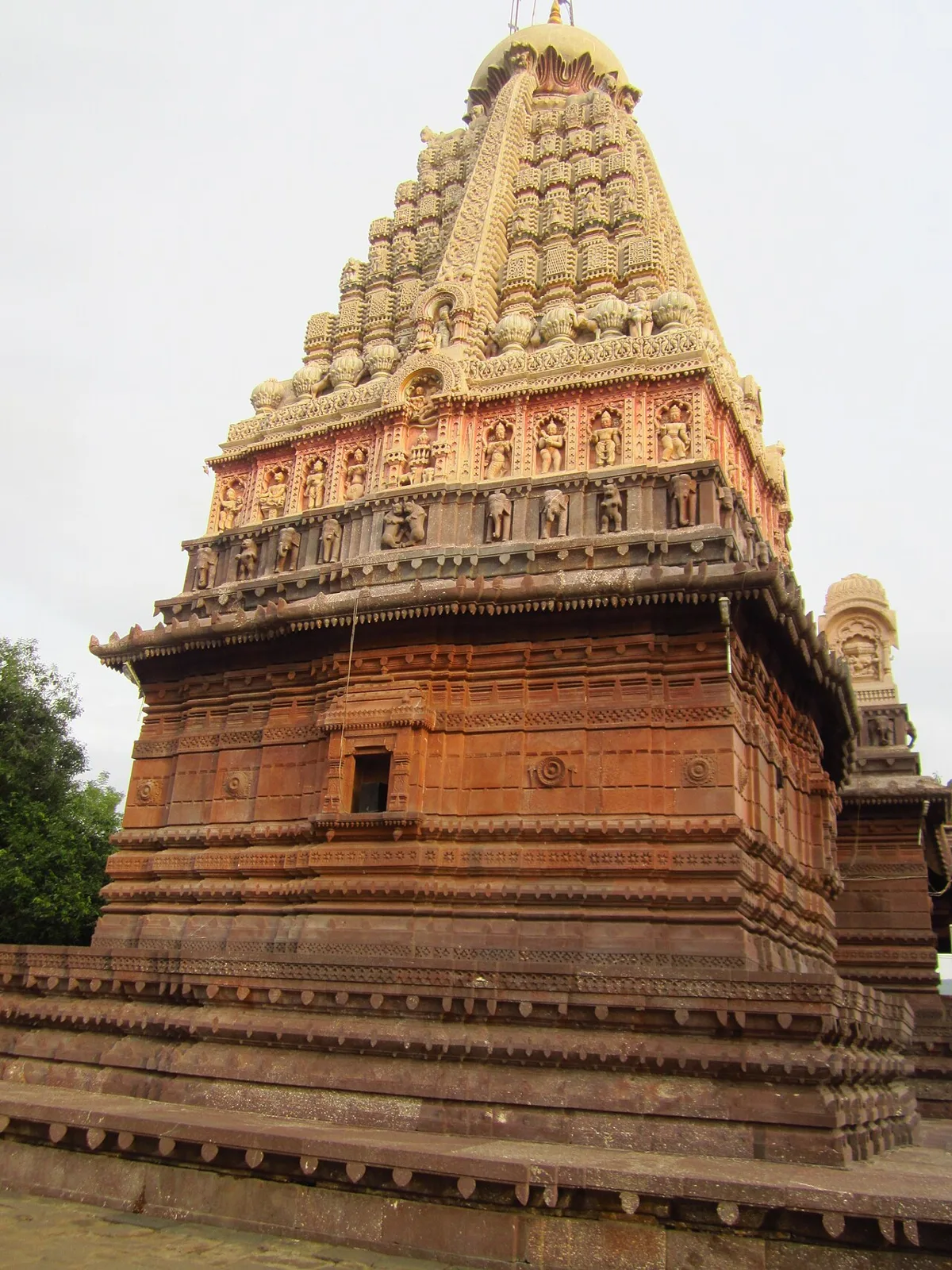
    Grishneshwar Temple

    Verul (Ellora), Maharashtra

    Grishneshwar

    Full guide on Ghumoopedia

Check opening seasons and darshan timings with each temple before you travel.

Plan a trip around these temples

The complete pilgrimage guide

12 Jyotirlingas: everything to know before you go

Origins & spiritual significance

A jyotirlinga is understood in Shaiva tradition as Shiva’s self-manifested form of light, an immeasurable pillar that has neither beginning nor end. A widely recited Sanskrit hymn, the Dvadasha Jyotirlinga Stotra, praises twelve such sacred manifestations across the subcontinent. Its verses associate them with particular landscapes and shrines; stories explaining each site have also been carried through regional traditions, temple worship and pilgrimage. The names and identifications are not interpreted identically in every community, but the twelve-shrine circuit is a widely shared devotional framework.

One familiar account tells how Shiva appeared as an infinite column of light when Brahma and Vishnu disputed their greatness. The jyotirlingas make that boundless presence accessible through worship at particular places. Their settings range from Himalayan heights and riverbanks to coastal temples and ancient cities, connecting devotion with India’s varied sacred geography. Pilgrims undertake the circuit to offer prayers, encounter these distinct forms of Shiva and deepen a practice of humility, endurance and remembrance. Some complete all twelve in one extended journey; others visit over several years or focus on a regional group. There is no single required duration or universally binding travel sequence. Rituals, legends and local observances differ from shrine to shrine, so the circuit is as much an encounter with living regional traditions as it is a repeated act of worship.

The traditional order & route

The order used here begins at Somnath and continues through Mallikarjuna, Mahakaleshwar, Omkareshwar, Kedarnath, Bhimashankar, Vishwanath, Trimbakeshwar, Vaidyanath, Nageshvara, Ramanatha and Grishneshwar. It is a useful sequence for this guide, but it is not a universally prescribed itinerary. The order of names in devotional verses differs, and travel routes are usually planned around access, season and available connections rather than a fixed ritual rule.

A practical journey can be divided into regional legs. Visit Somnath and Nageshvara in Gujarat, then travel inland to the Madhya Pradesh shrines at Ujjain and Omkareshwar. Kedarnath requires a separate Himalayan leg, with onward road and rail connections planned according to current access conditions. Maharashtra’s Bhimashankar and Trimbakeshwar can be paired with a stay around Pune or Nashik; Varanasi and Deoghar form another north-eastern leg. Srisailam and Rameswaram are best approached as southern journeys, while Grishneshwar can be combined with a visit to Ellora. Because the circuit spans long distances, pilgrims commonly use flights or trains between regions and local road transport for the final approach. Check current transport, weather and temple guidance before fixing connections.

Shrine by shrine

At Prabhas Patan, Somnath stands by the Arabian Sea and is associated with the Moon god, Soma, who is said to have worshipped Shiva here. The temple’s coastal setting and the tradition of repeated renewal make it a major western pilgrimage destination. At Srisailam, Mallikarjuna occupies a forested hill above the Krishna River. Its legends connect Shiva and Parvati with their son Kartikeya; devotees also revere the nearby Bhramaramba shrine. Ujjain’s Mahakaleshwar is famed for Shiva as the ruler of time and for its south-facing lingam. The temple’s distinctive Bhasma Aarti draws particular attention; access and arrangements should be checked locally. On an island in the Narmada, Omkareshwar is linked with the sacred syllable Om and is approached amid river scenery and hilltop temples.

Kedarnath, high in the Himalaya, is a stark stone shrine amid mountain terrain. Tradition associates it with the Pandavas and Shiva’s concealment in the form of a bull; the demanding approach is integral to many pilgrims’ experience. Bhimashankar lies in the Sahyadri hills and is connected in legend with Shiva’s defeat of the demon Bhima. Forest surroundings and the temple’s regional architectural character distinguish this visit. In Varanasi, Kashi Vishwanath is revered as the Lord of the Universe in one of Hinduism’s most enduring sacred cities. The crowded lanes, riverfront and surrounding worship traditions form part of the wider pilgrimage setting. Trimbakeshwar, near the source region of the Godavari, is notable for a lingam associated with the three deities Brahma, Vishnu and Shiva, as well as its role in local rites.

Baidyanath at Deoghar is associated with the healing aspect of Shiva and the Ravana legend; pilgrims often call the deity Vaidyanath. Nageshvara, near Dwarka, is linked with Shiva’s protection of a devotee from the serpent-demon Daruka. At Rameswaram, Ramanathaswamy is connected with Rama’s worship of Shiva before his journey to Lanka. Its long pillared corridors and sacred water wells are central features of the temple visit. Grishneshwar, at Verul near Ellora, is associated with a devoted woman named Kusuma in local accounts. Its compact temple setting makes it possible to pair darshan with the nearby cave heritage, while observing that both sites have their own rules and visiting needs.

Best season & planning the journey

Conditions differ sharply across this circuit. The Himalayan approach to Kedarnath is governed by snow, rain and changing access arrangements; visit only when the route is officially accessible, and verify current conditions before travelling. Monsoon rain can also affect hill roads at Srisailam, Bhimashankar and Trimbakeshwar. Coastal Gujarat and Tamil Nadu can be humid and hot, while central and northern Indian cities may experience intense summer heat. For many regions, cooler months are more comfortable for walking and queueing, but popular festival periods can bring heavier crowds and accommodation pressure.

Major observances, including Maha Shivaratri and local temple festivals, can be spiritually rewarding but may involve special arrangements, longer waits or restricted access. The exact dates of lunar festivals change each year, and local calendars and temple notices should be checked. Kedarnath and other hill visits need additional flexibility for weather and road conditions. Rather than trying to cover the entire circuit during one festival season, allow time for regional variations and rest. Confirm each temple’s current opening information, travel advisories and any special procedures with official sources before departure.

Darshan, rituals & dress code

Worship commonly includes viewing the lingam, offering prayers and, where permitted, presenting flowers, water, bilva leaves or other customary offerings. Practices differ: some temples conduct elaborate daily rites, while others have particular aarti or abhishek arrangements. Follow the instructions of temple staff and use official counters or channels for any permitted offerings or special worship. Queue systems, entry procedures, photography rules and access to inner areas are not uniform; check current directions rather than relying on old travel accounts.

Wear clean, modest clothing that covers the shoulders and legs, and choose practical footwear for walking and standing. Some temples may ask visitors to remove footwear or observe additional rules; facilities and requirements vary. Carry a light layer for mountain conditions and breathable clothing for hot or humid regions. Keep valuables minimal, allow extra time for security checks and do not press forward in crowded queues. Online booking or registration may be available for some services at some shrines, but it is not a single system for all twelve. Consult the relevant temple or official authority for current darshan arrangements, eligibility, and any restrictions.

Getting around, stays & budget

The circuit is spread across a large area, so plan it as linked regional journeys rather than a continuous short road trip. Major cities and rail or air hubs can serve as bases, with local taxis, buses or other road transport for the final stretches. Kedarnath involves a mountain approach and substantial walking; arrange onward travel and support in line with current official guidance. Srisailam, Bhimashankar and Omkareshwar also require attention to local road conditions and transfer times. For Grishneshwar, a stay near the Ellora and Aurangabad-area transport network can be convenient.

Accommodation ranges from simple pilgrim lodgings and budget hotels to more comfortable properties, with availability varying by season and festival demand. Book ahead in busy periods, but confirm cancellation terms and location. Costs depend on transport choices, room standards, meals, local transfers and how much time is spent in each region; there is no single reliable circuit price. Keep a buffer for delays and carry some accessible funds, while using reputable payment and transport services. Check current fares, road conditions and lodging directly before travel.

Etiquette, health & responsible pilgrimage

Treat each shrine as an active place of worship: follow posted instructions, respect queues and avoid loud conversation or disruptive behaviour. Ask before photographing people, ceremonies or restricted areas, and obey any no-photography signs. Do not touch sacred objects unless invited or permitted by the temple.

Prepare for altitude at Kedarnath, heat in the plains and coastal regions, and long walks or standing in queues. Carry water where permitted, take regular rest, and seek medical advice if you have relevant health concerns. Avoid littering, reduce disposable plastic, and use designated waste facilities. Be considerate of local residents, workers and other pilgrims, particularly in narrow lanes, forest areas and fragile mountain environments.

Frequently asked questions

How many days does it take to visit all twelve shrines?

There is no fixed duration. A fast itinerary may still require several weeks because of long distances, transfers and the Kedarnath approach; a more comfortable pilgrimage can take longer. Many devotees visit the shrines over multiple journeys. Build in rest days and check current transport and access conditions.

What is the best order for the pilgrimage?

No single travel order is binding for every pilgrim. This guide follows the supplied sequence, while devotional texts and regional customs may arrange the names differently. In practice, grouping shrines by region and season usually saves time. Choose an order that respects access conditions, especially for Kedarnath.

Is the circuit suitable for elderly pilgrims?

Some shrines involve substantial walking, crowds, steps or difficult terrain, particularly Kedarnath. Suitability depends on an individual’s health and mobility. Discuss demanding sections with a medical professional, plan a slower itinerary, and verify locally available assistance and access arrangements with official authorities before travelling.

What should pilgrims wear at the temples?

Choose clean, modest clothing that covers shoulders and legs, with comfortable footwear for approaches and queues. Weather varies from Himalayan cold to coastal heat, so pack adaptable layers. Individual temples may have additional requirements, including rules for footwear or particular areas; follow current posted guidance.

Can darshan be booked online, or is registration required?

Arrangements vary by shrine and may also change for particular services, seasons or festivals. Some temples may provide online booking or registration for certain facilities, while others use different procedures. Check the temple’s official channels or relevant authority before travel; do not assume one booking system covers all twelve.