
Ghumoopedia — Explore, Discover, Experience
Sign in
Rangat, near Rangat

City guide · Andaman and Nicobar Islands

Rangat

Rangat is a town on Middle Andaman, visited by travellers exploring the island. Road and sea links connect it with other places, including Port Blair and Mayabunder.

Famous for

  • Dhani Nallah mangrove walkway
  • Amkunj Beach
  • Yerrata Mangrove Park
  • Cuthbert Bay turtle habitat
  • Middle Andaman gateway
In the city
1
Nearby
1
District
North and Middle Andaman

Why Rangat matters

Rangat is a small town on Middle Andaman Island and an important service and transport centre for the surrounding settlements. It sits on the Andaman Trunk Road, linking parts of the Andaman Islands by road, and also serves as a base for exploring nearby beaches, mangrove habitats and rural communities. Its importance is practical as well as scenic: residents and travellers use the town for everyday services and as a stop on journeys across the island.

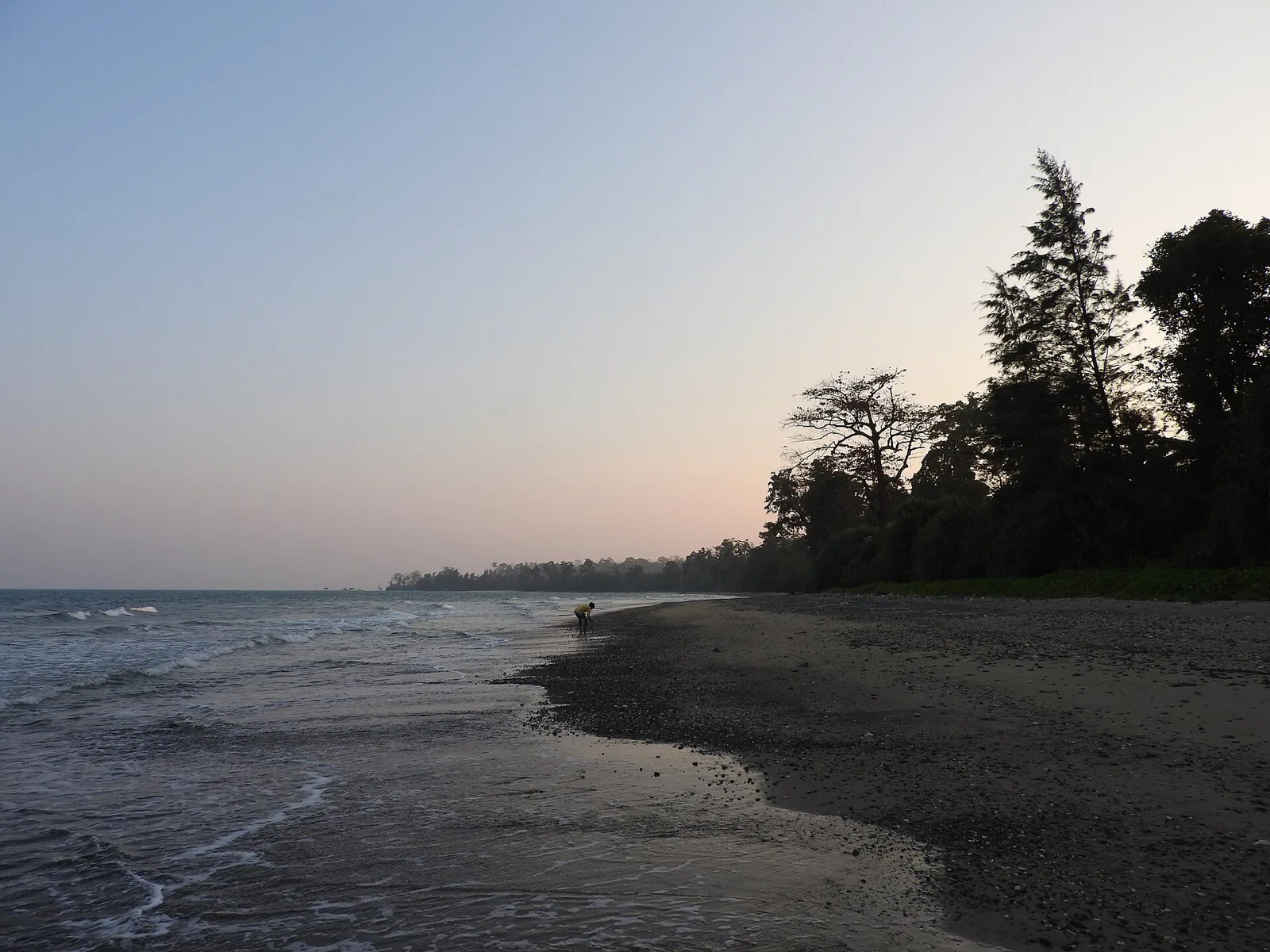
Visitors are drawn to the natural surroundings rather than a dense collection of urban attractions. Dhani Nallah’s mangrove walkway, Amkunj Beach, Yerrata Mangrove Park and the turtle habitat at Cuthbert Bay are among the best-known nearby places. The coast, forest and tidal creeks offer a quieter experience than the busier areas around Port Blair. Rangat is also a useful starting point for onward travel towards Middle Andaman’s smaller settlements and ferry connections, though visitors should check current local transport arrangements before setting out.

Famous for: crafts, trade & products

Rangat is not widely known as a textile, handicraft or major manufacturing centre, and it has no particularly famous local saree or GI-tagged product. Its commercial role is chiefly as a market and service town for Middle Andaman. Shops in and around the town centre cater to daily needs, while local trade reflects the island’s agricultural and coastal setting. Produce available in the area can include coconuts, areca nuts, vegetables and fish, with supply varying by season and locality.

The town’s more distinctive draws are its natural landscapes and the small businesses that serve visitors travelling to them. Look around the bazaar for everyday provisions and locally available food; do not expect a dedicated craft district or large souvenir market. Mangrove and beach visits are generally organised independently or through local transport and accommodation providers. Visitors seeking handicrafts or a wider choice of island-made souvenirs may find more options in Port Blair. Rangat’s value is less as a shopping destination than as a practical hub for reaching the nearby coast, forests and communities.

History

Rangat’s modern growth is tied to settlement, administration and transport on Middle Andaman rather than to a long-established royal capital or major colonial port. The wider Andaman Islands came under British rule in the nineteenth century, with colonial administration and the penal settlement concentrated around Port Blair. Rangat developed separately as a local centre serving communities farther north in the island group.

After Indian independence, government settlement programmes brought families from mainland India to parts of the Andamans. These communities, including Bengali-speaking settlers, helped shape the region’s farms, villages and everyday culture. Rangat grew as a service centre for surrounding settlements and as road links improved. The Andaman Trunk Road made overland travel across the island more practical, while boats and ferries continued to matter for movement between islands. Today, the town’s role remains regional: it supports local residents and provides a stopping point for travellers exploring Middle Andaman.

Food, festivals & culture

Rangat’s culture reflects the varied communities settled across the Andaman Islands. Bengali, Hindi, Tamil and Telugu are among the languages heard locally, alongside English in official and visitor-facing settings. Rice and seafood are common parts of meals; fish curry, coconut-based dishes and other home-style cooking are readily associated with the islands. There is no single signature sweet that defines Rangat, and menus vary between households and eateries.

Major festivals celebrated by local communities include Durga Puja, usually in autumn, Diwali in autumn, Christmas in December, and Pongal in January. Eid follows the Islamic lunar calendar, so its season shifts each year. Celebrations are generally community-centred, with worship, shared meals and music rather than large-scale visitor spectacles. Hindu temples, churches and mosques serve the town’s diverse residents. Local cultural life is shaped by family and community gatherings, regional music and dance traditions brought from different parts of mainland India, as well as the rhythms of island life.

Visiting the city

The drier months, broadly November to April, are generally the most comfortable for visiting; monsoon weather can bring heavy rain and disrupt sea and road travel. Rangat has no airport. The nearest airport is Veer Savarkar International Airport in Port Blair, reached by air from mainland India, followed by onward travel by road or sea. There is no railway station in the Andaman Islands; mainland rail journeys require connecting onward to the islands.

Rangat is reached by road along the Andaman Trunk Road or by inter-island boat services, depending on current routes. Local taxis and other hired vehicles are useful for visiting outlying attractions. Explore the town centre and bazaar for everyday services, then head towards Yerrata Mangrove Park, Dhani Nallah and Amkunj Beach. Cuthbert Bay and nearby villages make worthwhile excursions. Check local transport and access conditions before planning day trips.

Attractions

Places to visit in Rangat

Sights within about 12 km of each other, even when they fall in different districts.

Short trips

Around Rangat

Within about 40 km — easy half-day or day trips from the city.

Map

Rangat on the map

  1. 1Rangat
  2. 2Long Island

Andaman and Nicobar Islands

Other cities to explore