Ghumoopedia — Explore, Discover, Experience
Sign in
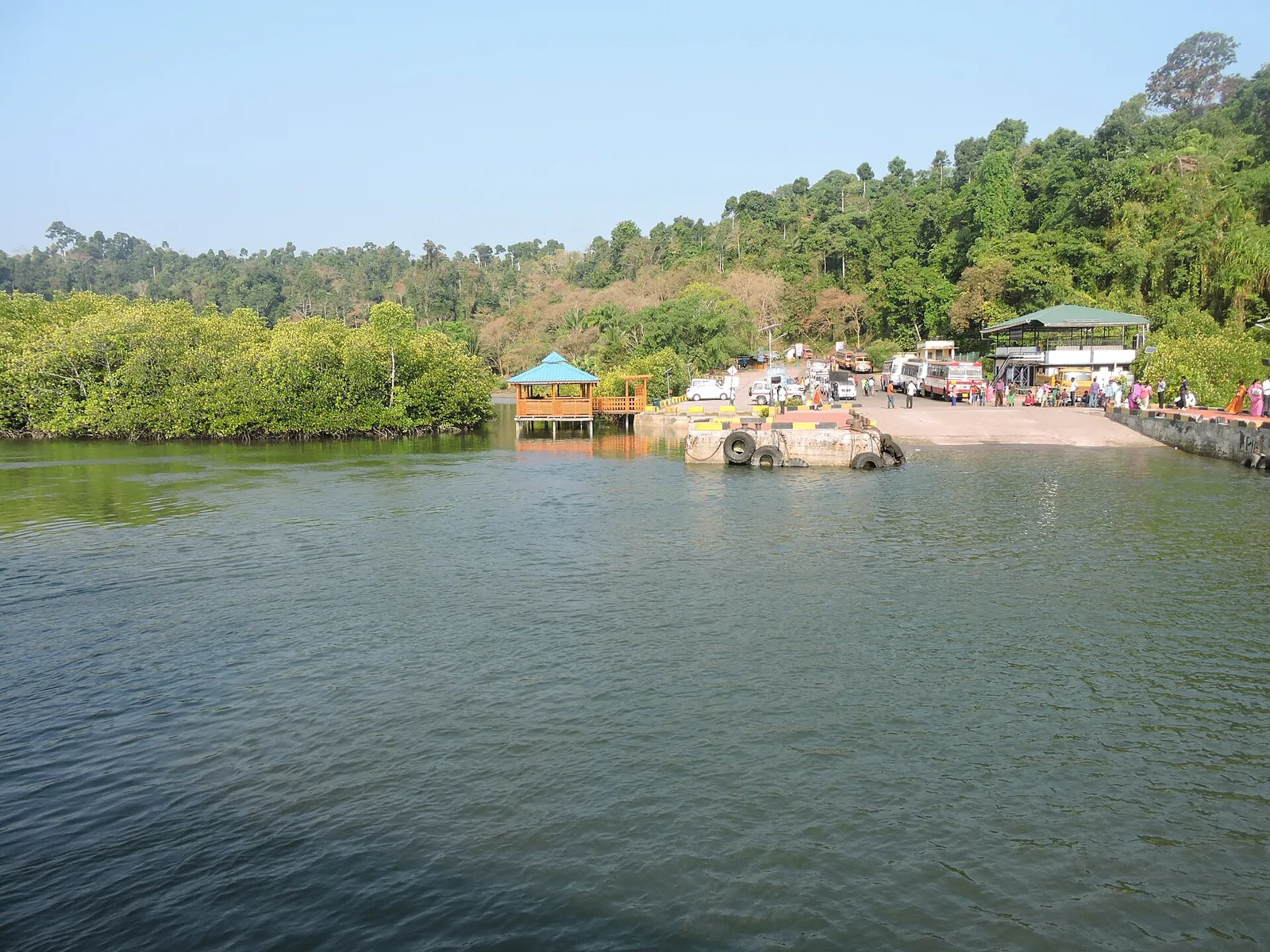
Baratang Island, Andaman and Nicobar Islands

Union Territory · Islands India

Andaman and Nicobar Islands

Coral reefs, white beaches and the Cellular Jail's freedom-struggle story.

Capital
Sri Vijaya Puram
Districts
3
Destinations
33

Overview

Understanding Andaman and Nicobar Islands

Culture

Protected indigenous communities — visitor access is restricted by law.

Food

  • Fresh seafood curries

Festivals

  • Island Tourism Festival

Experiences here

  • Beach
  • Wildlife
  • Heritage

Verified by the Ghumoopedia editorial team on 21 Nov 2026. Written and reviewed by Ghumoopedia's editors. Timings, fees and permits can change, so check them with the managing authority shortly before you travel.

The complete guide

Andaman and Nicobar Islands: a traveller's guide

Why visit

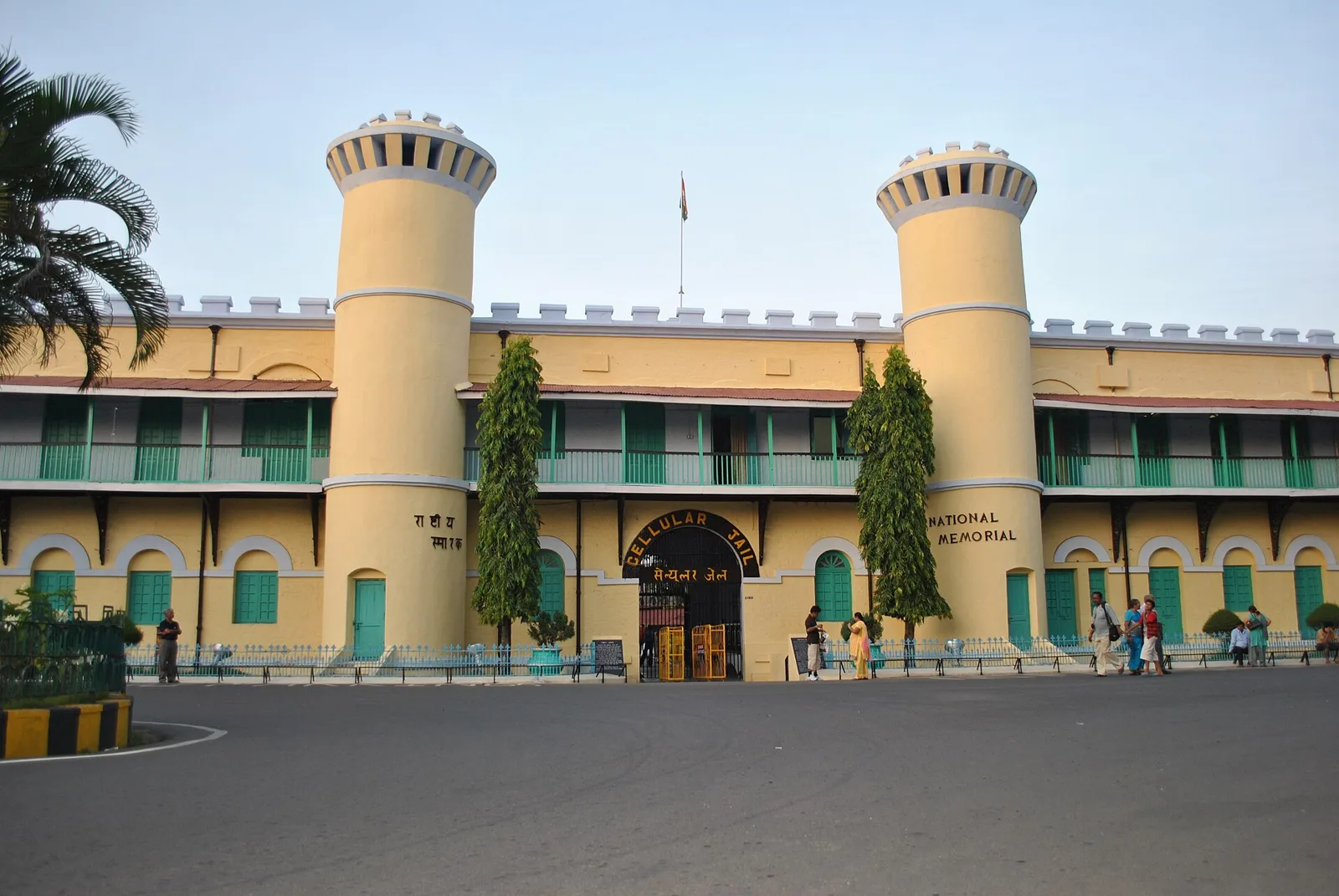
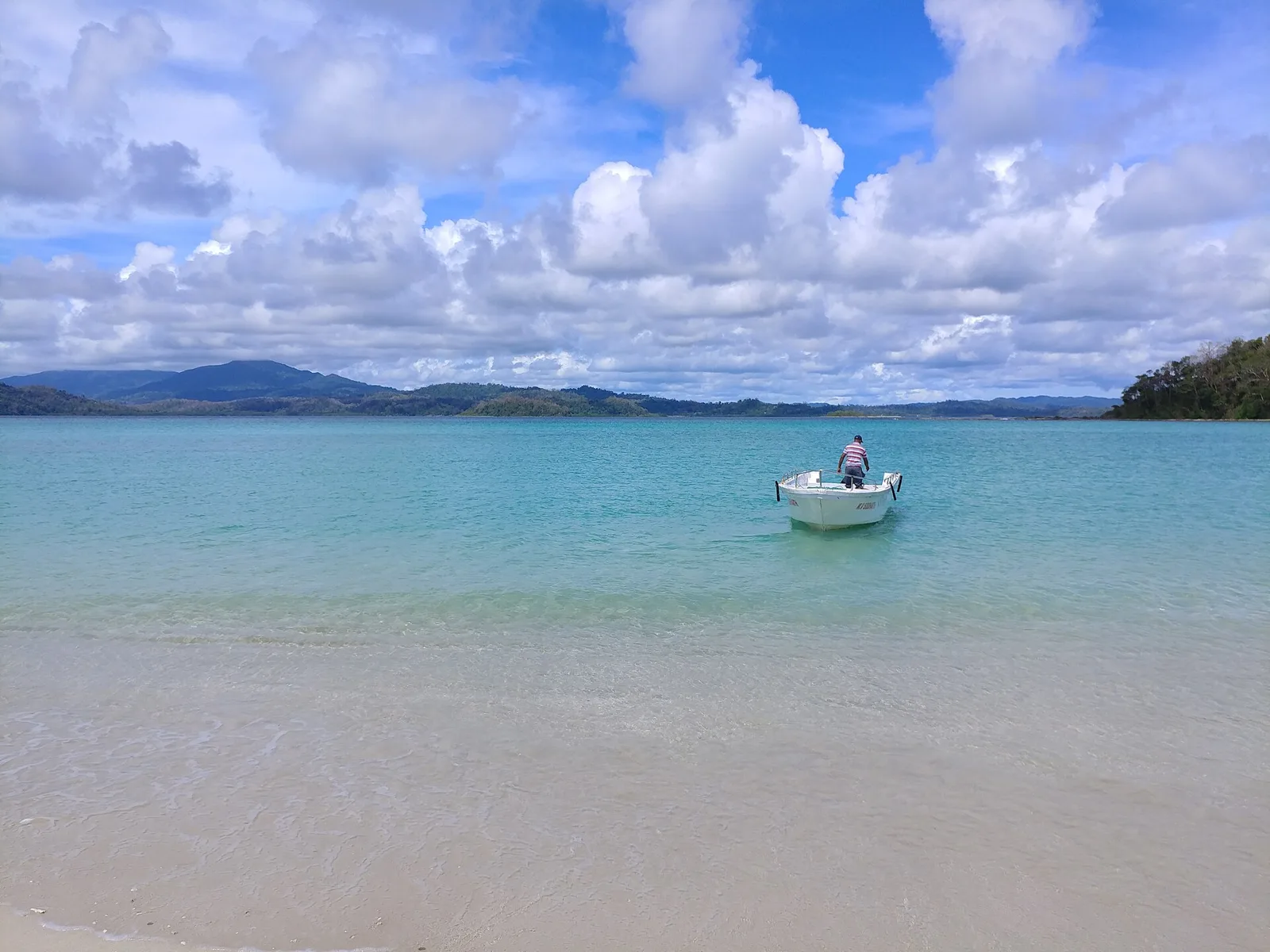
Andaman and Nicobar Islands is an Indian Union Territory where a journey often means moving between sea, forest and stories of remarkable historical depth. Its scattered islands offer coral reefs, clear-water coves and white-sand beaches, while the Cellular Jail in Sri Vijaya Puram recalls the human cost of colonial rule and the freedom struggle. The capital—formerly known widely as Port Blair—makes a practical starting point for museums, harbour excursions and nearby beaches such as Corbyn’s Cove and Wandoor.

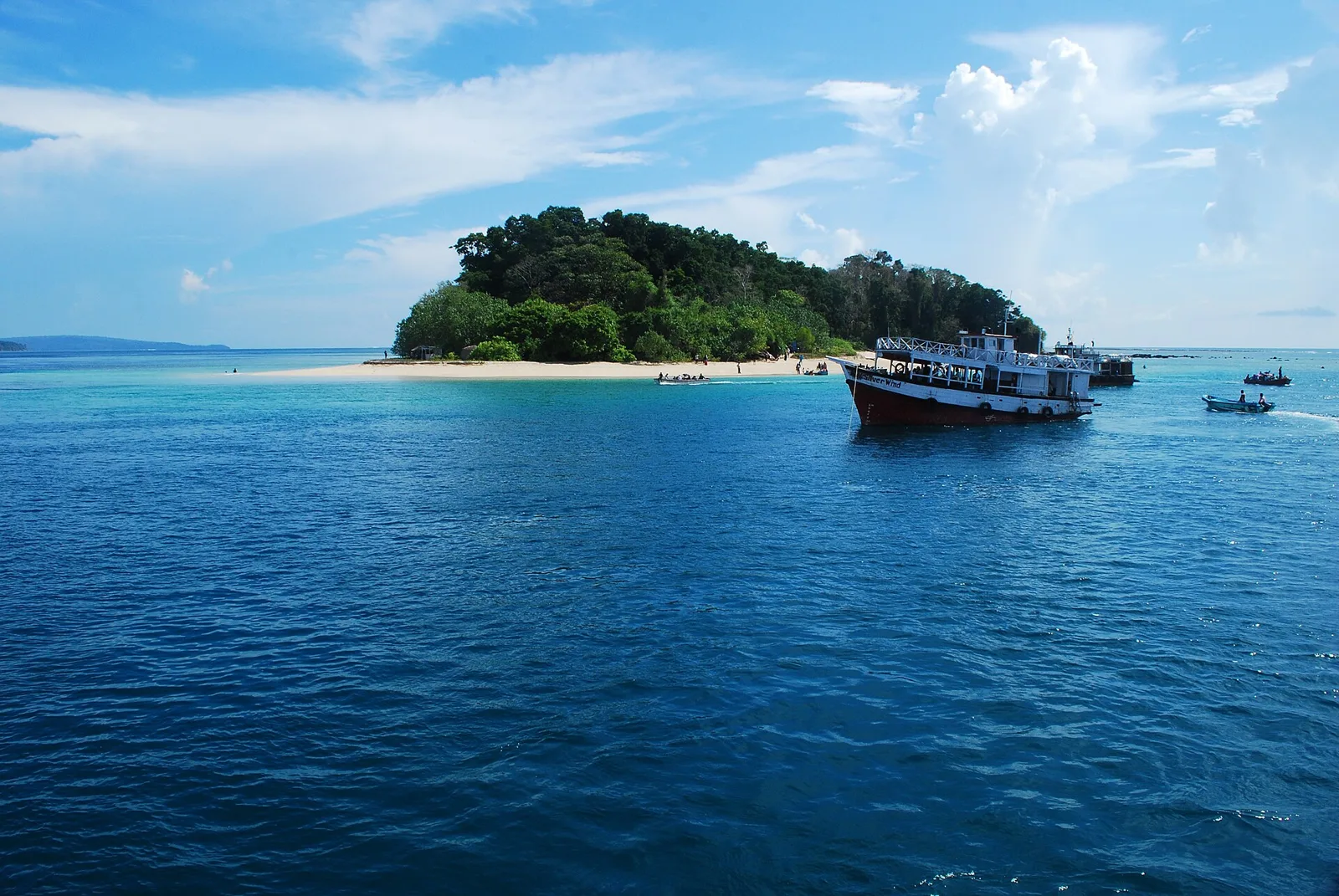
The islands suit travellers looking for nature-focused holidays, snorkelling and diving, quiet beach stays, birdwatching or a slower itinerary shaped by ferry connections. Swaraj Dweep and Shaheed Dweep are popular for coastal scenery; North and Middle Andaman offer places such as Rangat, Baratang and Diglipur. Great Nicobar and many Indigenous territories are not open for ordinary tourism, and visitor access is restricted by law. The archipelago rewards thoughtful planning: travel between islands takes time, weather can affect connections, and responsible visitors treat reefs, wildlife and local communities with care.
Landscape & climate

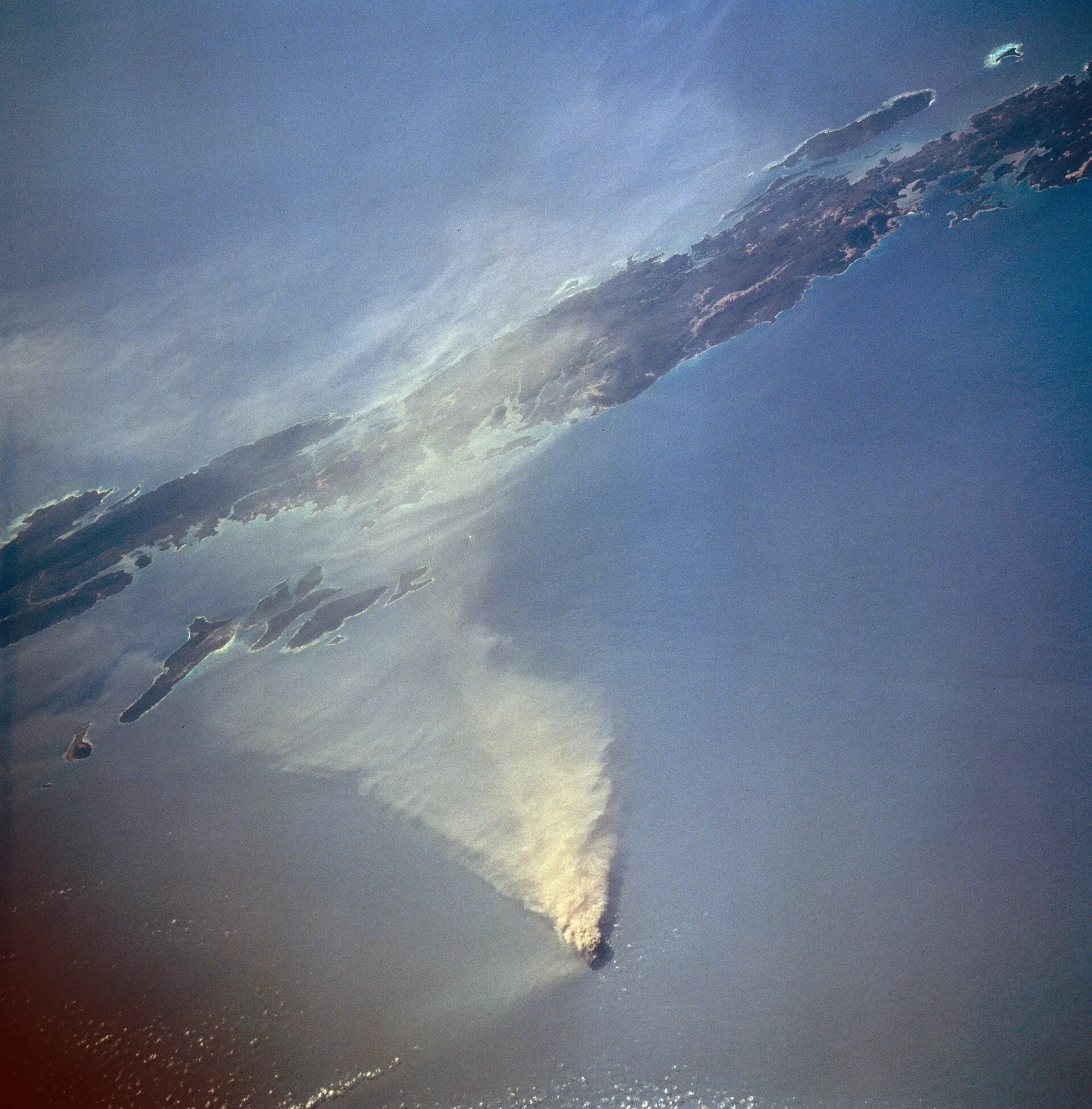
The territory comprises two island groups in the Bay of Bengal: the Andamans to the north and the Nicobars farther south, separated by the Ten Degree Channel. Hundreds of islands, islets and rocks are spread across a long arc, though only a small share are inhabited or open to visitors. The Andamans include the forested North, Middle and South Andaman islands, with smaller islands in Ritchie’s Archipelago. The Nicobars are more remote, and access to much of the group is restricted. Barren Island, in the Andaman Sea, is known for its active volcano; Saddle Peak National Park protects the highest ground in the territory, while Mount Manipur National Park rises above South Andaman.

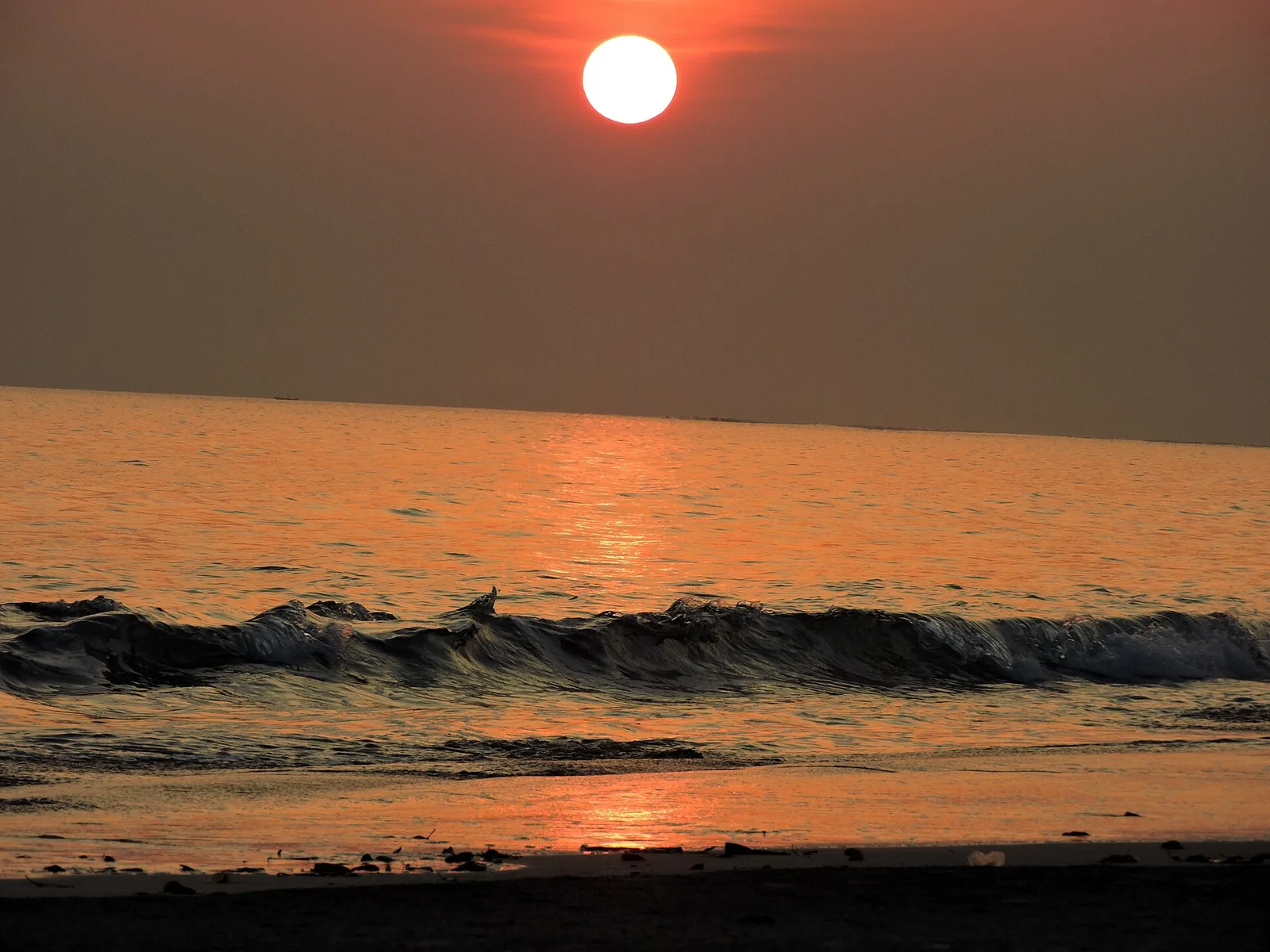
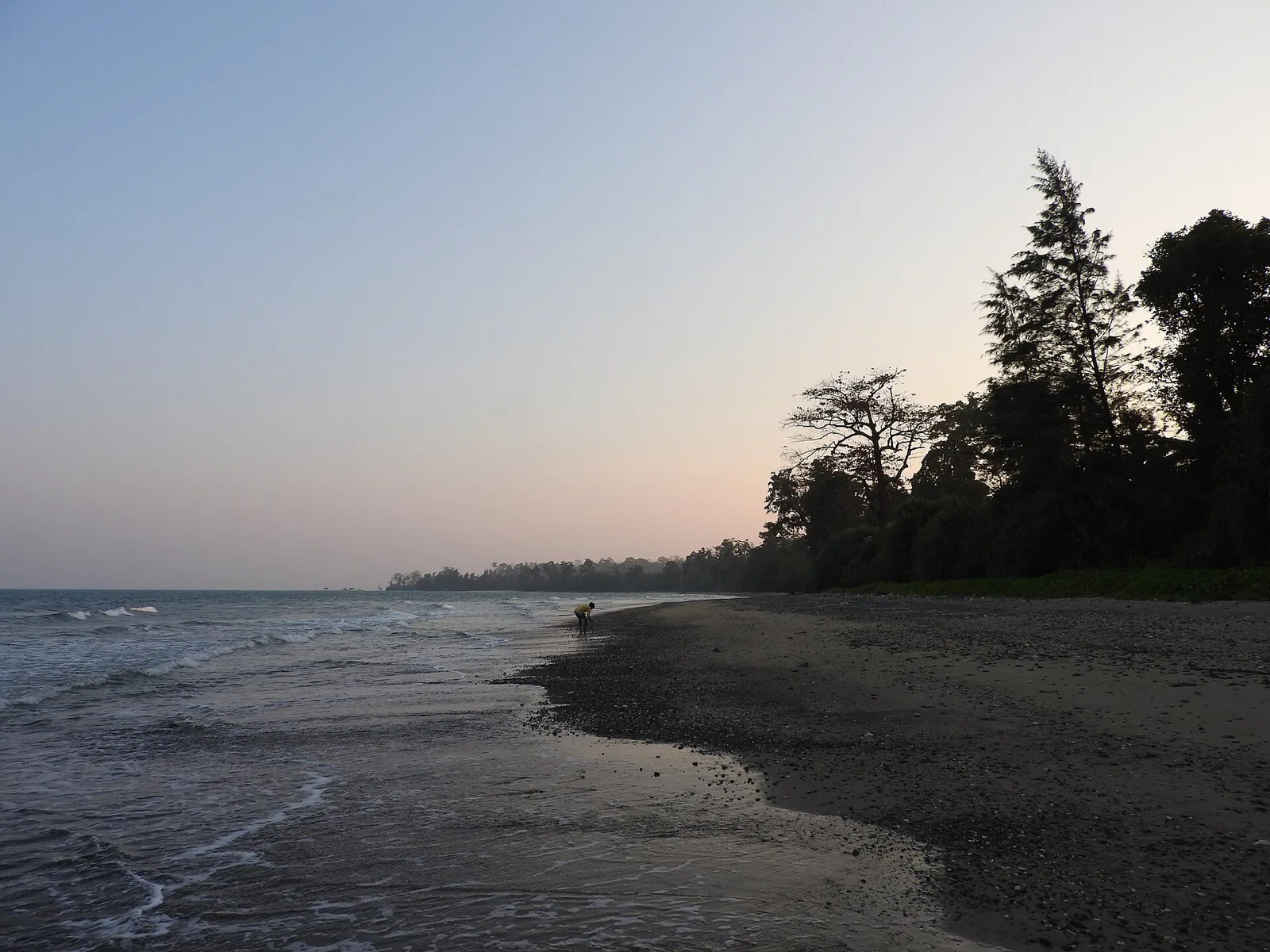
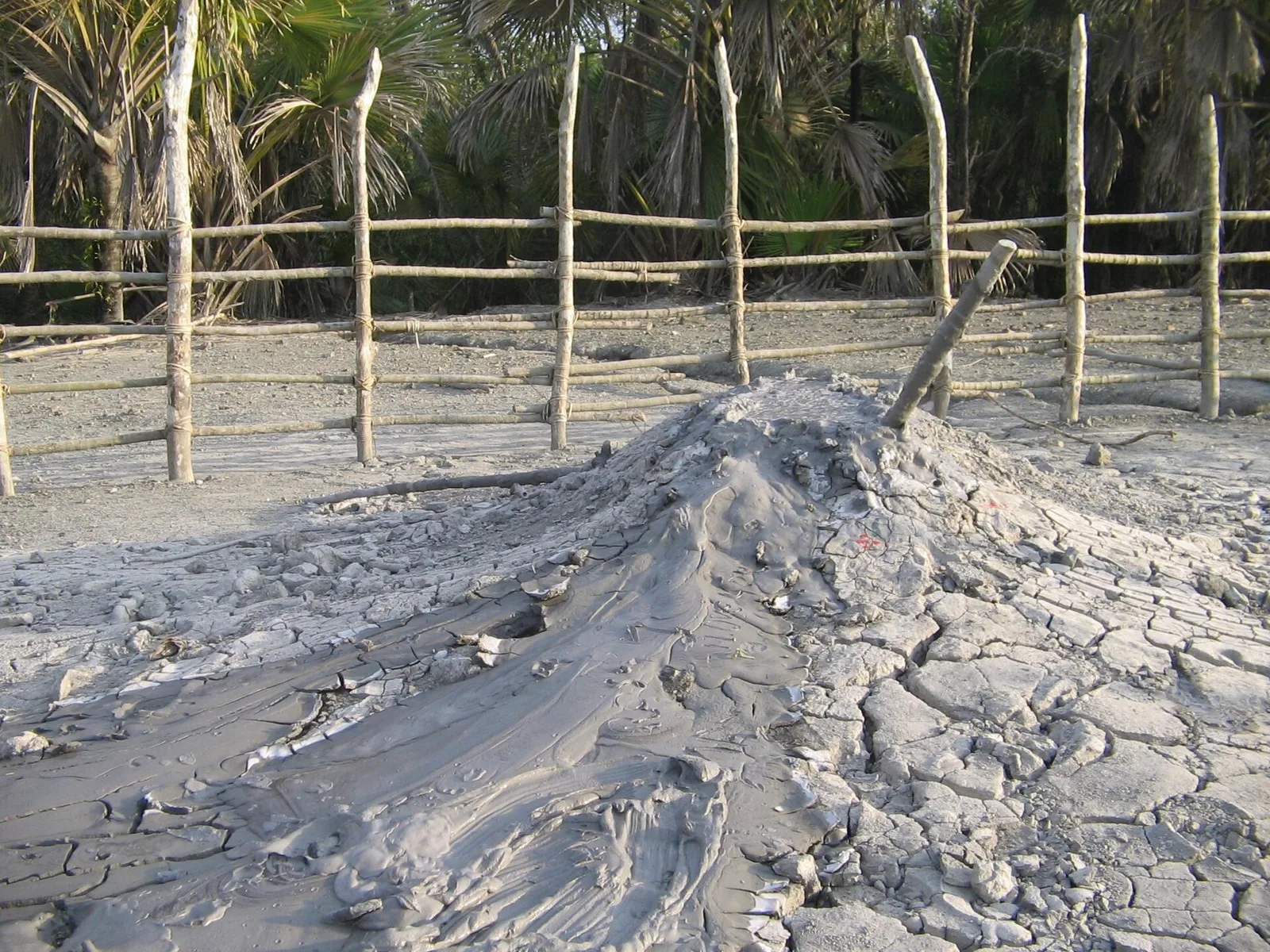
Coastlines range from broad, pale beaches to mangrove-lined creeks, rocky headlands and fringing coral reefs. Inland, tropical evergreen and semi-evergreen forests cover hills and valleys, and short streams and seasonal rivulets drain towards the sea; there are no large river systems comparable to those on mainland India. Baratang’s mangroves and mud volcano, the reefs near Mahatma Gandhi Marine National Park and the beaches around Wandoor show this variety. The climate is warm, humid and maritime throughout the year. Rain comes with the southwest and northeast monsoons, with showers possible outside the main wet periods; the comparatively drier season is generally from January into April. Sea conditions and rainfall can change quickly, so island-hopping plans need flexibility.

History & heritage

These islands have been home to distinct Indigenous peoples for thousands of years. Their histories, languages and relationships with particular territories are not interchangeable, and much of this knowledge belongs to the communities themselves. Ancient and medieval references to islands in the region are difficult to map precisely; medieval Chola records mention Nakkavaram, commonly associated with the Nicobars. European powers later visited and sought footholds. Danish claims in the Nicobars began in the eighteenth century, though settlement attempts were limited, and the islands eventually came under British control. The Andamans and Nicobars developed along different historical paths, shaped by geography as well as colonial administration.

The British established a penal settlement in the Andamans in 1858, after the uprising of 1857, and used the islands to imprison people involved in resistance to colonial rule. The Cellular Jail, built over several years and completed in the early twentieth century, became a symbol of this repression; its surviving structure and memorial spaces can be visited in Sri Vijaya Puram. During the Second World War, Japanese forces occupied the islands. Netaji Subhas Chandra Bose visited in 1943, when the islands were associated with the Provisional Government of Free India; Ross Island is now called Netaji Subhas Chandra Bose Dweep.

After India became independent in 1947, the islands were administered by India and became a Union Territory in 1956, rather than a state. The territory’s modern history also includes migration and settlement from different parts of India, alongside continuing Indigenous presence and protections. The 2004 Indian Ocean tsunami caused severe loss and disruption, especially in the Nicobars, and altered coastlines in places. Today, heritage sites such as Cellular Jail, Chatham Saw Mill and Viper Island sit within a wider history that includes colonial rule, wartime occupation, resettlement and the need to protect Indigenous rights and fragile ecosystems.

Culture, people & festivals

The islands’ population includes settlers and families with roots in many parts of mainland India, alongside distinct Indigenous communities. Bengali, Hindi, Tamil, Telugu, Malayalam and English are among the languages commonly heard, while Nicobarese languages and the languages of Andamanese communities belong to their own cultural worlds. Great Andamanese, Jarawa, Onge, Sentinelese, Nicobarese and Shompen communities have distinct identities and circumstances; they should not be treated as tourist attractions. Access to protected Indigenous territories is restricted by law, and visitors must respect boundaries, privacy and official safeguards.

Everyday cultural life reflects this diversity through food, worship, music and community gatherings. Hindu, Christian, Muslim and other faith traditions are present, with festivals including Durga Puja, Eid, Christmas, Pongal and Onam observed by different communities. The Island Tourism Festival is generally held in January, although its schedule and programme can vary; it brings performances, local food and cultural events to public venues. Music and dance at festivals may draw on traditions carried from across India, as well as local island practices. Nicobari community celebrations, including ceremonies connected with important life events, are meaningful occasions rather than performances for visitors. Ask before photographing people, religious observances or cultural events, and follow any limits set by organisers.

Food & flavours

Rice is a common staple, and meals often bring together fresh fish or other seafood with coconut, spices and seasonal produce. Fish curries, grilled or fried fish, crab, prawns and lobster are found on menus, with preparation varying between households and islands. Coconut milk can give curries a mellow richness, while chilli, turmeric, ginger and other familiar Indian seasonings add warmth. Seafood availability depends on location, season and responsible sourcing, so a menu in Sri Vijaya Puram may differ from one at a small island guesthouse. Vegetarian meals are also available, reflecting the many communities who have made the islands home.

There is no single island-wide cuisine: Bengali-style fish preparations, South Indian meals and dishes familiar from other mainland regions sit alongside local adaptations using island ingredients. Rice-based meals, lentils, vegetables and tropical fruits provide alternatives to seafood. Sweets and snacks often reflect the culinary traditions of residents, with familiar Indian milk sweets and festive preparations available in larger settlements; coconut-based treats may also appear. On remote islands, menus can be simpler and supplies less predictable, so it is sensible to ask what is fresh and locally sourced. Choose food from reputable kitchens, and avoid dishes or souvenirs involving protected wildlife or illegally collected marine life.

Crafts, textiles & what to buy

Handwork across the islands draws on materials such as cane, bamboo, wood and plant fibres. Baskets, mats, household objects and small decorative pieces are among the crafts visitors may encounter in markets and authorised craft outlets. Nicobari Hodi, a traditional canoe made by Nicobarese communities, has Geographical Indication recognition. It is a working vessel and an expression of specialised community knowledge, not simply a souvenir; visitors should learn about it respectfully and buy only items that are legitimately offered for sale. Craft practices vary by community and island, and not every object described as “tribal” has an ethical or traceable origin.

Sri Vijaya Puram is the most convenient place to look for locally made handicrafts, while smaller settlements may have limited choices. Textile traditions and household weaving reflect the varied backgrounds of island residents, but the territory does not have one uniform textile style. Ask sellers about makers and materials, and prefer products from recognised cooperatives or authorised outlets. Do not buy coral, shells, turtle products, feathers or objects made from protected wildlife; taking natural material from beaches and reefs can also damage ecosystems or breach rules. A modest, responsibly sourced craft is a better keepsake than a piece of fragile marine life.

Getting there & getting around

Veer Savarkar International Airport in Sri Vijaya Puram is the main air gateway. Flights connect the capital with mainland cities, though routes and schedules can change by season. There is no railway in the Union Territory and no highway connection to mainland India. For the sea journey, passenger ships operate between Sri Vijaya Puram and mainland port cities including Chennai, Kolkata and Visakhapatnam; these are separate travel options, not train links to the islands. On the mainland, Chennai, Howrah in Kolkata and Visakhapatnam are useful rail gateways to their respective port cities, but travellers need to arrange the onward port transfer themselves. Confirm current services through official transport sources before setting out.

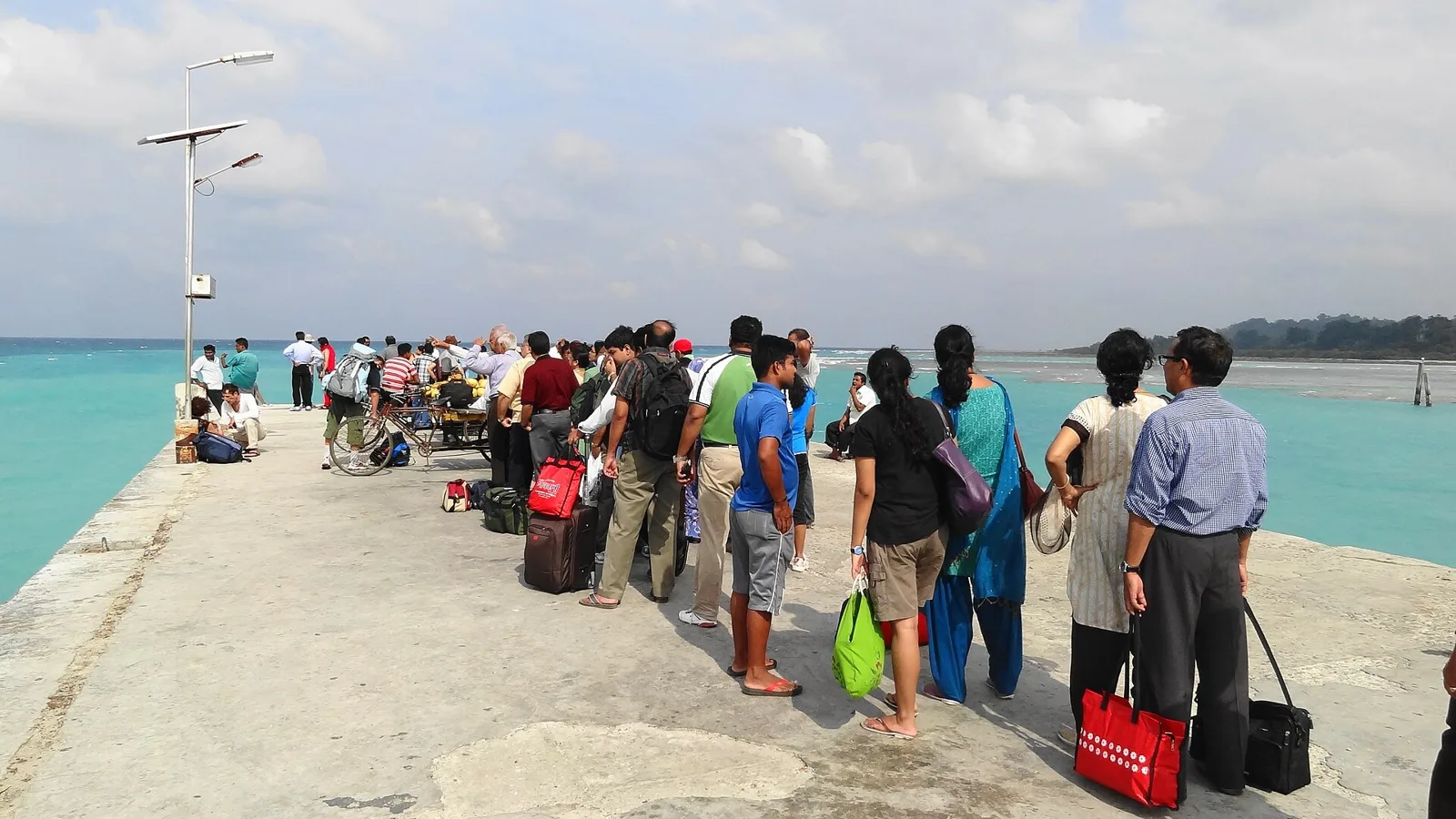
Within the Andamans, ferries connect Sri Vijaya Puram with visitor destinations such as Swaraj Dweep and Shaheed Dweep, and with some other islands; service availability depends on conditions and permissions. Local travel uses road transport, including buses, taxis and auto-rickshaws in the capital, and hired vehicles or local buses where available elsewhere. The Andaman Trunk Road, commonly called the ATR, is the principal long-distance road through South and Middle Andaman towards Diglipur. Its route passes through a protected area, so rules and permitted travel arrangements must be followed; do not stop, photograph or approach protected communities. There are no ordinary tourist connections across much of Nicobar, where access is restricted. Allow time for transfers and weather-related changes rather than planning tight connections.

When to go & travel tips

For many visitors, November to April is a comfortable period for beach time, boat trips and walking, although weather and sea conditions vary. January to March is often a good choice for the Andaman islands; the wetter monsoon months can bring heavy rain and rougher seas. North and Middle Andaman involve longer road and ferry journeys, so leave extra days in the plan. Nicobar is not a routine extension to a holiday: access is restricted, and visitors must confirm any applicable permissions with official authorities before making plans. Check current ferry, park and activity guidance as well.

Pack light, breathable clothing, rain protection, sun protection, insect repellent, sturdy sandals or shoes and any personal medicines. Use reef-safe practices: do not touch or stand on coral, feed wildlife or leave litter, and follow operators’ safety instructions when swimming, snorkelling or diving. Respect local customs, seek consent before taking photographs, and never seek contact with protected Indigenous communities. Follow official rules on restricted zones and marine parks, and confirm travel and permit requirements directly with the administration or relevant authorities, as regulations can change.

Highlights

Where to begin

City by city

Cities & hubs of Andaman and Nicobar Islands

Every sight is grouped under its city — places within about 12 km together, day trips within 40 km alongside — even across district lines. Open a city to see its attractions.

See every city, town and village of Andaman and Nicobar Islands

Away from the cities — 14 more places by district

District discovery

Andaman and Nicobar Islands: 3 districts covered

Open a district to see its destinations and neighbours. More districts are added as our team writes them.

3 of 3 districts have destination guides

Destinations

Every guide in this state

Open a district to see its cities and towns, villages and places to see.

Festivals & fairs

The calendar here

Full calendar

Festivals of Andaman and Nicobar Islands through the year

Usual season and where each is best known. Exact dates follow local calendars — linked festivals have dated guides.

  • Island Tourism FestivalJanuaryPort Blair, South Andaman.
  • Durga Puja, Pongal, Onam, Christmas and Kali PujaCelebrated by settler communities from across India.
  • Nicobarese tribal feasts and Ossuary-related rites in the Nicobar district
From travellers and locals

Be the first to share photos, stories, advice or a helpful contact for Andaman and Nicobar Islands.

Loading…