
District · Andaman and Nicobar Islands
South Andaman
South Andaman is the administrative heart of the Andaman and Nicobar Islands, with Sri Vijaya Puram serving as the union territory’s capital and main gateway for many visitors.
South Andaman district centres on the southern part of Great Andaman and a scatter of nearby islands, with forested hills, sheltered bays, coral-rich waters and a tropical coastline. Sri Vijaya Puram, formerly Port Blair, is the territory’s capital and main administrative and transport hub. The area’s history includes long-standing Indigenous presence, British colonial rule and the penal settlement commemorated at the Cellular Jail; it was also occupied by Japan during the Second World War. Later migration brought communities from several parts of India, shaping the district’s varied languages, food and everyday life. Today, town streets, forest reserves, beaches and boat-linked islands sit close together, though travel between them depends on local connections.
South Andaman is the administrative heart of the Andaman and Nicobar Islands, with Sri Vijaya Puram serving as the union territory’s capital and main gateway for many visitors. The district brings together colonial-era heritage, museums, forested hills, beaches and marine landscapes. Its best-known sites include Cellular Jail, Mahatma Gandhi Marine National Park and beaches on Swaraj Dweep. Visitors can also use Sri Vijaya Puram as a starting point for boat trips and inter-island journeys. The district is a useful introduction to the Andaman region, where travel between islands is part of the experience and requires planning around sea conditions and transport availability.
The Andaman Islands have long been home to Indigenous communities, including the Great Andamanese, Jarawa and Onge peoples. Their histories and cultures are distinct from later settlement, and visitors should respect community boundaries and restrictions. The British established a settlement on the islands in the late eighteenth century, withdrew for a period, and returned in 1858 to establish a penal settlement after the uprising of 1857. Cellular Jail, built between 1896 and 1906, became part of this system of imprisonment and is now a memorial. Japan occupied the islands during the Second World War, from 1942 to 1945; Netaji Subhas Chandra Bose visited during this period. After India became independent, the islands became part of the Indian Union and were constituted as a union territory in 1956. Sri Vijaya Puram, formerly Port Blair, developed as the administrative centre. South Andaman is one of the union territory’s present districts, shaped by later administrative arrangements and the settlement of people from different parts of India.
19 destination guides · 12 on the map
Anthropological Museum, Sri Vijaya Puram
The Anthropological Museum in Sri Vijaya Puram is a museum and cultural centre in South Andaman district. Visitors come to engage with its anthropological and cultural focus.
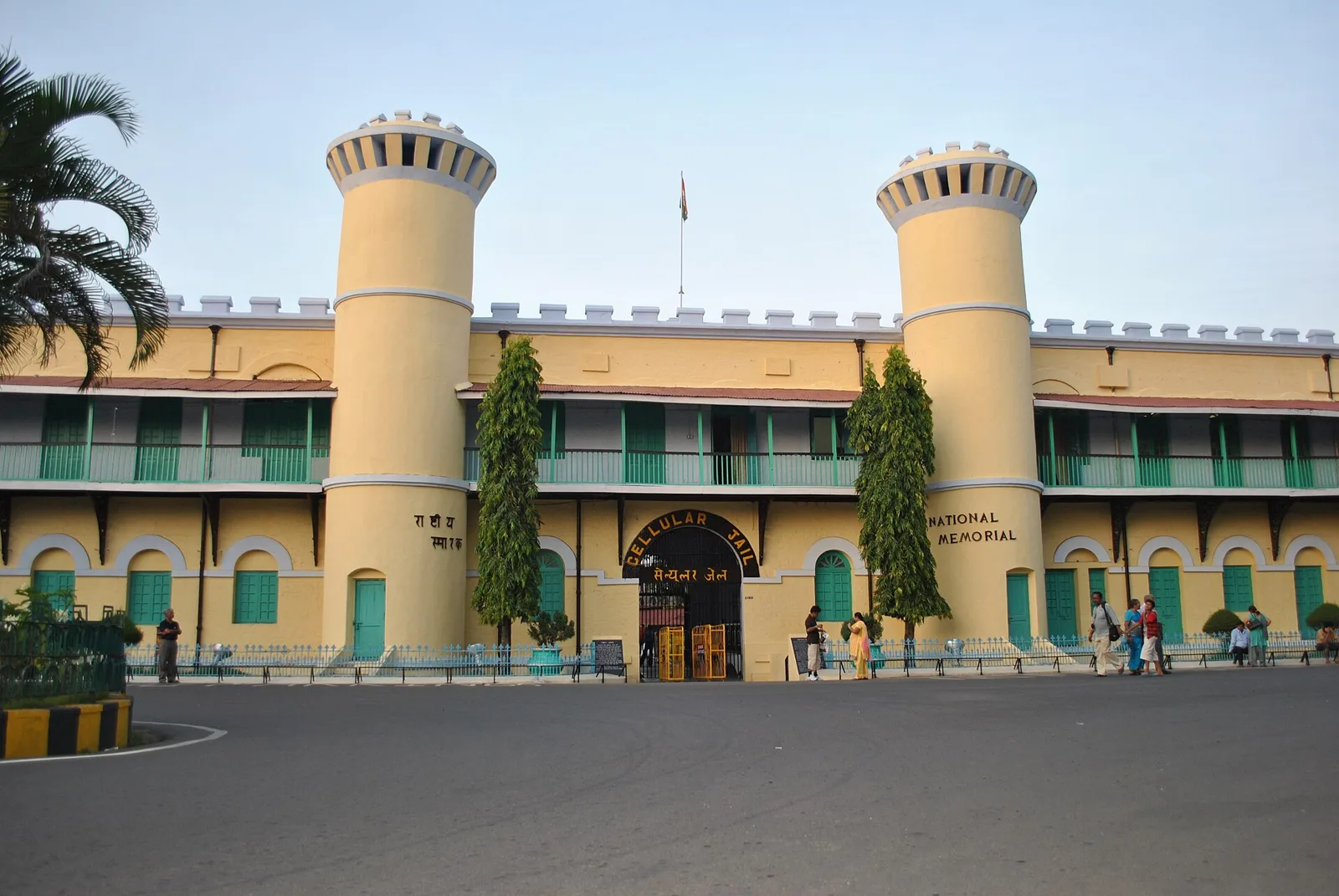
Cellular Jail
Cellular Jail is a former prison of British rule in the Andaman and Nicobar Islands, remembered for holding independence activists; visitors come to see its surviving buildings as a national memorial.
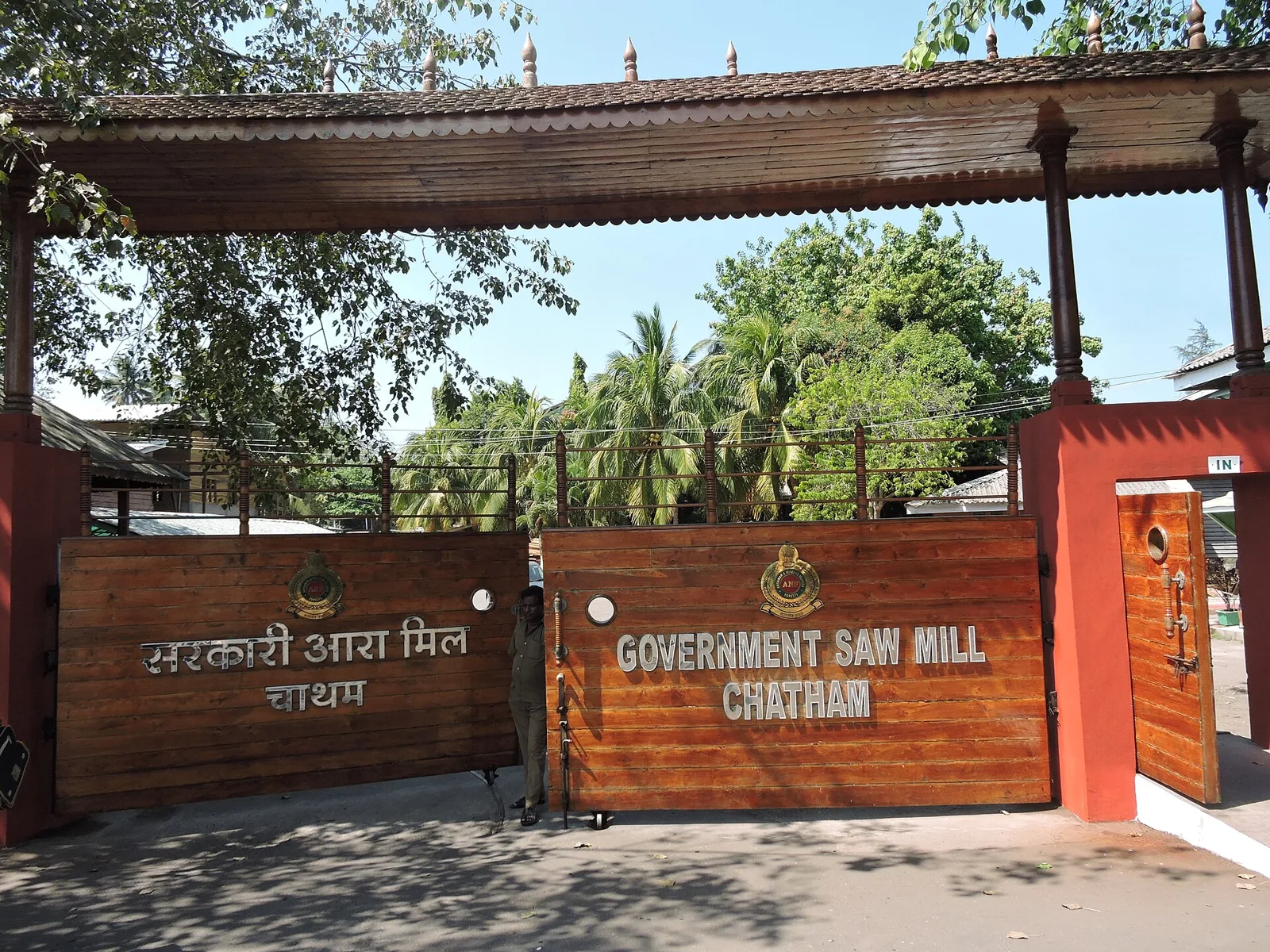
Chatham Saw Mill
On Chatham Island in South Andaman district, Chatham Saw Mill was established in 1883. Visitors can learn about its original role supplying timber for local construction and buildings in Britain.
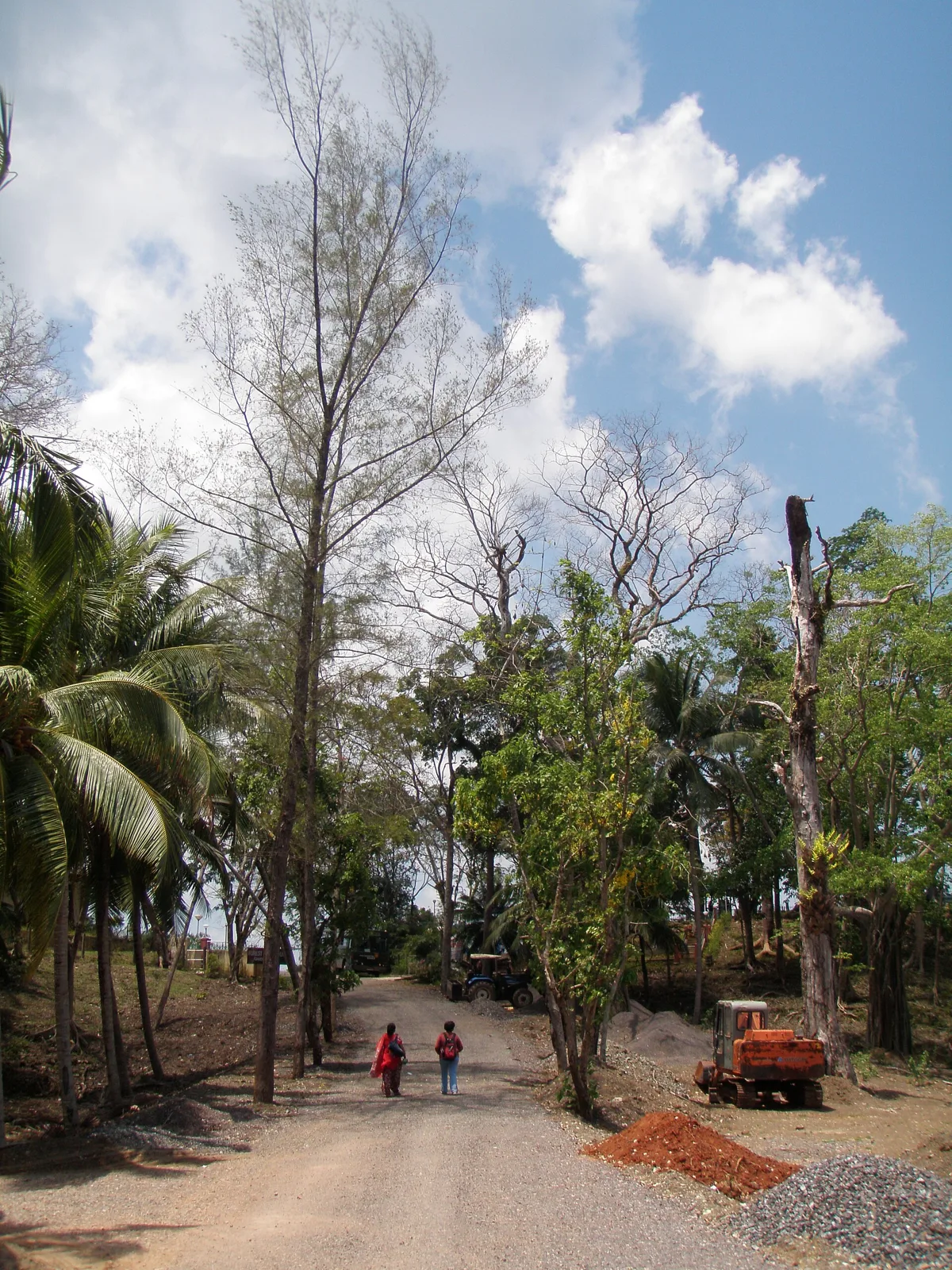
Chidiya Tapu
Chidiya Tapu is a beach in South Andaman district, within the Andaman and Nicobar Islands union territory, and people visit it as a beach destination.
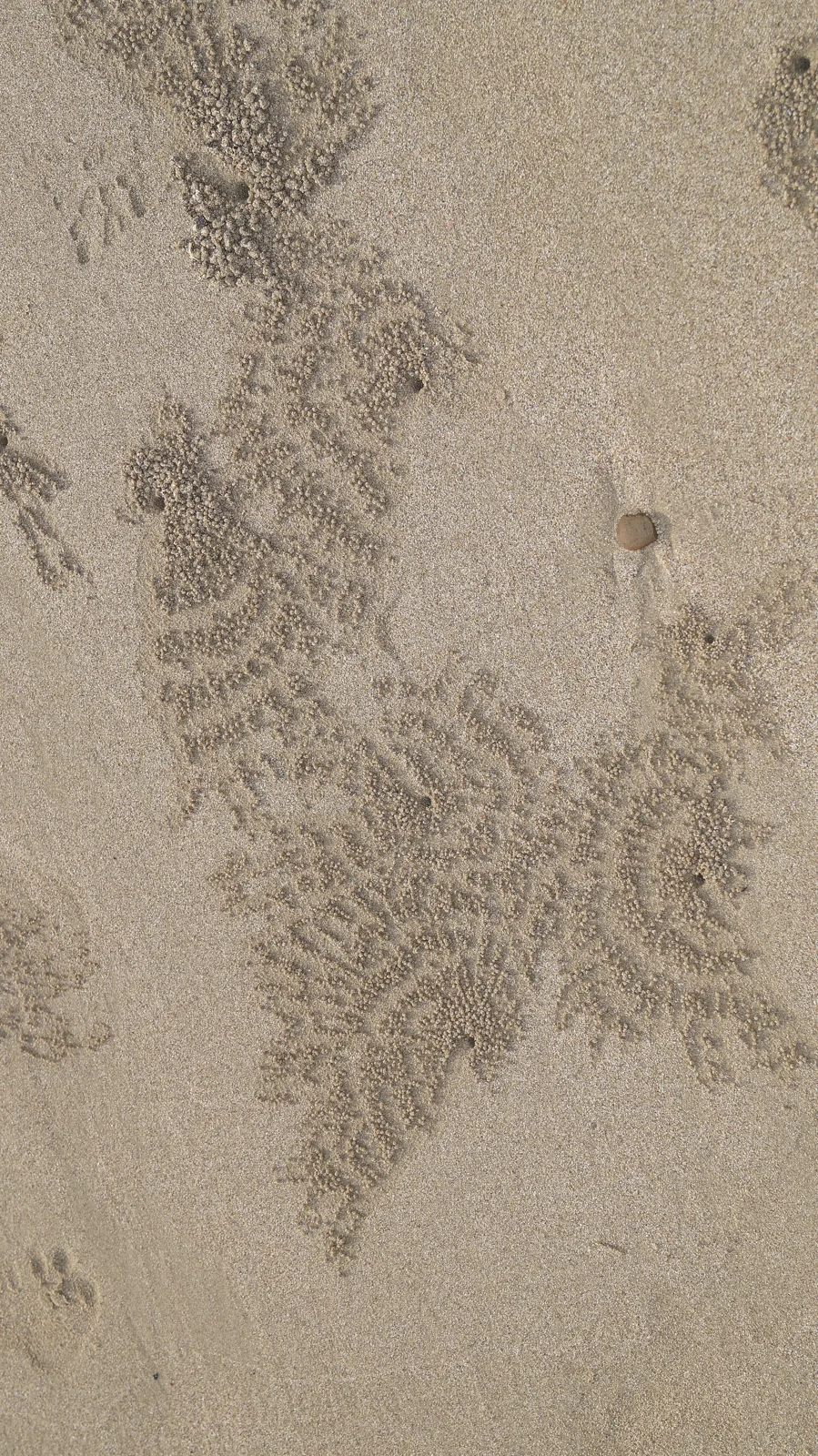
Corbyn's Cove
Corbyn's Cove is a beach in South Andaman district, part of the Andaman and Nicobar Islands. Visitors come to spend time by the shore.
Elephant Beach, Swaraj Dweep
Elephant Beach is a beach on Swaraj Dweep in South Andaman district, within the Andaman and Nicobar Islands. Visitors go there to spend time at the beach.
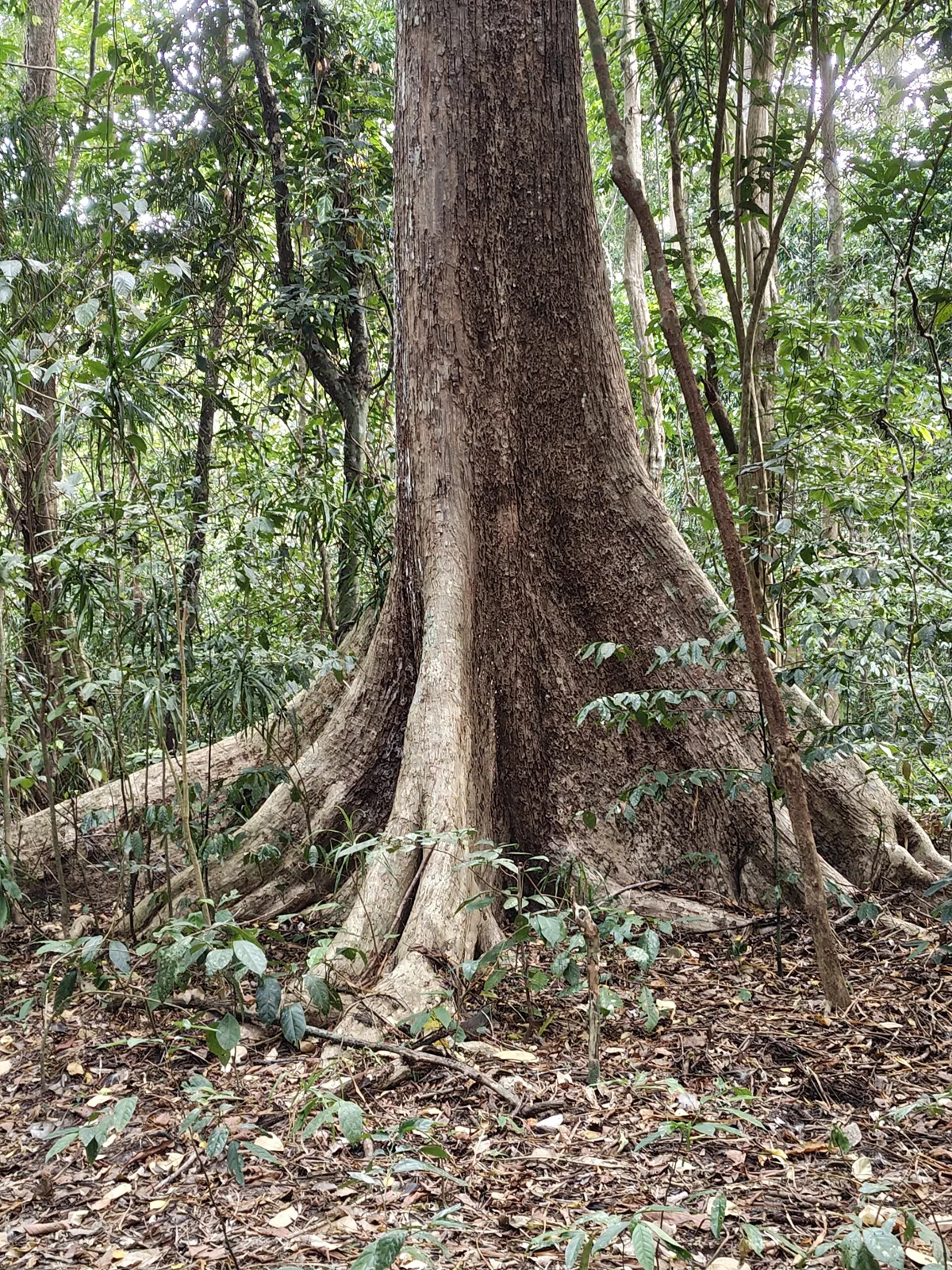
Little Andaman
Little Andaman is the fourth-largest island in the Andaman group, at the chain’s southern end. Travellers can discover its island setting and position within India’s archipelago.
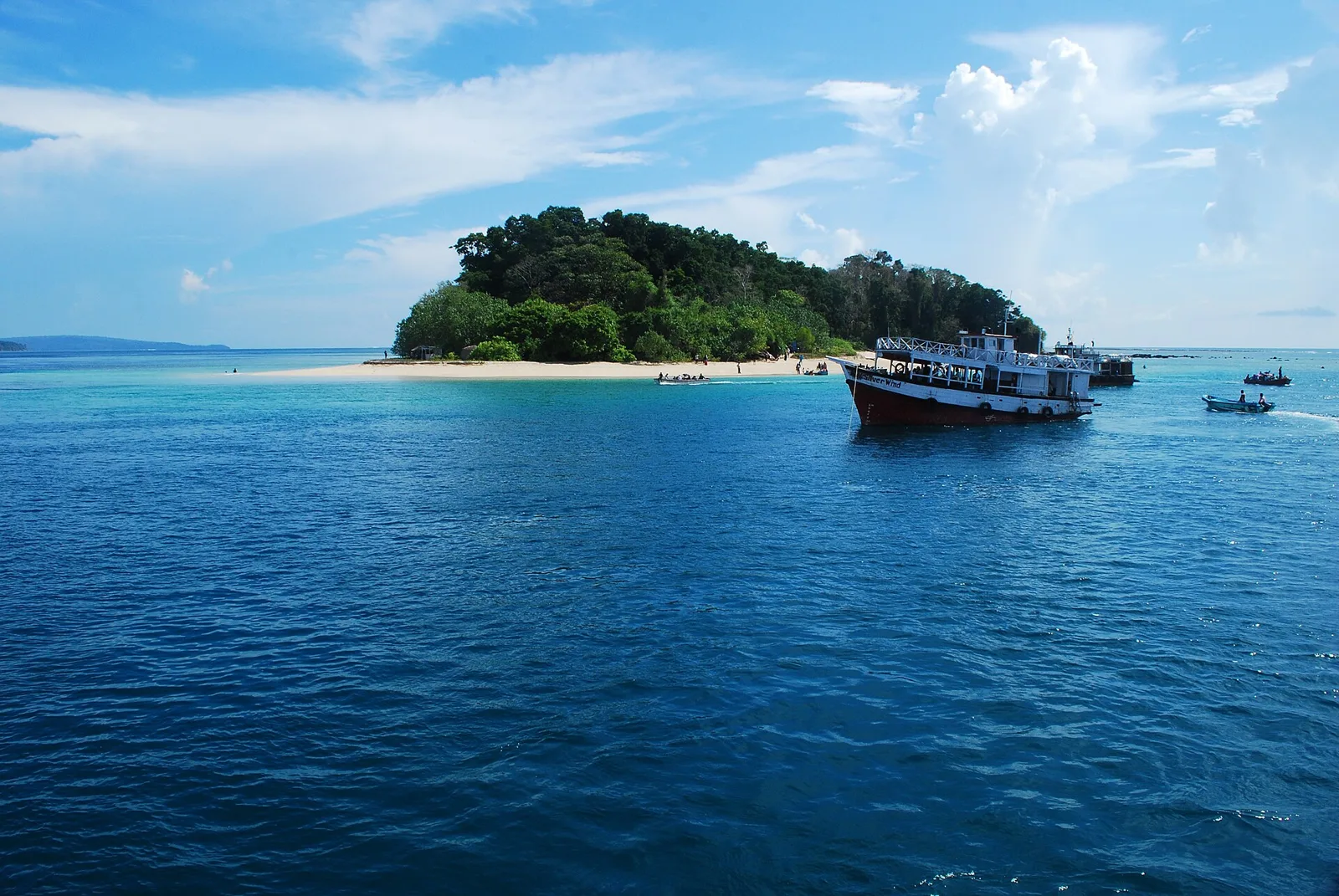
Mahatma Gandhi Marine National Park
Mahatma Gandhi Marine National Park is a national park near Wandoor on the Andaman Islands. Visitors come to experience its marine setting in South Andaman district.
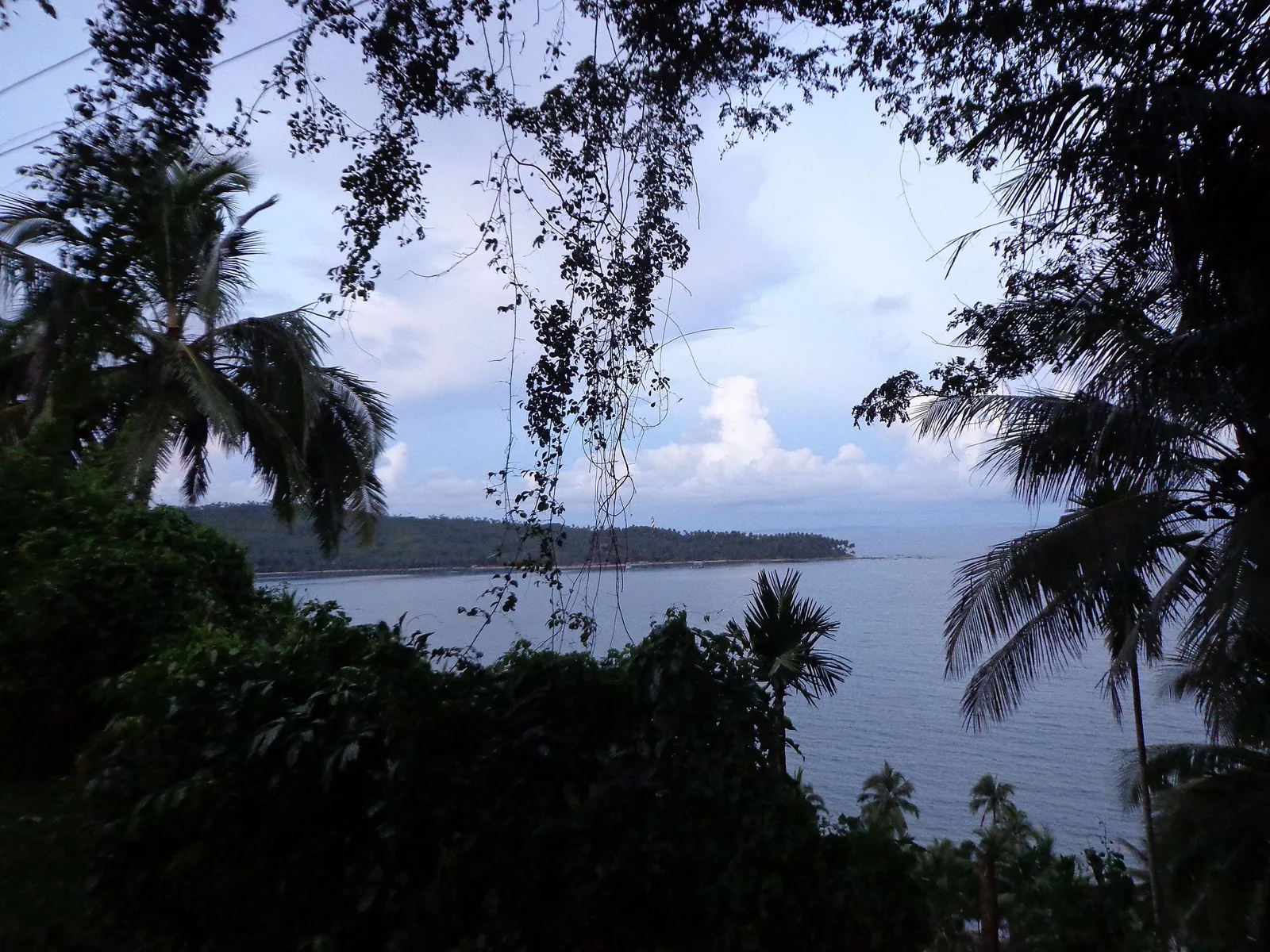
Mount Harriet National Park
Mount Manipur National Park, formerly Mount Harriet National Park, is a protected area in South Andaman, known for wildlife, butterflies and a scene featured on India's ₹20 banknote.
Food in South Andaman reflects both island ingredients and the varied communities who settled in the Andaman and Nicobar Islands. Fish curry with rice is a familiar meal, while seafood menus may include crab, prawns and lobster; ask what is fresh rather than assuming every item is available. Bengali, Tamil and Malayali influences appear in coconut-based curries and other home-style cooking, and Bengali sweets can be found in Sri Vijaya Puram. Tender coconut water and tropical fruit suit the warm climate. Small eateries may prepare a limited daily menu, and food choices can be sparse at beaches, so carrying water and snacks is sensible.
Craft traditions across the Andaman and Nicobar Islands include work in wood, cane and bamboo, coconut shell, and other locally available materials. Shell-based souvenirs and decorative objects are also sold, particularly around visitor centres, but these are regional crafts rather than a tradition exclusive to South Andaman. Indigenous communities have their own distinct material cultures and artistic practices; these should not be treated as generic souvenirs, and visitors should follow local guidance about what may be viewed or purchased. Avoid buying items made from protected wildlife or coral, and check that any shell product is legally sourced.
The district’s diverse communities observe festivals such as Durga Puja, Eid, Christmas, Pongal and Onam, generally in their customary seasons. Celebrations are especially visible in Sri Vijaya Puram, where community events can add activity to markets and public spaces. The Island Tourism Festival has also been held in the islands during the winter season, though its schedule and programme can vary. Festival periods may bring more visitors and busier transport, so rooms and inter-island travel are best planned ahead. Events and dates can change from year to year; check current local notices before travelling.
South Andaman includes settled coastal areas, sheltered bays, beaches, forested interiors and hilly terrain. Its shores face the Bay of Bengal, while nearby islands and reefs make boat travel and marine activities an important part of many visits. Forest cover and protected areas shape access to places such as Mount Manipur National Park and Mahatma Gandhi Marine National Park. Roads connect several sights around Sri Vijaya Puram, but reaching offshore islands depends on boats and sea conditions. The combination of coast, forest and island settlements means that journeys may involve both road transfers and boat crossings.
The district has a tropical maritime climate, with warm, humid conditions through much of the year. The drier season, broadly from November to April, is generally the most convenient period for beach visits and inter-island travel. The monsoon, usually spanning much of the middle and later part of the year, brings heavier rain, rougher seas and possible changes to boat services. Conditions vary, and weather can disrupt plans outside the monsoon too. Pack light clothing, sun protection, insect repellent and a waterproof layer; sturdy footwear is useful for uneven paths. Check forecasts and transport updates before setting out.
Veer Savarkar International Airport in Sri Vijaya Puram is the main air gateway to South Andaman, with flights connecting the islands to mainland Indian cities. Passenger ships also link Sri Vijaya Puram with Chennai, Kolkata and Visakhapatnam. There is no railway on the Andaman and Nicobar Islands; the nearest mainland rail connection depends on the onward port and route. Roads connect places across accessible parts of South Andaman, with buses, taxis and auto-rickshaws serving the capital and nearby areas. Ferries and other boats are essential for reaching many islands, including North Bay and Swaraj Dweep. Check current services locally before travelling.
Sri Vijaya Puram is the main road hub, with local buses, autos and taxis serving parts of the city and nearby sights. Roads lead towards places such as Wandoor Beach and Chidiya Tapu, though services may be less frequent outside urban areas. Boats connect Sri Vijaya Puram with nearby islands and with Swaraj Dweep and Shaheed Dweep; services and access depend on current schedules, bookings and sea conditions. Local boat trips may serve North Bay Island and Netaji Subhas Chandra Bose Dweep. Allow flexibility for transfers, and confirm current services through official or licensed operators.
2 days: Sri Vijaya Puram (Port Blair) → Cellular Jail → Anthropological Museum, Sri Vijaya Puram → Samudrika Naval Marine Museum → North Bay Island → Viper Island. Sleep both nights in Sri Vijaya Puram (Port Blair). 3 days: Sri Vijaya Puram (Port Blair) → Mahatma Gandhi Marine National Park → Wandoor Beach → Chidiya Tapu → Mount Harriet National Park. Sleep all three nights in Sri Vijaya Puram (Port Blair). 4 days: Sri Vijaya Puram (Port Blair) → Swaraj Dweep (Havelock Island) → Radhanagar Beach → Elephant Beach, Swaraj Dweep → Shaheed Dweep (Neil Island). Sleep night 1 in Sri Vijaya Puram (Port Blair), night 2 on Swaraj Dweep (Havelock Island), and night 3 on Shaheed Dweep (Neil Island).
Sri Vijaya Puram is the most practical base for Cellular Jail, museums, nearby coastal sights and boat departures. It has the district’s widest range of hotels and guesthouses, with some homestays and government accommodation subject to availability. For beach-focused island circuits, stay on Swaraj Dweep or Shaheed Dweep, where resorts, hotels and homestays are available. Government lodges may serve some areas, but availability and booking arrangements vary. Choose accommodation near the transport point or area you plan to visit, and reserve ahead during holiday and festival periods.
Boat journeys and beach conditions depend on weather; follow local instructions and do not enter the sea where swimming is restricted or conditions are rough. Use sun protection, drink safe water and carry any personal medicines, as facilities can be limited away from Sri Vijaya Puram. Roads may be narrow or uneven, and rain can affect travel. Mobile connectivity is variable, particularly on islands and in remote areas, so keep plans and essential details available offline. Respect wildlife and protected areas, and never approach or photograph Indigenous communities. Permit and entry requirements can change, especially for foreign visitors or protected areas; confirm them through official sources before travel.
Straight-line distance between the centres of each district's destinations; road distance is longer.
All districts of Andaman and Nicobar Islands
Q: How many days should I spend in South Andaman? A: Two or three days can cover Sri Vijaya Puram and nearby sights. Allow four days or more if adding Swaraj Dweep or Shaheed Dweep, and build in flexibility for boat travel. Q: When is the best time to visit? A: November to April is generally more convenient for outdoor visits and inter-island travel. Monsoon weather can affect sea crossings and plans. Q: What is the best base for exploring? A: Sri Vijaya Puram is the most practical base for city sights and mainland excursions. Stay on Swaraj Dweep or Shaheed Dweep to spend more time on those islands. Q: How do I get to South Andaman? A: Visitors commonly arrive by air at the airport in Sri Vijaya Puram or by passenger ship from mainland ports. Check current services before travel. Q: Is the district suitable for families or elderly travellers? A: Yes, with planning. Choose accessible accommodation, allow rest between outings and consider that boat transfers, uneven paths, heat and limited facilities outside Sri Vijaya Puram may make some excursions tiring.
This page draws on our 19 destination guides for South Andaman and is updated as our team checks it.
Be the first to share photos, stories, advice or a helpful contact for South Andaman.
Loading…