
Shaheed Dweep (Neil Island)
Shaheed Dweep, also called Neil Island, is part of the Andaman Islands and Ritchie's Archipelago. Visitors come to experience an island setting within the Andaman and Nicobar Islands.
Key facts · verified by Ghumoopedia editors
- Type of place
- Natural attraction
- Best time to visit
- November to April; avoid the May–September monsoon if you plan water sports
- Verified
- 21 Nov 2026
Plan a trip from Shaheed Dweep (Neil Island) — a day-by-day route through places nearby.
Known as Neil Island as well as Shaheed Dweep, the island forms part of the Andaman Islands. Its official name means Martyr's Island, and its position is within Ritchie's Archipelago. Administratively, Shaheed Dweep belongs to South Andaman district, which is part of India's union territory of Andaman and Nicobar Islands. Port Blair is 36 km (22 mi) to its southwest; put another way, the island lies that distance northeast of the city. The Andaman and Nicobar Islands are a chain of tropical islands in the Bay of Bengal with coral reefs, mangrove creeks and rainforest, the Cellular Jail memorial to India's freedom struggle, colonial ruins on Ross Island, and a population of Bengali, Tamil, Telugu, Malayali and Ranchi settlers alongside protected indigenous communities such as the Jarawa, Onge, Shompen and Nicobarese. The islands are warm and humid all year (about 23–31 °C). The southwest monsoon from late May to September brings heavy rain and rough seas, when ferries and water sports may be cancelled; the northeast monsoon adds rain in November. December to April gives calm seas and the clearest water for diving and snorkelling. The usual best time to visit is November to April; avoid the May–September monsoon if you plan water sports. Timings, fees and access arrangements must be confirmed locally. For official information, see Andaman and Nicobar Islands Tourism at https://www.andamantourism.gov.in.
Why it matters
Shaheed Dweep, formerly known as Neil Island, is part of Ritchie's Archipelago in the Andaman Islands and belongs to South Andaman district. Its beaches, shallow coastal waters and coral reef environments make it a recognised stop on many Andaman itineraries, while settled areas and small farms give it a character distinct from the larger islands. The Government of India officially renamed Neil Island Shaheed Dweep in 2018; the name means “Martyr’s Island.” This national naming decision is its principal formal recognition noted here. The island is not identified here as a UNESCO World Heritage Site or an Archaeological Survey of India-protected monument. Its ecological value is best appreciated through responsible visits that avoid disturbing reefs and shore habitats.
Neil Island’s English name belongs to the colonial-era naming of the Andaman Islands. Accounts of the name’s precise namesake are not consistently documented, so it is best not to treat a particular explanation as certain. The island’s present-day community and cultivated landscape developed during the post-independence settlement of the Andaman Islands. Bengali-speaking settlers were among those who established homes and farms, and agriculture became part of local life alongside fishing and services for visitors. The island remained much smaller and quieter in scale than Port Blair and Havelock Island, now called Swaraj Dweep, though tourism has brought more accommodation, transport and visitor facilities. On 30 December 2018, the Indian government officially renamed Neil Island Shaheed Dweep. The new name, meaning “Martyr’s Island,” was part of a wider renaming of islands in the Andaman group. The island’s beaches and reef-fringed shores are natural features rather than built heritage sites. Visitors should follow current local guidance around coastal habitats and any areas subject to conservation or safety restrictions.
Origin stories & folklore
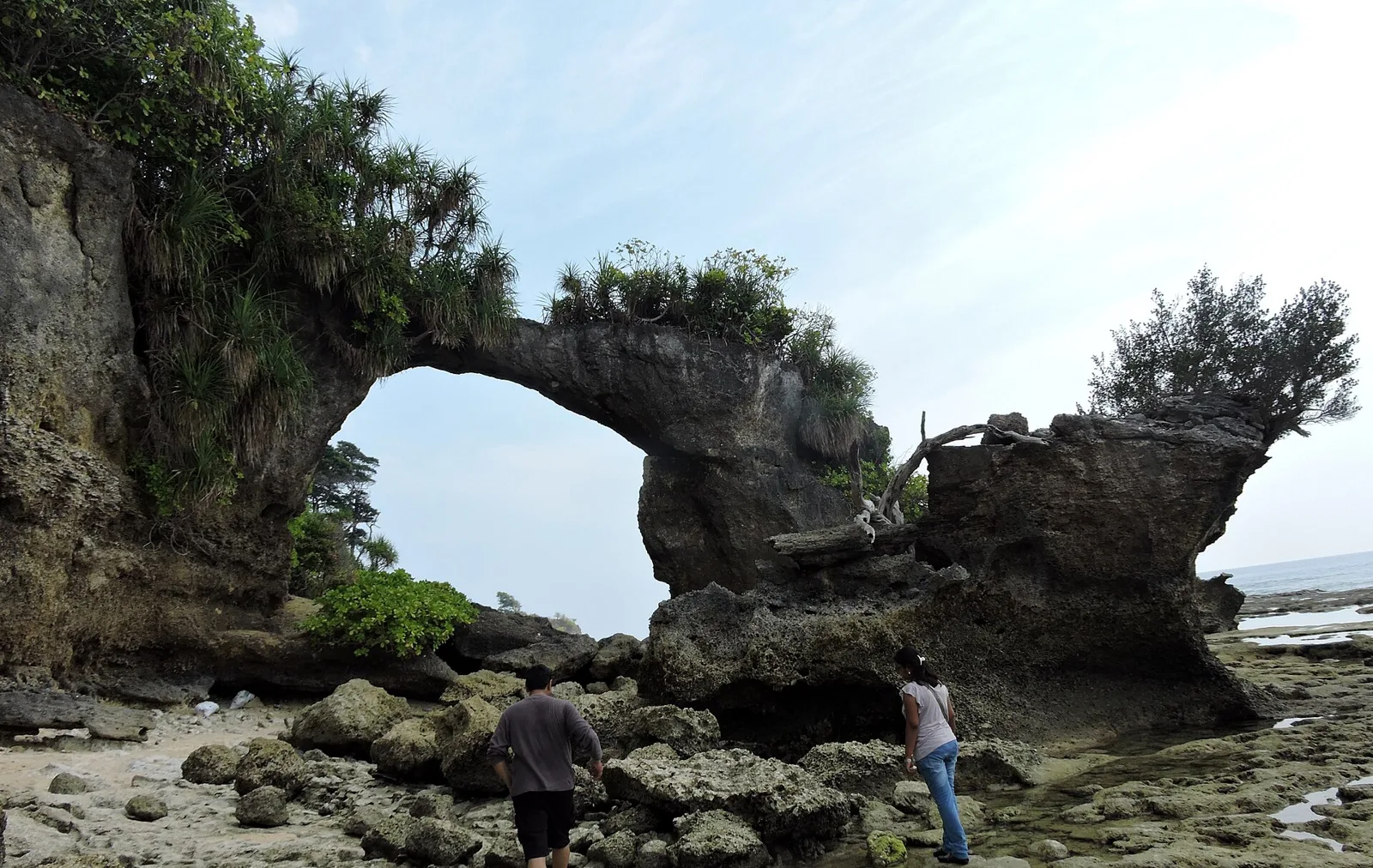
There is no widely documented island-specific origin legend that can be confidently presented as established local tradition. The name Shaheed Dweep is a modern official name meaning “Martyr’s Island,” rather than a name derived from a verified folk tale. Visitors may encounter stories shared informally by residents or guides about particular beaches, rocks or the island’s past; these should be understood as personal accounts or local belief unless supported by reliable historical evidence. The so-called Natural Bridge, also known as Howrah Bridge, is a coastal rock formation shaped by natural processes, not a structure for which a builder or legendary origin is established here. Asking residents about local stories can be a meaningful way to listen, while respecting that some knowledge may be personal or not intended for public retelling.
Spend unhurried time at Shaheed Dweep (Neil Island): use marked paths and official viewpoints, and ask locally whether a guide, ticket or permission is needed. Enjoy the water from safe, marked points; snorkel and dive only with certified operators, and admire coral without touching it, and keep an eye on the tide. A comfortable itinerary is one main visit in the morning, a local meal at midday and a short nearby stop before an afternoon return. Ferries usually leave early in the morning, so start the day early; the sea is calmest in the morning and the sun sets early here (around 5–5:30 pm). Use the district list on this site to find other places in South Andaman, but check the route and its condition before combining stops. If a festival is on — such as the Island Tourism Festival in January, Subhash Mela, Durga Puja or the beach festivals on Swaraj Dweep — transport and stays can be busy, and the experience can be unforgettable. The islands' reefs and beaches are fragile — avoid single-use plastic, use reef-safe sunscreen and carry your waste back to town.
Suggested itineraries
Half day: Choose one beach or coastal viewpoint, spend about 1–2 hours there, have a local meal, then make a short nearby stop before returning. Full day: Start with a morning beach visit, allow 2–3 hours for the shore and water activities, pause for lunch, then visit another accessible beach or the Natural Bridge area for 1–2 hours; leave time to return before dusk. Gentler option: Arrange a vehicle close to an accessible viewpoint, enjoy a short, unhurried coastal visit with rest breaks, and skip uneven rocks or long beach walks.
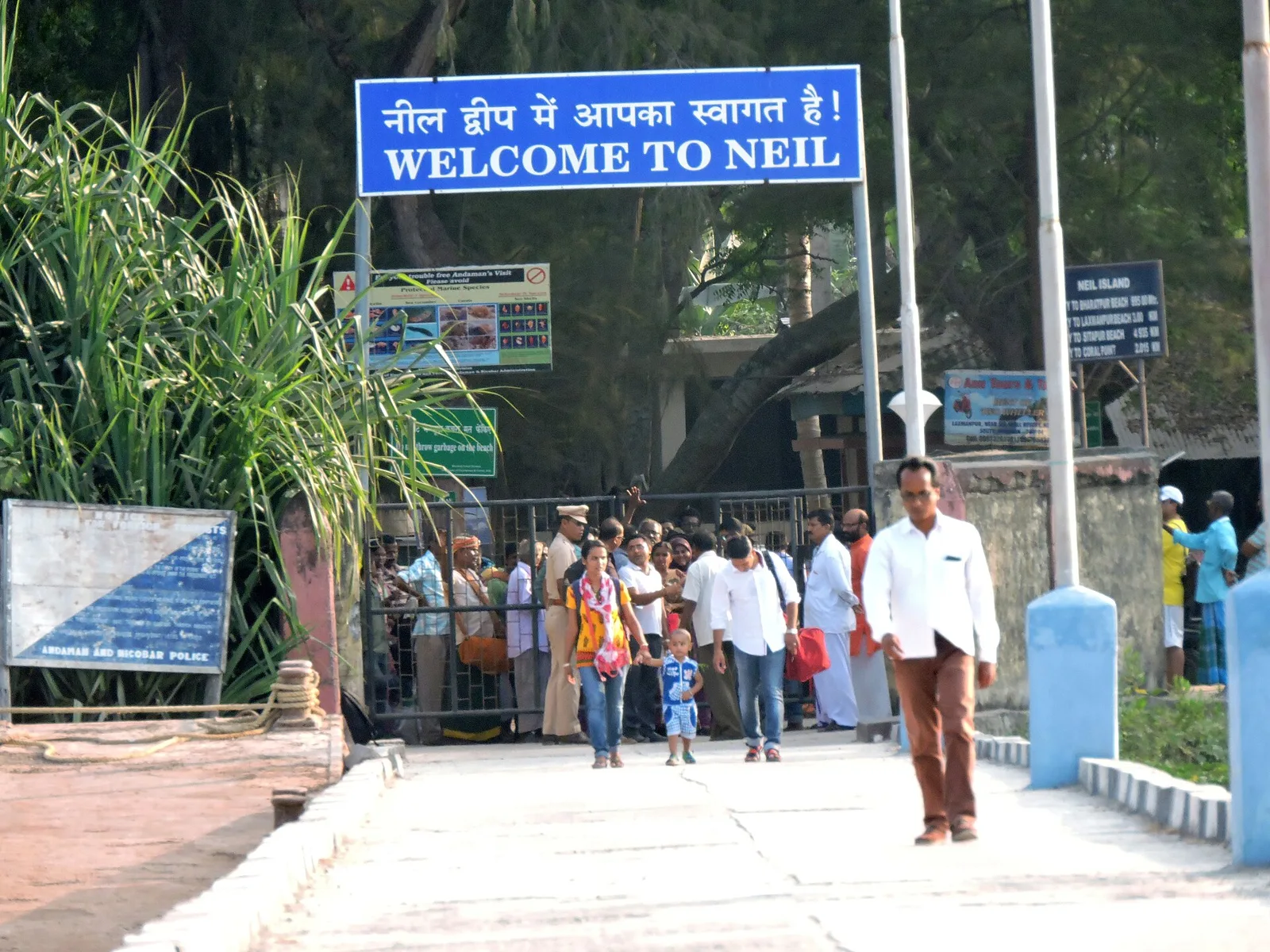
Everyday life on Shaheed Dweep reflects its settled farming communities, island setting and growing visitor economy. Bengali is widely spoken, alongside Hindi and other languages used across the Andaman Islands, including Tamil and Telugu. Visitors may find Bengali and broader Indian food traditions in local eateries, with seafood and produce also appearing on menus. Religious observances and family celebrations are part of community life, but there is no single daily performance or cultural programme that visitors should expect. Dress is generally practical for a warm, humid climate; modest clothing is appropriate when visiting places of worship or community events. Ask before photographing people, homes or ceremonies, and follow local guidance rather than treating customs as a staged attraction.
Local communities
Shaheed Dweep is home to settled island communities, including Bengali-speaking families whose presence is connected with post-independence settlement in the Andaman Islands. Residents work in farming, fishing, transport, hospitality, retail and other local services, with some households combining several livelihoods. Hindi and Bengali are useful languages to hear, while other languages spoken across the wider territory may also be encountered. The island is part of a union territory that is also home to protected Indigenous communities; visitors should not seek contact with restricted communities or enter protected areas. Be considerate of residents’ privacy, ask permission before taking photographs, and use locally run services where practical.
Festivals & events
Residents observe festivals that may include Durga Puja and other religious and community celebrations, with dates varying by calendar and local arrangements. The Island Tourism Festival is generally associated with January across the Andaman and Nicobar Islands, while Subhash Mela is held on Swaraj Dweep nearby. The scale and programme on Shaheed Dweep can vary, so visitors should check local notices rather than assume an event is taking place. Festival periods can make inter-island transport and accommodation busier, and community events may bring temporary changes to local services. Attend respectfully, ask before photographing rituals, and leave space for residents to participate.
Local food in Andaman and Nicobar Islands includes fresh fish curry and rice, grilled lobster, crab and prawns, coconut-based Bengali, Tamil and Malayali dishes brought by settler communities, tender coconut water, tropical fruit and, in Sri Vijaya Puram, Bengali sweets. Ask what is fresh that day; many small eateries cook a limited daily menu. Seafood is the highlight — choose busy places and ask for the day's catch. Many island beaches have only small shacks, so carry snacks and water for long ferry and beach days. Remote sites may have no restaurant at all. Carry water and snacks, eat a proper breakfast before long journeys, and ask your accommodation for a packed lunch if you are heading out early. Try a home-cooked or local meal when you can — it is often the best food on the route. Choose busy, clean places, drink sealed or filtered water, and carry your packaging back with you.
Shopping & local experiences
Small shops and local sellers may offer snacks, everyday supplies, clothing and simple souvenirs, with choice varying by season. Look for locally made crafts or products from island businesses where available, and ask about their origin rather than assuming an item is locally produced. Do not buy coral, shells, sand or wildlife products taken from the shore; collecting natural material can damage habitats and may be restricted. A meal at a local eatery is one way to experience the island’s food, including Bengali-influenced dishes and seafood where offered. Carry reusable bags and water bottles, and avoid leaving packaging behind.
Shaheed Dweep has a low-lying tropical landscape of sandy shores, coastal vegetation, cultivated land and reef-fringed waters. Its shoreline includes beaches such as Bharatpur, Sitapur and Laxmanpur, as well as the naturally formed coastal rock feature commonly called the Natural Bridge or Howrah Bridge. Shallow nearshore water can support coral and other marine life, but visibility and sea conditions change with weather and tides. Tropical trees, shrubs and palms grow around settled areas, while mangrove habitat occurs in parts of the wider island environment. Coastal birds may be seen, but sightings are never guaranteed. Stay clear of unstable rocks and sensitive reef areas, do not touch or collect coral, and take all rubbish back with you.
November to April; avoid the May–September monsoon if you plan water sports
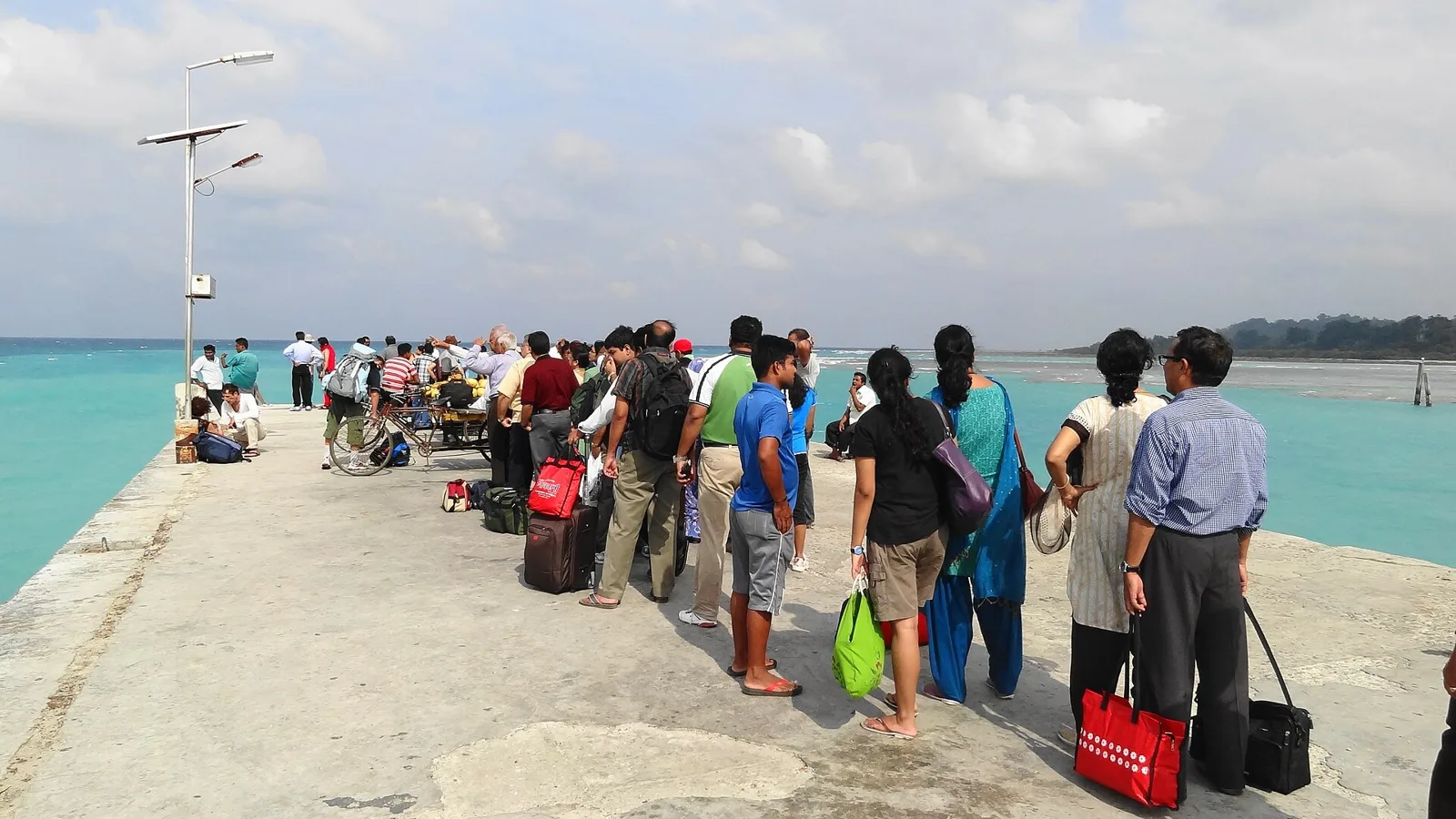
There is no railway in Andaman and Nicobar Islands. The nearest operating airport by straight-line distance is Veer Savarkar International Airport, Sri Vijaya Puram, roughly 40 km away. These figures are calculated from map coordinates — actual sea and road distance is longer. Veer Savarkar International Airport at Sri Vijaya Puram (Port Blair) has direct flights from Chennai, Kolkata, Delhi, Bengaluru and other cities. Passenger ships also sail from Chennai, Kolkata and Visakhapatnam (around three days at sea). There is no railway on the islands. Inter-island travel is by government ferry or private catamaran from Sri Vijaya Puram; book tickets in advance, carry ID and reach the jetty an hour early. When comparing train, bus and flight, count the complete door-to-door time: a flight saves the most time only if the onward transfer is short, while an overnight train can save a hotel night. For the Andamans, flying to Sri Vijaya Puram is far quicker than the three-day ship journey; trains only take you as far as Chennai, Kolkata or Visakhapatnam. Plan inter-island ferries carefully: book catamarans in advance and keep a spare day before your flight home, because weather can cancel sailings. Book your return before you leave, because seats fill quickly on weekends, festivals and holidays. Current train numbers, timings, return services, ferry departures and fares are not listed here; check IRCTC and NTES for trains, the airline's own schedule for flights and the official operator for ships and ferries. Indian citizens need no permit for the tourist islands. Foreign nationals no longer need a Restricted Area Permit for most tourist islands but must carry their passport and follow arrival registration rules. Tribal reserves are strictly protected: on the Andaman Trunk Road to Baratang, vehicles move in police-escorted convoys through the Jarawa reserve, and stopping, photographing, filming or offering anything to Jarawa people is a criminal offence. North Sentinel Island is completely off-limits, and the Nicobar district is closed to tourists — even Indian citizens need special permission from the administration, which is rarely given for tourism.
Confirm onward and return timings on IRCTC / NTES, the state bus operator or your airline before travel. A dash means current timings or fares have not been verified.
Getting around
On arrival, visitors can use local autos, taxis or pre-arranged accommodation transport, though availability may vary. Bicycles and scooters are commonly used for independent journeys; confirm rental conditions, safety equipment and road rules before setting off. Walking is practical for short distances but can be uncomfortable in heat or on sandy, uneven stretches. Local roads connect the settlement and popular coastal areas, but do not assume every beach has frequent public transport or convenient parking. Boats are used for some water activities, not as a substitute for checking scheduled inter-island ferry services. Ask locally about road conditions, tide-sensitive access and safe drop-off points.
Hours, tickets & permissions
Shaheed Dweep is an inhabited island rather than a single gated attraction, so access rules can differ between public beaches, jetties, private properties and environmentally sensitive areas. Some activities or locations may require a ticket, operator booking or permission; do not assume access is unrestricted. Carry identification for ferry and other transport checks, and follow posted safety or conservation notices. Camera and drone rules may also vary by location. Confirm current entry arrangements, permitted areas, operating hours and any fees with the relevant local or tourism authority before setting out.
Facilities
Facilities are concentrated around settlements, jetties and popular visitor areas rather than being available along every stretch of coast. Food stalls, small eateries, accommodation and basic shops are usually available, but selection and opening can vary. Toilets and drinking water may be found near busier sites; check locally and carry water for walks. Parking may be informal, and guides or activity operators should be arranged through a reputable local provider. Do not assume an ATM, medical service or public toilet is close to a particular beach. Confirm what is available before leaving the main settlement.
Accessibility
The island’s terrain is generally low-lying, but access to beaches can involve sand, uneven ground, narrow paths or natural rock. Some coastal viewpoints and the Natural Bridge area may require walking over irregular surfaces, which can be difficult for wheelchair users, stroller users and visitors with limited balance. Shade can be limited on open beaches, and heat, humidity and tide conditions affect how strenuous a visit feels. There is no basis to assume that ramps, accessible toilets or step-free routes are provided at every site. Ask accommodation or local operators about the current route and vehicle access, plan frequent rests, and avoid slippery rocks.
Indian citizens need no permit for the tourist islands. Foreign nationals no longer need a Restricted Area Permit for most tourist islands but must carry their passport and follow arrival registration rules. Tribal reserves are strictly protected: on the Andaman Trunk Road to Baratang, vehicles move in police-escorted convoys through the Jarawa reserve, and stopping, photographing, filming or offering anything to Jarawa people is a criminal offence. North Sentinel Island is completely off-limits, and the Nicobar district is closed to tourists — even Indian citizens need special permission from the administration, which is rarely given for tourism. Carry a photo ID at all times and save the emergency number 112 and your accommodation's contact offline. The sea is the main risk: swim only at lifeguarded beaches in daylight, obey crocodile warning signs near mangrove creeks, and dive or snorkel only with certified operators — do not fly within 24 hours of scuba diving. Never touch, stand on or collect coral, and keep away from tribal reserves. Keep behind barriers, never swim in unmarked spots or after drinking, and leave the water if the sea or currents change suddenly.
Photography
Soft morning light is often comfortable for beach and reef-side photography, while late afternoon can suit coastal landscapes; weather and tide change the view. Use established public viewpoints and avoid climbing unstable rocks or entering sensitive habitat for a photograph. Photography is generally suitable in public areas, but permission should be sought before photographing residents, workers, children, private property or religious observances. Do not touch coral or move marine life to improve a shot. Drone use may be restricted by aviation, security or local rules; confirm permissions with the relevant authority before flying, and never fly near people or wildlife.
Choose a stay by the full journey to Shaheed Dweep (Neil Island), not just the district name. Sri Vijaya Puram has the widest range of hotels; Swaraj Dweep (Havelock) and Shaheed Dweep (Neil) have beach resorts, cottages and dive camps; on the north and middle islands, the government APWD guest houses and small lodges at Rangat, Mayabunder and Diglipur are the main options. In the hot months, check air-conditioning; in the monsoon, check that the property is reachable if roads flood or ferries are cancelled. Book in advance for weekends, festivals and the peak season (November to April; avoid the May–September monsoon if you plan water sports). Confirm the exact location, meals included, check-in time and cancellation terms in writing. Avoid sending money to unverified contacts or touts at stations, airports and jetties. Carry some cash, as card and digital payments can be unreliable in remote areas.
On Shaheed Dweep, visitors can combine time at Bharatpur Beach, Sitapur Beach and Laxmanpur Beach, as well as a tide-aware visit to the Natural Bridge, also called Howrah Bridge. These are separate coastal stops, so check the route and conditions before trying to visit several in one outing. Swaraj Dweep, formerly Havelock Island, is another well-known island destination in the Andaman group and may be combined only after checking ferry connections. Sri Vijaya Puram, formerly Port Blair, is the main gateway for many visitors and offers attractions including the Cellular Jail. Allow for inter-island travel rather than assuming these places are close by road.
For couples, Shaheed Dweep (Neil Island) rewards a slow pace: arrive early for soft light and fewer crowds, share a local meal and keep the evening free. Sunset at Radhanagar Beach, a glass-bottom boat or snorkelling trip, a dive together at Swaraj Dweep, or the light-and-sound show at the Cellular Jail makes the trip memorable. Public displays of affection can be frowned upon in conservative communities and at religious sites, so be discreet. Keep a buffer in your itinerary, because weather and transport can delay plans.
Q: How much time should I allow for Shaheed Dweep? A: A half day can suit one beach or viewpoint; a full day allows time for more than one stop and a relaxed meal. Q: When is the best season to visit? A: November to April is generally preferred for calmer seas; monsoon weather can disrupt ferries and water activities. Q: Is there an entry ticket for the island? A: The island is not one gated attraction, but individual sites or activities may have rules or charges. Confirm locally. Q: Is Shaheed Dweep suitable for children and elderly visitors? A: It can be, with supervision and a flexible pace. Sand, heat, uneven paths, rocks and tides may make some stops difficult. Q: Can I stay overnight nearby? A: Yes, visitor accommodation is available on the island. Check current availability and ferry arrangements before booking.
Be the first to share photos, stories, advice or a helpful contact for Shaheed Dweep (Neil Island).
Loading…