
Ghumoopedia — Explore, Discover, Experience
Sign in
Minicoy Island, near Minicoy

City guide · Lakshadweep

Minicoy

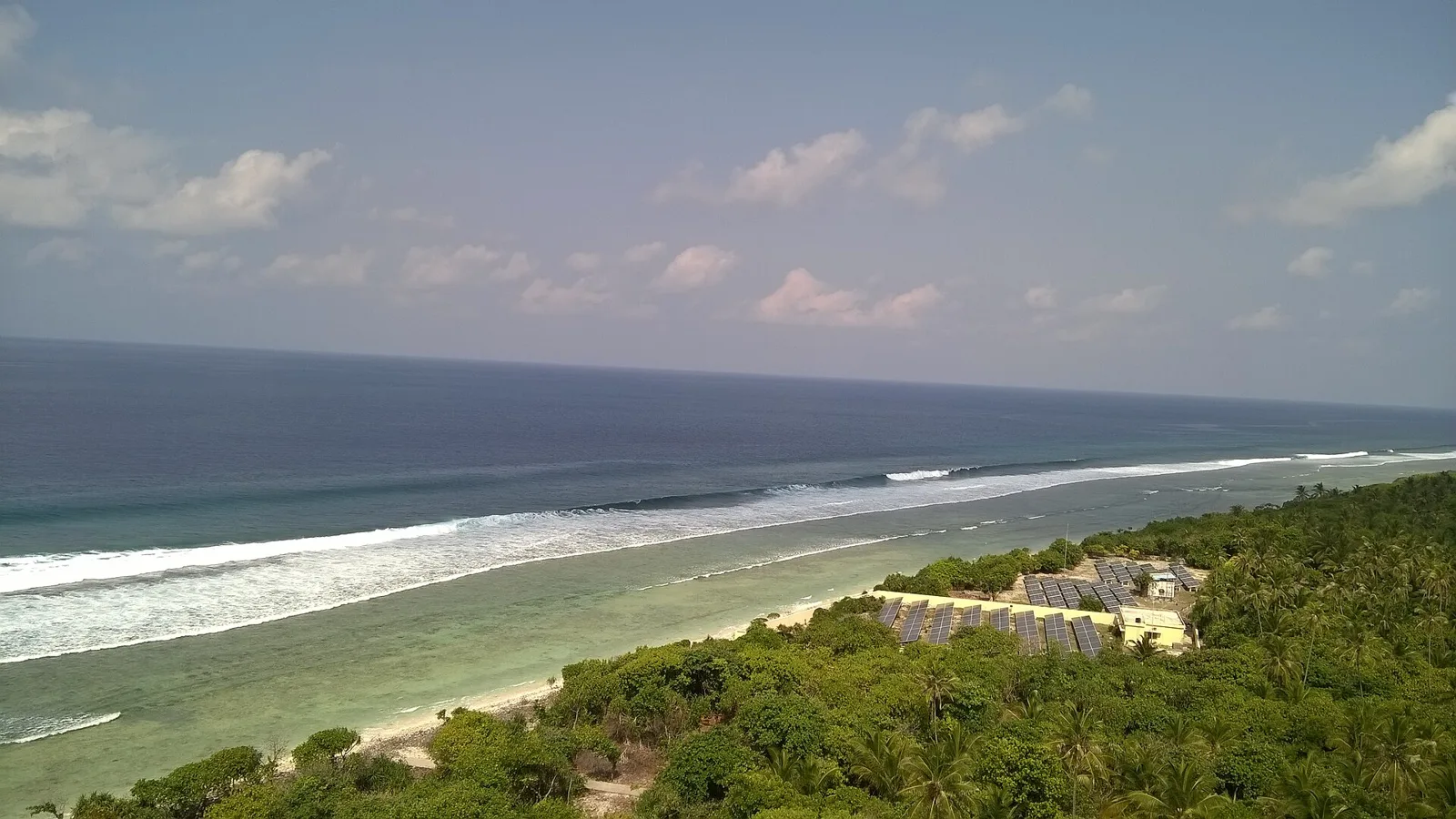
Minicoy, called Maliku by its residents, is the southernmost inhabited island of Lakshadweep and a distinctive stop in India’s Arabian Sea islands. Its atoll pairs a long, coconut-covered island with a broad, shallow lagoon and coral reef.

Famous for

  • Minicoy Island Lighthouse
  • Tuna fishing
  • Lava dance
  • Jahadhoni boat races
  • Coconut coir
In the city
2
District
Lakshadweep

Why Minicoy matters

Minicoy, called Maliku by its residents, is the southernmost inhabited island of Lakshadweep and a distinctive stop in India’s Arabian Sea islands. Its atoll pairs a long, coconut-covered island with a broad, shallow lagoon and coral reef. The lighthouse, built during British rule, is a prominent landmark; the surrounding waters draw visitors for their clear shallows, reef scenery and marine life.

Minicoy is also notable for its close cultural and historical links with the Maldives. Dhivehi, locally also called Mahl in official usage, is widely spoken, and island traditions differ in some respects from those of northern Lakshadweep. Fishing, especially tuna fishing, remains central to local life. Visitors come for the island’s coastal landscape, boat traditions and distinctive food and dance, as well as the chance to experience a small island community. Travel requires advance planning: transport is limited, and visitors should check current Lakshadweep entry and travel requirements before setting out.

Famous for: crafts, trade & products

Minicoy is better known for fishing and coconut-based work than for textiles or a large handicrafts trade. Tuna is an important catch, and fishing, fish handling and processing are part of the island’s economy. Coconut palms also supply coir fibre, used in traditional rope-making and related work. Local boat-building skills and the island’s distinctive jahadhoni vessels are part of its maritime heritage.

Visitors may find locally made coir items, coconut products and fish products through island shops or community outlets, but availability is limited and should not be assumed. Minicoy is not a major shopping destination, and there is no widely established local saree, textile or GI-tagged product to seek out. Rather than looking for a formal craft market, ask locally about small-scale producers and current sales. The jahadhoni is best appreciated as a cultural and seafaring tradition; it is associated with ceremonial displays and races, not simply a retail souvenir. Respect local customs when visiting workplaces or buying directly from residents.

History

Minicoy’s history reflects its position between the Maldives and the rest of Lakshadweep. Archaeological remains at Salliballu point to an earlier Buddhist presence, while local traditions recount the arrival of people from the Maldives. Islam spread to the island around the 12th century, and Minicoy remained closely connected to the Maldivian cultural and political world for centuries.

Control later shifted through regional powers in Kerala and the Ali Raja rulers of Cannanore. The East India Company established its authority over Minicoy in the late 18th century; formal transfer from the Cannanore ruling family followed in the early 20th century. Under British administration, the island became part of Malabar district. After Indian independence, Minicoy was incorporated into India and administered with Lakshadweep. Its lighthouse, built in 1885, recalls the colonial period, while fishing, village life and links across the sea continue to shape the island today.

Food, festivals & culture

Island food draws on the surrounding sea and coconut groves. Rice and fish, particularly tuna, are everyday staples; fish may be served fresh, dried or in coconut-rich preparations. Local meals reflect Minicoy’s close cultural connections with the Maldives, though recipes and names vary between households. Coconut-based sweets and snacks are made for home and festive occasions, but visitors should not expect a large restaurant scene.

Islam is central to community life, and village mosques are important gathering places. Eid al-Fitr and Eid al-Adha are major celebrations; their dates follow the Islamic lunar calendar and shift each year. Dhivehi, known locally as Mahl in official usage, is the island’s principal language, alongside Malayalam and other languages used in administration and travel. The lively Lava dance is a well-known performance tradition, often presented at celebrations. Jahadhoni boat races and displays also express the island’s seafaring identity. Visitors should dress modestly and ask permission before photographing people or religious settings.

Visiting the city

The more comfortable travel season is generally October to May, when sea conditions are usually more suitable than during the southwest monsoon. Check current access rules and transport arrangements before booking: Lakshadweep entry permits are required, and connections to Minicoy can be limited or subject to change. Agatti Airport is the airport serving Lakshadweep; Ernakulam Junction in Kochi is a major mainland rail connection used for onward travel. Confirm the route to Minicoy with authorized operators.

The island is compact, and visitors can explore village lanes and the lagoon side on foot or with locally arranged transport. The lighthouse area, lagoon and reef-facing coast are key places to experience. The island’s athiris (villages) offer a glimpse of everyday life, but visits should be respectful and arranged with local guidance where appropriate. Avoid walking on coral or disturbing marine life.

Attractions

Places to visit in Minicoy

Sights within about 12 km of each other, even when they fall in different districts.

Map

Minicoy on the map

  1. 1Minicoy Island
  2. 2Minicoy Lighthouse

Lakshadweep

Other cities to explore