Ghumoopedia — Explore, Discover, Experience
Sign in
Agatti Island, Lakshadweep

Union Territory · Islands India

Lakshadweep

Coral atolls of the Arabian Sea — entry permits are required for all visitors.

Capital
Kavaratti
Districts
1
Destinations
14
Plan a trip in Lakshadweep

Overview

Understanding Lakshadweep

Culture

Island Muslim traditions and Kolkali dance.

Food

  • Tuna and coconut dishes

Festivals

  • Eid celebrations

Experiences here

  • Beach
  • Wildlife

Verified by the Ghumoopedia editorial team on 21 Nov 2026. Written and reviewed by Ghumoopedia's editors. Timings, fees and permits can change, so check them with the managing authority shortly before you travel.

The complete guide

Lakshadweep: a traveller's guide

Why visit

Lakshadweep is a small, far-flung Union Territory made up of coral islands and atolls in the Arabian Sea, west of Kerala. Its appeal lies in the close meeting of reef, lagoon and open sea: shallow turquoise water, pale beaches and coconut palms make a striking setting for swimming, snorkelling, diving and quiet days by the shore. The islands are low and delicate rather than mountainous, and their marine environment is central to both daily life and travel. Kavaratti is the capital and an administrative centre; Agatti is the principal air gateway, while boats connect islands when conditions and arrangements permit.

A visit suits travellers seeking a carefully planned island stay, marine activities, or an introduction to a distinctive Muslim island culture. It is not a conventional hop-on, hop-off beach destination: permits are required, visitor access is controlled, and services and connections vary by island. Guides to Kavaratti Island, Kalpeni Atoll, Suheli Par, Minicoy Island, Kiltan Island, Agatti Island, Chetlat Island, Kadmat Island, Andrott Island, Amini Island, Thinnakara Island and Bangaram Atoll offer different glimpses of the archipelago. Respect for local customs and the reef makes a trip more rewarding.
Landscape & climate

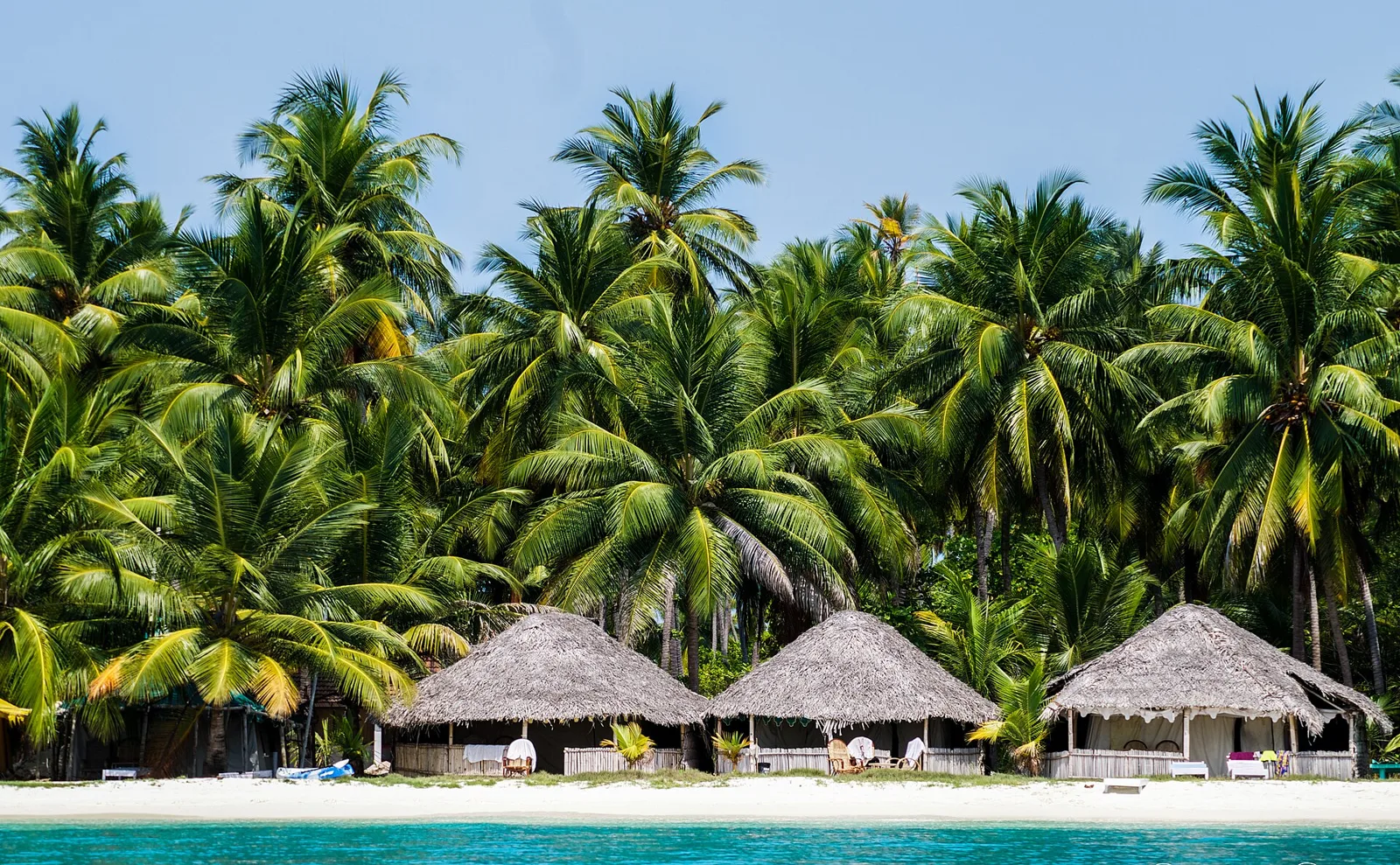
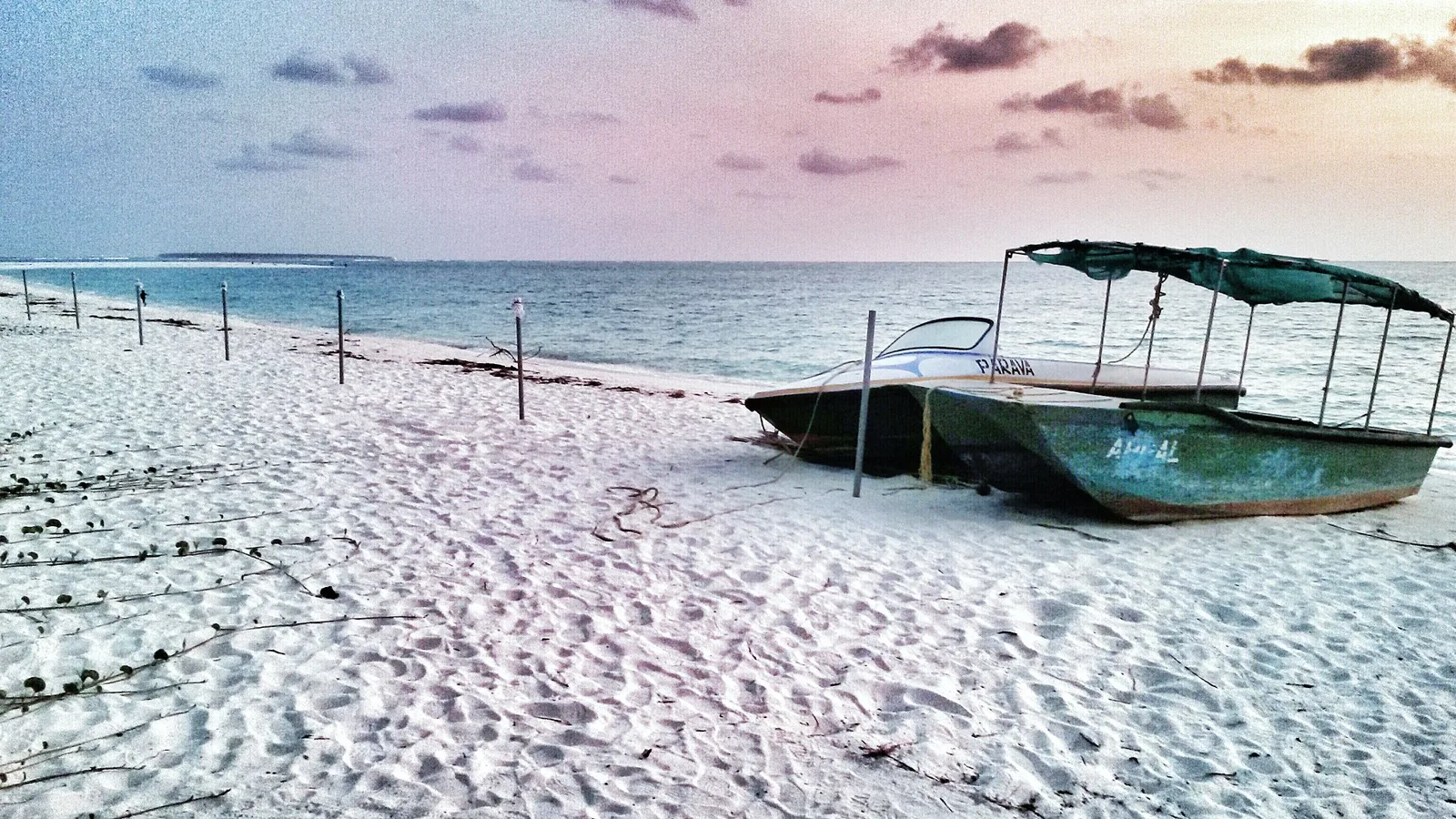
The territory comprises a chain of coral atolls and islands scattered across the Arabian Sea, with one district, Lakshadweep. There are no highlands, major rivers or extensive forests: the land is generally flat, narrow and close to sea level. Coral reefs enclose lagoons around many islands, separating calmer, shallower water from the outer ocean. Beaches, reef flats, seagrass beds and coconut groves define the scenery, while the surrounding marine habitats support fish, turtles and seabirds. Minicoy lies apart to the south, with its own large lagoon and a cultural identity distinct from the northern islands. Suheli Par and Bangaram are among the atoll settings that illustrate the region’s reef-fringed geography.

The tropical maritime climate keeps temperatures warm through the year, moderated by sea breezes and humidity. The southwest monsoon, usually strongest from around May into September, brings rain, rougher seas and disruption or limits to some boat and visitor arrangements. The drier period is generally more favourable for lagoon activities, though sea conditions can change and schedules remain weather-dependent. There are no conventional inland seasons of river flooding or winter cold; instead, wind, rainfall, swell and visibility shape the experience. Coral ecosystems are vulnerable to warming, pollution and physical damage, so visitors should avoid standing on reefs, collecting coral or disturbing marine life. Even apparently empty beaches and sandbars are part of a living and fragile coastal system.

History & heritage

The islands’ position on Indian Ocean sailing routes connected them over centuries with the Malabar Coast and with maritime communities farther south. Their early history is not documented as fully as that of major mainland kingdoms, and accounts of settlement combine historical records with local tradition. The communities developed links through fishing, trade, religious learning and movement across the sea. Minicoy, locally known as Maliku, has particularly close historical and cultural connections with the Maldives, while many northern islands have longstanding ties with Kerala. Islam became central to island life, and oral traditions, mosques and local customs preserve parts of this layered past.

In the medieval and early modern periods, authority over different islands was associated at various times with local rulers and the Arakkal kingdom of Kannur. Portuguese maritime activity brought conflict and pressure along these sea routes. The Amindivi islands later came under Tipu Sultan’s control and passed to British administration after the fall of Mysore at the end of the eighteenth century. Other islands were administered through arrangements involving the Arakkal rulers and, later, the British. Colonial governance gradually brought the scattered islands under more central administration, although distance and the sea continued to shape daily life. The varied histories of the island groups explain why the archipelago is culturally connected yet not entirely uniform.

At Indian independence, the islands entered the new national administration. In 1956, the Union Territory was constituted as Laccadive, Minicoy and Amindivi Islands; the name Lakshadweep was adopted in 1973. Kavaratti became the administrative capital, and the islands today form a single district and Union Territory governed from India. Public administration, education, transport and communications have expanded, while fishing, coconut cultivation and links with the mainland remain important. The territory’s history is also inseparable from its ecology: reefs and lagoons sustained settlement and travel, but make the islands especially sensitive to environmental change. Heritage here is best understood not only through political transitions, but through continuing sea connections, local knowledge and community life.

Culture, people & festivals

Lakshadweep’s people are predominantly Muslim, and Islamic faith and island traditions shape community life, family occasions and the calendar. Malayalam is widely used across the northern islands, alongside local speech forms often grouped under Jeseri. Minicoy has a distinct language, Mahl, related to Dhivehi and reflecting its close links with the Maldives. The islands share connections with Kerala and the wider Indian Ocean, but customs, speech and performance vary from one community to another. Visitors should treat mosques and religious observances with respect, dress modestly in villages and ask before photographing people or ceremonies.

Kolkali, a group dance performed with sticks and rhythmic movement, is among the best-known performance traditions. Parichakali and other local forms are also associated with festive gatherings, while Minicoy is known for Lava dance, performed to drums and song. Music, storytelling and collective participation bring people together at weddings and community events. Eid al-Fitr, marking the end of Ramadan, and Eid al-Adha are major celebrations; their dates move through the Gregorian calendar because they follow the Islamic lunar calendar. The islands may also observe religious occasions such as the Prophet’s birthday, with local practices differing by community. Rather than assume a fixed public festival schedule, visitors should check locally and remember that celebrations are primarily religious and family occasions, not staged attractions.

Food & flavours

Rice, fish and coconut are foundations of Lakshadweep cooking. Tuna is especially important, both as a fresh catch and as a fish that can be dried or preserved; it appears in curries and other everyday preparations. Coconut may be grated, ground into sauces or used for richness, while local meals draw on spices and cooking traditions shared with the Malabar Coast. Fish curries served with rice are a familiar combination, and the catch and preparation vary with season, island and household. Seafood is central, but visitors should ask about ingredients and preparation if they have dietary restrictions.

Island kitchens also use items such as breadfruit and other locally available produce, with availability affected by cultivation, supply and weather. Minicoy’s food reflects its historical links with the Maldives as well as shared island ingredients, while northern islands show stronger everyday connections with Kerala’s cuisine. Tuna-based dishes and coconut preparations are worth seeking out, but there is no single menu that represents every island. Sweets and snacks may be prepared for family gatherings and Eid, with recipes differing between households; mainland-style packaged foods are also found in some places. Dining options can be limited outside organised visitor facilities, so travellers should confirm meal arrangements in advance and avoid assuming that every island has restaurants or a wide choice of provisions.

Crafts, textiles & what to buy

Coconut and the sea inform many practical crafts. Coir made from coconut husk is used for rope, mats and other useful goods, while coconut shells can be shaped into household objects and small souvenirs. Local skills also include making and repairing boats, an essential tradition in communities where the sea is both livelihood and route between islands. Craft production is often modest and community-based rather than organised around large visitor markets, so what is available can vary by island and season. Ask permission before visiting a workshop or photographing makers, and buy directly from local producers where possible.

Visitors may find coir articles, shell work and small items made from locally available materials, but should never buy coral, shells taken from protected habitats, turtle products or objects made from wildlife. These purchases can damage fragile ecosystems and may be restricted. Lakshadweep is not widely associated with a commonly recognised, territory-wide GI-tagged craft or textile in the way some mainland regions are; GI registrations can change, so check the current official registry rather than relying on a seller’s claim. There is no single textile tradition marketed across all the islands, though everyday clothing reflects local Muslim customs and mainland connections. Choose useful, legally sourced goods and favour products that do not remove natural materials from reefs or beaches.

Getting there & getting around

Agatti Airport is Lakshadweep’s air gateway, with services linking the island to the mainland, commonly through Kochi; routes and operations can change, so verify current arrangements before planning onward connections. Cochin International Airport is the principal mainland airport used by many visitors. There is no railway in Lakshadweep. On the mainland, Ernakulam Junction and Ernakulam Town are major rail stations serving Kochi, from where travellers arrange the onward journey. Passenger ships also connect Kochi with the islands on selected services, but sailing plans, island access and sea conditions need confirmation through official channels.

There are no inter-island highways or road links to the mainland. Lakshadweep has local roads and tracks on some inhabited islands, where walking and authorised local transport are the practical ways to get around. Boats are essential for many island-to-island journeys, and helicopter or other services may operate in particular circumstances; availability is not guaranteed. Do not assume that a flight or boat connection can be arranged independently after arrival. Plan the entire itinerary around permitted islands, accommodation and confirmed transport. Kavaratti Island is the administrative centre, while guides to Agatti Island, Kadmat Island, Kalpeni Atoll, Minicoy Island and Bangaram Atoll describe distinct destinations, but visiting any particular island depends on current access rules. There are no state highways to name within the territory; on the mainland, NH 66 and NH 544 are important road routes in Kerala, but they do not continue across the sea to the islands.

When to go & travel tips

The generally drier months from around October to April are often the most convenient for island visits and water activities, while the southwest monsoon brings rougher seas and can affect travel. Conditions differ from year to year, so choose dates only after checking current transport, accommodation and activity arrangements. Pack light, breathable clothing, sun protection, a hat, reef-safe footwear and any personal medicines; modest clothing is appropriate in villages and religious settings. Carry reusable water and waste containers where practical, and take all non-biodegradable rubbish back through the proper disposal system.

Entry permits are required for visitors to Lakshadweep. Confirm the current rules, application process, eligible islands and required documents through official Lakshadweep administration or authorised travel channels before booking; do not rely on an old guide or an informal assurance. Follow local instructions around mosques, ask before taking photographs, and avoid public behaviour that could intrude on community life. In the water, use authorised guides, heed sea and weather advice, never touch or stand on coral, and do not feed wildlife. Connectivity and medical services can be limited, so arrange insurance and essentials in advance. Keep plans flexible: weather, boats and flights can change, and protecting the reef is part of travelling responsibly.

Highlights

Where to begin

City by city

Cities & hubs of Lakshadweep

Every sight is grouped under its city — places within about 12 km together, day trips within 40 km alongside — even across district lines. Open a city to see its attractions.

See every city, town and village of Lakshadweep

Away from the cities — 9 more places by district

District discovery

Lakshadweep: 1 district covered

Open a district to see its destinations and neighbours. More districts are added as our team writes them.

1 of 1 districts have destination guides

Destinations

Every guide in this state

Open a district to see its cities and towns, villages and places to see.

Festivals & fairs

The calendar here

Full calendar

Festivals of Lakshadweep through the year

Usual season and where each is best known. Exact dates follow local calendars — linked festivals have dated guides.

  • Eid, Muharram, Milad-un-NabiThe main festivals, as the population is predominantly Muslim.
  • Urs commemorations at island shrines, including Androth
  • Folk arts such as Kolkali and Parichakali performed at celebrations; Minicoy is known for its Lava dance
From travellers and locals

Be the first to share photos, stories, advice or a helpful contact for Lakshadweep.

Loading…