
Agatti Island
Agatti Island is 7.6 km long and lies on Agatti Atoll in Lakshadweep; visitors come to experience its island setting on a coral atoll.
Key facts · verified by Ghumoopedia editors
- Type of place
- Natural attraction
- Best time to visit
- October to April
- Nearest airport
- Agatti Aerodrome · about 3 km (straight line)
- Verified
- 21 Nov 2026
Plan a trip from Agatti Island — a day-by-day route through places nearby.
Agatti is an island in the Union Territory of Lakshadweep, measuring 7.6 km from end to end. It occupies a coral atoll that shares its name: Agatti Atoll. Kochi lies 459 km (285 mi) to the east, placing Agatti west of the city. This distance provides a reference for the island’s position in relation to Kochi. The island’s defining details are its length, its place on a coral atoll and its location within Lakshadweep. Together, they describe Agatti’s scale and setting without separating it from the atoll that bears the same name. Lakshadweep is India's smallest union territory: a group of 36 coral islands and atolls in the Arabian Sea, of which only ten are inhabited, with turquoise lagoons, coral reefs, a Muslim, Malayalam-speaking population (Mahl on Minicoy), coconut groves and some of India's best snorkelling and diving. The islands are warm and humid all year (about 25–32 °C). The southwest monsoon from mid-May to September brings rough seas, when ship services are reduced and water sports stop; October to April has calm, clear water. The usual best time to visit is October to April. Timings, fees and access arrangements must be confirmed locally. For official information, see Lakshadweep Tourism at https://lakshadweeptourism.com.
Why it matters
Agatti is an inhabited coral island in Lakshadweep, set on the Agatti atoll in the Arabian Sea. The island is about 7.6 km long and lies west of Kochi. Its lagoon and surrounding reef are part of the coastal environment that supports fishing, island livelihoods and visitor activities such as snorkelling and diving. Agatti is also an important arrival point for travellers: its aerodrome provides the territory’s air link with Kochi, subject to current flight schedules. Lakshadweep Tourism describes the islands as a group of coral islands and atolls, but visitors should not assume that every reef area is open for recreation. No UNESCO World Heritage or ASI-protected monument designation for Agatti Island is asserted here; check official sources for current conservation rules and access.
Agatti is a coral island shaped by reef growth and changing sea conditions rather than by the construction of a single historic monument. The exact beginnings and chronology of settlement on the island are not firmly established in readily available public accounts. Its history is best understood within that of Lakshadweep, whose islands have long been connected to the Arabian Sea and the Malabar coast through seafaring, fishing and exchange. Islam is central to the history of the inhabited islands, though local accounts and the timing of its spread vary; details should not be treated as an Agatti-specific date without reliable evidence. The islands came under British administration and, after Indian independence, were administered by India. Lakshadweep became a union territory in 1956 and took its present name in 1973. In more recent decades, air access has made Agatti a significant entry point for visitors, while boat and helicopter links connect it with other islands. Public summaries do not establish a major restoration project or a sequence of historic buildings on Agatti; its heritage is more closely tied to its community, maritime setting and island landscape.
Origin stories & folklore
There is no single well-documented origin legend specific to Agatti that can be presented as established history. In traditions shared across Lakshadweep, stories describe the arrival and spread of Islam among the islands, sometimes linking this history with the Arab traveller Ubaidullah. These accounts belong to local religious and oral tradition, and versions differ; they should not be taken as a precise record of when Agatti was settled or converted. The island’s coral formation is explained scientifically through reef growth, not by a verified local creation story. Visitors interested in oral histories can ask residents or local cultural guides whether they are comfortable sharing them, and should respect that some stories or religious knowledge may not be intended for public retelling.
Spend unhurried time at Agatti Island: use marked paths and official viewpoints, and ask locally whether a guide, ticket or permission is needed. Enjoy the water from safe, marked points; snorkel and dive only with certified operators, and admire coral without touching it, and keep an eye on the tide. A comfortable itinerary is one main visit in the morning, a local meal at midday and a short nearby stop before an afternoon return. Snorkel and swim in the calm morning hours and rest at midday when the sun is fierce; island life winds down early. Use the district list on this site to find other places in Lakshadweep, but check the route and its condition before combining stops. If a festival is on — such as Eid al-Fitr and Eid al-Adha or the Prophet's birthday (Milad-un-Nabi), when island life slows down and some services pause — transport and stays can be busy, and the experience can be unforgettable. The coral reefs are protected — use reef-safe sunscreen, avoid plastic and take all your waste back with you.
Suggested itineraries
Half day: Arrange local guidance (15–30 minutes); take a relaxed island and shoreline visit (1–2 hours); have a local meal; finish with a short, permitted lagoon or viewpoint stop if conditions allow. Full day: Start with a guided shoreline visit (1–2 hours); take a certified-operator snorkelling trip or boat outing (2–3 hours, subject to conditions); rest and eat at midday; spend the afternoon on a short nearby stop or return to the lagoon edge. Gentler option: Choose a nearby, accessible drop-off and a brief seated shoreline or viewpoint visit, with frequent rests and no boat or water activity.
Malayalam is widely used across Lakshadweep, alongside local speech forms; language and customs can vary between islands. Islam is an important part of everyday life on Agatti, shaping community routines, religious observances and hospitality. Fishing, coconut cultivation and sea-based livelihoods remain part of the island’s identity. Lakshadweep has group dances and musical traditions, including forms such as Kolkali and Parichakali, but performances are not guaranteed at a visitor site and may be arranged for particular occasions. Dress is generally modest, especially near mosques and during religious events. Ask before photographing people, homes or ceremonies, and follow local guidance about public conduct and access to religious spaces.
Local communities
Agatti is home to an island community whose lives are closely connected with the sea, local services and family networks. Fishing and related work are important livelihoods, alongside coconut cultivation, transport, hospitality and other services. As in the wider Lakshadweep population, Malayalam is commonly spoken and Islam is central to community life; this broad description should not be used to assume that every household has the same customs or occupation. Visitors should seek permission before photographing residents or entering private areas. Local guides and hosts can explain what activities are appropriate and whether a particular place or event is open to visitors.
Festivals & events
Eid al-Fitr and Eid al-Adha are significant occasions in the Muslim calendar, and the Prophet’s birthday may also be observed locally. The season and public character of observances can vary, and religious events are primarily community occasions rather than tourist performances. Services, transport and meal availability may be affected around major celebrations, while accommodation and transfers can be busier. Visitors should confirm arrangements locally, dress respectfully and avoid photographing prayers or ceremonies unless explicitly invited. Lakshadweep-wide cultural events may feature music or dance, but there is no fixed public festival programme on Agatti that visitors should rely on.
Local food in Lakshadweep includes tuna in every form — fresh curries, dried 'mas' and fried fish — coconut-based dishes, octopus, Malabar-style biryani, banana fritters and fresh coconut water. Ask what is fresh that day; many small eateries cook a limited daily menu. Food on the islands is simple and based on fish, coconut and rice; vegetarians should mention it when booking. Packages usually include meals because restaurants are few. Remote sites may have no restaurant at all. Carry water and snacks, eat a proper breakfast before long journeys, and ask your accommodation for a packed lunch if you are heading out early. Try a home-cooked or local meal when you can — it is often the best food on the route. Choose busy, clean places, drink sealed or filtered water, and carry your packaging back with you.
Shopping & local experiences
Shopping options on Agatti are limited compared with a mainland town. Visitors may find small local shops selling everyday goods, snacks and basic travel supplies; availability varies. Look for locally prepared food and seafood through established eateries or hosts, and ask about ingredients and customs before ordering. Coconut-based products or small souvenirs may be available, but avoid buying coral, shells or products made from protected marine life. Choose items that are legally sourced and easy to carry, and support local businesses where possible. Confirm baggage and island transport restrictions before purchasing bulky goods.
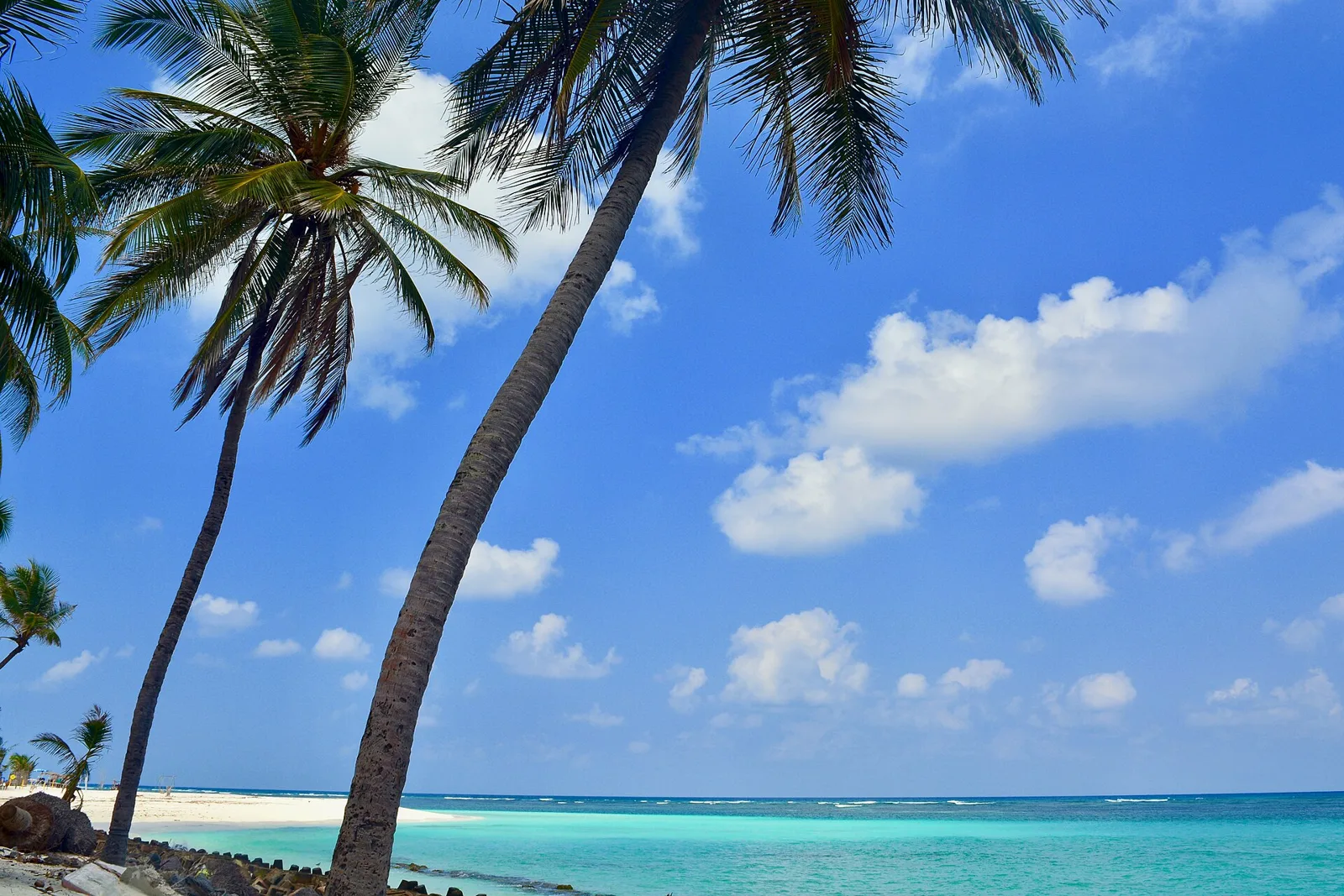
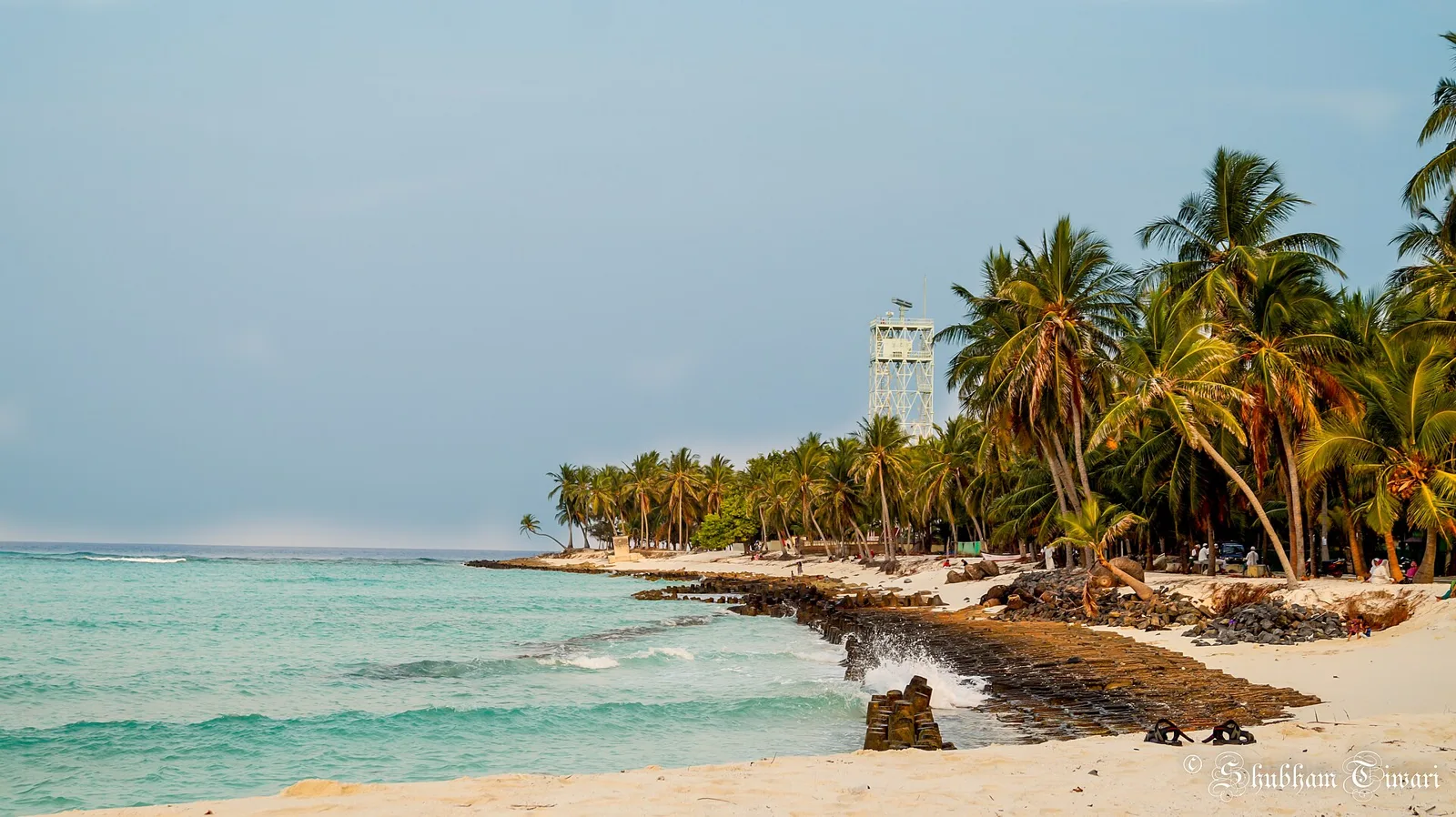
Agatti is a narrow, low-lying coral island surrounded by the lagoon and reef environment of its atoll. The shore, shallow turquoise waters and coral formations are central to its scenery; conditions, visibility and safe swimming areas change with weather, tide and local guidance. Coconut palms and other coastal vegetation grow on the island, but this is not a forest destination. Reef habitats support marine life, and nearby waters may provide opportunities to observe fish and other sea creatures, though sightings are never assured. Seabirds may be seen around the coast, with numbers and species varying by season. Use only permitted access points, avoid standing on or touching coral, do not feed wildlife, and take all rubbish back with you.
October to April
There is no railway in Lakshadweep. The nearest operating airport by straight-line distance is Agatti Aerodrome, roughly 3 km away. These figures are calculated from map coordinates — actual sea and road distance is longer. Alliance Air flies between Kochi and Agatti; ships from Kochi to the islands take 14–20 hours, and inter-island transfers are by boat or helicopter. There is no railway — the nearest stations are on the Kerala coast. Inter-island travel is by ship, boat or helicopter arranged with your permit and package. When comparing train, bus and flight, count the complete door-to-door time: a flight saves the most time only if the onward transfer is short, while an overnight train can save a hotel night. For Lakshadweep, flying from Kochi to Agatti saves the most time; ships are slower but let you see more islands. Either way, you must hold an entry permit before travelling. Book your return before you leave, because seats fill quickly on weekends, festivals and holidays. Current train numbers, timings, return services, ferry departures and fares are not listed here; check IRCTC and NTES for trains, the airline's own schedule for flights and the official operator for ships and ferries. Every visitor who is not a resident of Lakshadweep — Indian or foreign — needs an entry permit from the Lakshadweep administration, applied for online with ID and a police clearance certificate or through an approved tour package, before booking. Foreign nationals may visit only the islands opened to them. Alcohol is banned on all inhabited islands, and the islands have limited hotel rooms, so most visitors travel on government or approved packages.
Confirm onward and return timings on IRCTC / NTES, the state bus operator or your airline before travel. A dash means current timings or fares have not been verified.
Getting around
Agatti is a small island, so visitors can cover some areas on foot, but heat, sun exposure and the condition of paths matter. Local taxis or arranged vehicles may be available through accommodation providers or tour operators; availability can be limited, so agree on transport before setting out. Boats are used for transfers to nearby islands and lagoon activities, and should be arranged through authorised local operators with weather and tide conditions in mind. Do not rely on a regular local bus service. Ask locally about suitable drop-off points and parking, and avoid walking along exposed roads or shore areas after dark.
Hours, tickets & permissions
Entry to Lakshadweep is regulated, and visitors generally need to arrange the applicable permit and approved travel or stay arrangements before arrival. Access to particular beaches, lagoon areas, boat trips and activities may have additional local conditions, including weather or conservation restrictions. Ticketing or permission requirements can differ by operator and location; do not assume that a general island visit grants access everywhere. Confirm current entry rules, operating hours, fees, camera conditions and any identification requirements with Lakshadweep Tourism, your authorised operator or the relevant local authority before travelling.
Facilities
Facilities on Agatti are modest and may vary by accommodation or operator. Food and drinking water are usually available through local stays or eateries, but visitors should confirm service in advance and carry water for outings. Toilets may be available at accommodation or activity bases rather than at every shoreline stop. Guides and boat operators should be arranged locally, with certification and permissions checked before booking. Do not assume there is an ATM, public visitor centre, lifeguard or extensive parking at a particular site. Carry essential medicines and take rubbish back to your accommodation for disposal.
Accessibility
Agatti is low-lying and largely level, but beaches, sand, uneven paths and road edges can make movement difficult. Shade is limited in exposed areas, and the tropical sun and humidity can be tiring; plan short outings with water and rest breaks. Walking distances depend on the chosen stop and transport arrangements. Wheelchair and stroller access should not be assumed, particularly on sand, boats or informal shoreline paths; ask a provider about the exact route and boarding arrangements before committing. Older visitors or anyone with reduced mobility may prefer a vehicle-assisted visit and a brief, firm-surface stop. There is no assurance of ramps, accessible toilets or step-free boat access.
Every visitor who is not a resident of Lakshadweep — Indian or foreign — needs an entry permit from the Lakshadweep administration, applied for online with ID and a police clearance certificate or through an approved tour package, before booking. Foreign nationals may visit only the islands opened to them. Alcohol is banned on all inhabited islands, and the islands have limited hotel rooms, so most visitors travel on government or approved packages. Carry a photo ID at all times and save the emergency number 112 and your accommodation's contact offline. Medical facilities are basic outside Kavaratti and Agatti, and evacuation depends on weather — carry your medicines and travel insurance. Swim and snorkel only in the lagoon with local guides, never touch or stand on coral, and protect yourself from strong sun. Keep behind barriers, never swim in unmarked spots or after drinking, and leave the water if the sea or currents change suddenly.
Photography
Early morning and late afternoon often give softer light for lagoon, shoreline and palm views, though cloud and sea conditions vary. Photograph from permitted paths and viewpoints, and do not enter restricted or private areas for a better angle. Ask people before taking close portraits, and avoid photographing prayers or religious events without clear permission. Drone use may be restricted by aviation rules, local security requirements or island permissions; do not fly without checking and obtaining all necessary approvals. Protect cameras from salt spray and keep equipment away from coral and wildlife.
Choose a stay by the full journey to Agatti Island, not just the district name. Rooms are limited: Agatti, Bangaram, Kadmat, Kavaratti and Minicoy have resorts, cottages and government tourist huts, usually booked as part of an approved package. In the hot months, check air-conditioning; in the monsoon, check that the property is reachable if roads flood or ferries are cancelled. Book in advance for weekends, festivals and the peak season (October to April). Confirm the exact location, meals included, check-in time and cancellation terms in writing. Avoid sending money to unverified contacts or touts at stations, airports and jetties. Carry some cash, as card and digital payments can be unreliable in remote areas.
Bangaram and Thinnakara are nearby island destinations commonly associated with Agatti trips, but access depends on permits, authorised boat arrangements, sea conditions and current local rules. They are not casual walk-on extensions of an Agatti visit. Other Lakshadweep islands, including Kavaratti, may be considered as separate parts of a longer itinerary, but transfers require planning and may involve boat, ship or helicopter connections. Ask an authorised operator which islands are open to visitors during your travel period and whether an overnight stay is permitted. Do not plan several islands in one day without confirming transfer feasibility.
For couples, Agatti Island rewards a slow pace: arrive early for soft light and fewer crowds, share a local meal and keep the evening free. A sunset over the lagoon, snorkelling together over the reef, a kayak trip or a quiet night under a clear sky makes the trip memorable. Public displays of affection can be frowned upon in conservative communities and at religious sites, so be discreet. Keep a buffer in your itinerary, because weather and transport can delay plans.
Q: How much time should I allow for Agatti? A: A half day can suit a short island visit; allow a full day if you plan an authorised boat or water activity, with time for rest and weather changes. Q: When is the best season to visit? A: October to April is generally favoured for calmer seas and clearer water. The southwest monsoon, roughly mid-May to September, can bring rough conditions and reduced water activities. Q: Do I need permission to visit Agatti? A: Lakshadweep entry is regulated and permits are generally required. Confirm current requirements and approved travel arrangements before booking. Q: Is Agatti suitable for children or elderly visitors? A: It can be, with close supervision, sun protection and a gentle itinerary. Sand, heat, boat boarding and changing sea conditions may make some activities unsuitable. Q: Can I stay near Agatti? A: Accommodation is limited compared with mainland destinations. Check current availability and permit requirements through authorised accommodation providers or tour operators well before travel.
Be the first to share photos, stories, advice or a helpful contact for Agatti Island.
Loading…