
District · Lakshadweep
Lakshadweep
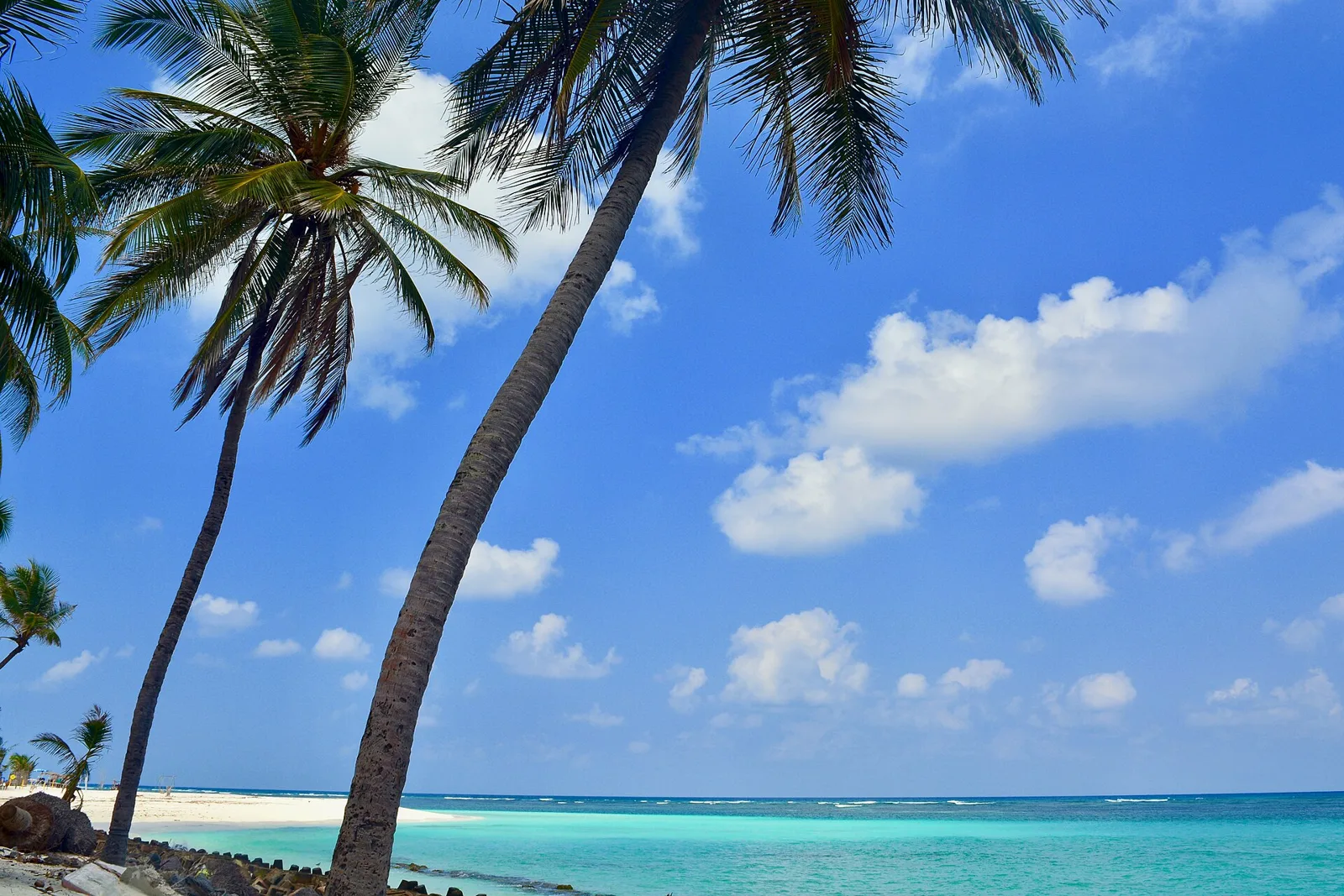
Lakshadweep is India’s coral-island territory in the Arabian Sea, off the Malabar coast, and is best known for atolls, lagoons, reef-fringed shores and a close relationship between island life and the sea.
Lakshadweep district covers the coral islands, atolls and lagoons of India's Lakshadweep Union Territory in the Arabian Sea. Coconut palms, sandy shores and shallow reef waters shape its landscape, while fishing and seafaring remain central to island life. Kavaratti is the administrative centre; other islands include Agatti, Kalpeni, Kiltan and Chetlat. Minicoy, locally called Maliku, has a distinct cultural identity, and its lighthouse, established in 1885, recalls the islands' maritime history. Long-standing connections with the Malabar coast have influenced food, language and everyday customs. Settlements and visitor facilities are separated by substantial stretches of sea, making this a destination best explored through carefully arranged island stays rather than spontaneous overland travel.
Lakshadweep is India’s coral-island territory in the Arabian Sea, off the Malabar coast, and is best known for atolls, lagoons, reef-fringed shores and a close relationship between island life and the sea. Kavaratti is the administrative centre; Agatti, Kalpeni, Kadmat and other inhabited islands offer different settings, while access and visitor facilities vary from island to island. Minicoy, locally called Maliku, has a distinct cultural identity and maritime history. Visitors come for carefully arranged island stays, reef and lagoon activities, and a glimpse of communities shaped by fishing, seafaring and long-standing links with Kerala. Travel between islands requires planning rather than spontaneous overland journeys.
Island histories are recorded partly through oral traditions and connections with the Malabar coast. Local tradition associates the arrival of Islam with the seventh century. Over time, islands came under the influence or authority of mainland rulers, including the Kolathiri and Arakkal houses; Minicoy also maintained strong cultural and maritime links with the Maldives. Tipu Sultan gained authority over the Amindivi group in the late eighteenth century, and the British took control of those islands after his defeat. British administration extended to the other islands during the colonial period. The islands were administered as the Laccadive, Minicoy and Amindivi Islands after India’s independence. They became a Union Territory in 1956 and were renamed Lakshadweep in 1973. Kavaratti became the administrative centre. The territory is now administered as a single district. Seafaring, fishing, coconut cultivation and trade across the Arabian Sea have remained important influences on island society and culture.
14 destination guides · 13 on the map
Agatti Island
Agatti Island is 7.6 km long and lies on Agatti Atoll in Lakshadweep; visitors come to experience its island setting on a coral atoll.
Amini Island
Amini is a census town in Lakshadweep, and its name also identifies the island and atoll. Visitors exploring the territory may be drawn to this island settlement and its setting.
Andrott Island
Andrott, also called Androth, is an inhabited island in Lakshadweep. Visitors can explore its place among the territory’s coral islands in the Arabian Sea.
Bangaram Atoll
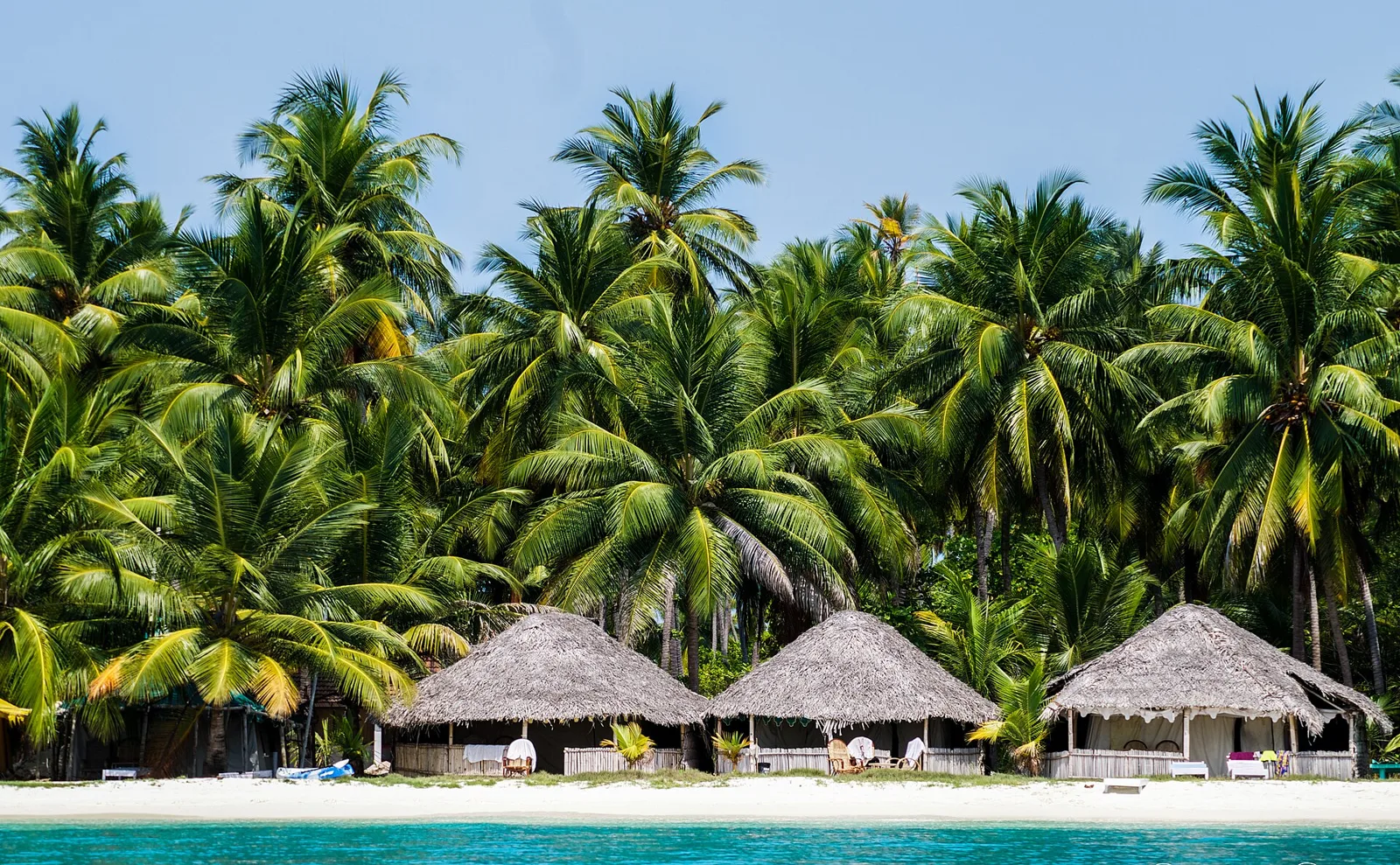
Bangaram Atoll is part of Lakshadweep, an Indian Union Territory. Travellers may visit to see this atoll within the territory.
Chetlat Island
Chetlat is an inhabited island in Lakshadweep and part of the Aminidivi group. Visitors exploring the archipelago can discover its place among the islands of the Arabian Sea.
Kadmat Island
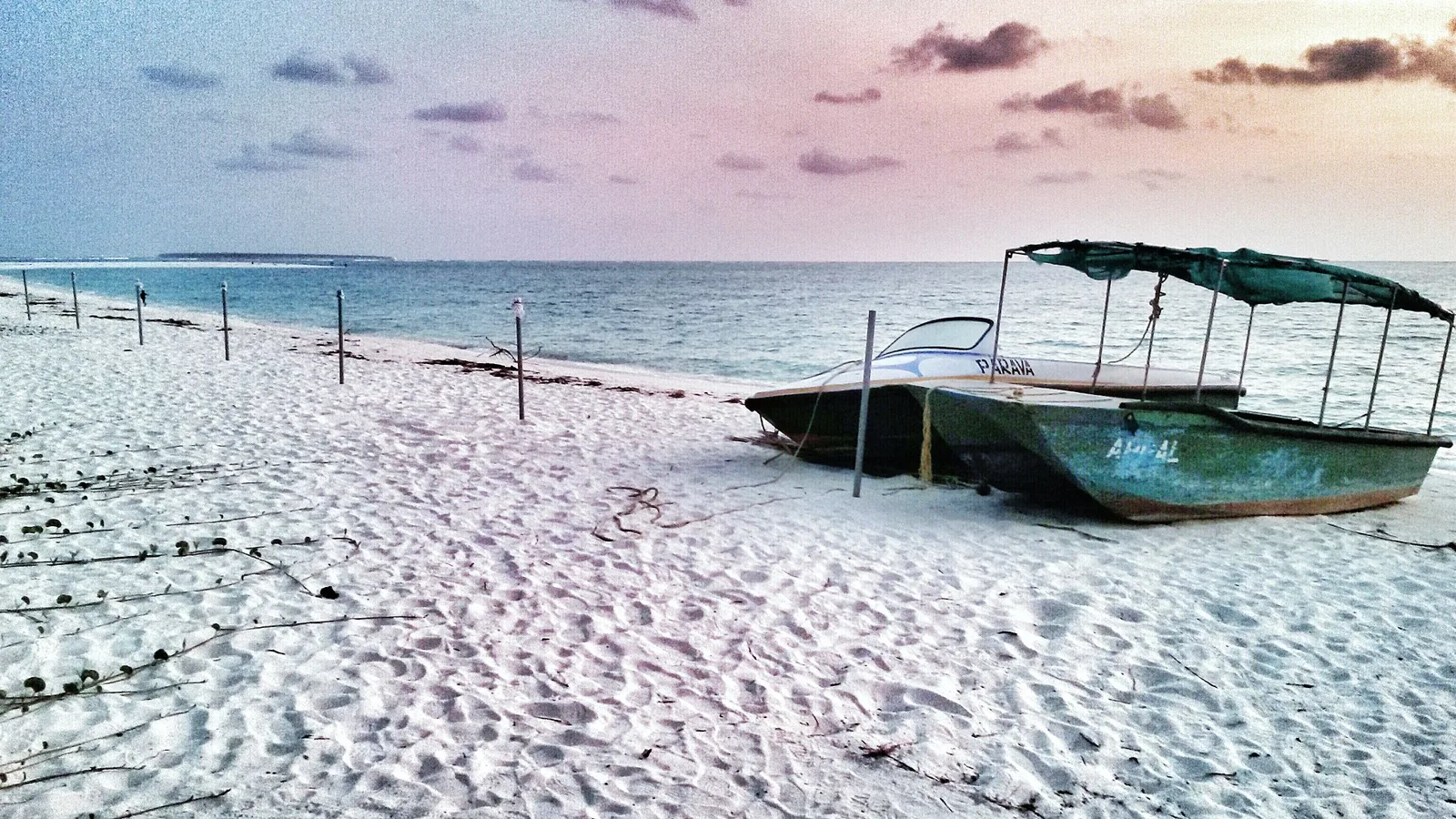
Kadmat is a coral island in Lakshadweep’s Amindivi group, also known as Cardamom Island. Visitors can enjoy its lagoon and marine life through kayaking, snorkelling and glass-bottom boat trips.

Kalpeni Atoll
Kalpeni Atoll is an inhabited part of Lakshadweep, India. Travellers visit to experience a lived-in atoll situated 287 km west of Kochi.
Kavaratti Island
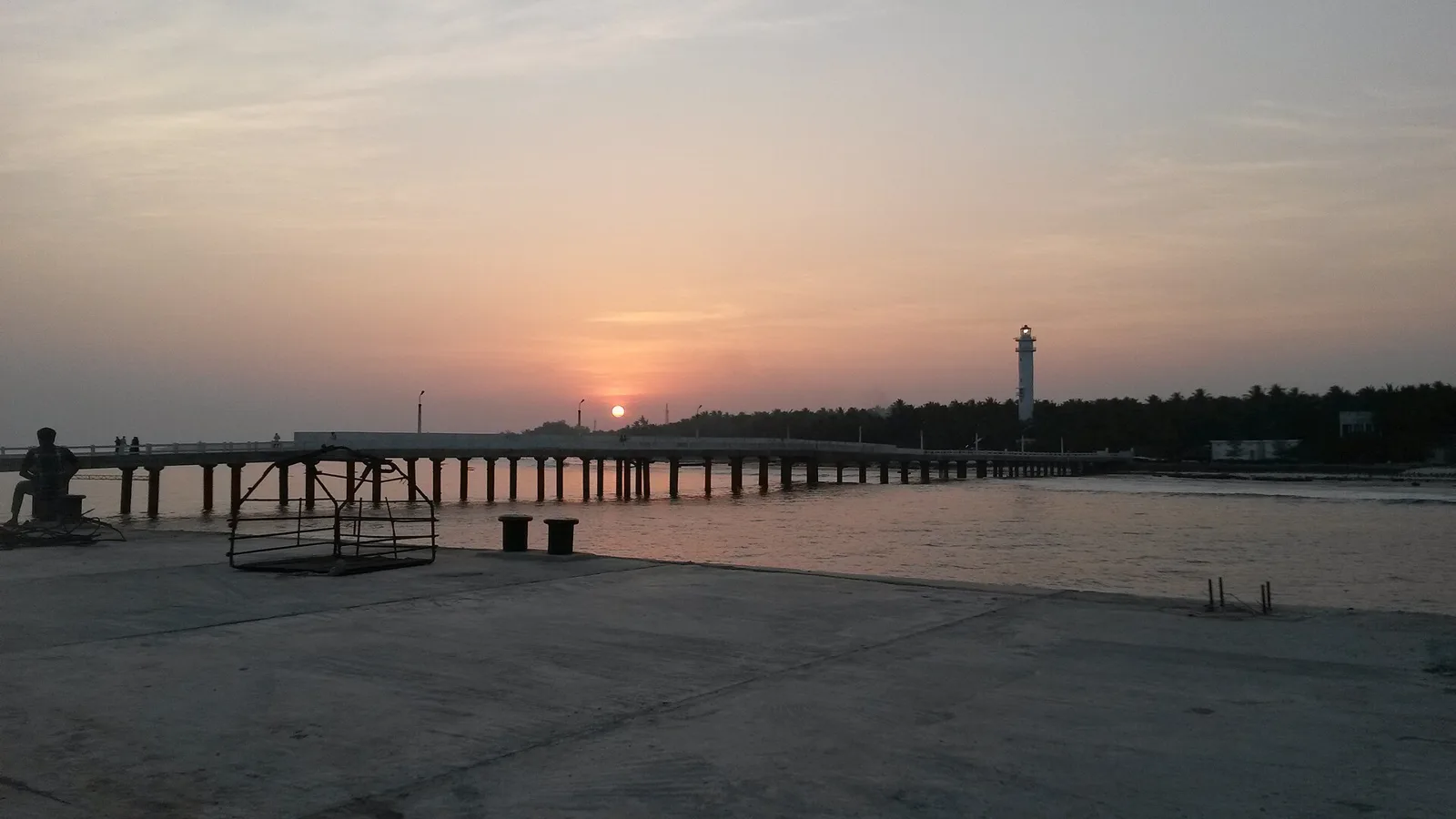
Kavaratti is an atoll in Lakshadweep, with a principal settlement that serves as the territory’s capital. Visitors may explore its island setting and learn about its administrative role.
Kiltan Island
Kiltan, also known as Kilthān, is a coral island in Lakshadweep’s Amindivi subgroup. Visitors may include it in a trip to explore the territory’s islands.
Fish, coconut and rice form the foundation of Lakshadweep's food traditions. Tuna appears in fresh curries, fried preparations and dried forms known as mas; octopus is also eaten. Coconut lends richness to many dishes, while fresh coconut water is a familiar refreshment. Malabar-style biryani and banana fritters reflect wider coastal food connections rather than dishes unique to the islands. Menus often depend on the day's catch and available supplies. Small eateries may offer only a few preparations, and accommodation packages commonly include meals. Vegetarians should explain their requirements when booking, especially for stays away from the better-served islands.
Coconut-based craftwork is associated with Lakshadweep, particularly coir made from coconut husk and used for rope and other practical articles. Coconut-shell objects and woven palm-leaf items also draw on materials readily available on the islands. Traditional boatbuilding reflects the archipelago's fishing and seafaring heritage, combining skilled woodwork with knowledge of local waters. These traditions belong to a wider Indian Ocean and coastal craft world, not exclusively to Lakshadweep. Availability varies between islands, so ask locally about makers and responsibly sourced souvenirs; avoid coral and protected marine-life products.
Eid-ul-Fitr and Eid-ul-Adha are widely observed, alongside other Islamic religious occasions. Their timing follows the lunar calendar, so the season varies from year to year. Minicoy is known for traditional cultural performances, including Lava dance, presented at community celebrations and special occasions. Festivals are primarily local and family-centred rather than large visitor fairs. They can affect the availability of rooms, transport and services, particularly where accommodation is limited, so travellers should confirm arrangements and book well ahead. Visitors should follow local guidance on dress, photography and respectful conduct at religious or community events.
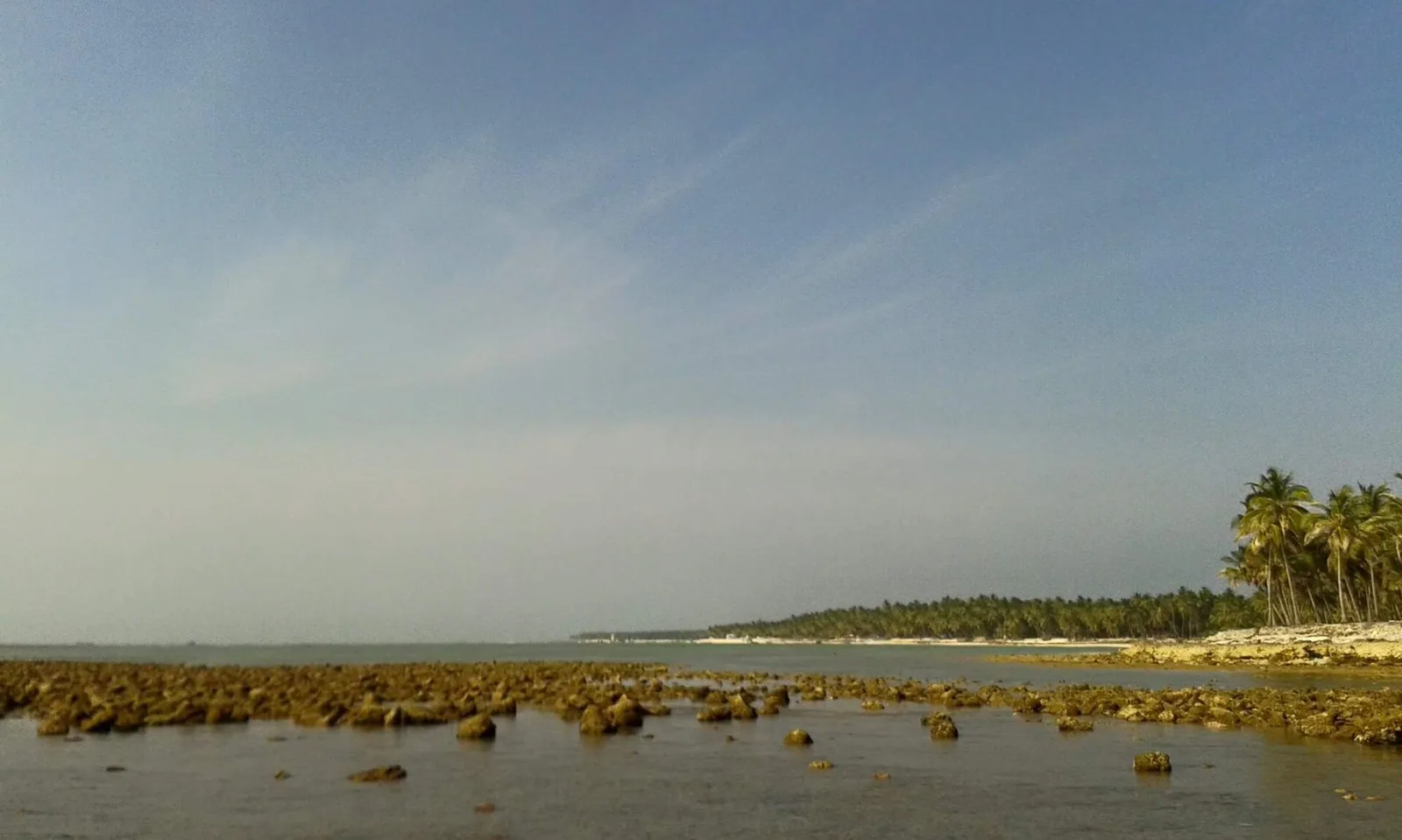
Lakshadweep consists of low coral islands and atolls, with sandy shores, coconut groves and shallow lagoons enclosed by reefs. There are no major rivers or hills; freshwater is limited and settlements occupy narrow strips of land. The sea is both the main route between islands and a condition that can interrupt travel, especially in rough weather. Reefs and lagoons shape boating and water activities, which should be undertaken only through authorised local operators. Distances across water separate communities and visitor facilities, so each island is best treated as a separate stop rather than part of a road-based circuit.
The climate is tropical, warm and humid through much of the year. The summer period can feel hot, while the southwest monsoon brings rougher seas, rain and possible disruption to boats and flights. Conditions generally become more settled after the monsoon; October to April is commonly the more practical period for visitors, though sea conditions can still change. Pack light, breathable clothing, sun protection, a hat, insect repellent and any personal medicines. A light rain layer is useful, and reef activities call for suitable sun-safe clothing. Check current weather and transport conditions before travelling, especially during the monsoon.
Agatti Airport is the main air gateway, with flights from Kochi; onward island transfers need advance coordination. Passenger ships also connect Kochi with Lakshadweep, subject to routes, weather and availability. There is no railway on the islands; Ernakulam Junction is a useful mainland railhead for reaching Kochi. No road connects the archipelago to mainland India. Inter-island travel is by arranged ship or boat, with helicopter services available in some circumstances rather than as guaranteed tourist connections. On inhabited islands, walking and locally arranged vehicles cover short journeys. Arrange the required entry permit and accommodation before departure, and check current services locally.
There are no road links between the islands, and no mainland road connection. On inhabited islands, short journeys are made on foot or by locally arranged vehicles; the extent of road transport varies. Inter-island travel depends on arranged ships or boats, while helicopter services may operate in some circumstances and should not be treated as a guaranteed tourist connection. Agatti is the air gateway for onward transfers, which need advance coordination. Boat availability and routes can change with weather, permissions and operating arrangements. Confirm every transfer with official or authorised local sources before setting out.
2 days: Kavaratti Island → Ujra Mosque, Kavaratti; sleep both nights on Kavaratti Island. 3 days: Agatti Island → Bangaram Atoll → Thinnakara Island; sleep on Agatti Island both nights, with boat visits only if permitted and operating. 4 days: Minicoy Island → Minicoy Lighthouse; sleep on Minicoy Island all three nights. Confirm island access and transfers before planning any circuit.
Kavaratti can suit a stay focused on its island setting and Ujra Mosque, while Agatti is a practical base when flights and onward transfers are arranged. Minicoy works for travellers whose approved itinerary includes the southern island. Accommodation is limited and may include government or tourism facilities, resort-style stays and locally arranged guest accommodation; options differ by island and season. Some itineraries require booking through authorised packages. Do not assume that a stay or boat visit is available on every island: confirm accommodation, access and transfers together before departure.
Sea conditions can change quickly, and monsoon weather may disrupt flights and boat transfers; keep plans flexible and follow local instructions. Use authorised operators for lagoon and reef activities, and avoid standing on or damaging coral. Carry drinking water and personal medicines, protect yourself from sun and insects, and check what medical support is available on your chosen island. Roads are limited, and mobile connectivity and other services can vary. Entry permits and island-specific permissions may apply; confirm current requirements with official authorities before booking or travelling. Respect local customs and take care around boats, jetties and slippery shorelines.
Q: How many days should I spend in Lakshadweep? A: Allow at least two or three days for one island, and longer if your confirmed itinerary includes inter-island transfers. Build in flexibility for weather-related changes. Q: When is the best time to visit? A: October to April is generally the more practical period, though sea and transport conditions can vary at any time. Q: What is the best base? A: Kavaratti, Agatti or Minicoy may suit different itineraries. Choose based on approved island access, accommodation and confirmed transfers. Q: How do I get there? A: Agatti Airport is the main air gateway, with flights from Kochi. Passenger ships also connect Kochi with the islands, subject to routes and availability; arrange onward transfers in advance. Q: Is Lakshadweep suitable for families or elderly travellers? A: It can suit travellers who are comfortable with boat transfers and limited services, but access, medical facilities and mobility vary by island. Check the itinerary and support available before booking.
This page draws on our 14 destination guides for Lakshadweep and is updated as our team checks it.
Be the first to share photos, stories, advice or a helpful contact for Lakshadweep.
Loading…