
Ghumoopedia — Explore, Discover, Experience
Sign in

Cultural · Andaman & Nicobar Islands

Settler Community Festivals of the Andamans

South Andaman

Dates

Last verified 17 November 2026. Confirmed: announced by organisers or government. Provisional: from a published almanac, not yet announced. Seasonal: no date announced.

The complete guide

Settler Community Festivals of the Andamans: everything to know before you go

Also known as
Mini-Bharat Festivals, Andaman Sharadotsav, Island Onam, Island Christmas
State & District
Statewide across South Andaman, Middle Andaman, North Andaman, and Great Nicobar Islands
When
Throughout the calendar year (Onam in Aug–Sep, Durga Puja/Kali Puja in Oct–Nov, Christmas in Dec, Pongal in Jan)
Duration
1 to 10 Days per festival occasion
Faith & Community
Hinduism, Christianity, Islam, Sikhism (Settler communities of Bengali, Malayali, Tamil, Telugu, Ranchi, and Punjabi origins)
Type
Religious, Community, Cultural & Inter-Faith Integration
Entry
Free and Open to all community members and visitors
Best for
Pan-Indian festive harmony, elaborate Durga Puja pandals, island Onam Sadya feasts, and seaside Christmas carols

Overview

The Andaman and Nicobar Islands present one of the most remarkable socio-cultural phenomena in modern India: a peaceful microcosm of national integration popularly referred to as 'Mini-Bharat'. Over the past century and a half, waves of settlers—including Bengali refugees from East Pakistan (now Bangladesh), Tamil and Telugu agricultural workers, Malayali government employees, Ranchi tribal laborers from Jharkhand, and Punjabi ex-servicemen—have built harmonious settlements across the islands. Consequently, major pan-Indian festivals such as Durga Puja, Onam, Kali Puja, Pongal, and Christmas are celebrated across South, Middle, and North Andaman with an extraordinary spirit of collective participation that transcends regional and religious barriers.

During Bengali Durga Puja and Kali Puja in autumn, Port Blair and rural pockets like Rangat and Diglipur dazzle with ornate themed pandals and idol immersion processions. During Malayali Onam in August–September, islanders of all backgrounds gather at Kerala Samajam halls for grand Onam Sadya feasts and Pookkalam floral art. Tamil Pongal and Telugu Sankranti bring sugarcane decorations and cattle worship, while Christmas in December lights up mission churches from Port Blair to Car Nicobar. In these isolated islands, every community joins in their neighbors' festivals, creating a culture of mutual respect and shared joy.
Origins and legend

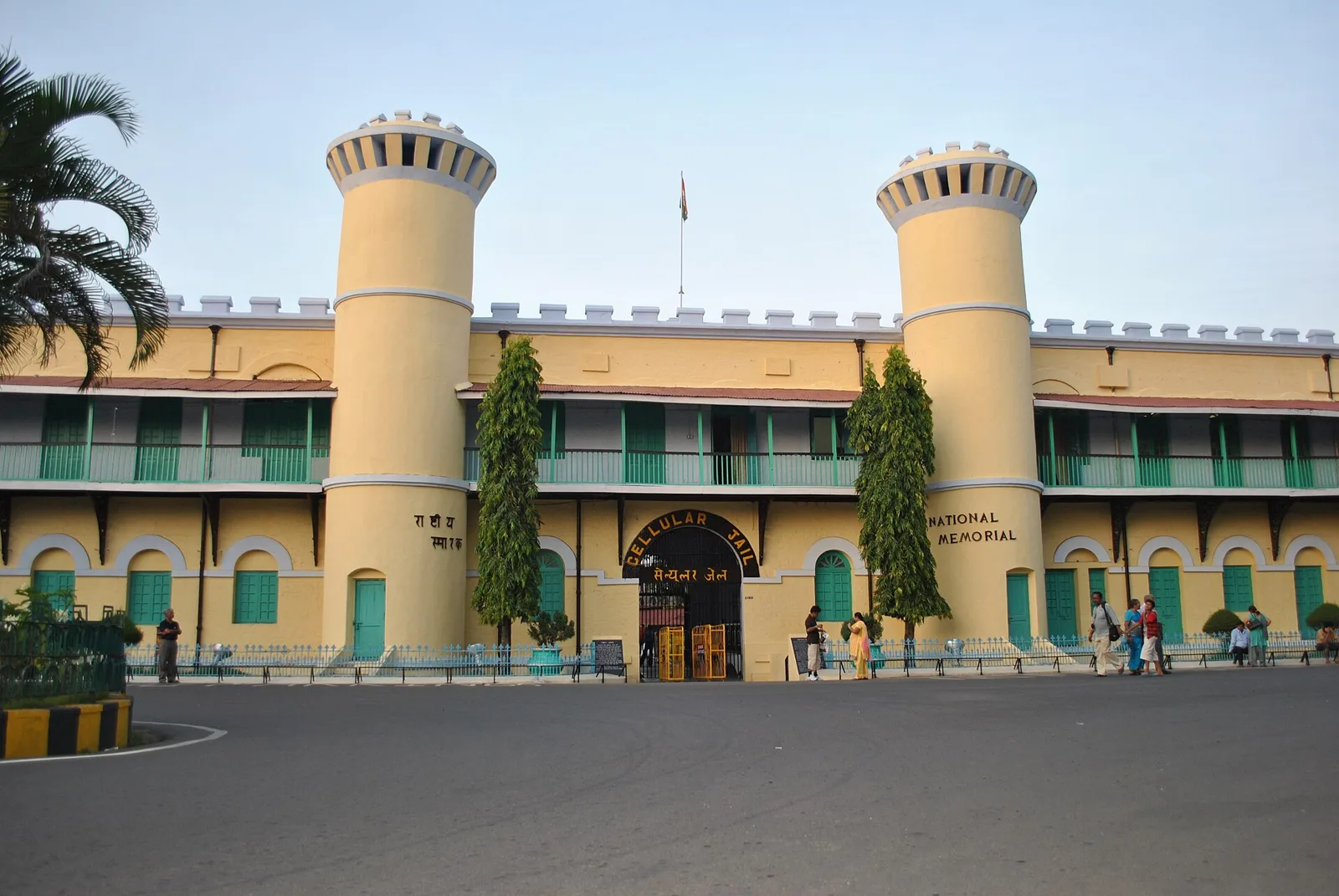
The unique multicultural festive landscape of the Andamans originated in the aftermath of the 1857 War of Independence, when the British East India Company established a penal settlement at Port Blair. Convicts and political prisoners from across undivided India were exiled to the islands. Stripped of caste and regional distinctions in the penal colony, prisoners developed a shared linguistic dialect ('Andaman Hindi') and celebrated religious festivals collectively to find solace and solidarity.

Following Independence and the 1947 Partition, the Government of India rehabilitated thousands of displaced Bengali families in South, Middle, and North Andaman under the Island Development Scheme. Simultaneously, ex-servicemen were settled in Great Nicobar, while labor forces from Tamil Nadu, Andhra Pradesh, and Kerala arrived to build infrastructure. Each community brought their cherished spiritual traditions, establishing mandirs, churches, and gurdwaras that remain vital centers of festive life today.

How it is celebrated

During Durga Puja, over 100 elaborate pandals are erected across Port Blair, Garacharma, Bambooflat, and Diglipur. The Bengali Club in Port Blair, established in 1925, hosts the oldest Durga Puja in the islands. Traditional Dhak drummers are flown in from West Bengal, and four days of pushpanjali, aarati, and cultural programs culminate in grand immersion processions ('Bisharjan') at Haddo Wharf and Chatham Jetty.

Onam is organized by the Kerala Samajam and local island Malayali associations. Homes and public halls are adorned with vibrant 'Pookkalam' (flower carpets), while cultural events feature Thiruvathira dances, Kathakali performances, and the legendary 26-dish 'Onam Sadya' served on banana leaves. Christmas transforms the islands into a winter wonderland; the historic All Saints Church in Port Blair and Catholic churches in Car Nicobar resonate with midnight mass, candlelit processions, and beachside carol singing.

The Cultural Days

The settler festival calendar offers continuous highlights:

Durga Puja Pandal Hopping (Maha Saptami to Navami): Nocturnal tours of illuminated artistic pandals across Port Blair and rural Andaman townships.

Onam Sadya & Pookkalam Contest: Community feasting and floral decoration competitions bringing together thousands of islanders.

Kali Puja & Diwali Lights: Midnight worship of Goddess Kali at Junglighat followed by island-wide lighting of oil lamps and fireworks.

Island Christmas Eve Mass: Midnight choral services, nativity plays, and community cake-cutting across island churches.

The Pilgrimage Days

Settler festivals inspire local island pilgrimages. During Durga Puja and Kali Puja, devotees make pilgrimages to the famous Sri Vetrimalai Murugan Temple and Muthumariamman Temple in Port Blair, as well as the historic Kalighat Temple in Diglipur. During Christmas, Christian families from across the archipelago gather at the Cathedral Church of the Immaculate Conception in Port Blair.

Food and flavours

Settler festivals offer an incredible diversity of regional culinary traditions. During Durga Puja, 'Bhog' consisting of Khichuri, Labra (mixed vegetable stew), Beguni (eggplant fritters), and Payesh is distributed to thousands of devotees.

During Onam, the grand 'Sadya' features Avial, Thoran, Olan, Kaalan, Rasam, and Parippu served with red rice and Ada Pradhaman (rice flake payasam). Christmas feasting features traditional Andaman plum cake, home-brewed grape wine, roast chicken, and seafood curries cooked with fresh coconut milk.

Music, dance, art and dress

Festive dress highlights regional elegance: Bengali women wear white sarees with red borders (Garad/Tant) during Durga Puja, Malayali women wear cream-and-gold Kasavu sarees during Onam, and Tamil families wear silk Pavadas and Dhotis during Pongal.

Music ranges from the rhythmic beat of Bengali 'Dhak' drums and Rabindra Sangeet to Malayali 'Sopana Sangeetham', Tamil Nadaswaram tunes, and Christian gospel carols echoed over ocean breezes.

Where to experience it

Bengali Club & Junglighat, Port Blair: Epicenter of grand Durga Puja and Kali Puja celebrations in South Andaman.

Kerala Samajam, Port Blair: Hosts the grandest Onam Sadya and Malayali cultural pageants in the Union Territory.

Rangat & Diglipur (North & Middle Andaman): Ideal for experiencing authentic rural Bengali and South Indian settler festival traditions.

Visitor guide

  • Getting There: Port Blair is connected by air to major Indian metros. Inter-island buses and government ferries connect Port Blair to Rangat and Diglipur.
  • Where to Stay: Hotels and homestays are widely available in Port Blair, Rangat, and Diglipur. Book early during Durga Puja and Christmas seasons.
  • What to Wear & Pack: Modest traditional or casual clothing suitable for temple/church visits, umbrella for occasional tropical showers, and camera.
  • Etiquette: Respect religious customs at mandirs and churches. Non-Hindus are warmly welcomed to view pandals and receive festival prasad.
  • Safety & Comfort: Festivals are extremely safe and family-friendly. Local police manage traffic and crowd movement efficiently near pandals.

Today and tomorrow

The settler festivals of Andaman and Nicobar Islands stand as a shining national exemplar of secular harmony and cultural integration. Inter-community marriages are common, and youth participation in multi-ethnic festival committees ensures that the spirit of 'Mini-Bharat' thrives unimpaired for future generations.

Nearby

Places to see around the festival