
Ghumoopedia — Explore, Discover, Experience
Sign in

Religious · Kerala

Attukal Pongala

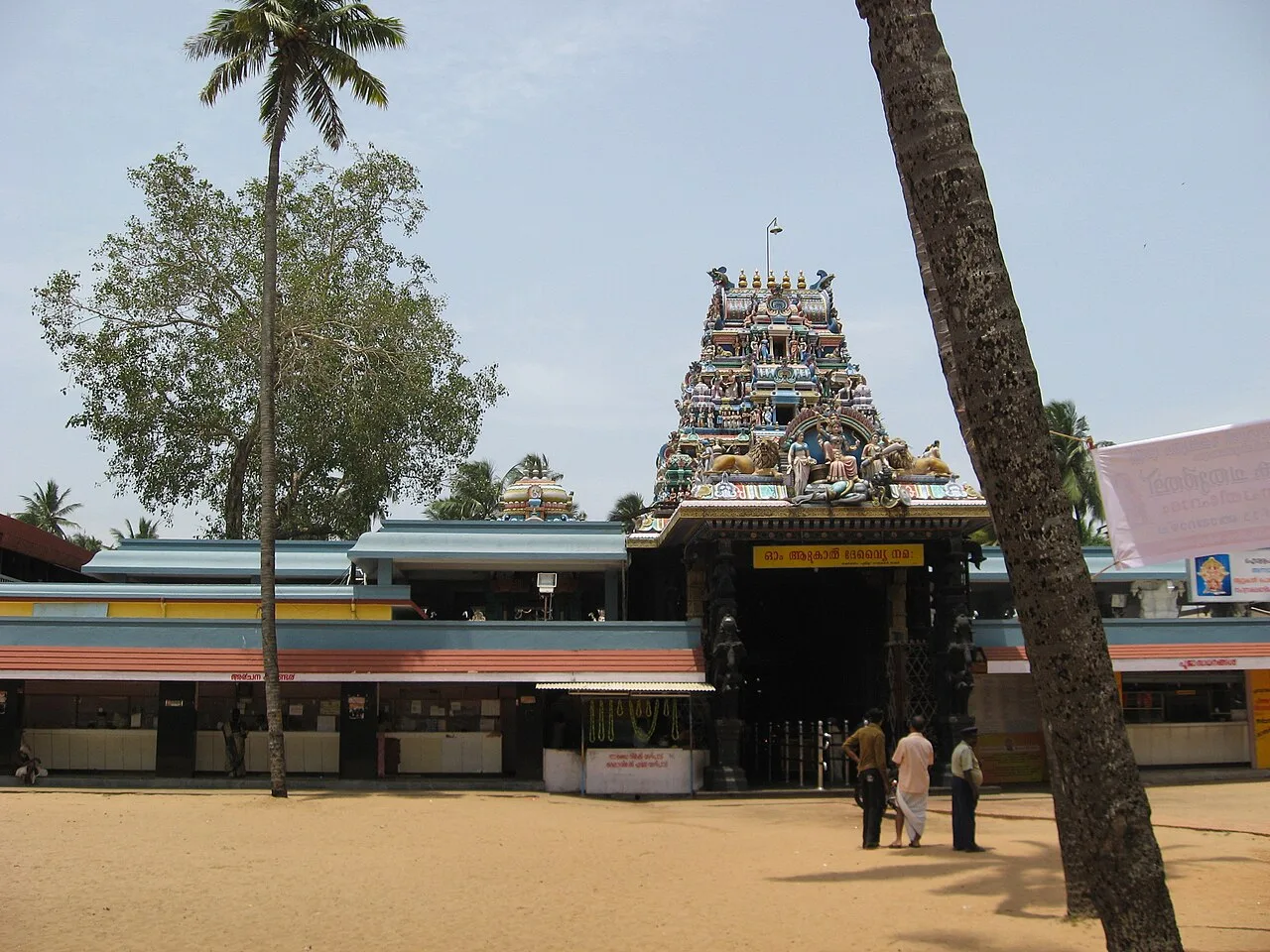
Attukal Bhagavathy Temple, Thiruvananthapuram

Dates

Last verified 17 November 2026. Confirmed: announced by organisers or government. Provisional: from a published almanac, not yet announced. Seasonal: no date announced.

The complete guide

Attukal Pongala: everything to know before you go

Attribute
Details
Also known as
Sabarimala of Women, Women's Kumbh Mela, Attukal Bhagavathy Festival
State & District
Kerala, Thiruvananthapuram District (Centred around Attukal Bhagavathy Temple, TVM)
When
Kumbham month of the Malayalam calendar (February–March), culminating on Pooram star day
Duration
10 Days (with the main Pongala ritual taking place on the 9th day)
Faith & Community
Hinduism (Devoted to Goddess Attukal Bhagavathy; open to women of all backgrounds)
Type
Devotional Ritual, Women-Only Gathering, World Record Religious Assembly
Entry
Free; open public streets across a 10 km radius in Thiruvananthapuram city
Best for
Devotional immersion, cultural photography, witnessing world-record human solidarity

Overview

Attukal Pongala is a record-breaking devotional phenomenon—hailed by the Guinness World Records as the single largest annual gathering of women in the world. Held at the revered Attukal Bhagavathy Temple in Thiruvananthapuram, Kerala, during the month of Kumbham (February–March), the festival sees over 3.5 to 4 million women congregate across a 10-kilometer radius of the capital city to cook a sacred sweet rice offering (Pongala) in earthenware pots over open wood fires.

For nine days, the entire city of Thiruvananthapuram converts into a vast, sacred open-air kitchen. Women from all walks of life—from rural farmers to corporate executives, celebrities, and international pilgrims—occupy footpaths, streets, shop verandas, and residential yards. Operating in perfect discipline and divine unity, they prepare the ritual offering for Goddess Attukal Bhagavathy (an incarnation of Kannaki / Bhadrakali), creating an emotionally profound spectacle of female empowerment, faith, and community service.
Origins and legend

The origin of the festival is linked to the legendary heroine Kannaki, the central figure of the Tamil epic *Silappatikaram*. According to local legend, after destroying the city of Madurai to avenge the unjust execution of her innocent husband Kovalan, an exhausted and grief-stricken Kannaki traveled westward into Kerala.

On her journey, she reached Attukal in Thiruvananthapuram, where she appeared as a small girl to an elderly chieftain of the Mulluveettil family along the Killi River. The old man welcomed the child, who asked for food. Local village women gathered and lovingly cooked sweet rice porridge (Pongala) using clay pots, jaggery, and coconut milk to refresh her. The child then revealed her divine form as Goddess Bhadrakali. The Attukal Bhagavathy Temple was constructed on that spot, and the annual Pongala ritual commemorates the loving hospitality offered by the women to the Goddess.

How it is celebrated

The 10-day festival begins with the ceremonial installation of the deity's idol (Kappukettu). The climax occurs on the 9th day—the Pongala Day. By midnight of the 8th day, women reserve their spots along city footpaths, setting up small hearths built from three bricks.

At 10:30 AM on Pongala morning, the chief priest lights the holy fire (Aduppuvettu) inside the temple sanctum. The flame is passed to the temple hearth (Pandara Aduppu) and subsequently transferred from brick hearth to brick hearth across the entire city within minutes. Millions of women simultaneously boil rice, jaggery, coconut, cardamom, and ghee in their earthenware pots. At 2:30 PM, priests travel in open vehicles across every street, sprinkling holy water (Theertham) and flower petals to bless the millions of steaming pots, after which women pack their blessed prasadam and return home.

The Cultural Days

The 10-day period features vibrant spiritual and cultural traditions:

Kappukettu (Day 1): The inauguration of the festival marked by devotional singing of the Kannaki story (Thottampattu).

Kuthiyotta Vratham: Young boys under 12 years undergo a week-long penance inside the temple, acting as the symbolic soldiers of the Goddess.

The Main Pongala (Day 9): The world-record mass cooking ritual spanning the entire capital city.

Chooral Kuthu & Procession: A grand night procession of the deity on a golden eagle mount (Garuda Vahanam) escorted by Kuthiyottam boys to Manacaud temple.

The Pilgrimage Days

Attukal Temple is popularly known as the 'Sabarimala of Women' because, while women of reproductive age were historically restricted at Sabarimala, Attukal is a sanctuary exclusively dominated by female devotees. Preparing Pongala is considered a deeply transformative vow (Vratham). Women fast, maintain spiritual purity for a week prior, and offer the Pongala to seek health for their families, marriage blessings, and protection from adversity.

Food and flavours

The food associated with Attukal Pongala is purely devotional and cooked in earthen pots over wood fires:

Vella Pongala: Sacred sweet rice cooked with raw rice, melted jaggery, grated coconut, ghee, cardamom, and cashew nuts.

Mandaputtu: Steamed rice flour balls mixed with jaggery and coconut, offered to cure ailments.

Therali (Therayappam): A sweet delicacy made of rice flour, jaggery, and banana, wrapped in aromatic Bay leaves (Vazhanayila) and steamed.

Free Annadanam: City residents, shopkeepers, and youth clubs set up thousands of free water and food distribution centers across the city, feeding millions of devotees for free.

Music, dance, art and dress

The acoustic background of Attukal is dominated by *Thottampattu*—traditional ballad songs recounting the tragic life and divine ascension of Kannaki, sung continuously by hereditary temple bards.

Women dress in simple, comfortable traditional cotton clothes—white or yellow set-sarees, cotton dhotis, or salwar kameez. Wearing natural fabrics is essential as women sit close to open brick hearths for hours.

Where to experience it

Attukal Bhagavathy Temple Precincts: The spiritual core where the Pandara Aduppu is lit.

East Fort & MG Road (Thiruvananthapuram): Major thoroughfares offering panoramic views of millions of women cooking side-by-side.

Visitor guide

Getting There

Thiruvananthapuram Central Railway Station and Central Bus Station are 2 km from the temple. Trivandrum International Airport is 7 km away. Public transport is heavily augmented by special festival trains and buses.

Where to Stay

Hotels in Thiruvananthapuram sell out months in advance. Book accommodation along the city outskirts (Kovalam, Kazhakkoottam) if central rooms are unavailable.

What to Wear and Pack

Women participating should wear 100% natural cotton clothing. Pack sun hats, cotton scarves, wet wipes, and water bottles. Male visitors should remain respectful observers along designated walking paths.

Etiquette

Do not step over or walk dangerously close to women's hearth pots. City residents offer free water, buttermilk, and food to all visitors out of spiritual devotion.

Safety and Comfort

Smoke from millions of hearth fires fills the air by midday; individuals with severe respiratory conditions should wear protective masks or view from elevated buildings.

Today and tomorrow

Attukal Pongala stands as an extraordinary model of municipal management and civic harmony. Immediately after the afternoon blessing, Thiruvananthapuram City Corporation deploys 4,000 sanitation workers who clean up millions of brick hearths and ash within 4 hours, restoring the city to pristine cleanliness before nightfall.

Nearby

Places to see around the festival