
Ghumoopedia — Explore, Discover, Experience
Sign in

Religious · Uttar Pradesh

Bateshwar Fair

Bateshwar, Agra district

Dates

Last verified 17 November 2026. Confirmed: announced by organisers or government. Provisional: from a published almanac, not yet announced. Seasonal: no date announced.

The complete guide

Bateshwar Fair: everything to know before you go

Also known as
Bateshwar Mela, Bateshwar Cattle Fair, Choti Kashi Fair
State & District
Uttar Pradesh — Agra District (Bateshwar Town, Bah Tehsil)
When
October–November (Kartik Purnima Season)
Duration
15–20 Days
Faith & Community
Hinduism (Shaivism, Agricultural & Pastoral Communities)
Type
Rural Livestock Fair, Temple Pilgrimage, Historic Riverfront Fair
Entry
Free open access for pilgrims, visitors, and livestock traders
Best for
Rural heritage lovers, photographers, livestock traders, cultural historians

Overview

Bateshwar Fair, held annually in the historic town of Bateshwar along the banks of the Yamuna River in Agra district, is one of northern India's oldest and largest traditional livestock fairs, second only to the Pushkar Fair in Rajasthan. Situated about 70 km from Agra city near the Chambal sanctuary border, Bateshwar is famous for its extraordinary crescent riverfront lined with a continuous series of 101 white marble and stone Shiva temples built by the Bhadauria Kings between the 15th and 17th centuries.

The fair seamlessly combines deep spiritual devotion with vibrant rural commerce. Hundreds of thousands of farmers, camel herders, horse breeders, and cattle traders from Uttar Pradesh, Rajasthan, Madhya Pradesh, and Haryana camp on the vast Yamuna riverbed. Thousands of horses, camels, bullocks, goats, and elephants are traded during the first week of the fair.

The second week, coinciding with Kartik Purnima, shifts focus to religious pilgrimage. Hundreds of thousands of devotees gather to take holy dips in the Yamuna River, perform Abhishekam at the chief shrine of Bateshwar Nath (Lord Shiva), and light thousands of lamps along the temple steps.
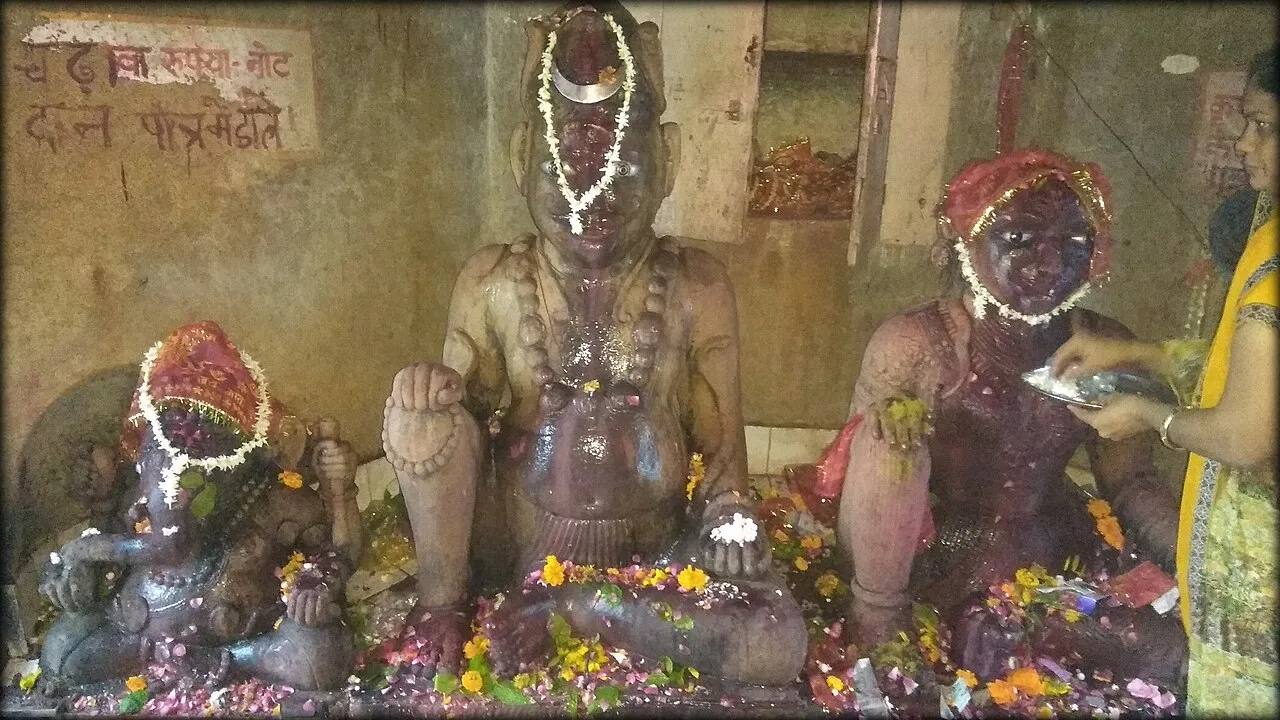
Origins and legend

The spiritual roots of Bateshwar trace back to the epic Mahabharata and the Puranas. The name 'Bateshwar' is derived from *Vat-Ishwar* ('The Lord of the Banyan Tree'), referring to a legendary Banyan tree under which Lord Shiva is believed to have rested. The town is also revered as the ancestral birthplace of Lord Neminatha, the 22nd Tirthankara of Jainism, making it a sacred site for both Hindus and Jains.

Historically, the town was the stronghold of the Bhadauria Rajput dynasty. Maharaja Paramanand Bhadauria in the 17th century diverted the flow of the Yamuna River to form a unique curved embankment, along which he constructed 101 contiguous Shiva temples to protect the region from river erosion and enemy invasions. The cattle fair was established over 400 years ago to encourage regional trade, horse breeding for royal armies, and agricultural prosperity.

How it is celebrated

The fair unfolds in two distinct phases over 20 days. Phase One is dedicated to Livestock Trading. Massive temporary tent cities emerge on the sandy banks of the Yamuna. Breeders showcase high-pedigree Marwari and Kathiawari horses, camels adorned with colorful wool tassels and brass bells, sturdy Haryana bullocks, and goats. Experienced traders conduct live auctions, speed trials for horses, and beauty competitions for camels.

Phase Two centers on Kartik Purnima Pilgrimage. On the full moon night, pilgrims perform *Kartik Snan* in the Yamuna and queue at the central Bateshwar Nath Temple. Devotees offer milk, holy water, Bael leaves, and brass bells to Lord Shiva. A unique tradition at Bateshwar involves offering heavy metal or brass bells (*Ghantas*) to the temple; thousands of bells hang suspended from the temple ceilings, ringing continuously in the river breeze.

The Cultural Days

During the peak fair days, UP Tourism and local Panchayats organize traditional rural sports—including *Kushti* (mud wrestling championships), bullock-cart races, horse trot competitions, and traditional archery.

Evening cultural stages feature *Nautanki* (folk opera), *Alha-Udal* ballad singing celebrating medieval Rajput heroism, *Rai* folk dancing, and magic shows.

The Pilgrimage Days

Pilgrims undertake the 101-temple Parikrama, walking along the continuous stone riverfront promenade that connects all 101 Shiva shrines.

Visitors also travel 10 km to Shauripur, the sacred Jain pilgrimage site marking the birth of Lord Neminatha, visiting historic Digambara and Shvetambara temples.

Food and flavours

Bateshwar Fair offers authentic rustic rural cuisine. A signature local treat is Bateshwar ke Peda—dark roasted, caramelized milk sweets unique to the district.

Fairground stalls serve hot *Bedai-Aloo*, *Baati Chokha* cooked on dried cow-dung embers, *Kachoris*, *Imarti*, *Rabri-Jalebi*, and fresh *Sugarcane Juice*. Farmers prepare traditional *Bajra Roti with White Butter* at their campsites.

Music, dance, art and dress

The fair resounds with *Alha* ballad recitals played on heavy drums, folk songs sung by camel herders, and the deep reverberation of thousands of brass bells hanging in temple corridors.

Attire reflects vibrant rural fashion: men wear traditional Rajasthani and Braj dhotis, colorful turbans (*Pagris*), and embroidered leather shoes (*Juttis*); women wear mirror-studded *Ghagra-Cholis* and silver anklets (*Kadas*).

Where to experience it

The festival takes place at Bateshwar Temple Riverfront and the adjacent Yamuna Riverbed Fairgrounds, in Bah Tehsil, Agra District.

Visitor guide

Getting there

Bateshwar is located 70 km southeast of Agra city and 10 km from Bah. It is connected by road via the Agra-Bah State Highway. The nearest major railway station is Agra Cantt (75 km) or Shikohabad Junction (30 km). Taxis and local buses run frequently from Agra.

Where to stay

Accommodation in Bateshwar town includes basic Dharamshalas and eco-lodges near the Chambal Sanctuary (such as Mela Kothi - Chambal Safari Lodge at Jarar, 15 km away). Most tourists visit as a day trip from Agra city hotels.

What to wear & pack

Late autumn brings warm days and chilly nights (14°C–28°C). Wear comfortable dusty-terrain walking shoes, sun hat, sunglasses, warm evening layers, and carry sufficient cash (ATMs are limited).

Etiquette

Ask permission before photographing livestock traders and their animals. Respect temple traditions when entering the Bateshwar Nath sanctum—remove shoes and leather belts.

Safety & comfort

The riverbed terrain is sandy and dusty; carry dust masks if sensitive. Stay cautious around large livestock (horses and camels) in trading rings.

Today and tomorrow

Bateshwar Fair is increasingly recognized as a prime destination for eco-tourism and heritage preservation, given its proximity to the National Chambal Sanctuary (famous for gharials, dolphins, and migratory birds). Archaeological Survey of India (ASI) has undertaken major restoration of the 101 riverfront temples.

Future initiatives focus on integrating the cattle fair with eco-safaris along the Chambal River, developing riverfront promenades, and promoting rural craft bazaars to sustain local livelihoods.

Nearby

Places to see around the festival