
Ghumoopedia — Explore, Discover, Experience
Sign in

Fair & Mela · Dadra & Nagar Haveli and Daman & Diu

Bhavada Fair

Rural centres of Dadra and Nagar Haveli

Dates

Last verified 17 November 2026. Confirmed: announced by organisers or government. Provisional: from a published almanac, not yet announced. Seasonal: no date announced.

The complete guide

Bhavada Fair: everything to know before you go

When
Typically held in the post-monsoon to early winter period; dates vary by locality (September–December)
Where
Rural centers in Dadra and Nagar Haveli and adjacent districts
Who takes part
Tribal and rural communities; attracts regional visitors and traders
Type
Seasonal fair combining trade, ritual, entertainment and social exchange

Overview

Bhavada is a traditional fair where local artisans, farmers and traders gather to sell goods, exchange news, and participate in cultural performances. It functions both as an economic marketplace and a social festival, providing opportunities for matchmaking, dispute resolution and ritual observance.
Origins and legend

Fairs like Bhavada originate from periodic market assemblies timed to harvest and travelability of rural roads after the monsoon. Local legends often attach a patron deity or healing shrine to the fairground; these stories vary by village and reinforce the fair’s communal importance.

How it is celebrated

  • Market stalls and itinerant traders sell agricultural implements, clothing, beads, metalware and household goods.
  • Rituals at a temple or sacred grove: offerings and short pujas to local deities for protection and prosperity.
  • Cultural program: folk dances, music performances and sometimes theatrical sketches or puppet shows.
  • Social activities: matchmaking events, sports (wrestling or local games) and communal feasts.

Food and flavours

Street-food style offerings and seasonal produce dominate: roasted corn, pakoras, fried sweets, local kheer and regional variations of steamed and fried snacks. Savoury chutneys, tamarind-based sauces and jaggery sweets are common; vendors may also sell smoked or dried fish in communities where available.

Music, dance, art and dress

Music and dance reflect tribal and rural traditions: drum-led ensembles, call-and-response songs, and participatory group dances. Artisans display beadwork, brassware and handloom textiles. Attire tends to be practical village clothing, with women often wearing colourful skirts or sarees and traditional jewellery that signals community identity.

Where to experience it

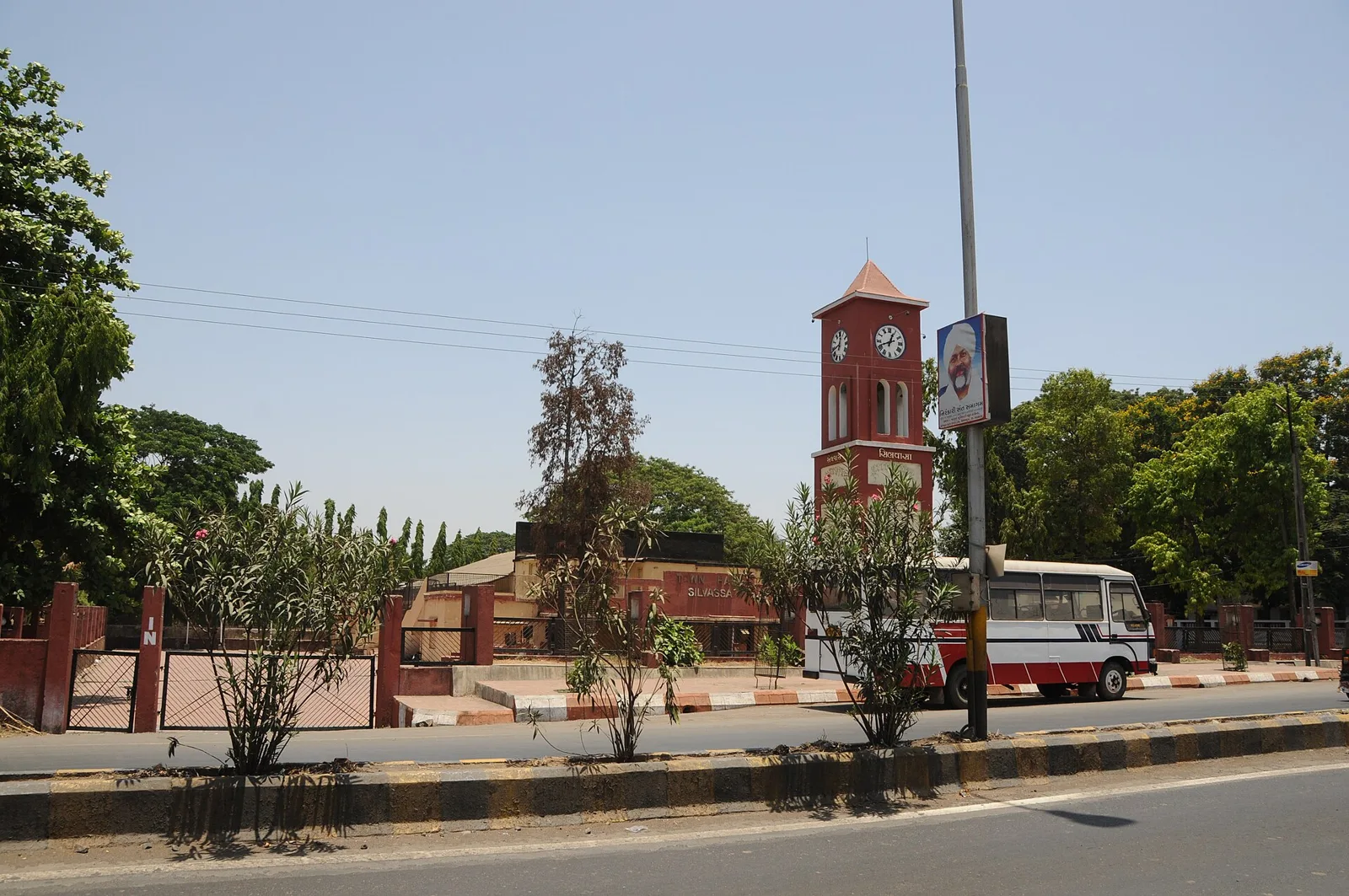
Bhavada fairs appear at village centres and taluka market towns within Dadra and Nagar Haveli. Check local calendars published by the district cultural office or enquire at Silvassa’s tourism desk for confirmed dates and locations.

Visitor guide

  • Arrive early to see market setup and catch key rituals. Many stalls close by dusk.
  • Bargain politely — haggling is expected for many goods.
  • Observe hygiene practices when sampling street food; choose busy vendors with high turnover.
  • Use the fair as an opportunity to buy local crafts directly from makers; this supports livelihoods.

Today and tomorrow

Bhavada fairs remain economically and socially important, though some have shrunk with urban migration and the growth of permanent markets. Efforts by local administrations and NGOs to showcase handicrafts and support micro-enterprises can revitalise fairs by connecting artisans to wider markets while preserving cultural practices.

Nearby

Places to see around the festival