
Ghumoopedia — Explore, Discover, Experience
Sign in

Cultural · Telangana

Bonalu

Hyderabad and Secunderabad

Dates

Last verified 17 November 2026. Confirmed: announced by organisers or government. Provisional: from a published almanac, not yet announced. Seasonal: no date announced.

The complete guide

Bonalu: everything to know before you go

Also known as
Ashada Bonalu, Mahankali Jatara, Secunderabad Lashkar Bonalu, Golconda Bonalu
State & Districts
Telangana (Hyderabad, Secunderabad, Rangareddy, Medchal-Malkajgiri)
When
Ashada Masam (July–August; celebrated across four consecutive Sundays)
Duration
4 Weeks (Main events on Ashada Sundays and Mondays)
Faith & Community
Hindu / Mother Goddess Worship (Shakti tradition, celebrated statewide)
Type
State Festival, Thanksgiving & Health Ritual, Folk Carnival
Entry
Free; Public temple processions and street festivals
Best for
Potharaju trance dances, Rangam prophecies, painted brass Bonam pots, traditional percussion

Overview

Bonalu is a vibrant, deeply revered folk festival of Telangana celebrated during the monsoon month of Ashada (July–August), dedicated to the worship of Mahankali, the Mother Goddess in her various powerful manifestations including Yellamma, Mysamma, Pochamma, and Peddamma. The word 'Bonam' is derived from 'Bhojanam', meaning a meal or feast offered to the deity. Women carry decorated brass or earthenware pots stacked with cooked rice, jaggery, milk, and curd, topped with neem leaves, turmeric, kumkum, and a lit oil lamp, balancing them effortlessly on their heads as they walk in solemn yet ecstatic processions toward Mahankali temples. The festival serves as a collective thanksgiving ritual and a prayer to protect the city and its inhabitants from epidemics, infectious diseases, and monsoon afflictions. Celebrated over four consecutive Sundays across different zones of the twin cities—starting at Golconda Fort, moving to Secunderabad Lashkar, continuing to Old City Lal Darwaza, and concluding with citywide temple immersions—Bonalu combines intense spiritual devotion with dramatic folk theatre featuring Potharaju whip-cracking dancers, neem-clad priestesses, and the famous Rangam oracle prophecies.
Origins and legend

The historical origins of Bonalu in the twin cities date back to the major cholera epidemic of 1813 that devastated Hyderabad and Secunderabad. According to historical accounts, a military regiment of the Nizam's Army stationed in Ujjain, Madhya Pradesh, prayed to Goddess Mahankali for the deliverance of their hometown from the plague, promising to install an idol of Goddess Mahankali in Secunderabad upon their safe return. When the epidemic subsided, the soldiers fulfilled their vow by establishing the Sri Ujjaini Mahakali Temple in Secunderabad in 1815 and instituting the annual offering of Bonalu.

At a deeper mythological level, Bonalu is celebrated as the annual homecoming of Goddess Mahankali to her parental abode during the month of Ashada. Just as a married daughter is welcomed home with affection and rich feasts, devotees treat the Goddess as a beloved daughter returning home, serving her special cooked delicacies, turmeric water, neem leaves, and coconut. The ritual presence of neem leaves (Azadirachta indica) highlights ancient epidemiological wisdom, as neem contains potent antiviral and antibacterial properties essential for combating diseases prevalent during the Indian monsoon.

How it is celebrated

Bonalu unfolds across four distinct Sundays of the Ashada month, creating a month-long carnival atmosphere across Hyderabad and Secunderabad:

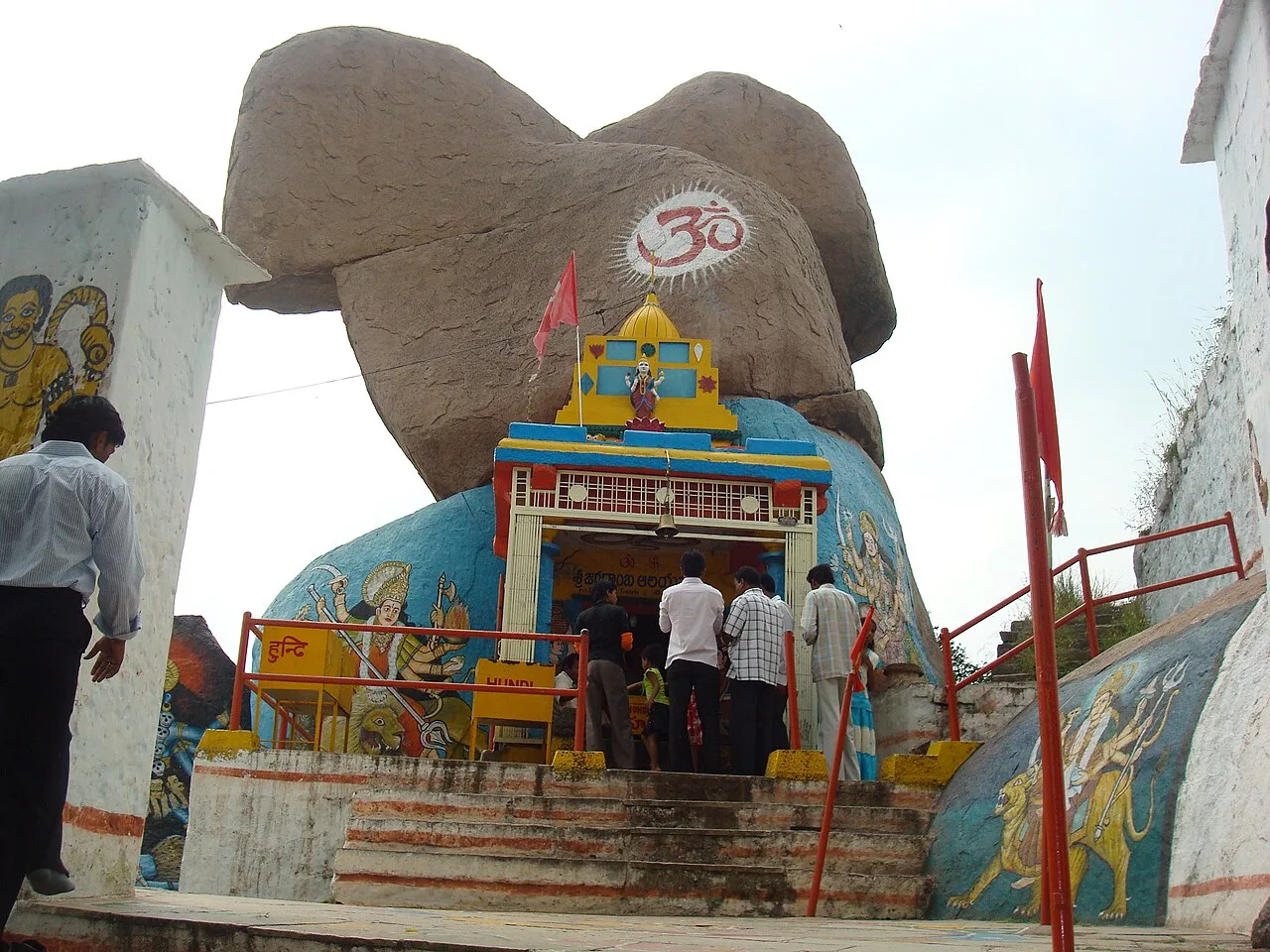
• First Sunday: Jagadamba Temple at Golconda Fort — The festival commences at the historic hilltop fort, where royal offerings (Thotela) and first Bonalu are submitted to Goddess Jagadamba.

• Second Sunday: Sri Ujjaini Mahakali Temple in Secunderabad — The massive 'Lashkar Bonalu' draws lakhs of devotees carrying brass Bonam pots, followed by the Monday Rangam oracle ceremony.

• Third Sunday: Matheswari Temple at Lal Darwaza & Old City Temples — The grandest cultural processions feature traditional elephant parades, brass bands, and thousands of women carrying lit Bonam pots.

• Fourth Sunday: Concluding Bonalu & Ghatam Immersions — Celebrated at Akkanamadanna temple and neighborhood shrines across Hyderabad, culminating in the ceremonial immersion of sacred copper pots (Ghatams).

The Cultural Days

The key ritual highlight of Bonalu occurs on the Monday following each major festival Sunday, known as 'Rangam' (The Oracle) and 'Ghatam Potharaju Procession'. During Rangam, an unmarried young woman stands atop an unbaked earthen pot in front of the sanctum sanctorum of the temple. Entering a divine trance, she acts as the mouthpiece of Goddess Mahankali, delivering prophecies regarding the coming year's rainfall, agricultural harvest, public health, and city prosperity while answering questions posed by temple priests and municipal officials.

The Pilgrimage Days

Devotees embark on citywide pilgrimages across the major Shakti shrines of Hyderabad. The Sri Ujjaini Mahakali Temple in Secunderabad and the Lal Darwaza Mahankali Temple in the Old City serve as the primary epicenters of pilgrimage. Lakhs of barefoot pilgrims line up from midnight on Saturday to offer their Bonalu pots. The atmosphere is electrified by the thunderous beats of 'Dappu' drums, incense smoke, and the dramatic entrances of Potharaju—the fierce brother of the Goddess—who dances barefoot with a whip in hand, smeared with turmeric and kumkum, protecting the women carrying Bonalu from evil spirits.

Food and flavours

The central culinary feature of the festival is the 'Bonam' pot itself. Women cook a special mixture of raw rice, milk, jaggery, and cardamom in a new earthen or brass pot. Once cooked, the pot is adorned with neem sprigs, turmeric paste, and vermillion dots, topped with a small clay lamp lit with ghee. In addition to the sweet Bonam, devotees offer 'Bali' or non-vegetarian feasts (mutton curry, fried fish, chicken cooked with local spices) to local village guardian deities like Mysamma and Pochamma after completing ritual offerings at the temple.

Music, dance, art and dress

Bonalu is famous for its high-energy folk performance traditions. The 'Potharaju' dancer is the ultimate icon of Bonalu: painted in bright yellow turmeric and red kumkum, wearing a red dhoti, bell-anklets, and wild hair, he cracks a heavy leather whip while dancing wildly to the rapid beats of the 'Dappu' (traditional Telangana flat drum). Women wear bright silk saris, decorate their faces with turmeric paste and large kumkum bindis, and carry elevated floral towers or lit brass pots. Colorful paper-and-bamboo structures called 'Thotela' are carried as votive offerings to the temple.

Where to experience it

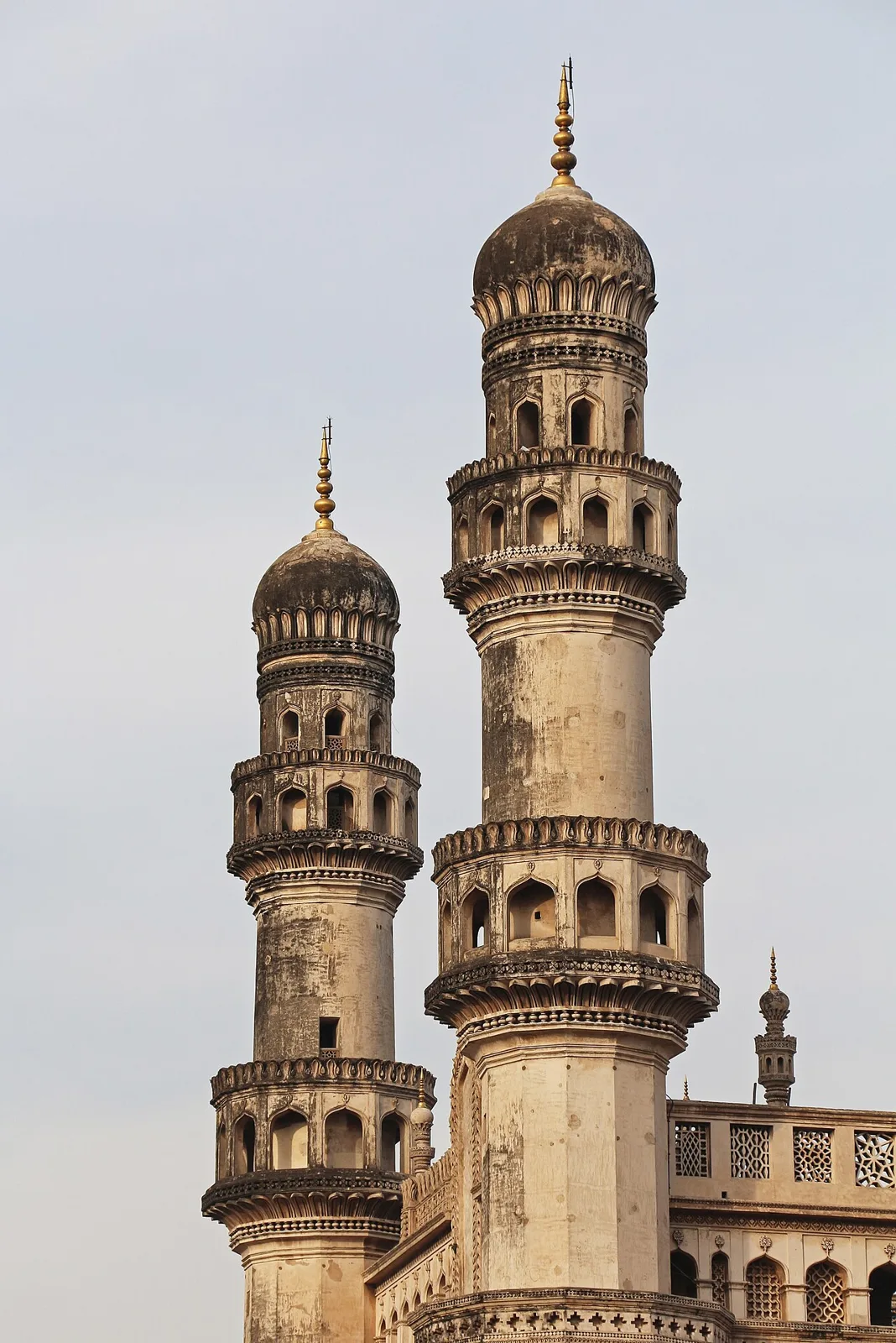
The absolute best location to witness Lashkar Bonalu is Secunderabad's Sri Ujjaini Mahakali Temple on the second Sunday of Ashada month. For the grand historical procession featuring decorated elephants, traditional folk troupes, and Potharaju groups, visit Lal Darwaza in the Old City of Hyderabad on the third Sunday and Monday.

Visitor guide

  • Getting There: Secunderabad Railway Station is adjacent to Ujjaini Mahakali Temple; Rajiv Gandhi International Airport is 35 km away.
  • Where to Stay: Stay in Secunderabad (Clock Tower area) or Central Hyderabad (Abids, Lakdikapul) for easy access to temple zones.
  • What to Wear & Pack: Wear lightweight cotton clothes due to humid monsoon weather. Slip-on footwear is recommended as shoes must be left outside temples.
  • Etiquette: Keep safe distance from whip-cracking Potharaju performers. Maintain respectful silence during the Rangam oracle prophecy.
  • Safety & Comfort: Lakhs of devotees flood narrow temple lanes; utilize metro services (Secunderabad West / MGBS) to bypass street blockades.

Today and tomorrow

Declared a State Festival alongside Bathukamma, Bonalu receives substantial government infrastructure support, traffic management, and media broadcasting. The festival has emerged as a premier cultural spectacle showcasing Telangana's indigenous folk arts, drum music, and matriarchal spiritual heritage, attracting photographers and documentary filmmakers from around the world.

Nearby

Places to see around the festival