
Ghumoopedia — Explore, Discover, Experience
Sign in

Religious · Sikkim

Bumchu

Tashiding Monastery, West Sikkim

Dates

Last verified 17 November 2026. Confirmed: announced by organisers or government. Provisional: from a published almanac, not yet announced. Seasonal: no date announced.

The complete guide

Bumchu: everything to know before you go

Fact Card Property
Details
Also known as
Bhumchu, Tashiding Holy Water Vase Festival
Where
Sikkim (Gyalshing District, West Sikkim: Tashiding Monastery)
When
February / March (14th & 15th days of 1st Tibetan Lunar Month)
Duration
2 days
Who takes part
Nyingma School of Tibetan Buddhism; Sikkimese & International Buddhist Pilgrims
Type
Sacred Prophetic, Miracle & Pilgrimage Ritual Festival
Entry
Free
Best for
Unsealing the 8th-century sacred water vase, annual fortune prophecy, receiving blessed holy water drops

Overview

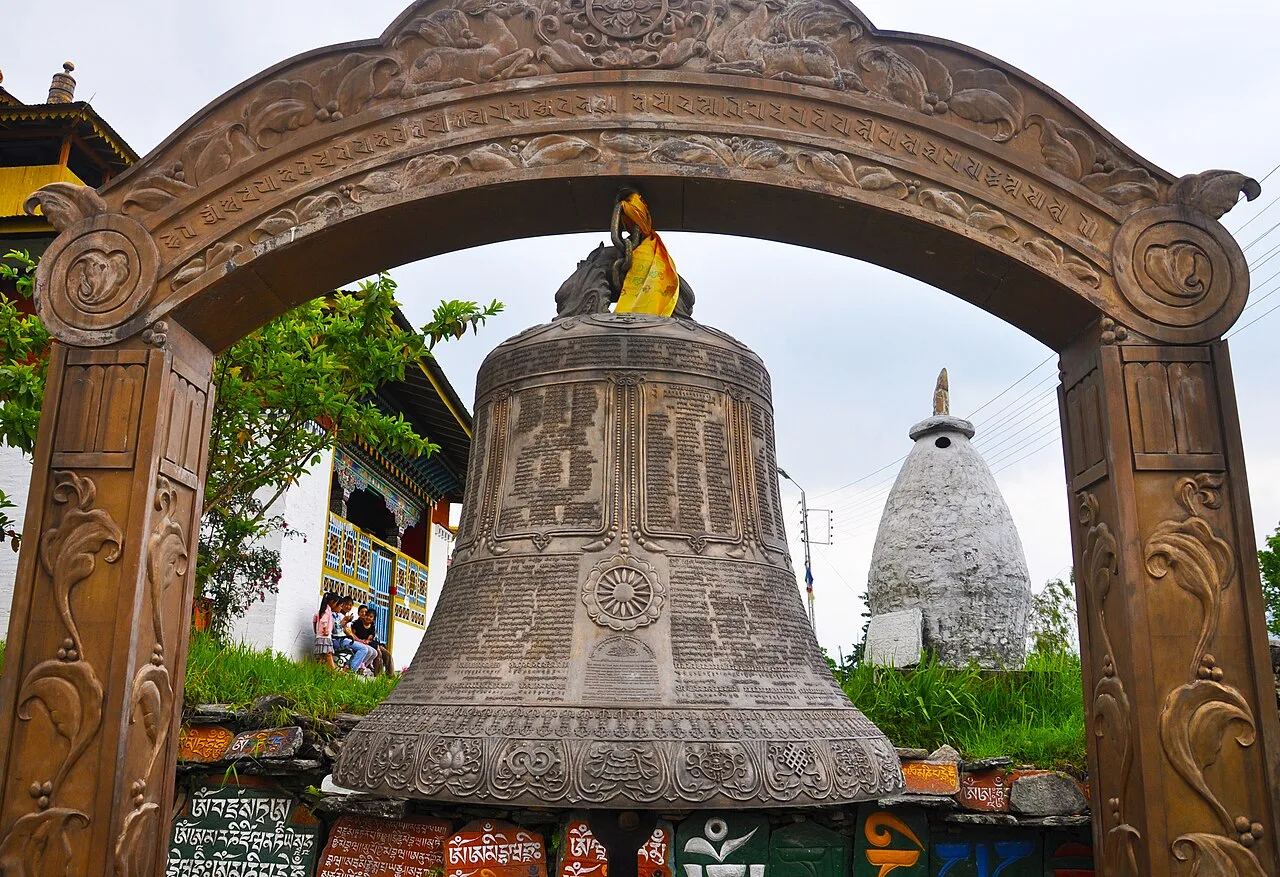
Bumchu, celebrated at the sacred Tashiding Monastery in West Sikkim, is one of the most mystical, revered, and extraordinary spiritual festivals in the entire Himalayan region. Derived from the Tibetan words 'Bhum' meaning pot or vase and 'Chu' meaning water, Bumchu revolves around a miraculous 8th-century sacred vase containing holy water blessed by Guru Padmasambhava himself. Held annually on the 14th and 15th days of the first Tibetan lunar month (falling in February or March), the festival draws tens of thousands of pilgrims from across Sikkim, Bhutan, Nepal, Darjeeling, and Sri Lanka. Tashiding Monastery, perched dramatically on a hilltop overlooking the confluence of the Rathong Chu and Rangeet rivers, is believed in Buddhist cosmology to be the spiritual heart of Sikkim—a sacred place so holy that merely beholding its chortens is said to cleanse all lifetime sins. The festival's climax is the unsealing of the sacred vase by senior monks at midnight. The exact water level inside the vase serves as a divine prophecy, predicting whether the coming year will bring peace and prosperity, or be fraught with floods, droughts, famines, or epidemics.
Origins and legend

The origin of the sacred Bumchu vessel dates back over twelve centuries to the 8th century CE in Tibet, during the reign of King Trisong Detsen. The great Indian tantric master Guru Padmasambhava (Guru Rinpoche) conducted a holy Sadhana ritual using a sacred vase brought from India. Guru Rinpoche blessed the water inside the vessel, which miraculously overflowed as a divine sign of abundance, causing earthquakes and a shower of flowers from celestial deities. Guru Padmasambhava subsequently concealed the sacred vase as a 'Terma' (hidden treasure) in Sikkim, specifically at Tashiding, declaring it the spiritual center of the land. In the 17th century, Ngadak Sempa Chempo, one of the three patron lamas who consecrated the first Chogyal of Sikkim, rediscovered the hidden vase and established Tashiding Monastery. Later, in the 18th century under Chogyal Chakdor Namgyal, the annual Bumchu ritual was formalized. According to Sikkimese religious lore, the water level in the sealed vase never evaporates nor spoils, maintained by divine guardians as a living gauge of cosmic order.

How it is celebrated

The Bumchu festival is executed with strict ritual precision under the guidance of senior Nyingma lamas. On the night of the 14th lunar day, after hours of intense prayer and chanting, the yellow silk seals of the sacred vessel are inspected by monastery officials and broken open in the presence of high lamas. The water level is meticulously measured: if the water is filled to the brim, it foretells a year of global peace and agricultural prosperity; if it spills over, it warns of floods and natural disasters; if it is low or nearly dry, it portends drought and famine. Following the measurement, monks extract exactly seven cups of holy water from the vase. This water is mixed with pure river water drawn from the sacred Rathong Chu river and distributed drop-by-drop to the thousands of waiting pilgrims. To replenish the vase, seven fresh cups of Rathong Chu water are poured back in, and the vessel is reverently re-sealed with silk and clay, kept under strict guard until the following year.

The Cultural Days

While fundamentally a solemn spiritual event, Bumchu creates a vibrant cultural atmosphere on the Tashiding hill. A bustling fairground springs up along the winding mountain path leading up to the monastery. Local farmers, Tibetan traders, and handicraft artisans erect stalls selling prayer beads, brass singing bowls, butter lamps, hand-woven carpets, and Sikkimese organic produce. Families reunite on the hill slopes, sharing meals, singing folk songs, and celebrating their shared Buddhist heritage.

The Pilgrimage Days

Bumchu is the quintessential pilgrimage experience in Sikkim. Devotees endure freezing winter nights, queuing up in miles-long lines that snake down the Tashiding ridge, patiently waiting for hours to receive a single drop of the blessed Bumchu water. Pilgrims believe that tasting or applying a drop of this sacred water purifies negative karmic defilements, heals physical ailments, wards off evil spirits, and ensures a favorable rebirth in the next life. Devotees also perform Kora around the sacred 'Thongwa Rangdol' chorten, which promises liberation upon sight.

Food and flavours

Food during Bumchu caters to the thousands of weary pilgrims ascending the Tashiding hill. Temporary tea stalls serve endless cups of steaming 'Suja' (salted butter tea) and hot sweet tea. Pilgrim meals consist of piping hot 'Thukpa' (noodle soup), steamed vegetable momos, fried 'Khapse' pastries, boiled potatoes dipped in fiery 'Timmur' (Sichuan pepper) chutney, and 'Sel Roti'. Monasteries distribute free blessed rice and lentil soup ('Khichdi') to pilgrims.

Music, dance, art and dress

The atmosphere at Tashiding is defined by the deep, resonant chanting of Nyingma monks reciting the Vajra Guru mantra. Monastic musicians play 'Gyaling' (oboe-like flutes), 'Rungchen' (long brass trumpets), and 'Damaru' (hand drums), creating a surreal auditory landscape. Devotees dress in warm traditional Bakhu gowns, carrying prayer wheels and rosary beads.

Where to experience it

The sole venue for this extraordinary festival is Tashiding Monastery, located in West Sikkim (Gyalshing District), perched atop a high ridge between the Rathong Chu and Rangeet rivers.

Visitor guide

Getting there

Tashiding is located 100 km from Gangtok (4-hour drive) and 40 km from Ravangla or Gyalshing. The nearest major railhead is New Jalpaiguri (128 km). Shared and private taxis run from Ravangla, Pelling, and Gyalshing to Tashiding village.

Where to stay

Accommodations in Tashiding village consist of simple local homestays and basic guesthouses. Many visitors prefer staying in hotels in Ravangla (40 km) or Pelling (45 km) and driving to Tashiding early in the morning.

What to wear and pack

February and March nights at Tashiding are cold (3°C–8°C). Pack warm thermal innerwear, down jackets, woollen caps, gloves, a reliable headlamp or flashlight for the night queue, and sturdy walking shoes.

Etiquette

Maintain a serene, patient demeanor while standing in the long pilgrim queue. Remove shoes before entering the main shrine hall where the sacred vase is displayed. Never touch or photograph the sacred vase directly without permission.

Safety and comfort

The 1 km uphill walk from the taxi drop-off point to Tashiding Monastery is steep; pace yourself. Carry drinking water and basic personal medication.

Today and tomorrow

Bumchu remains one of the most untainted, deeply spiritual events in the Himalayas, untouched by commercialization. The annual water prophecy continues to be followed with intense interest by regional meteorologists, environmentalists, and community elders as a sacred weather barometer for the Eastern Himalayas.

Nearby

Places to see around the festival