Ghumoopedia — Explore, Discover, Experience
Sign in

Cultural · Chandigarh

Chandigarh Carnival

Sector 17 Plaza and Leisure Valley

Dates

Last verified 17 November 2026. Confirmed: announced by organisers or government. Provisional: from a published almanac, not yet announced. Seasonal: no date announced.

The complete guide

Chandigarh Carnival: everything to know before you go

Also known as
Chandigarh Carnival; Chandigarh Utsav (in some years' publicity)
State and district
Chandigarh (Union Territory); main venues have included Sector 17 and the parade areas of the city
When
November, usually over a weekend, with dates announced each year
Duration
About 2–3 days
Faith and community
Secular; open to all
Type
Civic and cultural festival
Entry
Mostly free; some shows may charge
Best for
A street parade, cultural performances, music, food stalls, a lively city festival atmosphere

Overview

The Chandigarh Carnival is the city's big public celebration, held in November when the weather is pleasant and the days are bright and cool. For a few days, the city's main public spaces, especially the plaza at Sector 17 and the surrounding avenues, are given over to a street parade, stage shows, food courts, exhibitions and games. Floats, folk performers, school bands, theatre groups and students in costume march through the streets, and tableaux show the culture of India's states. In the evenings, singers and bands perform on open-air stages, and lights decorate the plaza and nearby buildings. The carnival is organised by the Chandigarh Administration and Chandigarh Tourism with the help of cultural bodies, and it aims to bring the people of the city together and to attract visitors from Punjab, Haryana, Himachal Pradesh and Delhi. It is friendly, loud and family-oriented, and it reflects the city's modern, cosmopolitan character. The exact programme changes from year to year, so check the latest announcements.
Origins and legend

The carnival has no mythological story, since it is a civic festival rather than a religious one. It arose from the city's own identity. Chandigarh is a young city, designed in the 1950s, with residents who came from different parts of Punjab and India, and it has no centuries-old festival of its own. As the city grew, the administration and local groups wanted a festival that would belong to all residents, regardless of religion, region or language, and that would celebrate the city and its culture. The carnival was one of the answers, borrowing the idea of a public parade, music and festivities from the carnival tradition around the world, and giving it a local flavour.

Over the years, the festival has taken different forms. In some years it was a multi-day event with a grand parade and a long cultural programme, and in others it was a smaller affair, depending on funds, the weather and public health concerns. It has also been linked with other city events, such as the celebration of the city's foundation, and with campaigns such as environmental awareness and road safety. The festival is thus best understood as a changing civic tradition rather than a fixed ritual. What stays constant is the idea of a shared celebration in public space, where people of all ages can come together, see performances and enjoy the city at its liveliest.

How it is celebrated

The carnival usually begins with an inaugural parade, in which floats, school bands, folk dancers, cultural troupes, cyclists and people in costume move through the main roads. Parade participants wear bright costumes and masks, and the route is lined with spectators. Following the parade, the main plaza and other venues host performances, with stage shows in the afternoon and evening. Food stalls, handicraft stalls and fun games for children are set up throughout the area, and shops and offices are decorated with lights. Some editions include a fancy dress competition, a kite or balloon display, a heritage walk or a vintage car show. The carnival ends with a closing show, sometimes with a headline performance by a well-known singer or band and a display of fireworks or lights. Throughout, there is a strong police and traffic arrangement to manage crowds.

The cultural days

The cultural programme at the Chandigarh Carnival is wide-ranging. Folk dances from Punjab, Haryana, Himachal Pradesh, Rajasthan and other states are performed by troupes in colourful costume, and classical dancers and musicians present Kathak, Odissi and Hindustani vocal music. Local colleges and universities, such as Panjab University, contribute theatre, street plays, bands and dance teams, and schools take part in parades and competitions. Evening concerts feature popular singers, Sufi and qawwali groups, rock bands and DJ nights, and children's shows include magic, puppetry and circus acts. Stalls display crafts from different states, and special exhibitions highlight topics such as heritage, cleanliness and road safety. Some years have also included a food festival, poetry readings and photography exhibitions. The programme appeals to a mix of ages, which is the point of a carnival that belongs to the whole city.

The parade days

The carnival is not a pilgrimage, so this section describes the parade, which is its main spectacle. The parade is a procession of floats and groups moving along the main roads, usually starting from a central point and ending at the main plaza. Floats show themes such as the city's history, the states of India, environmental protection or social causes, and are decorated with flowers, fabric and lights. Brass bands play, folk dancers perform on the move, and students in fancy dress, on stilts or on cycles join in. Sports groups, such as martial arts clubs and cycling teams, sometimes take part. Spectators line the pavements and balconies, and the route may include stops where groups perform for the crowd. The parade day is usually the busiest, and it is best to find a spot early and expect road closures.

Food and flavours

Food at the carnival reflects the city's mixed population and its love of street food. Stalls offer the full range of Punjabi and North Indian fare: chole bhature, aloo parathas, amritsari kulcha, butter chicken and tandoori items, dal makhani, paneer tikka and lassi. Chaat stalls serve golgappe, papdi chaat and aloo tikki, and the cooler weather brings out makki di roti with sarson da saag, gajar halwa, jalebi, gajak and rewri. Younger visitors enjoy momos, noodles, burgers, pizzas and waffles, and the carnival often has stalls from the city's popular cafes and restaurants. Hot drinks such as tea, coffee and chocolate are popular in the evening. Many stalls offer food from other states, such as South Indian dosas and Rajasthani dal baati. Prices are higher than in normal shops, and queues can be long, so it is a good idea to go early, choose busy stalls, and carry bottled water.

Music, dance, art and dress

The music of the carnival is as varied as the city. In the parade you hear brass bands, the dhol and nagara, and groups playing folk instruments. On stages, folk singers perform to the beat of the dholak and tumbi, classical musicians play sitar, tabla and harmonium, and rock and pop bands play guitar-based songs. Qawwali and Sufi groups often draw large crowds. Dance ranges from bhangra and giddha to hip-hop, with competitions and open dance floors in some years.

Art includes the floats, murals and painted installations, as well as exhibitions of photography and sculpture, and the city's own architecture forms a distinctive backdrop. Costumes are an important part of the show: folk dancers in traditional dress, children in fancy dress, and parade participants in themed costumes. Visitors often wear festive or casual clothes, and warm layers are needed as the evening cools. The mix of traditional and modern dress reflects the city itself.

Where to experience it

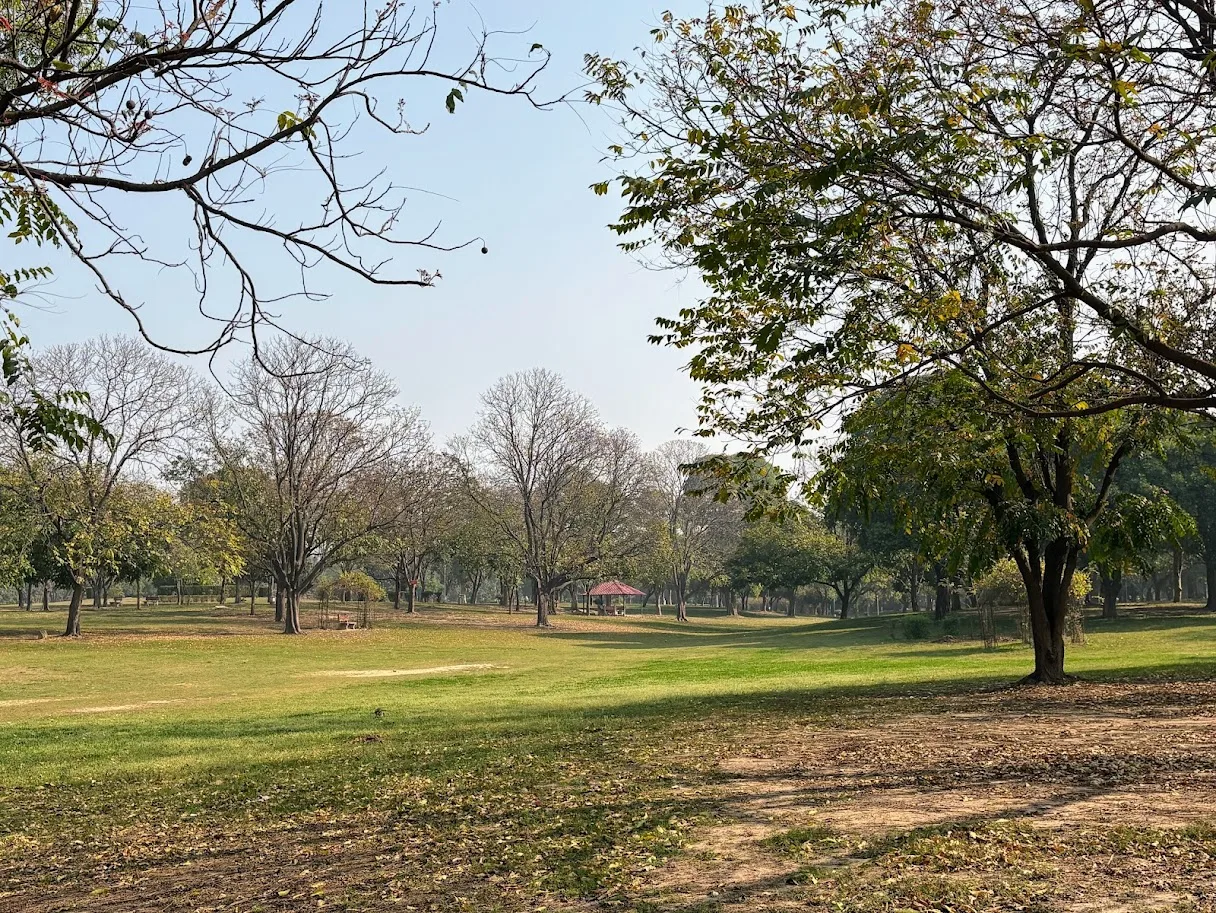
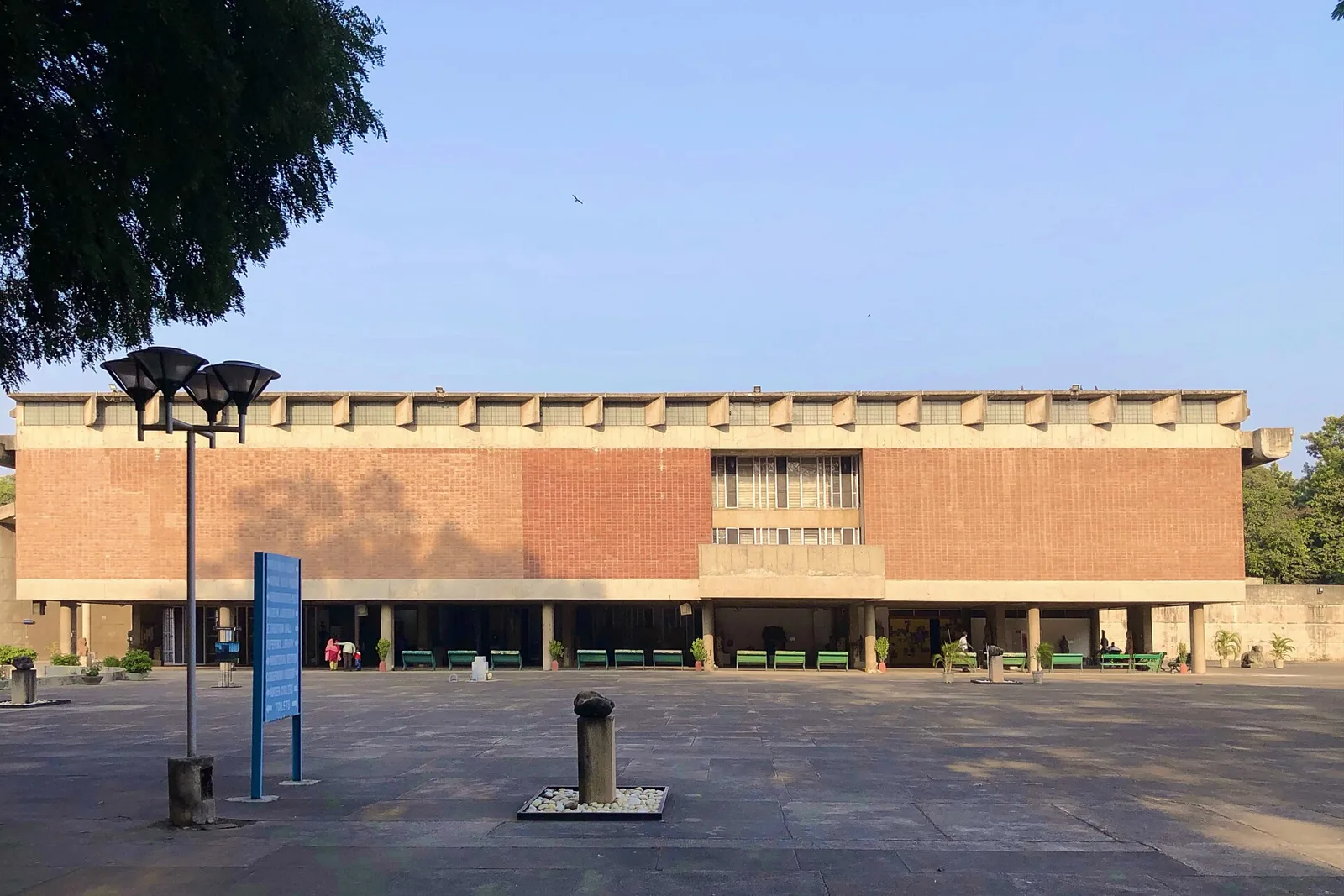
The main hub is Sector 17, the city's central plaza, with its wide pedestrian spaces and surrounding shops, and the broad avenues that connect it to other parts of the city. Other venues have included the parade ground and sports grounds, the Leisure Valley and sector-level parks. Nearby, the Rock Garden and Rose Garden are easy additions, as are Sukhna Lake and the Capitol Complex. The Le Corbusier Centre and Architecture Museum are good for understanding the city's design. For shopping, Sector 17 and Sector 35 have a wide range of shops, and Sector 22's market is popular. Neighbouring cities of Panchkula and Mohali also hold their own events around the same time, and Pinjore Gardens is within easy reach. Because the carnival's venues and format change, check the current programme before you go.

Visitor guide

  • Getting there. Chandigarh has an international airport (in Mohali), a railway junction and good road links to Delhi (about 250 km), Shimla, Amritsar and Ludhiana. Within the city, taxis, autos and cycle rickshaws are easy to find, but expect road closures on parade days.
  • Where to stay. The city has hotels in all price ranges, many close to Sector 17, so book early for carnival weekends. Panchkula and Mohali are alternatives.
  • What to wear and pack. November evenings are cool. Wear layers, a light jacket or shawl, comfortable shoes for walking and a scarf. Carry a power bank and a small bag.
  • Etiquette. Keep the public spaces clean, follow the instructions of police and volunteers, and avoid blocking the parade route. Ask before photographing performers up close.
  • Safety and comfort. Crowds in the plaza can be dense in the evening, so keep valuables safe and children close. Plan where to meet if you get separated, and use designated parking areas.

Today and tomorrow

The Chandigarh Carnival is a modern civic festival and its future depends on administration, funding and public interest. It has a special role in a city that lacks the long-standing festivals of older towns, since it gives residents a shared event to look forward to. The challenges include consistency from year to year, crowd and traffic control, and keeping the programme fresh and local. Many residents hope to see more involvement from the city's own artists, schools and neighbourhood groups, and a stronger focus on sustainability, with less waste and noise.

Nearby

Places to see around the festival