
Ghumoopedia — Explore, Discover, Experience
Sign in

Religious · Bihar

Chhath Puja

Patna's Ganga ghats and the Deo Sun Temple

Dates

Last verified 17 November 2026. Confirmed: announced by organisers or government. Provisional: from a published almanac, not yet announced. Seasonal: no date announced.

The complete guide

Chhath Puja: everything to know before you go

Fact item
Details
**Also known as**
Chhath
**State and district**
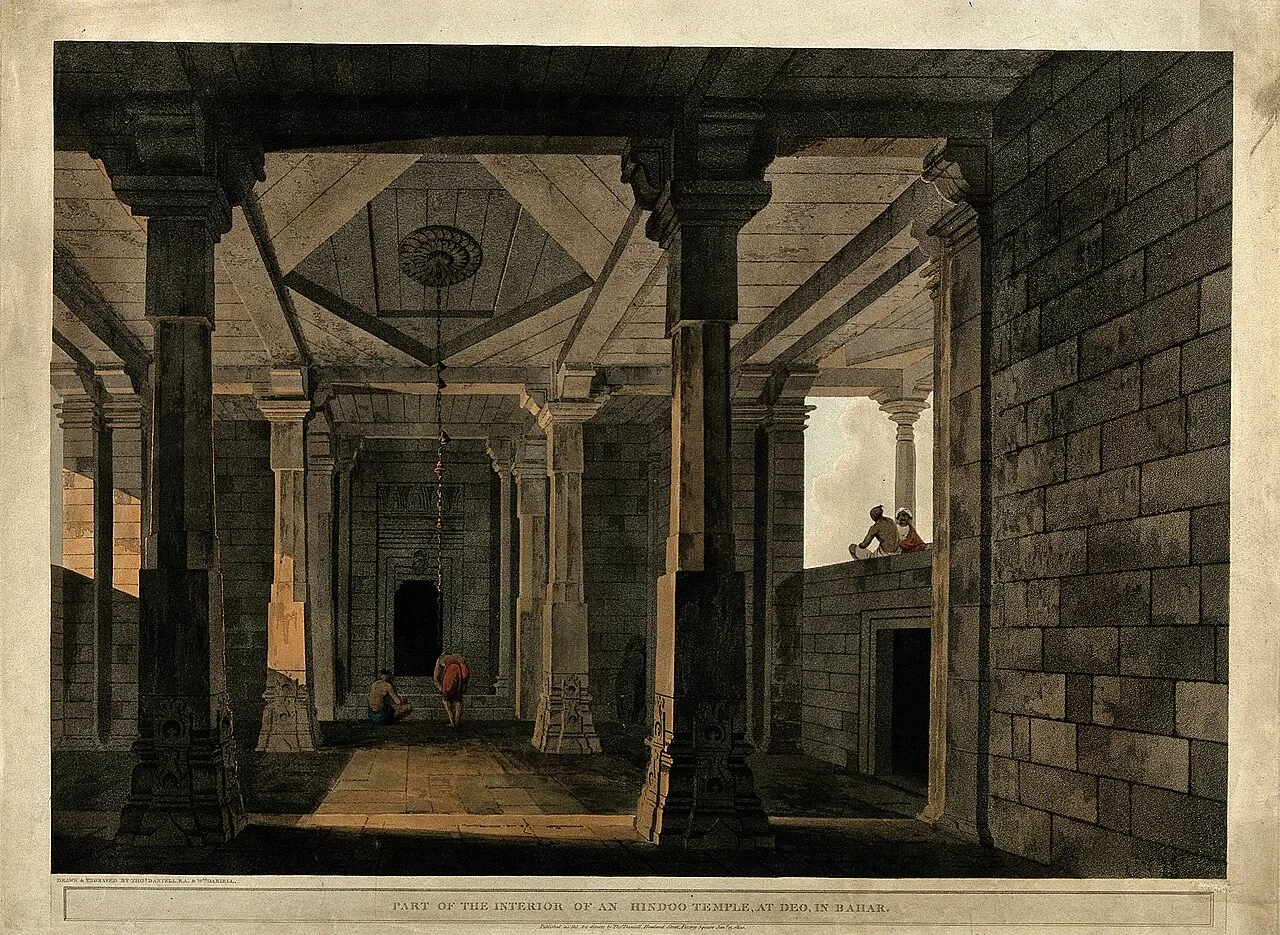
Statewide; notable ghats in Patna (Ganga), Deo Sun Temple (Aurangabad district)
**When**
October–November (fourth day after Diwali; Kartika Shukla Chaturthi)
**Duration**
Four days
**Faith and community**
Hindu; widely observed by people across caste groups in Bihar and neighboring states
**Type**
Rigorous riverbank worship/solar thanksgiving, family and community ritual
**Entry**
Free; open to public at ghats and public venues
**Best for**
Cultural immersion, witnessing sunrise and sunset offerings, photography of ritual on river ghats

Overview

Chhath Puja is one of Bihar’s most distinctive and widely observed festivals, dedicated to the Sun god (Surya) and his consort Usha (Chhathi Maiya). It is a four-day observance combining strict vrata (fasting), ritual purity, and collective worship on riverbanks and pond ghats. Families, often led by women, maintain high ritual discipline: fasting without water for long periods, preparing satvik offerings at home, and carryingkua and seasonal fruits to the ghats. The principal moments are the evening arghya (offering) to the setting sun and the pre-dawn arghya to the rising sun on the concluding day. Patna’s ghats, especially along the Ganges, swell with devotees and are key places for pilgrims from across the state and diaspora communities. The festival creates a strong sense of community — neighbors coordinate food preparation, local authorities set up temporary arrangements at ghats, and temporary markets supply ritual items. Urban and rural variations exist, but the emphasis on purity, family participation, and reverence for the sun remain constant.
Origins and legend

Chhath finds mention in ancient texts and regional folklore connecting solar worship and gratitude for life-sustaining forces. Several local legends explain its origin. One widely told tale ties the festival to Mahabharata-era stories: Draupadi and the Pandavas are said to have observed a fast to seek blessings and survival during exile, while another legend credits Karna, the sun-born hero, whose devotion to Surya is cited as an antecedent to Chhath-style worship. Over centuries, the ritual evolved in the Gangetic plains into a unique composite of Vedic solar worship and local folk practices focused on water bodies as liminal spaces between the earthly and divine. The festival’s rites emphasize bodily purity—devotees bathe before sunrise, abstain from salt and sometimes water, and use unpolished clay or bamboo trays for offerings—practices that reflect older ascetic ideals. The prominence of women in ritual leadership connects Chhath to agrarian cycles and household governance: women traditionally manage food and puja logistics, and many myths celebrate the power of maternal devotion to secure prosperity for families. The festival’s migration patterns—Bihari workers bringing Chhath to cities across India and abroad—explain how ancient local custom has become a translocal identity marker for the Bihari community.

How it is celebrated

The four days follow a fixed sequence: Nahay-Khay (purificatory bath and simple meal), Lohanda and Kharna (day-long fast ending after sunset with prasad of kheer and thekua), Sandhya Arghya (evening offerings at the ghat with diyas and songs), and Usha Arghya (pre-dawn offerings to the rising sun). Devotees stand waist-deep in water, balance decorated bamboo trays of fruits, sugarcane and thekua on their heads, and sing traditional folk songs. Community volunteers often organize queues and safety measures at crowded ghats; local temples run special services and markets sell ritual items.

Chhath’s cultural expression includes devotional folk songs, local theatre, and seasonal markets. Women sing Chhath songs—simple, lyric refrains invoking Chhathi Maiya and recounting familial hopes—while men sometimes accompany with small percussion. Street vendors sell thekua (a baked jaggery-wheat cookie), seasonal fruits, and decorated lamps. Community kitchens and langars sometimes feed devotees, reinforcing neighborhood solidarity. In urban centers, organized cultural programmes include music recitals, public addresses by community leaders, and exhibitions that explain the festival’s ecological and cultural significance.

Food and flavours

Food during Chhath is strictly sattvic and prepared without onion or garlic. Thekua is the festival’s emblematic sweet: a deep-golden, jaggery-sweet biscuit made from whole-wheat flour, ghee and jaggery, sometimes scented with fennel or cardamom. Other offerings include seasonal fruits (bananas, limes), sugarcane stalks, and unique prasad mixes combining rice, puffed rice, and jaggery. Kheer (rice pudding) prepared on the Kharna night breaks the day-long fast and is shared among family members. Community stalls sell steamed rice cakes, coconut pieces, and simple fried snacks for those accompanying devotees. The overall palate is rustic, sweet-forward, and built from ingredients that are portable and durable for riverbank rituals.

Music, dance, art and dress

Chhath’s music is dominated by unaccompanied or minimally accompanied folk singing—call-and-response songs that narrate local myths and express familial longing and gratitude. Traditional instruments, when present, include small drums and manjira (cymbals). There are no elaborate dance forms associated; instead, the visual art is in the decorated trays, banana-leaf arrangements and rangoli at home entrances. Women dress in bright saris—often yellow, orange or red, colors associated with the sun—and wear fresh flowers and sindoor in customary patterns. Men usually wear dhoti-kurta or simple kurta-pajama. In recent years, artists have begun documenting Chhath songs and motifs in audio recordings, short films and community exhibitions, preserving oral material otherwise transmitted orally.

Where to experience it

For intensive observation, Patna’s ghats (Gandhi Ghat, J.P. Setu area) are among the best, with large-scale public arghyas and infrastructure for crowds. Deo Sun Temple in Aurangabad district is a historic pilgrimage site where devotees converge in large numbers. Smaller towns and riverine villages offer an intimate experience—here, you can observe household rituals, home-cooked prasad, and local songs without large crowds. If visiting from outside Bihar, coordinate arrival to reach ghats before the evening or dawn arghya; many hotels and guesthouses near major ghats publish Chhath-specific guidance and meal packages.

Visitor guide

  • Getting there: Patna is accessible by air (Jay Prakash Narayan International Airport), rail and road. For Deo, Aurangabad is the nearest major railhead; local buses and taxis serve the temple.
  • Where to stay: Book well in advance near the riverside ghats for Patna. Pilgrim rest houses (dharmshalas) and small hotels in Deo offer basic lodging; larger towns have mid-range hotels.
  • What to wear and pack: Modest, comfortable clothing suitable for standing by the water; women should carry spare sari/dupattas and men a dry kurta. Sun protection and a light sweater for early mornings are useful.
  • Etiquette: Respect the fast and purity zones; avoid bringing non-vegetarian food or alcohol to ghats. Ask before photographing individuals engaged in worship. Follow queueing and volunteer instructions.
  • Safety and comfort: Ghats can be crowded and slippery; wear non-slip footwear and follow local police/volunteer guidance. Women travelling alone should join community groups or contact temple authorities for guidance.

Today and tomorrow

Chhath remains a resilient cultural anchor for Bihar’s identity and diaspora communities. Municipal authorities increasingly manage crowds, sanitation and safety at major ghats; NGOs and researchers are documenting songs and rituals. Environmental concerns—river pollution and plastic waste at ghats—have led to community-led campaigns promoting biodegradable offerings and clean-up drives. The festival’s future will likely combine stronger civic management with grassroots ecological initiatives, while digital media continues to spread Chhath's rituals to new audiences.

  • Is it free? Yes — participation at ghats is free.
  • Is it only about? It’s primarily solar and familial thanksgiving, but it also functions as a social festival reinforcing local networks.
  • Best day to visit? The pre-dawn Usha Arghya day for the sunrise offering; evening Sandhya Arghya provides dramatic sunset visuals.
  • See also: Ganga Aarti (Varanasi/Patna), regional harvest festivals in eastern India.

Nearby

Places to see around the festival