Ghumoopedia — Explore, Discover, Experience
Sign in

Cultural · Dadra & Nagar Haveli and Daman & Diu

Daman and Diu Festivals and Church Feasts

Daman town and Diu island

Dates

Last verified 17 November 2026. Confirmed: announced by organisers or government. Provisional: from a published almanac, not yet announced. Seasonal: no date announced.

The complete guide

Daman and Diu Festivals and Church Feasts: everything to know before you go

When
Tourism festivals: winter season (November–February). Christian feasts: calendar dates such as 3 December (Feast of St Francis Xavier), Christmas (25 December), other patron-saint days vary by locality.
Where
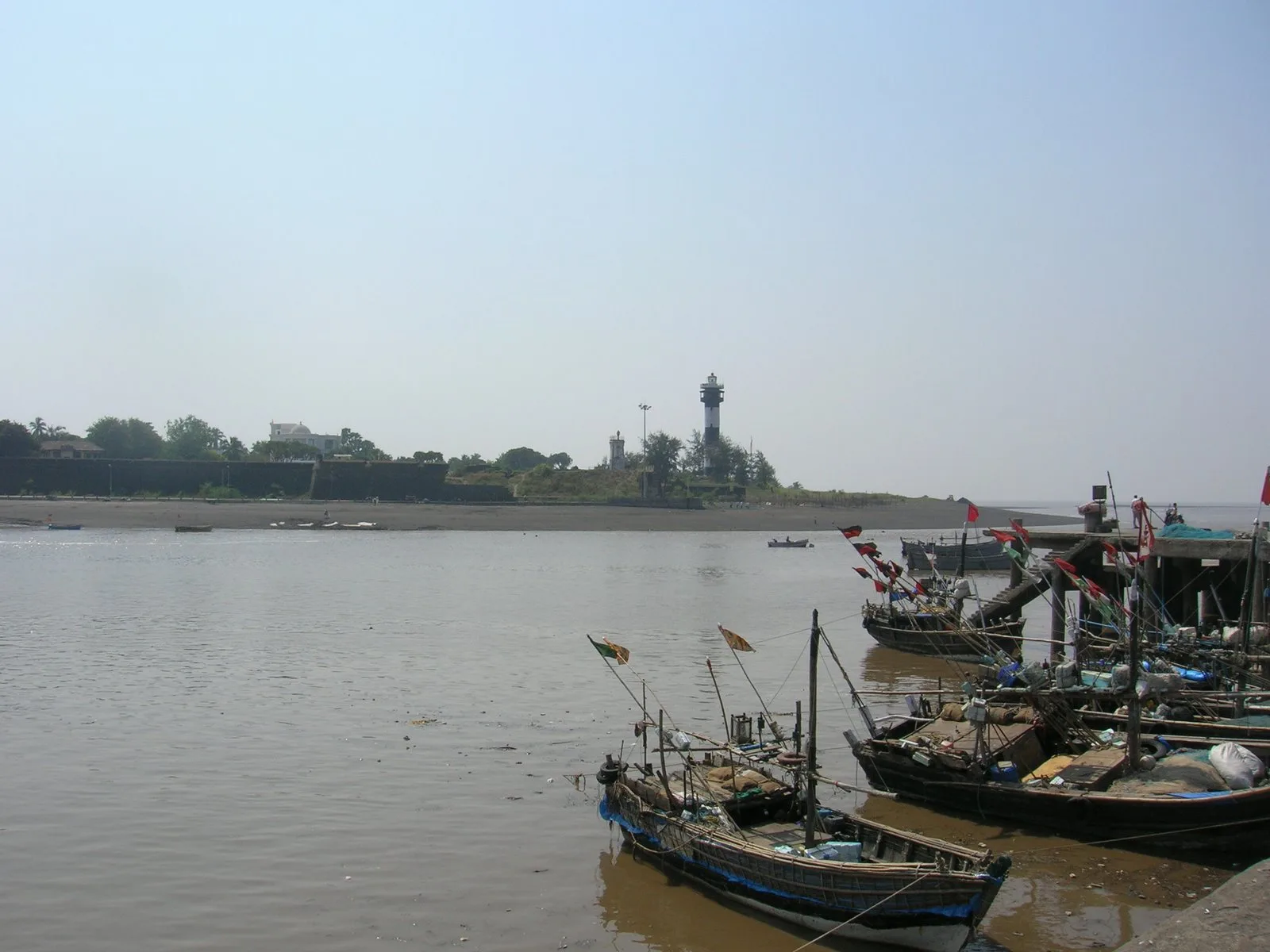
Diu island and Daman town; coastal churches and public spaces
Who takes part
Local Catholic communities, tourists, and wider public audiences
Type
Religious observance (Christian feasts) and cultural-tourism festivals featuring music, food and performances

Overview

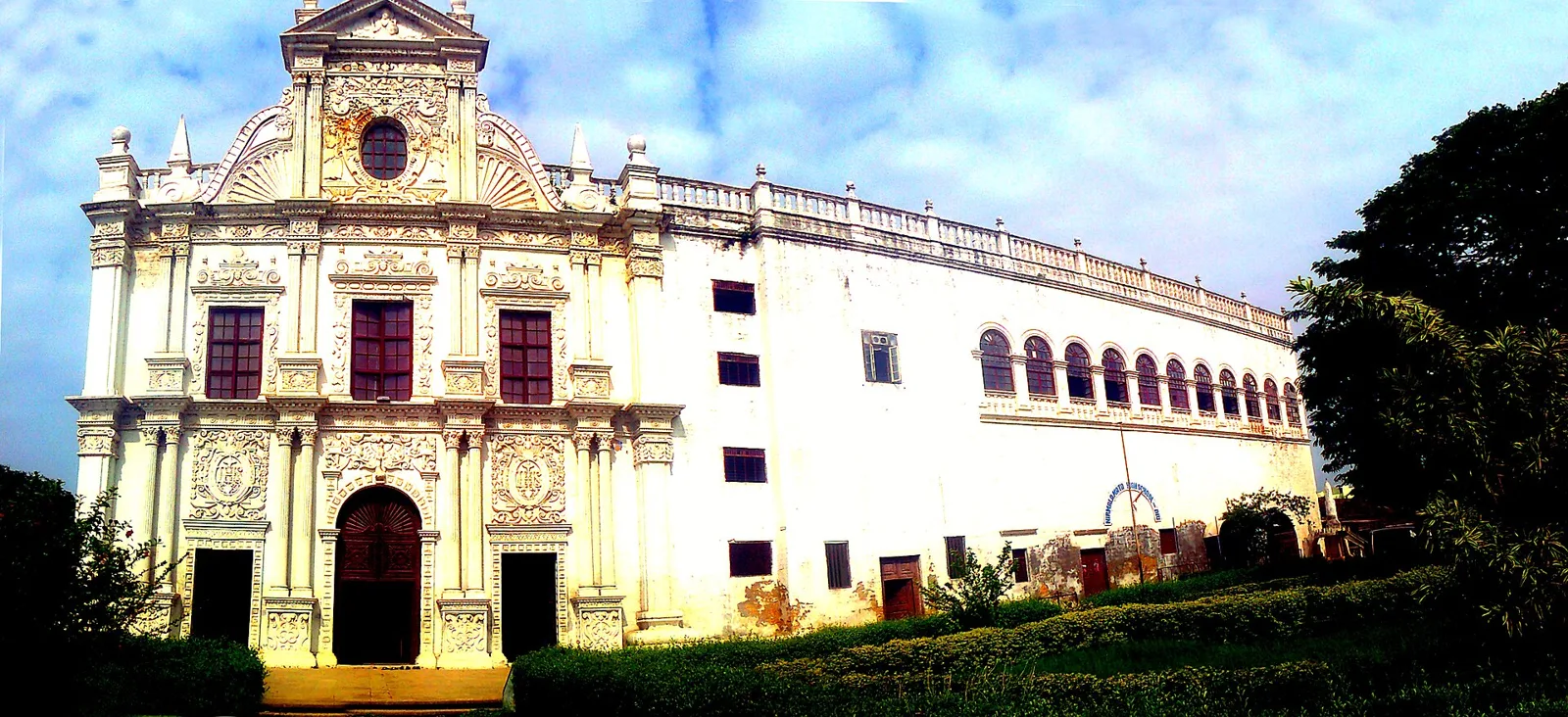
Diu and Daman retain a distinct Lusophone cultural imprint visible in church architecture, liturgical music and festival customs. Winter tourism festivals are designed to attract visitors to coastal promenades and heritage sites, while Christian feasts observe centuries-old traditions of processions, masses and communal gatherings rooted in the Portuguese colonial and missionary era.
Origins and legend

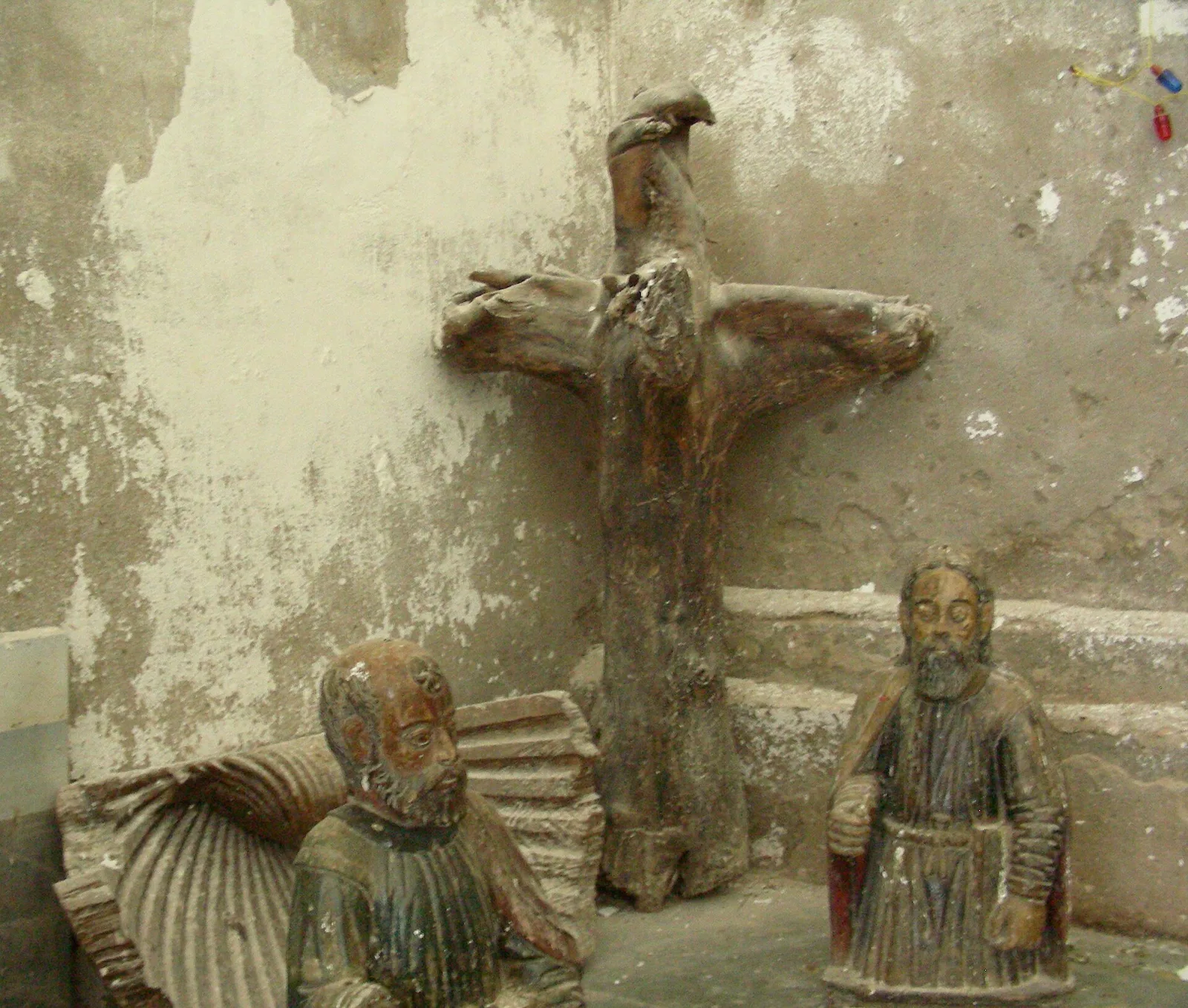
Christian feast days commemorate saints and events from Catholic liturgy. The region’s Portuguese colonisation (16th–20th centuries) introduced these calendars and church-building practices. Local legends around patron saints (for example, miracles attributed to St Francis Xavier) enhance devotion and attract pilgrims.

How it is celebrated

  • Church services and special masses with choirs singing hymns in Konkani, Marathi, Portuguese-influenced melodies and Gregorian chants.
  • Processions: decorated statues or icons carried through streets, accompanied by band music and candlelit walks in the evening.
  • Tourism festivals: curated cultural programmes including folk and Western music concerts, food stalls featuring Goan and Konkani cuisine, heritage walks and beachside events.
  • Fireworks and communal feasting on major dates such as Christmas and patron-saint days.

Food and flavours

Culinary offerings blend coastal Konkani seafood traditions with Portuguese-influenced dishes: vindalho and sorpotel variants, grilled fish, sannas (steamed rice cakes), bebinca and coconut sweets. Street food at tourism festivals includes fried seafood, regional sweets and beverages. Church feasts may feature special homemade breads and desserts prepared by families.

Music, dance, art and dress

Music: choirs, brass bands and popular bands perform liturgical and secular repertoires. Some events include fado-like or Portuguese-influenced melodies blended with Konkani tunes.

Dance and art: tourism festivals stage folk dances, contemporary performances and craft stalls showing shell-work, embroidery and religious iconography. Dress ranges from formal church attire during masses to festive casual wear at tourism events.

Where to experience it

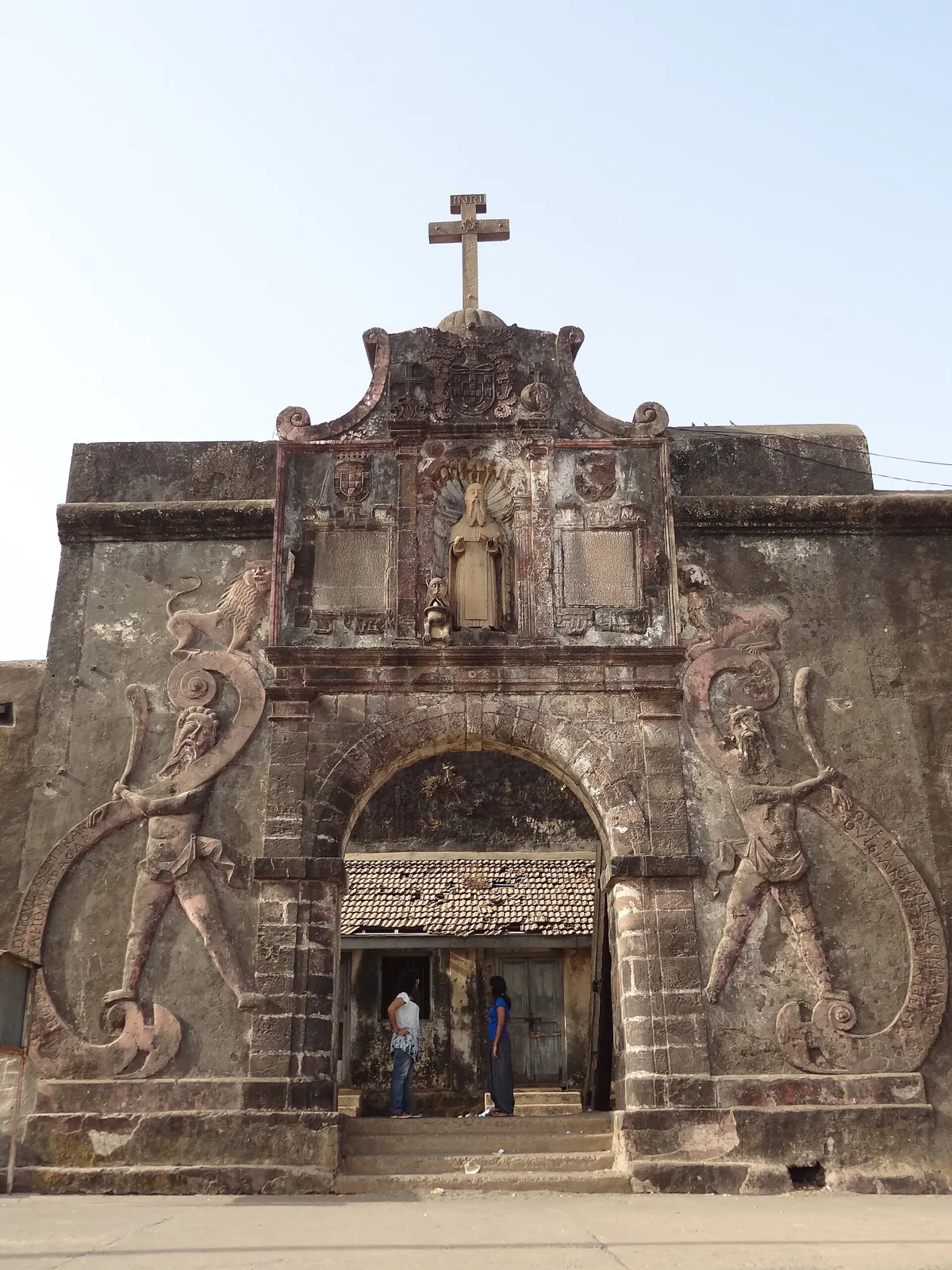
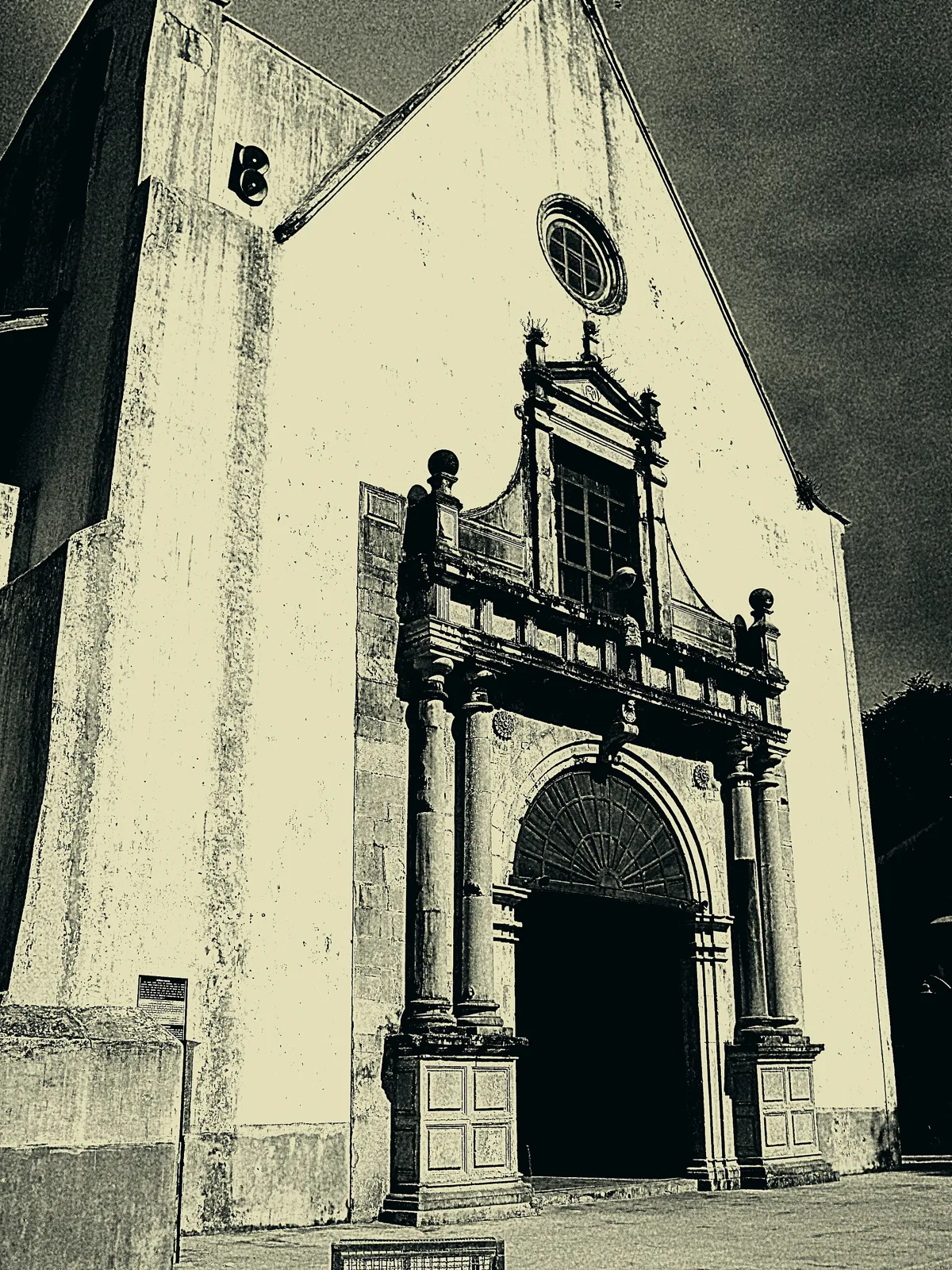
Major churches and promenades in Daman and Diu are the focal points: Diu Fort area, St. Paul’s Church, Church of Bom Jesus (in regional Catholic tradition), and seafront venues used for festivals. Check local parish calendars for exact feast dates and municipal websites for tourism festival schedules.

Visitor guide

  • Attend masses respectfully: modest dress is expected in churches; photography may be restricted during services.
  • Book winter accommodation early for tourism festivals; Diu and Daman are popular with weekend travellers from nearby states.
  • Combine festival attendance with heritage walks to understand colonial-era architecture and local history.
  • Taxis and local ferries provide access; check schedules for island connections and seasonal changes in services.

Today and tomorrow

Tourism festivals play an increasing role in local economies by promoting heritage tourism and crafts. Church feasts continue to be vital community anchors for identity and social welfare. Balancing tourist interest with preservation of religious sincerity and heritage conservation is the primary planning focus for local authorities.

Nearby

Places to see around the festival