Ghumoopedia — Explore, Discover, Experience
Sign in

Religious · Maharashtra

Dhammachakra Pravartan Din

Deekshabhoomi, Nagpur

Dates

Last verified 17 November 2026. Confirmed: announced by organisers or government. Provisional: from a published almanac, not yet announced. Seasonal: no date announced.

The complete guide

Dhammachakra Pravartan Din: everything to know before you go

In short
Dhammachakra Pravartan Din commemorates Dr. B.R. Ambedkar's conversion to Buddhism and his public turning of the wheel of Dhamma at Deekshabhoomi, Nagpur. Observed in October (often aligned with Ashok Vijayadashami) with large gatherings, processions and mass conversions.

Overview

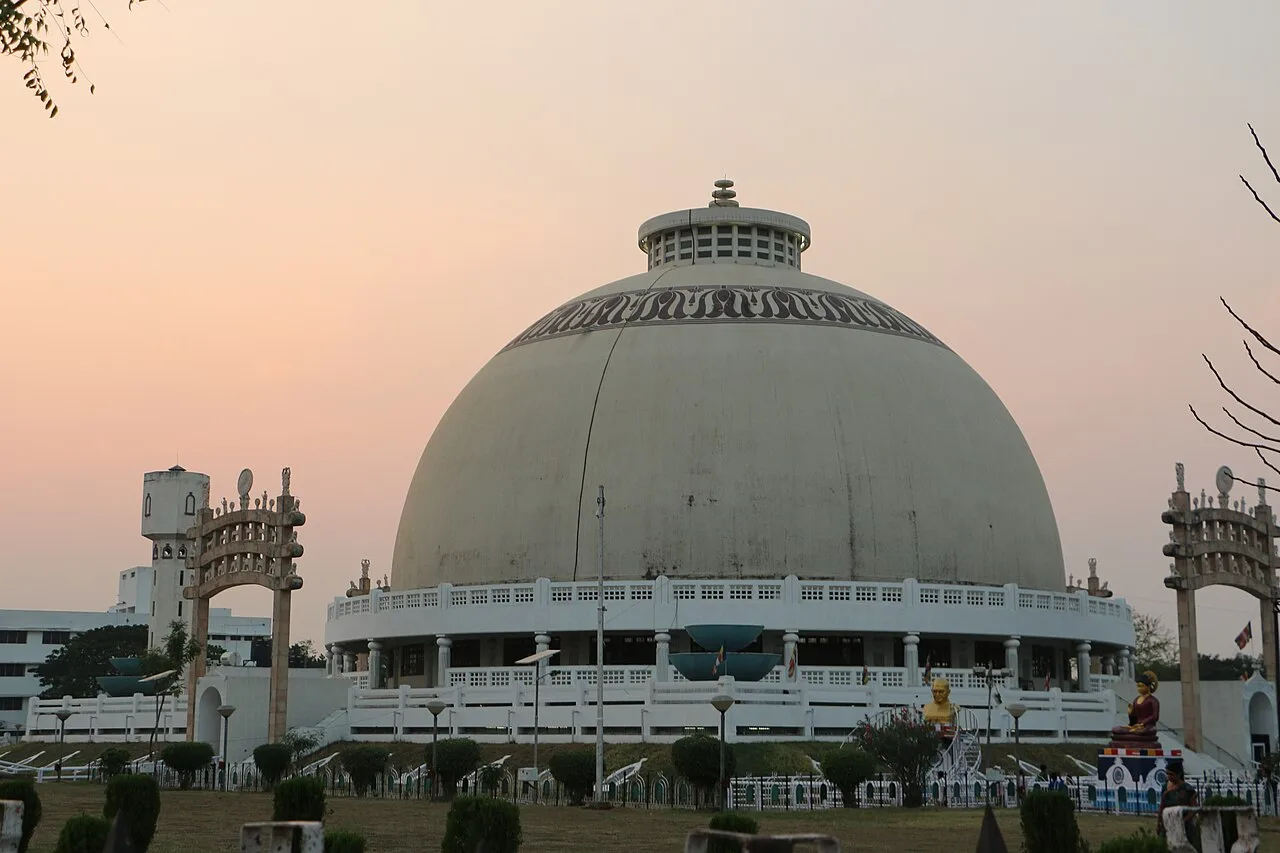
Dhammachakra Pravartan Din is the central annual event for Neo-Buddhist communities in India, marking the adoption of Buddhism by Dr. Ambedkar and tens of thousands of followers in 1956. Nagpur's Deekshabhoomi is the focal point: it becomes a site of pilgrimage, public discourse, and ritual reaffirmation each year.
Origins and legend

In October 1956 Dr. B.R. Ambedkar led a mass conversion of Dalits to Buddhism at Deekshabhoomi, rejecting caste oppression and embracing Buddhist ethical and social ideals. The event is not mythic but formative, rooted in modern social reform and a deliberate religious-political choice to pursue equality.

How it is celebrated

Large gatherings at Deekshabhoomi feature dhamma sermons, recitation of Buddhist texts, meditation sessions, and mass reaffirmation of vows. Delegations from across India arrive for processions, flag hoisting, and cultural programmes. Many participants perform ceremonial baths and light lamps; educational seminars and social welfare activities are commonly organised around the day.

Food and flavours

Communal vegetarian meals are provided at Deekshabhoomi during observances—simple rice, dal, vegetables and sweets. Food distribution is framed as dana (almsgiving) and community service.

Music, dance, art and dress

Programmes include devotional Buddhist chants (paritta), speeches, and cultural performances that highlight Dalit literature, folk music and theatre. Attendees often wear white or simple traditional clothing as an expression of egalitarian values; specially printed flags and banners with Buddhist iconography are common.

Where to experience it

Deekshabhoomi, Nagpur is the primary site. Smaller commemorations occur in other cities with significant Ambedkarite communities, including Mumbai and Pune.

Visitor guide

Attend in October (date may align with Vijayadashami). Security and crowd management are extensive—arrive early. Dress respectfully and follow organisers' instructions. Photography may be restricted during certain ceremonies. Use public transport; Nagpur civic authorities often run special services for pilgrims.

Today and tomorrow

Dhammachakra Pravartan Din remains politically and socially significant as a marker of anti-caste assertion and Buddhist revival. It continues to galvanise social movements and provide a platform for welfare initiatives; digital outreach and diaspora participation are increasing.

Nearby

Places to see around the festival