
Ghumoopedia — Explore, Discover, Experience
Sign in

Religious · Uttarakhand

Ganga Dussehra

Haridwar and Rishikesh

Dates

Last verified 17 November 2026. Confirmed: announced by organisers or government. Provisional: from a published almanac, not yet announced. Seasonal: no date announced.

The complete guide

Ganga Dussehra: everything to know before you go

Also known as
Ganga Avataran Diwas, Descent of Ganges Festival
State & District
Uttarakhand, Haridwar District (Haridwar) & Dehradun/Tehri Districts (Rishikesh)
When
May–June (Dashami tithi of Jyeshtha Shukla Paksha)
Duration
10 Days (culminating on the 10th day, Ganga Dussehra)
Faith & Community
Hinduism (Sanatana Dharma Devotees, Riverine Pilgrims, Monks & Sannyasis)
Type
Riverine Pilgrimage, Holy Dip Ritual & Spiritual Lighting Pageant
Entry
Free open access across all sacred river ghats
Best for
Maha Ganga Aarti, Holy Dip at Har ki Pauri, Floating Lamp Rituals & Spiritual Purification

Overview

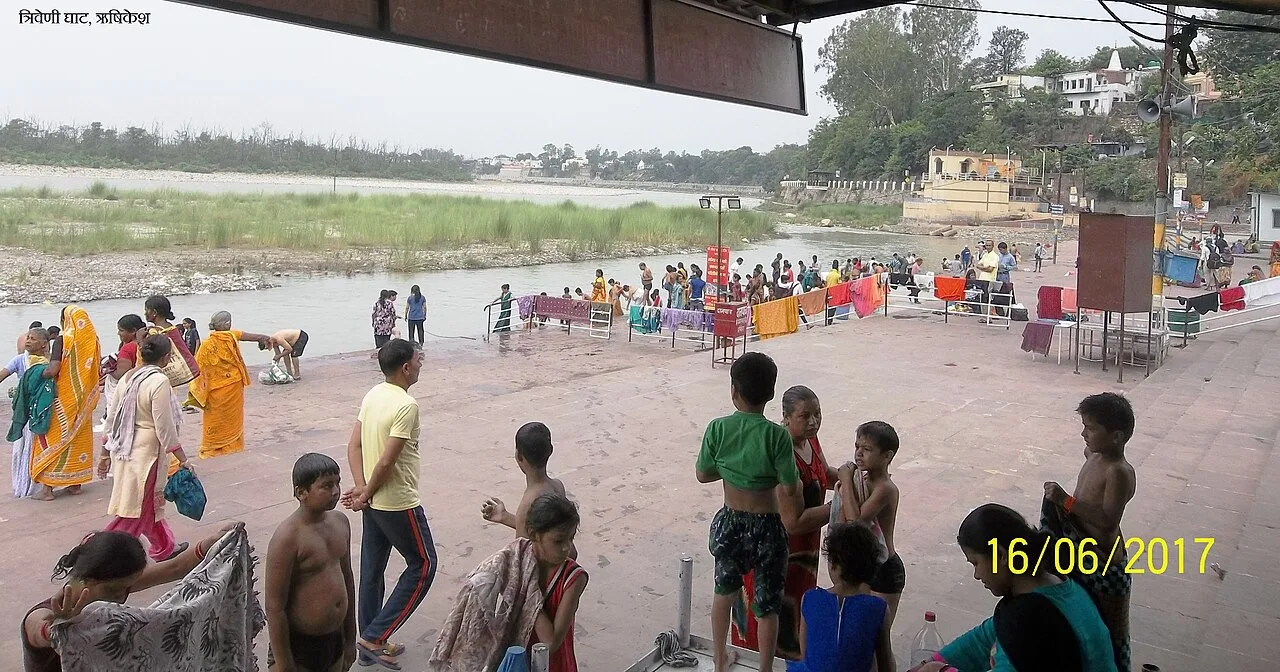
Ganga Dussehra is a major ten-day riverine festival celebrating the celestial descent of the holy river Ganges (*Ganga Avataran*) from heaven to earth. Observed in May or June across the sacred river cities of Haridwar and Rishikesh in Uttarakhand, this auspicious period marks the exact tithi when King Bhagiratha's intense penance brought the divine river down to liberate the souls of his ancestors. The name 'Dussehra' derives from *Dasa-hara* ('destruction of ten sins'), signifying that a holy dip in the Ganges on this day eradicates ten types of sins related to body, speech, and mind. Millions of pilgrims, sadhus, and international seekers gather at Har ki Pauri in Haridwar and Triveni Ghat in Rishikesh to perform ritual baths, chant Vedic hymns, and offer thousands of floating leaf lamps (*Diyas*) in a breathtaking evening spectacle.

The festival is celebrated with immense joy throughout the Garhwal Himalayas. Water is revered as the supreme life-giver, and the Ganges is worshipped not merely as a physical river, but as a living goddess who purifies humanity's karma. During these ten days, pilgrims walk barefoot along the riverbanks, perform ancestral rituals (*Pind Daan*), and participate in mass water conservation pledges.
Origins and legend

According to Hindu Puranic scriptures, Sage Kapila cursed the 60,000 sons of King Sagara to ashes after they mistook him for a horse thief. Their souls could only attain salvation (*Moksha*) if the celestial river Ganga descended from heaven to purify their ashes. After generations of failed efforts, King Bhagiratha undertook rigorous tapasya (austerity) to please Brahma and Ganga. Ganga agreed to flow down, but her torrential force threatened to shatter the earth. Bhagiratha then prayed to Lord Shiva, who caught the rushing Ganga in his matted locks (*Jata*) and released her gently in ten tranquil streams onto the plains of Haridwar. Thus, Ganga Dussehra commemorates the divine mercy of Shiva and Ganga's life-giving advent.

Astrologically, the day Ganga arrived on earth coincided with ten specific celestial alignments: Jyeshtha month, Shukla Paksha, Dashami tithi, Wednesday, Hasta Nakshatra, Vyatipat Yoga, Gar Anand Karan, and Moon in Taurus. Bathing in the Ganges when these ten auspicious yogas combine is believed to grant extraordinary spiritual merit equivalent to performing thousands of Vedic sacrifices.

How it is celebrated

During the ten days of Ganga Dussehra, pilgrimage activity peaks at the holy ghats. Devotees wake up before dawn to take a sacred bath (*Snan*) at Har ki Pauri, Brahmakund, or Triveni Ghat while reciting the *Ganga Stotram*. Ten holy items—including sesame seeds, barley, flowers, camphor, water, milk, and sweets—are offered into the flowing river. In the evening, the grand *Maha Ganga Aarti* takes place. Priests clad in silk dhotis swing multi-tiered brass oil lamps in rhythmic unison, while thousands of devotees chant *Ganga Maiya ki Jai*. Floating leaf cups (*Donas*) filled with marigold flowers and burning wicks transform the river into a shimmering sea of light.

The Cultural Days

Cultural and spiritual programs accompany the ten-day celebrations. Classical Indian musicians perform classical ragas dedicated to Mother Ganga on the banks of the river in Rishikesh. Vedic scholars conduct *Sanskrit Sammelans* and debates on ecological preservation of Himalayan rivers. Spiritual discourses (*Katha*) and *Bhajan Sandhyas* are organized at ashrams like Parmarth Niketan and Shantikunj, drawing international spiritual seekers.

The Pilgrimage Days

The 10th day (Jyeshtha Shukla Dashami) is the pinnacle of the pilgrimage. Taking a holy dip at precisely auspicious astrologically calculated hours is believed to destroy ten sins: three physical sins (stealing, violence, adultery), four verbal sins (harsh words, lying, slander, gossip), and three mental sins (covetousness, malice, false pride). Monks from various Akhadas perform elaborate *Abhishekam* of holy river water combined with milk, honey, and rose water.

Food and flavours

During Ganga Dussehra, large-scale free food distribution stalls (*Langar* and *Chhabil*) are set up by charitable trusts along the ghats. Volunteers distribute cold sweetened water (*Sharbat* or *Kacchi Lassi*) infused with rose syrup, cardamom, and fennel to cool summer pilgrims. Consecrated Prasad includes *Puri-Aloo*, *Halwa*, *Kheer*, and fresh seasonal fruits like watermelons and mangoes. Traditional sweet shops in Haridwar serve fresh *Rabri*, *Jalebi*, and *Pedas*.

Music, dance, art and dress

The soundscape of Ganga Dussehra is dominated by the thunderous resonance of temple bells, conch shells (*Sankhnaad*), and thousands of voices singing the *Ganga Aarti*. Devotees dress in clean traditional white or saffron attire for the holy bath. Temporary floor art (*Rangoli*) made with flower petals and rice powder decorates the stone steps leading down to the river.

Where to experience it

The premier locations to experience Ganga Dussehra are Har ki Pauri and Brahmakund in Haridwar, as well as Triveni Ghat, Shatrujna Ghat, and Parmarth Niketan Ashram in Rishikesh, Uttarakhand.

Visitor guide

  • • Getting there: Jolly Grant Airport (Dehradun) is ~35 km from Haridwar and ~20 km from Rishikesh. Haridwar Railway Station is well connected to major Indian cities.• Where to stay: Numerous ashrams, dharamshalas, and hotels cater to all budgets in Haridwar and Rishikesh.• What to wear & pack: Light cotton clothes for summer heat, modest swimwear/bath towels, and slip-on footwear.• Etiquette: Respect river cleanliness—do not throw plastic or soap into the sacred river. Remove footwear before stepping onto sacred ghat areas.• Safety & comfort: Exercise caution near strong river currents; hold onto safety chains provided at Har ki Pauri during the holy dip.

Today and tomorrow

Today, Ganga Dussehra combines ancient devotional fervor with modern environmental awareness campaigns like *Namami Gange*. Youth volunteers and environmentalists conduct mass riverbank cleanup drives during and after the festival, emphasizing that venerating Mother Ganga requires preserving her ecological cleanliness and natural flow.

Nearby

Places to see around the festival