Ghumoopedia — Explore, Discover, Experience
Sign in

Religious · Haryana

International Gita Mahotsav, Kurukshetra

Brahma Sarovar and Jyotisar, Kurukshetra

Dates

Last verified 17 November 2026. Confirmed: announced by organisers or government. Provisional: from a published almanac, not yet announced. Seasonal: no date announced.

The complete guide

International Gita Mahotsav, Kurukshetra: everything to know before you go

Also known as
Gita Jayanti; International Gita Mahotsav; Gita Mahotsav, Kurukshetra
State and district
Haryana; Kurukshetra district
When
November–December; Gita Jayanti falls on the eleventh day of the bright half of the month of Margashirsha (Mokshada Ekadashi), with the Mahotsav running for about two to three weeks around it
Duration
Typically two to three weeks of events, with the main day on Gita Jayanti
Faith and community
Hindu; people of many backgrounds attend
Type
Religious and cultural festival
Entry
Free to the main ghats and most events
Best for
The Bhagavad Gita's story, Brahma Sarovar at dusk, lamps on the water, scripture recitals, a craft and food fair

Overview

Gita Jayanti is the birthday of the Bhagavad Gita, the 700-verse scripture in which Lord Krishna gives guidance to the warrior Arjuna on the eve of the great battle of the Mahabharata. It is celebrated on the Ekadashi of the bright half of Margashirsha, and the place most closely tied to it is Kurukshetra in Haryana, the field where the battle is said to have been fought. In Kurukshetra, the Haryana government holds a Gita Jayanti Mahotsav, a festival that runs for two or three weeks and has grown into an international event, with visitors and performers from many countries. The festival is a mix of devotion and culture: priests and scholars recite and explain the Gita, pilgrims bathe at the holy tanks, and at dusk the water of Brahma Sarovar glows with thousands of floating lamps. A fair on the grounds offers crafts, food and performances from many states. For readers of the Gita and for first-time visitors alike, the festival is a chance to see how an ancient text still lives in a modern place.
Origins and legend

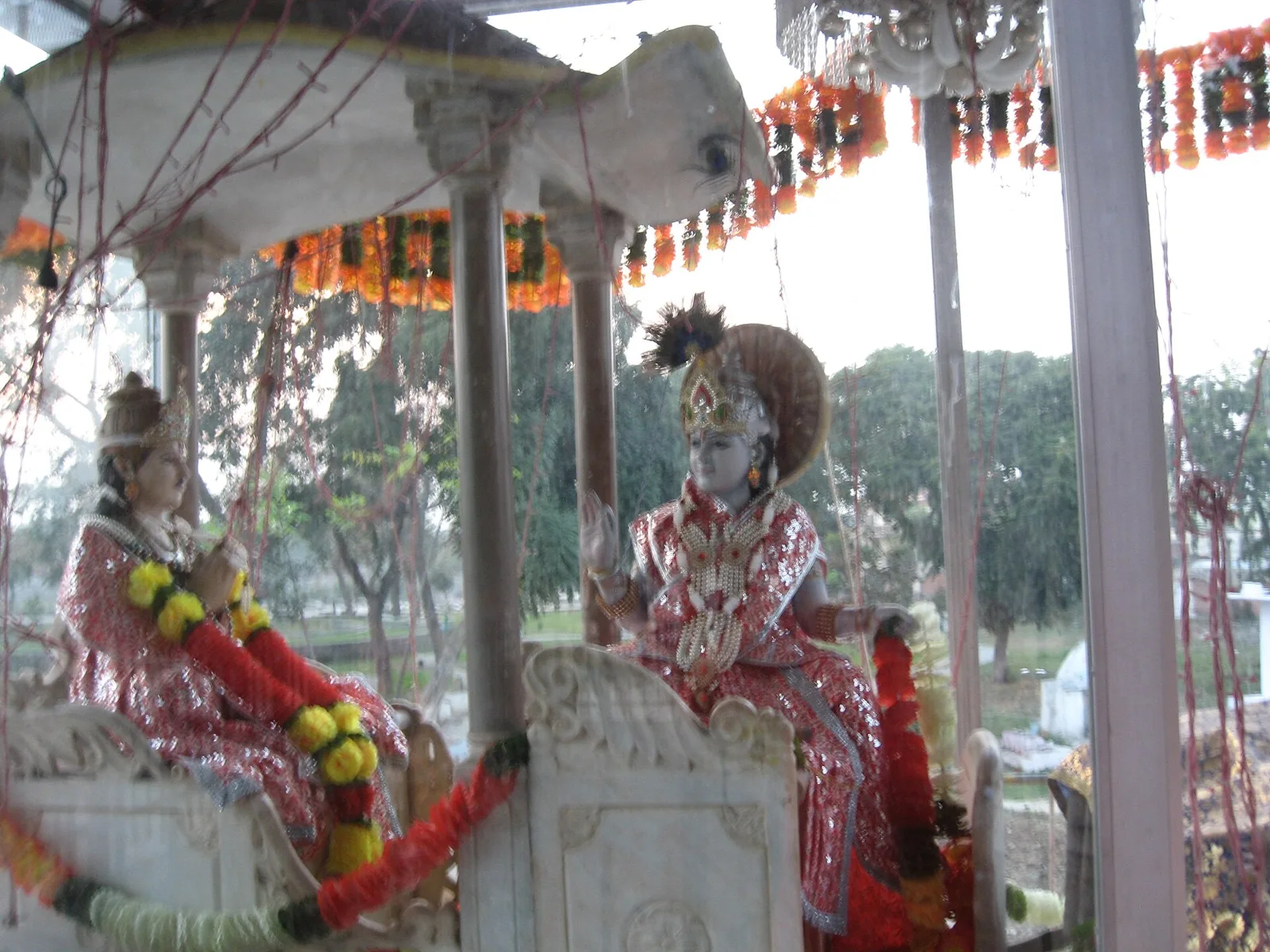
The story behind the festival comes from the Mahabharata, the great Sanskrit epic. It tells of a war between two branches of a royal family, the Pandavas and the Kauravas, for the throne of Hastinapur. The battle took place at Kurukshetra, and, just before it began, Arjuna, the Pandava archer, was overcome with doubt when he saw his teachers, relatives and friends standing on the opposite side. He put down his bow. His charioteer, Lord Krishna, then spoke to him, explaining duty, action, devotion, knowledge and the nature of the self. These teachings, in eighteen chapters, are the Bhagavad Gita. Tradition places the discourse at Jyotisar, a site in Kurukshetra, where an old banyan tree is said to be a witness to the event.

Gita Jayanti marks the day on which the Gita was spoken, traditionally the Ekadashi of the bright half of Margashirsha. Kurukshetra itself is regarded as a sacred land, called Dharmakshetra, and is mentioned at the very start of the Gita. For centuries, pilgrims have come to bathe at its sacred tanks. The modern Mahotsav was developed by the Haryana government from 1989, and later expanded into an international festival, to bring more attention to the Gita's message and to the town's heritage. While the celebration is recent, its roots in the pilgrim traditions of Kurukshetra are ancient.

How it is celebrated

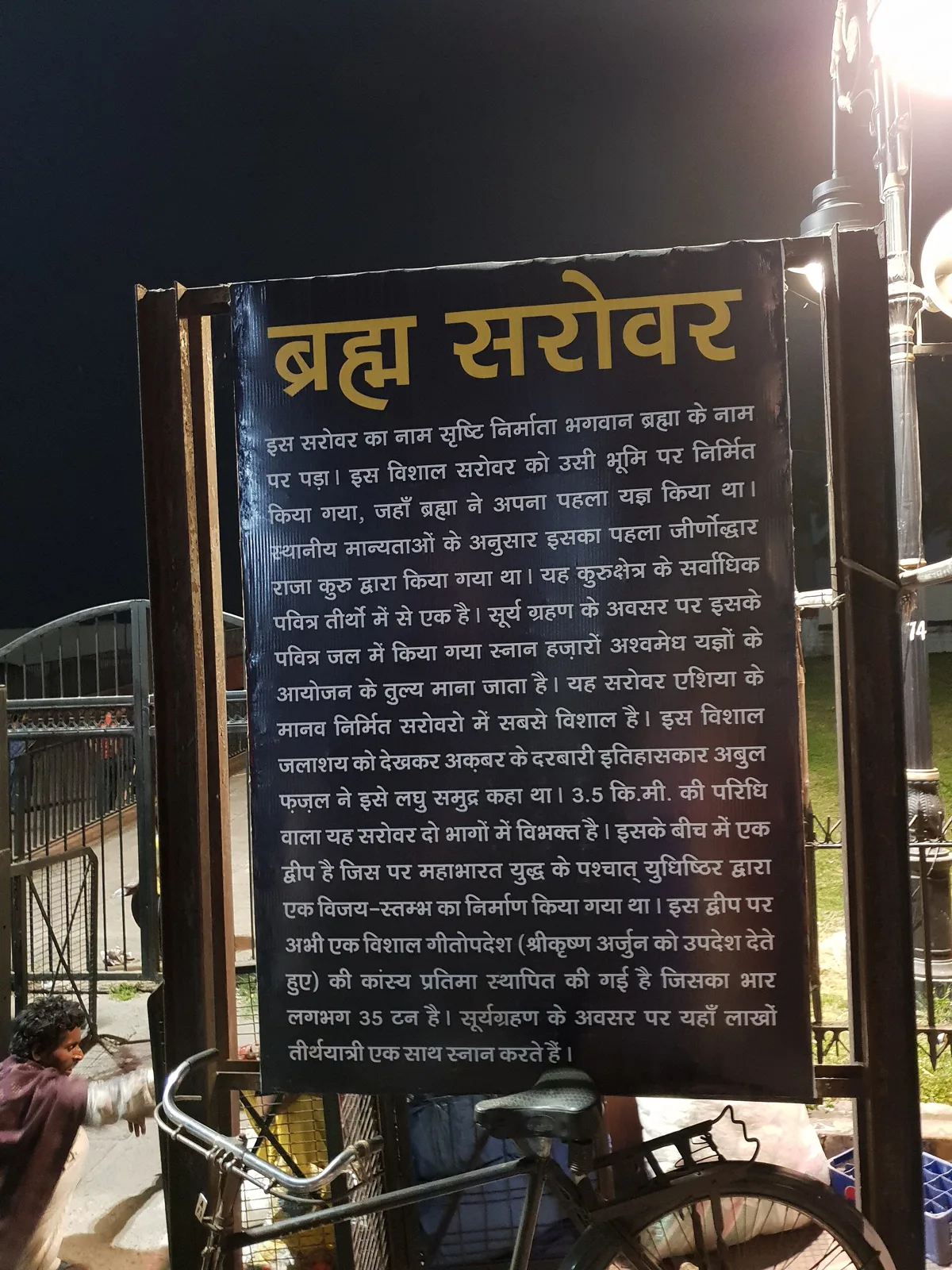
The Mahotsav begins with an opening ceremony, often attended by senior political and religious leaders, with a procession, chanting of verses and lighting of a lamp. Throughout the festival, there are daily recitals and discourses on the Gita, group chanting, workshops and seminars. The most important events take place at Brahma Sarovar, a large sacred tank, where every evening there is an aarti (a lamp ceremony) with priests waving lamps to the sound of bells and conches. On the main day of Gita Jayanti, large numbers of pilgrims bathe in the sarovar, and in the evening thousands of earthen lamps (diyas) are floated on the water in an event called deep daan. A fair is held on the grounds, with stalls, state pavilions, craft workshops and food courts. At the end of the festival, there is a closing ceremony.

The cultural days

The cultural programme of the Mahotsav draws on the whole country. Each evening, stages near the sarovar host classical and folk performances, from Haryanvi saang and ragini to Kathak, Odissi, Bharatanatyam and regional dances. Singers and musicians present devotional music, and storytellers and puppeteers tell episodes from the Mahabharata and Gita. Craft stalls, state pavilions and food courts create a lively mela, and children's activities, art competitions and painting displays show the Gita in different forms. International participants sometimes include performers and delegates from other countries, and in some years there have been international seminars on the Gita and Indian philosophy. Visitors can also see a light-and-sound show about the Mahabharata and take part in events such as yoga sessions. The mood is part festival, part pilgrimage and part classroom.

The pilgrimage days

For pilgrims, Kurukshetra is among the most sacred places in India, and Gita Jayanti is an especially meaningful time to visit. The main shrine is Brahma Sarovar, a vast rectangular tank said to be where Brahma performed the creation; devotees bathe here and light lamps at dusk. Jyotisar, about 5 km away, is the place where Krishna is said to have delivered the Gita under a banyan tree, and a marble chariot stands at the site. Sannihit Sarovar is a sacred tank where the waters of many pilgrimage sites are believed to meet, and bathing here is considered especially auspicious on certain days. Other important places include Bhishma Kund at Narkatari, where Bhishma is said to have lain on a bed of arrows, and the Sthaneshwar Mahadev Temple. Pilgrims offer prayers, perform rituals for ancestors and listen to recitals of the Gita.

Food and flavours

Food at the Gita Mahotsav is mostly vegetarian and often sattvic, in keeping with the religious setting. Temple kitchens and dharamshalas serve simple meals of dal, roti, vegetables and kheer, and many devotees fast on Ekadashi, breaking the fast the next day with a light meal. Haryanvi food is a feature of the fair: bajra khichdi with ghee, kadhi, churma, singri and kair sangri (desert beans and berries), mooli paratha with white butter and lassi in tall glasses. Local sweets include peda, barfi and laddu, and Kurukshetra is known for its fresh kheer and jalebi. State food stalls offer dishes from many regions, such as chole bhature, dosa, kachori and chaat. Hot tea and roasted peanuts are popular on the cold evenings. Because of the many pilgrims, food stalls are busy, and visitors should choose freshly cooked items and carry their own water.

Music, dance, art and dress

The soundscape of the Mahotsav combines devotion and folk culture. The most common sounds are the chanting of Gita verses, the bells and conches of the aarti and the singing of bhajans, often to the accompaniment of the harmonium and dholak. On the stages, saang theatre, in which performers act and sing stories, and ragini, a form of Haryanvi folk song, are performed alongside classical dance. Dance performances sometimes retell the story of the Gita and Mahabharata.

Visual art includes paintings and sculptures of Krishna and Arjuna, scenes from the Mahabharata and large floral decorations. The sarovar is decorated with lights, and the marble chariot at Jyotisar is a famous image. Haryanvi men wear a white kurta, dhoti and pagri (turban), and women wear a damman (long skirt), kurti and odhni, while many pilgrims wear simple white or yellow clothes. Priests wear saffron robes, and devotees often carry copies of the Gita and garlands.

Where to experience it

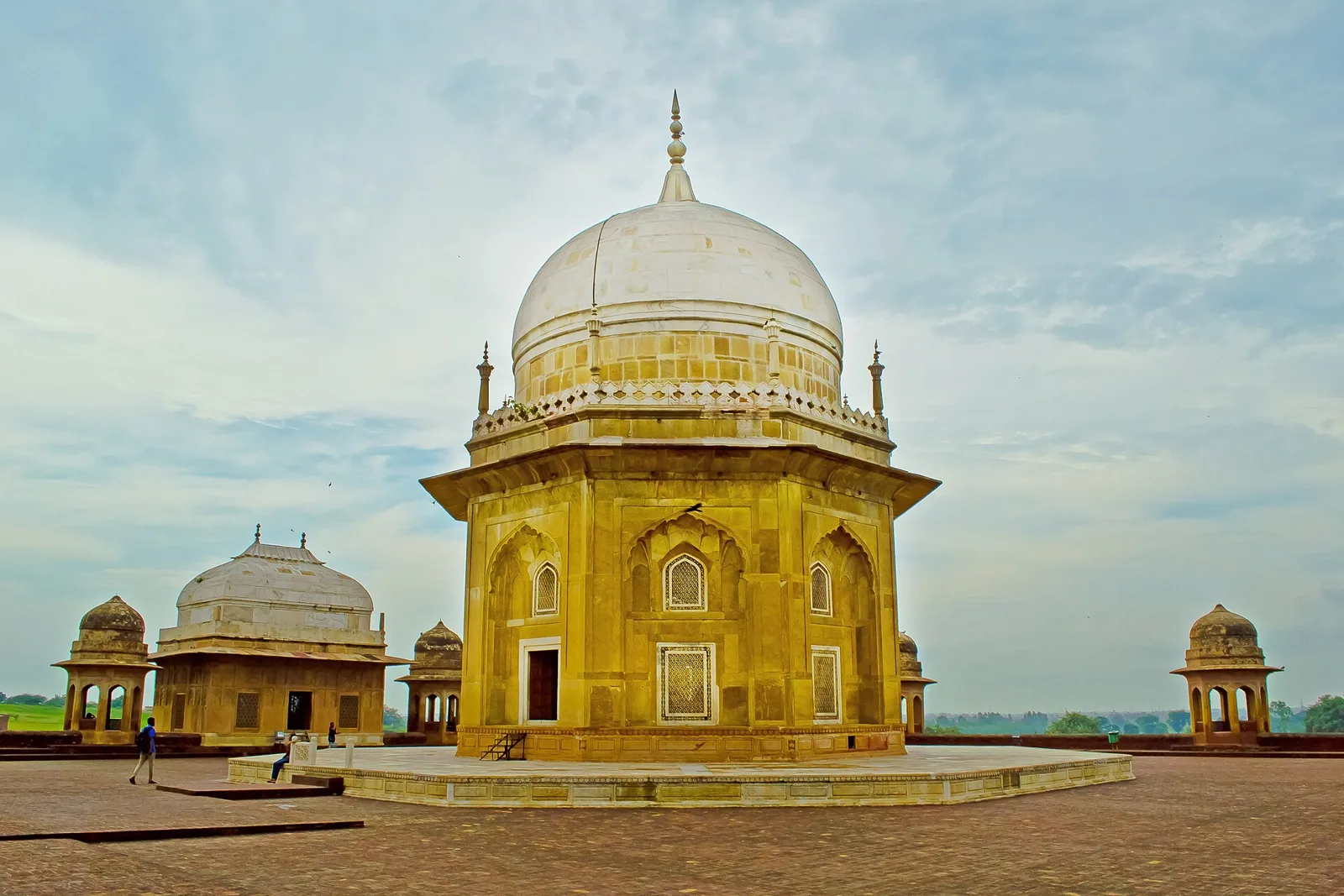
The festival is centred on Brahma Sarovar in Kurukshetra, where the daily aarti and the main events take place, and where the evening lamp-floating ceremony is a highlight. The Sri Krishna Museum, the Kurukshetra Panorama and Science Centre, which depicts the Mahabharata with life-size models, and the Sheikh Chilli's Tomb are within a short drive. Jyotisar, with its banyan tree and marble chariot, is a must-see, and Bhishma Kund and Sannihit Sarovar are other major sites. The fair grounds, with stalls and cultural stages, are close to the sarovar. Kurukshetra is also home to historic sites such as Pehowa, a place sacred to ancestors, and Thanesar, an old town with a fort and temples. A day or two is enough to see the main sites, and early mornings are the best time for peaceful visits.

Visitor guide

  • Getting there. Kurukshetra is about 160 km north of Delhi, a drive of around three hours on the national highway, and about 90 km from Chandigarh. Kurukshetra Junction is on the Delhi–Ambala line, with many trains. The nearest airports are Chandigarh and Delhi.
  • Where to stay. Kurukshetra has hotels, guest houses and dharamshalas (pilgrim rest houses), and Haryana Tourism runs a lodging. Rooms fill during the Mahotsav and on Gita Jayanti itself, so book early.
  • What to wear and pack. Late November and December are cold, with morning fog. Wear warm layers, bring a shawl or jacket, comfortable shoes and socks for the temple areas, and a modest outfit for pilgrimage sites.
  • Etiquette. Remove shoes at temples and ghats, dress modestly, and follow the instructions of priests. Do not use soap in the sacred tanks, and do not litter the water or banks. Ask before photographing worshippers.
  • Safety and comfort. Crowds are large on Gita Jayanti and on the days of bathing, and the water can be cold. Take care on the steps, keep an eye on children, and avoid driving at night in fog.

Today and tomorrow

The Gita Mahotsav has become one of the best-known festivals in Haryana, and it has helped to revive Kurukshetra's role as a pilgrimage and tourism centre. New museums, panoramas and improved ghats have made the town more accessible. At the same time, the festival faces questions of sustainability and cleanliness, since large crowds and the lighting of lamps affect the sarovar. There is also a continuing effort to keep the event focused on the spirit of the Gita rather than on spectacle, and many scholars and groups use the festival to promote reading and discussion.

Nearby

Places to see around the festival