Ghumoopedia — Explore, Discover, Experience
Sign in

Cultural · Goa

Goa Carnival

Panaji, Margao, Vasco and Mapusa

Dates

Last verified 17 November 2026. Confirmed: announced by organisers or government. Provisional: from a published almanac, not yet announced. Seasonal: no date announced.

The complete guide

Goa Carnival: everything to know before you go

When
February–March (pre-Lent, dates vary with the Christian calendar)
Where
Panaji, Mapusa, Margao, and towns across Goa
Who takes part
Goan Catholics, wider Goan community, tourists

Overview

Carnival in Goa is a flamboyant, public celebration of merrymaking before Lent. It combines Portuguese colonial traditions, Catholic liturgical timing and local Goan exuberance. Events include street parades, floats, masked balls, mock coronations of a symbolic King Momo, music, dance and open-air parties that attract residents and visitors alike.
Origins and legend

Carnival arrived with Portuguese influence and mirrors Iberian pre-Lenten festivities. Locally, Carnival took on Goan colour through inclusion of Konkani humour, satirical tableaux and community processions. The figure of King Momo (a jovial mock-king) personifies the temporary inversion of social norms that characterises pre-Lenten celebrations.

How it is celebrated

Celebrations run over several days with official parades, community floats, street performances and daytime family events. Key elements: the opening parade with King Momo, colourful floats and marching bands, costume contests, satirical sketches, and evening parties. Both organised municipal events and spontaneous street celebrations occur.

Food and flavours

Carnival is associated with feasting before Lent. Typical foods include pork vindaloo, sorpotel, bebinca and other rich Goan Catholic dishes, along with local sweets and baked goods. Street food—chorizo rolls, fried snacks and coconut-based sweets—features at open-air events.

Music, dance, art and dress

Brass bands, Portuguese-tinged marches and popular Konkani songs drive the parades. Dancers wear bright costumes, masks and sequined outfits; satirical floats often include papier-mâché figures. Contemporary DJs and live bands perform in the evenings, blending traditional and modern sounds.

Where to experience it

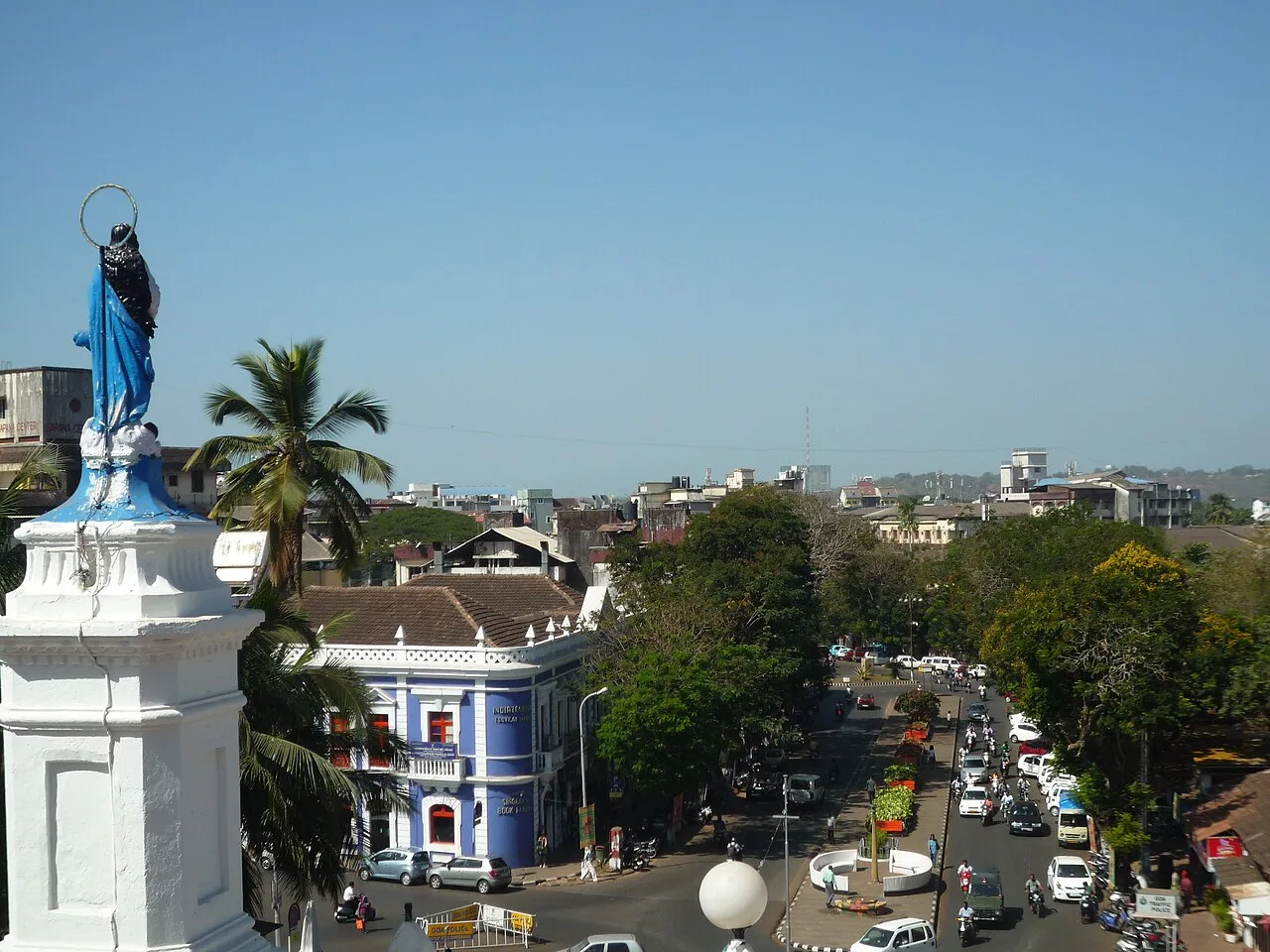
Panaji is the principal venue for the official Carnival parade and the King Momo ceremonies. Towns such as Mapusa and Margao host lively local processions. Smaller villages hold community parties—each offers different scales of spectacle, from municipal floats to intimate street revelry.

Visitor guide

Plan travel and accommodation well in advance—the Carnival period is busy. Daytime parades are family-friendly; evenings can be very crowded and lively. Respect local property and private processions, carry ID, and use official event information for parade routes. Public transport and taxis fill quickly; prearrange pick-ups if possible.

Today and tomorrow

Carnival remains a major cultural draw and has expanded with tourism. Organisers increasingly stage themed parades and safety measures; there is potential for curated cultural programming to deepen visitor understanding of Goan Lusophone heritage alongside popular entertainment.

Nearby

Places to see around the festival