Ghumoopedia — Explore, Discover, Experience
Sign in

Religious · Andhra Pradesh

Godavari and Krishna Pushkaralu

Ghats on the Godavari (Rajahmundry) and Krishna (Vijayawada)

Dates

Last verified 17 November 2026. Confirmed: announced by organisers or government. Provisional: from a published almanac, not yet announced. Seasonal: no date announced.

The complete guide

Godavari and Krishna Pushkaralu: everything to know before you go

Also known as
Godavari Pushkaram, Krishna Pushkaram, South Indian Kumbh Mela
State & District
Rajamahendravaram (East Godavari), Vijayawada (NTR District), Kovvur, Srisailam, Kurnool
When
Once every 12 Years per river (Godavari: Jupiter in Leo/Simha Rasi; Krishna: Jupiter in Virgo/Kanya Rasi)
Duration
12 Days (Adi Pushkaram) per cycle
Faith & Community
Hindu / Universal River Worship
Type
Grand Kumbh-Scale Sacred River Bathing, Ancestral Homage & Ecological Pilgrimage
Entry
Completely Free across all public river bathing ghats
Best for
Sacred river dips (Pushkara Snanam), ancestral Pinda Pradanam, river Harathi, cultural riverfront carnivals

Overview

Pushkaralu—often hailed as the 'Kumbh Mela of South India'—is a colossal river-worship festival celebrated once every 12 years along the banks of 12 sacred rivers across India. In Andhra Pradesh, the two greatest Pushkaralu events center on the mighty Godavari River (Dakshina Ganga) and the sacred Krishna River. Triggered by precise astronomical alignments when the planet Brihaspati (Jupiter) enters specific zodiac signs—Simha Rasi (Leo) for the Godavari and Kanya Rasi (Virgo) for the Krishna—Pushkaralu attracts over 50 to 100 million pilgrims over a 12-day window.

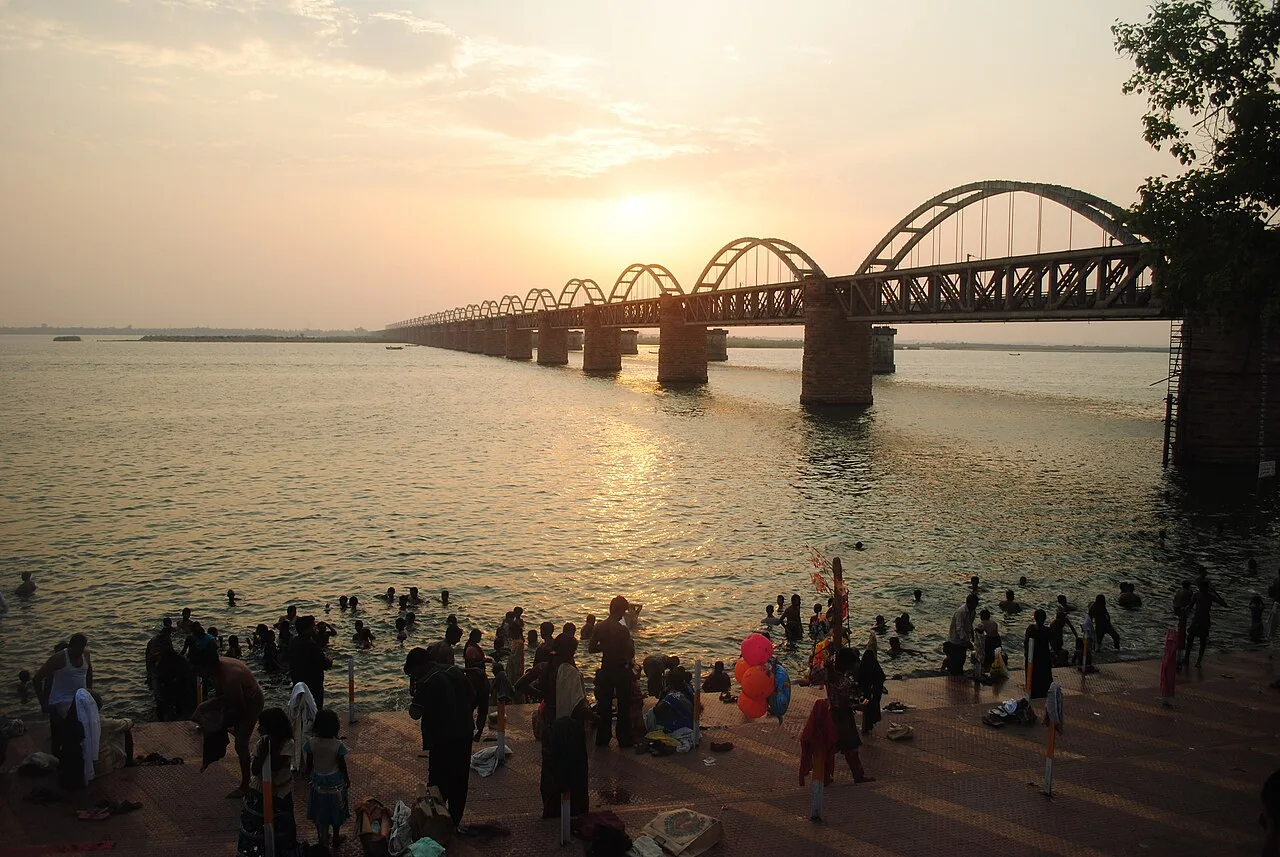
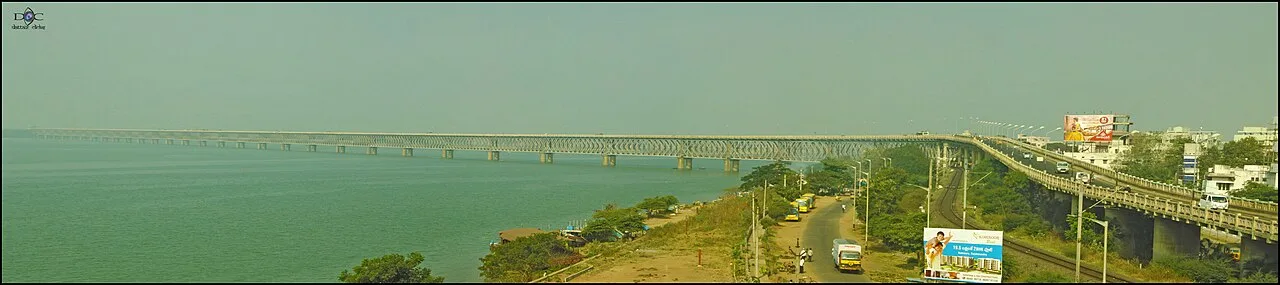
During the 12 days of 'Adi Pushkaram', it is believed that Pushkara—the divine king of all sacred waters—along with Lord Brahma, Lord Vishnu, Lord Shiva, and 33 crore deities, resides within the river waters. Plunging into the river during this celestial window is believed to cleanse seven generations of ancestral sins, heal physical ailments, and grant spiritual enlightenment. The riverfronts of Rajamahendravaram (Rajahmundry) along the Godavari and Vijayawada along the Krishna transform into epic spiritual canvases filled with bathing ghats, Vedic chanting, evening river Harathi, and massive community feasts.
Origins and legend

The scriptural origin of Pushkaralu is chronicled in the Pushkara Mahatmya and Jyotisha Shastras. According to legend, a devout sage named Tundila performed intense penance dedicated to Lord Shiva. Pleased with his devotion, Shiva granted him a boon, absorbing Tundila into His divine water form and naming him 'Pushkara'—the nourisher of all cosmic waters. Later, Lord Brahma requested Pushkara to accompany Brihaspati (Jupiter) across the 12 zodiac signs so that all living beings on Earth could be purified.

A divine pact was formed: whenever Jupiter enters a new zodiac sign, Pushkara along with all celestial devas dwells for 12 days in the corresponding sacred river. When Jupiter enters Simha Rasi (Leo), Pushkara resides in the Godavari; when Jupiter enters Kanya Rasi (Virgo), Pushkara resides in the Krishna. The Godavari River herself was brought down from the heavens to Earth by the intense penance of Sage Gautama to cleanse the sin of a cow's accidental death, earning her the title 'Gautami Godavari' and 'Dakshina Ganga'.

How it is celebrated

Pushkaralu celebrations span 12 continuous days packed with sacred rituals:

• Pushkara Snanam (Sacred Bath) – Pilgrims wake up before dawn and head to the bathing ghats. Standing waist-deep in the flowing river facing east toward the rising sun, pilgrims chant sacred mantras ('Om Godavarayai Namah' or 'Om Krishnaveni Namah') and submerge themselves three times under the water with a solemn spiritual vow (Sankalpam).

• Pitru Tarpanam & Pinda Pradanam – The riverbanks become vast open-air arenas for ancestral worship. Guided by Vedic priests, family heads offer sesame seeds, water, and cooked rice balls (Pindas) to honor their departed ancestors, praying for their eternal peace in Pitru Loka.

• Nitya River Harathi – Every evening at dusk, grand multi-tiered brass oil lamps are rotated in rhythmic harmony by priests along Pushkar Ghat in Rajamahendravaram and Durga Ghat in Vijayawada. Accompanied by bells, conch shells, and Vedic chanting, thousands of floating leaf lamps (Dia/Dona) illuminate the river waters.

• Anna Danam & Charity – Performing acts of charity (Dana)—giving food, clothes, books, and cows—during Pushkaralu is believed to yield thousand-fold karmic merit.

The Cultural Days

The state government constructs massive cultural arenas alongside the riverbanks. Every evening, world-renowned classical musicians perform Carnatic vocal concerts, sitar and veena recitals, and Kuchipudi dance ballets depicting river legends. Vedic conventions (Veda Sabha) assemble thousands of scholars reciting the Rig, Yajur, Sama, and Atharva Vedas.

The Pilgrimage Days

Pilgrims combine their sacred Pushkara bath with visits to iconic riverside temples:

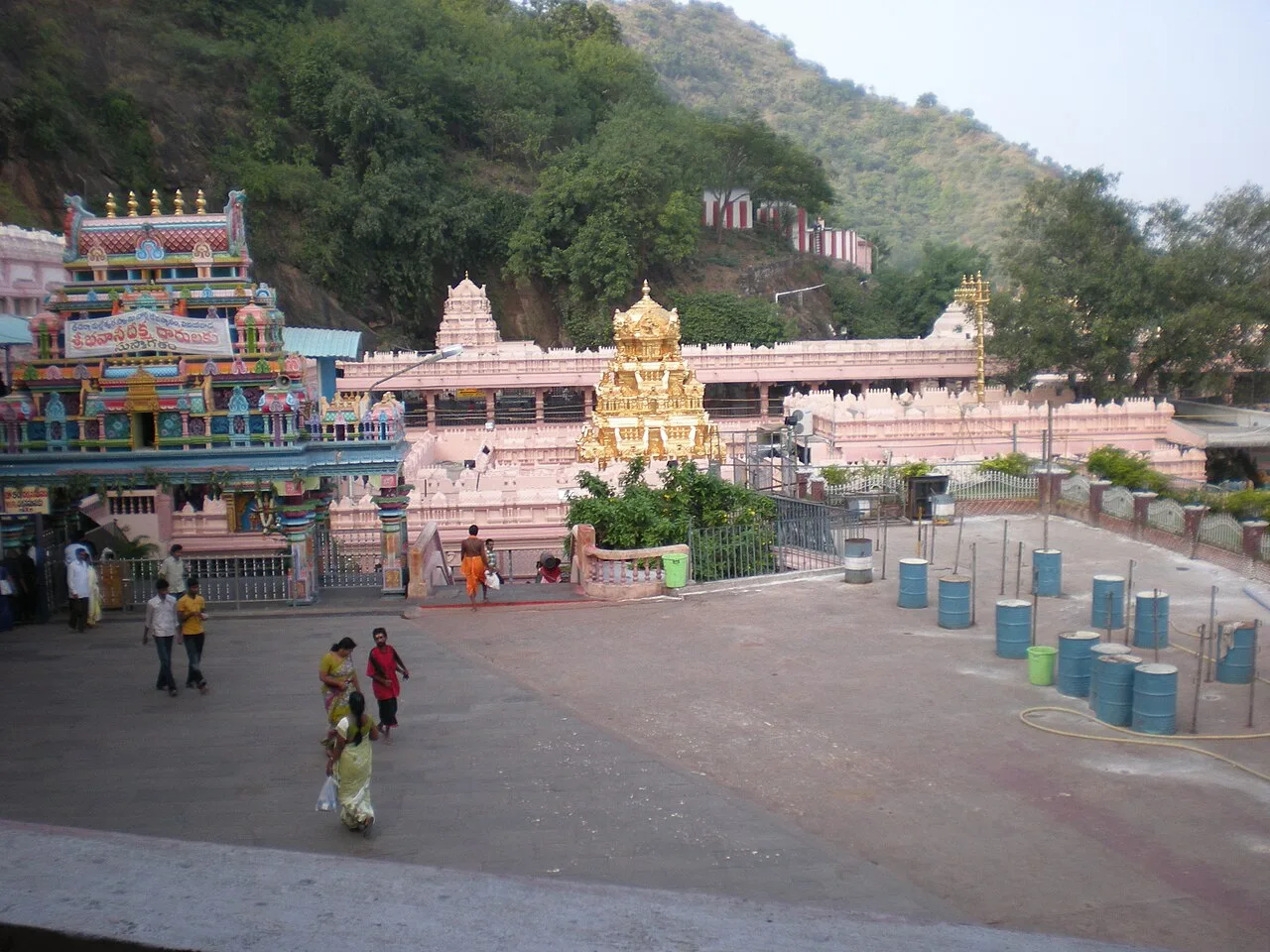
• Along Godavari: Sri Kotilingeswara Temple and Markandeya Temple in Rajamahendravaram, Draksharamam Bhimeswara Temple (Pancharama Khetra), and Sri Satyanarayana Swamy Temple in Annavaram.• Along Krishna: Kanaka Durga Temple atop Indrakeeladri Hill in Vijayawada, Amaravati Amaralingeswara Temple, and Srisailam Mallikarjuna Swamy Jyotirlinga.

Food and flavours

Pushkaralu is famous for colossal community feeding ('Anna Danam'). Religious trusts, civic bodies, and philanthropists set up thousands of free food marquees serving piping-hot Andhra vegetarian meals: steamed rice, Godavari style Pappu, spicy Tomato Charu, Pulihora, Daddojanam (curd rice), Bellam Payasam, and crispy Vadas on eco-friendly banana leaves.

Music, dance, art and dress

The air vibrates with sacred chants of Vedic Suktams and river stotrams. Devotees wear traditional cotton dhotis and sarees suitable for river bathing. Riverbanks are adorned with illuminated temporary arches, floating floral displays, and sand sculptures depicting Lord Shiva and Gautama Maharshi.

Visitor guide

Getting There

Rajamahendravaram (RJA) and Vijayawada (VGA) airports have direct flight connectivity. Both cities are major railway hubs on the Chennai-Howrah main line.

Where to Stay

Book hotels, TTD guesthouses, or government tent cities months in advance. State tourism boards erect temporary AC tent villages near major bathing ghats.

What to Wear and Pack

Carry extra pairs of quick-drying cotton clothes, towel, waterproof phone pouches, eco-friendly cloth bags for wet clothes, and non-slip footwear.

Etiquette

Do not use soap, shampoo, or chemical detergents while bathing in the sacred river. Use designated changing rooms provided at all major ghats.

Safety and Comfort

Bathe strictly within safety barricades and holding chains monitored by river police and scuba divers. Avoid entering deep mid-river currents.

Nearby

Places to see around the festival