
Ghumoopedia — Explore, Discover, Experience
Sign in

Cultural · Karnataka

Hampi Utsav

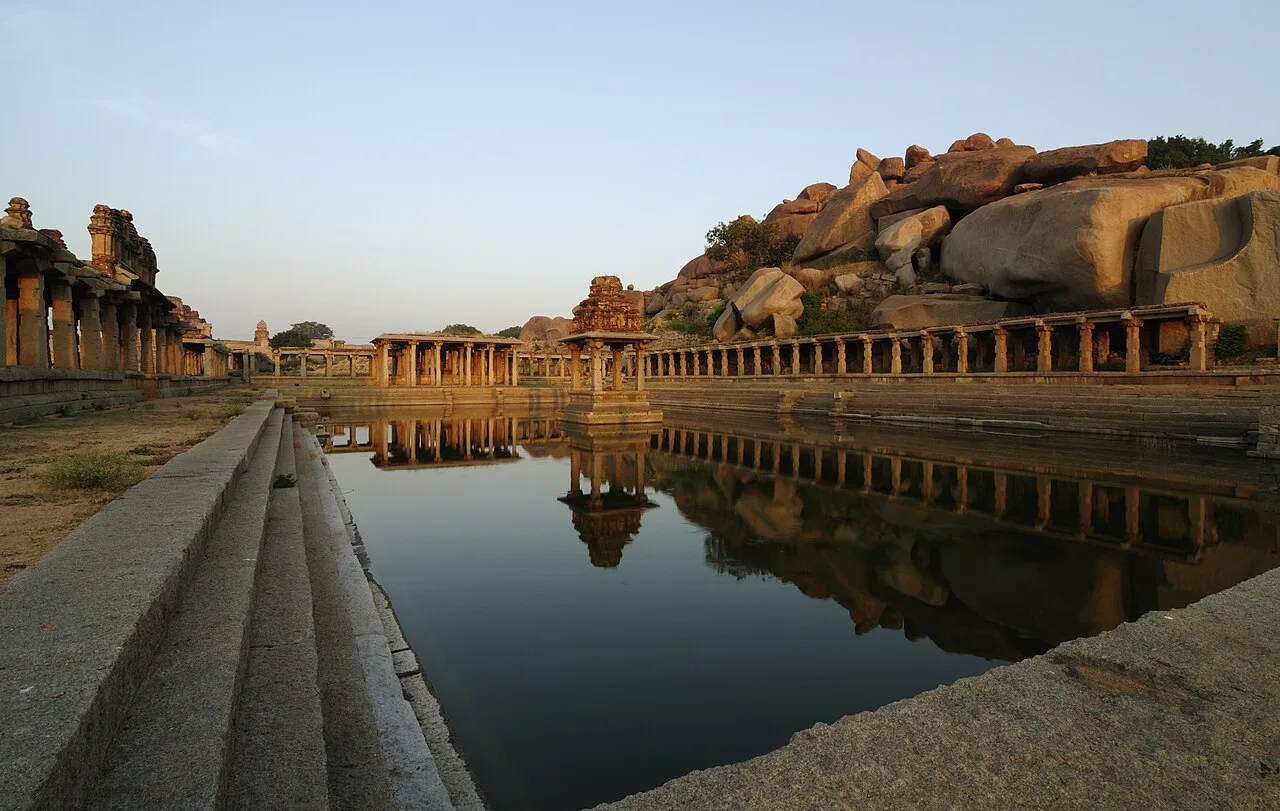
Hampi ruins, Vijayanagara district

Dates

Last verified 17 November 2026. Confirmed: announced by organisers or government. Provisional: from a published almanac, not yet announced. Seasonal: no date announced.

The complete guide

Hampi Utsav: everything to know before you go

Also known as
Vijaya Utsav, Hampi Festival
State & District
Karnataka; Vijayanagara District (Hampi World Heritage Site)
When
November (usually 3 days, 1st week of November)
Duration
3 Days
Faith & Community
State Cultural Celebration; Honoring Vijayanagara Imperial Heritage
Type
Heritage Cultural Festival, Sound & Light Spectacle, Music & Dance Extravaganza
Entry
Free for public stages; UNESCO monument entry fees apply to specific historic enclosures
Best for
Illuminated ancient stone monuments, classical dance, Janapada folk arts, sound & light shows

Overview

Hampi Utsav, also celebrated as Vijaya Utsav, is Karnataka's premier heritage cultural extravaganza set against the breathtaking backdrop of the UNESCO World Heritage ruins of Hampi in Vijayanagara District. Organized by the Department of Tourism and the District Administration, this three-day festival revives the glory, artistic patronage, and cultural grandeur of the 14th-to-16th century Vijayanagara Empire—one of medieval South India's wealthiest and most powerful empires. The festival takes place in November, when the pleasant winter atmosphere enhances the dramatic boulder-strewn landscape of Hampi.

During Hampi Utsav, iconic granite monuments such as the Virupaksha Temple, the Stone Chariot at Vittala Temple, the Elephant Stables, and the Mahanavami Dibba are bathed in multi-colored architectural lighting. Multiple grand stages erected across the sprawling heritage site host India's foremost classical vocalists, instrumentalists, classical dancers, and regional folk art groups. Highlights include the 'Janapada Kalavahini' (a massive folk art parade), 'Light and Sound' (*Dwani Velaku*) historical shows narrating the rise and fall of Vijayanagara, traditional sports, rock climbing, and a sky-lighting fireworks display over the Tungabhadra River.
Origins and legend

The historical origins of Hampi Utsav lie in the grand 'Mahanavami' and imperial victory celebrations of the Vijayanagara Dynasty under legendary emperors like Hakka, Bukka, and Emperor Krishnadevaraya (1509–1529 AD). Historical accounts by foreign travelers such as Niccolò de' Conti and Domingo Paes describe Hampi as a sprawling metropolis where royalty patronized thousands of dancers, musicians, sculptors, and wrestlers. The festival celebrated the victory of light over darkness and the imperial sovereignty of Vijayanagara under the divine aegis of Lord Virupaksha (Shiva).

After the catastrophic battle of Talikota in 1565 AD, Hampi fell into ruins. In the late 20th century, the Government of Karnataka instituted the modern Hampi Utsav to commemorate this golden era of Kannada literature, architecture, and music. The festival serves as a living bridge between Karnataka's glorious architectural heritage and modern cultural preservation, drawing international tourists, historians, and art connoisseurs to the banks of the Tungabhadra.

How it is celebrated

Hampi Utsav is inaugurated with a ceremonial royal procession (*Raja Veethi Utsava*) featuring decorated elephants, horse contingents, palanquins carrying portraits of Krishnadevaraya, and hundreds of folk artists marching through the historic Hampi Bazaar towards the Virupaksha Temple. Five to six major stages—named after historical icons like Krishnadevaraya, Hakka-Bukka, Vidyaranya, and Purandara Dasa—operate simultaneously from morning till late night.

The ruins are illuminated using state-of-the-art projection mapping and LED floodlights, creating a surreal visual illusion where ancient carved pillars and soaring *gopurams* appear to come alive. Daytime activities feature traditional rural sports such as *Kabbadi*, wrestling (*Gusti*), marathon runs through the ruins, rock-climbing competitions on Hampi's famous granite boulders, and hot-air balloon rides offering panoramic aerial views of the boulder-strewn landscape.

The Cultural Days

The three days of Hampi Utsav are densely packed with performing arts:

Janapada Kalavahini: A massive cultural rally showcasing over 50 traditional folk dance forms of Karnataka, including Dollu Kunitha, Lambani tribal dance, Veeragase, and Kamsale.

Sound & Light Show (Dwani Velaku): Staged at the Royal Enclosure or Elephant Stables, utilizing theatrical light projections and dramatic voiceovers to re-enact the historic saga of Vijayanagara's rise, golden age, and resilience.

Classical Music & Dance Recitals: Renowned artists perform Carnatic vocal music, Veena recitals, Hindustani classical music, Bharatanatyam, Kuchipudi, and Kathak against the backdrop of ancient granite stone pillars.

Puppetry & Theater: Traditional *Togalu Gombeyaata* (leather shadow puppetry) shows depicting stories from the Ramayana and Mahabharata, preserving an endangered folk art form of Karnataka.

The Pilgrimage Days

While Hampi Utsav is a cultural festival, spiritual reverence remains rooted at the Virupaksha Temple—the only temple in Hampi that has maintained continuous worship since the 7th century AD:

Virupaksha Temple Worship: Devotees gather for morning prayers to Lord Virupaksha (Shiva) and Goddess Pampa (a form of Parvati). Special pujas and chariot processions (*Rathotsava*) are held around the temple complex.

Hemakuta Hill Sunset Prayer: Pilgrims and visitors climb Hemakuta Hill, dotted with pre-Vijayanagara temples, to witness the sunset over the Tungabhadra River while listening to chanting and temple bells.

Food and flavours

The culinary flavor of Hampi Utsav reflects North Karnataka's robust gastronomy alongside traditional South Indian fare. Food courts (*Aahara Mela*) set up near Hampi Bazaar serve Jolada Rotti Thali—fluffy sorghum flatbreads served with *Ennegai* (spicy stuffed brinjal curry), *Shenga Chutney Pudi* (spiced peanut powder), *Jhunka* (gram flour curry), and fresh butter.

Visitors also enjoy *Yenai Rotti*, *Obbattu* / *Holige* (sweet flatbread stuffed with chana dal and jaggery, drizzled with pure ghee), *Maddur Vada*, *Mirchi Bajji* served with spicy puffed rice (*Girmit*), and refreshing tender coconut water. Local cafes in Hampi village and across the river in Anegundi offer multi-cuisine vegetarian options catering to international travelers.

Music, dance, art and dress

Hampi is historically revered as the cradle of Carnatic music, as Saint Purandara Dasa (the 'Father of Carnatic Music') lived and composed his *Kritis* at a pavilion near the Tungabhadra River (Purandara Mantapa). The festival honors this legacy with dedicated Purandara Dasa Aradhana recitals.

Performers wear traditional costumes: classical dancers adorn silk costumes with temple jewelry, while folk dancers dress in colorful regional attire—such as the mirrored embroidery dresses of the Lambani / Banjara tribal women residing in nearby settlements. Visitors generally wear comfortable, breathable cotton clothing suitable for walking amidst rocky ruins, accompanied by sun hats, scarves, and sturdy footwear.

Where to experience it

Hampi Utsav takes place across key locations within the Hampi World Heritage Site (Vijayanagara District):

Virupaksha Temple Complex & Hampi Bazaar: The focal point for inauguration parades, night street lighting, and spiritual gatherings.

Gayathri Peetha Main Stage: The largest open-air stage erected near the sacred enclosure for mega musical concerts and dance recitals.

Elephant Stables & Royal Enclosure: Venues for Sound & Light shows, classical dance programs, and handicraft exhibitions.

Tungabhadra Riverbanks & Anegundi: Ideal for coracle boat rides, riverfront evening illumination, and rural heritage explorations.

Visitor guide

Getting There

The nearest railway station is Hosapete Junction (Hospet), located 13 km from Hampi, connected by direct express trains from Bengaluru, Hyderabad, and Goa. Jindal Vijaynagar Airport at Toranagallu (35 km) operates domestic flights, while Hubballi Airport (145 km) and Bengaluru Airport (350 km) provide major flight connections. KSRTC operates frequent buses from Hospet to Hampi.

Where to Stay

Accommodations are available in Hospet city (ranging from luxury hotels like Evolve Back Kamalapura Palace and Hyatt Place to mid-range hotels) and eco-resorts/guesthouses in Anegundi and Sanapur across the river.

What to Wear & Pack

Wear light, breathable cotton clothes for daytime, sturdy walking/hiking shoes for exploring granite stone paths, sun hats, sunglasses, and high-SPF sunscreen. Carry a reusable water bottle and camera.

Etiquette

Hampi is a protected UNESCO heritage site; do not climb on delicate historic carvings, litter, or deface stone structures. Remove footwear before entering active worship areas at Virupaksha Temple.

Safety & Comfort

Expect large crowds during evening light shows. Plan transport back to Hospet in advance, as public auto-rickshaws get heavily booked at night.

Today and tomorrow

Hampi Utsav continues to evolve into a world-class cultural tourism event. Recent editions have incorporated eco-friendly measures, plastic-free zones, heritage photography workshops, and live digital webcasts for global audiences. The preservation of surrounding heritage structures during the festival remains a key priority for the Archaeological Survey of India (ASI) and Karnataka Tourism.

Nearby

Places to see around the festival