
Ghumoopedia — Explore, Discover, Experience
Sign in

Cultural · Andaman & Nicobar Islands

Island Tourism Festival

Port Blair, South Andaman

Dates

Last verified 17 November 2026. Confirmed: announced by organisers or government. Provisional: from a published almanac, not yet announced. Seasonal: no date announced.

The complete guide

Island Tourism Festival: everything to know before you go

Also known as
Andaman Dweep Mahotsav, ITF Port Blair
State & District
Port Blair, South Andaman District, Union Territory of Andaman and Nicobar Islands
When
Annually in January (Usually 10-day carnival from Jan 5 to Jan 15)
Duration
10 Days
Faith & Community
Secular, Cultural & Pan-Island Tourism Celebration
Type
State Festival, Cultural Carnival, Trade Fair & Water Sports Pageant
Entry
Free and Open to all tourists and local residents
Best for
Pan-Indian cultural dance performances, island food courts, aquatic sports, floating exhibitions, and tribal craft stalls

Overview

The Island Tourism Festival (ITF) is the premier cultural extravaganza of the Andaman and Nicobar Islands, organized annually by the Department of Information, Publicity and Tourism of the UT Administration. Held amidst the tropical winter charm of Port Blair, this 10-day grand festival transforms the capital city into a vibrant hub of music, dance, handicrafts, aquatic adventure, and gastronomic delight. The festival's primary objective is to highlight the archipelago's breathtaking natural beauty, rich biodiversity, and extraordinary cultural tapestry—earned through its unique history as a miniature India ('Mini-Bharat') where settler communities from every mainland state co-exist in total harmony.

The festival's nerve center is the sprawling ITF Ground (Netaji Stadium complex) in Port Blair, adorned with fairy lights, floral arches, and giant floating stages. Cultural troupes flown in from across mainland India—ranging from Bhangra dancers of Punjab and Chhau performers of Odisha to classical artists from Tamil Nadu—share the stage with indigenous island performers. Concurrently, aqua-sports competitions take over the azure waters of Corbyn's Cove Beach and Rajiv Gandhi Water Sports Complex, featuring jet-skiing, parasailing, boat races, and scuba diving exhibitions, making the festival an unforgettable winter highlight for thousands of domestic and international travelers.
Origins and legend

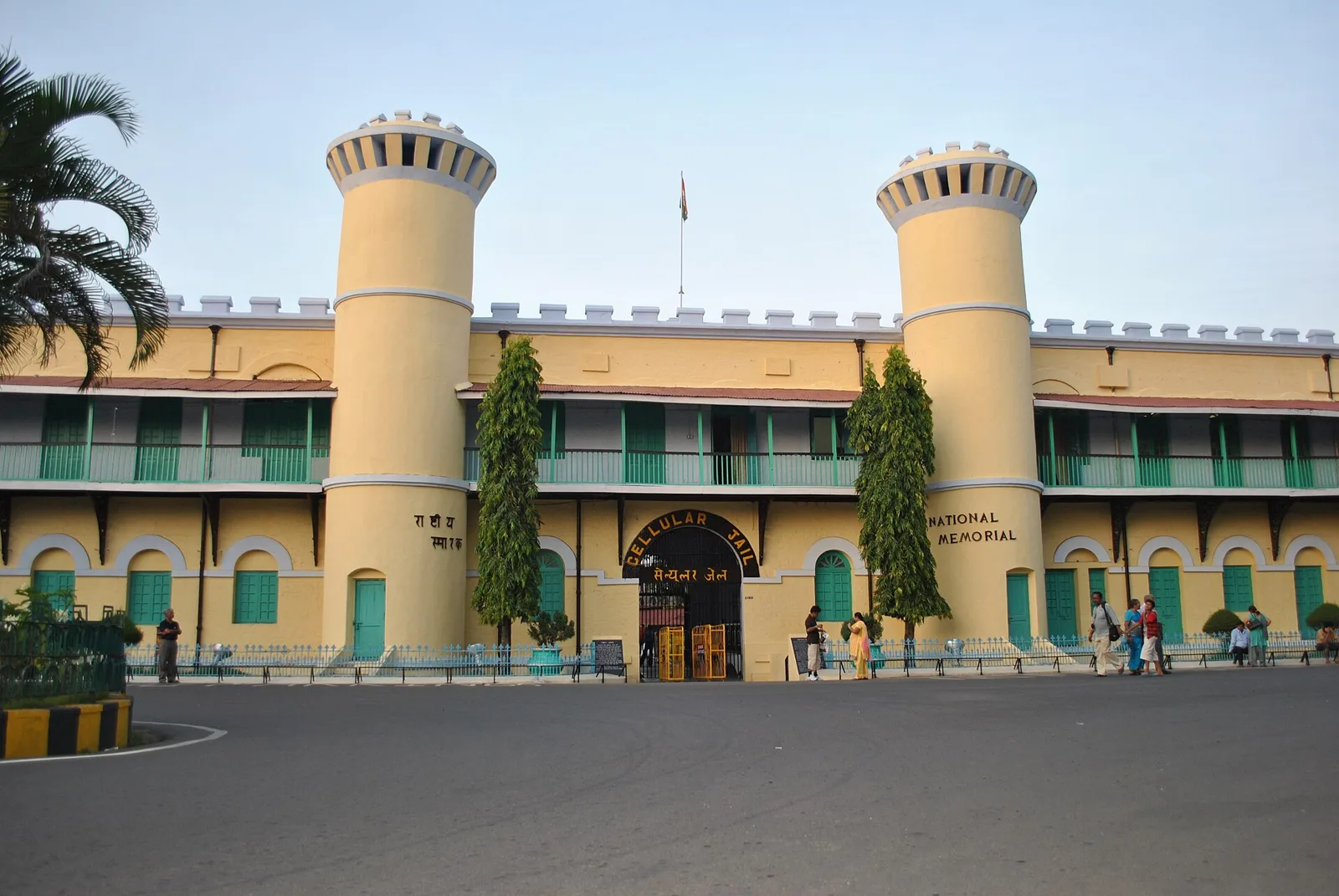
The Island Tourism Festival was inaugurated in December 1997 as part of a strategic initiative by the UT Administration to transition the islands' economy from timber extraction to sustainable eco-tourism. Prior to its establishment, Port Blair was primarily remembered for its grim colonial history centered on the Cellular Jail. The creation of ITF aimed to celebrate the modern identity of the islands—a peaceful sanctuary of diverse cultures, tropical rainforests, and world-class marine ecosystems.

Over the past nearly three decades, the festival has grown from a modest local fair into a national-level cultural spectacle. It serves as a tribute to the pioneer settlers—freedom fighters, penal exiles, post-independence refugees, and defense personnel—who transformed these isolated Bay of Bengal islands into a thriving multicultural society. The festival preserves and displays this unique history while promoting responsible marine tourism and environmental conservation.

How it is celebrated

The festival opens with a grand parade through the streets of Port Blair, featuring colorful floats decorated with marine life models, tropical flora, and cultural tableaux representing different island regions. The Chief Secretary or Lieutenant Governor formally inaugurates the event by lighting a ceremonial lamp at the ITF Ground, followed by spectacular fireworks illuminating the night sky over Ross Island (Netaji Subhash Chandra Bose Dweep).

Every evening of the 10-day festival offers a multi-tier entertainment schedule. The main open-air auditorium hosts live music concerts by renowned Bollywood playback singers, classical dance recitals, and regional folk troupes. Surrounding the stage, hundreds of commercial stalls display Andaman timber handicrafts, sea-shell jewelry, spices, and handlooms. Specialized pavilions hosted by the Indian Navy, Coast Guard, Forest Department, and Central Marine Fisheries Research Institute (CMFRI) educate visitors on marine conservation, naval aviation, and deep-sea exploration.

The Cultural Days

The 10-day festival program features distinct theme highlights:

Opening Parade & Fireworks Carnival: Street procession of dance troupes, marching bands, and float pageantry followed by nocturnal pyrotechnics.

National Cultural Exchange Nights: Performances by Zonal Cultural Centres (ZCC) showcasing authentic folk dances from Rajasthan, Punjab, Bengal, and Kerala.

Island Aqua Sports Festival: Daytime water sports championships at Corbyn's Cove Beach, featuring kayaking, windsurfing, and speed launch competitions.

Hasya Kavi Sammelan & Musical Nights: Popular poetry recitations, local rock band competitions, and Bollywood star night finale concerts.

The Pilgrimage Days

While the Island Tourism Festival is a secular event, it inspires a unique patriotic and cultural pilgrimage across South Andaman. Visitors combine festival visits with solemn pilgrimages to the historic Cellular Jail, attending the poignant Sound and Light show that honors India's freedom fighters. Thousands of tourists also take ferry excursions to Ross Island, North Bay, and Havelock Island (Swaraj Dweep) to explore coral reefs and marine national parks during the festival week.

Food and flavours

The festival's food court is a culinary paradise showcasing the extraordinary multi-cuisine heritage of the islands. Visitors can savor fresh seafood delicacies such as butter-garlic grilled lobster, fried kingfish, crab masala, and tandoori prawns prepared by expert island chefs.

Alongside seafood, stalls serve authentic regional dishes brought by settler communities: Bengali fish curry with rice, South Indian dosas and seafood biryani, North Indian kebabs, and Nicobarese coconut-cooked pork dishes. Sweet treats include hot jalebis, coastal coconut payasam, and fresh island fruit juices made from pineapples, papayas, and tender coconut.

Music, dance, art and dress

Festival fashion in Port Blair reflects casual tropical style mixed with vibrant traditional wear during evening shows. Performers wear dazzling traditional costumes representing their respective states—Santhal tribal skirts, Kathakali silk robes, and Punjabi kurta-pyjamas.

The artistic ambiance is dominated by island craft displays. Local artisans exhibit exquisite items carved from Padauk, Gurjan, and Marblewood timber, alongside shell art—lampshades, mirror frames, and necklaces crafted from mother-of-pearl, trochus, and turbo shells.

Where to experience it

ITF Ground, Port Blair: The primary festival venue hosting main stage cultural shows, trade stalls, food courts, and government pavilions.

Corbyn's Cove Beach: Hosts daytime beach volleyball, sand art exhibitions, and aquatic sports competitions.

Rajiv Gandhi Water Sports Complex: Center for jet-skiing, banana boat rides, and harbor cruises during festival days.

Visitor guide

  • Getting There: Veer Savarkar International Airport at Port Blair is connected by direct flights from Chennai, Kolkata, Bengaluru, and Visakhapatnam. Passenger ships also operate from Kolkata, Chennai, and Visakhapatnam.
  • Where to Stay: Wide variety of accommodations in Port Blair ranging from luxury resorts (Fortune Resort Bay Island, Peerless) to budget hotels and tourist lodges.
  • What to Wear & Pack: Light tropical cotton clothes, sunhat, sunglasses, comfortable walking shoes, and camera.
  • Etiquette: Respect venue security procedures. Do not purchase souvenirs made from banned marine species (such as sea turtle shells or protected corals).
  • Safety & Comfort: Port Blair enjoys pleasant tropical winter weather in January (20°C to 28°C). Maintain hydration and follow lifeguard instructions at beaches.

Today and tomorrow

The UT Administration is actively expanding the scope of the Island Tourism Festival by incorporating satellite events in Havelock Island (Swaraj Dweep), Neil Island (Shaheed Dweep), and Diglipur in North Andaman. Modern festival editions emphasize zero-single-use-plastic mandates, eco-friendly coral protection campaigns, and digital ticketing, ensuring that Andaman's flagship festival remains a model of sustainable island tourism.

Nearby

Places to see around the festival