
Ghumoopedia — Explore, Discover, Experience
Sign in

Cultural · Kerala

Kochi-Muziris Biennale

Fort Kochi and Mattancherry

Dates

Last verified 17 November 2026. Confirmed: announced by organisers or government. Provisional: from a published almanac, not yet announced. Seasonal: no date announced.

The complete guide

Kochi-Muziris Biennale: everything to know before you go

Attribute
Details
Also known as
Kochi Biennale, Muziris Art Biennale, People's Biennale
State & District
Kerala, Ernakulam District (Spread across Fort Kochi, Mattancherry, and Willingdon Island)
When
December 12 to mid-March every two years (Biennial international art edition)
Duration
108 Days (4-month international contemporary art exposition)
Faith & Community
Secular, Global, & International Art Community (Open to all visitors, artists, and scholars)
Type
Contemporary Art Exhibition, Cultural Festival, International Biennale
Entry
Ticketed (Day pass ~INR 150-300; season passes available; free entry for students on designated days)
Best for
Contemporary art lovers, global travelers, architects, intellectuals, photography, heritage architecture

Overview

The Kochi-Muziris Biennale is Asia's largest and premier contemporary art festival—a monumental 108-day international celebration of visual arts, site-specific installations, sculpture, film, and performance art held every two years across the historic heritage district of Fort Kochi and Mattancherry in Ernakulam district, Kerala.

Founded in 2012 by acclaimed Kerala artists Bose Krishnamachari and Riyas Komu, the Biennale resurrects the cosmopolitan legacy of Muziris—the legendary ancient spice port of Kerala that traded with Rome, Arabia, China, and Greece 2,000 years ago. By transforming colonial warehouses, spice godowns, Dutch bungalows, and sea-facing lawns into immersive contemporary art galleries, the Kochi Biennale has earned global renown as the 'People's Biennale', democratizing high art and making it accessible to millions of local residents and international travelers.
Origins and legend

The historical muse of the Biennale is Muziris, the ancient port city situated near Kodungallur that vanished following a catastrophic flood on the Periyar River in 1341 AD. Muziris was a melting pot of religions, cultures, and trade routes, welcoming early Christians, Jews, Muslims, and traders from across the ancient world.

In 2010, the Government of Kerala approached artists Bose Krishnamachari and Riyas Komu to initiate an international cultural project. They envisioned an artist-led biennale hosted not in sterile modern museum boxes, but embedded directly inside the living, multicultural heritage fabrics of Fort Kochi. The first edition opened on 12/12/12, establishing a global art movement that bridges local heritage with cutting-edge international visual art.

How it is celebrated

The Biennale unfolds across 10 to 12 iconic heritage venues in Fort Kochi and Mattancherry, including Aspinwall House (a massive 19th-century sea-facing trader's estate), Pepper House (a historic Dutch spice godown), Cabral Yard, Anand Warehouse, and Kashi Art Gallery. Each edition is curated by a renowned Indian or international artist who frames an overarching philosophical theme.

For four months, visitors wander through maze-like brick warehouses filled with large-scale architectural installations, video projections, soundscapes, oil paintings, interactive sculptures, and live performance art. Outside the exhibition halls, the streets of Fort Kochi buzz with public talks, film screenings, workshops, and music performances.

The Cultural Days

The Biennale hosts an expansive bouquet of parallel cultural programs:

Students' Biennale: Exhibits works of emerging art students from government art colleges across India.

Art by Children (ABC): Interactive creative workshops and art labs engaging school children.

Let's Talk & Music Sessions: Daily evening panel discussions, poetry recitals, and music concerts at Cabral Yard.

Film Screenings: Open-air screenings of independent cinema, video art, and avant-garde documentaries.

The Pilgrimage Days

While secular, the Biennale is a cultural pilgrimage for global art enthusiasts, students, and creative minds. Walking through the historical sites of Fort Kochi—visiting Saint Francis Church (where Vasco da Gama was buried), the Paradesi Synagogue in Jew Town, and Mattancherry Palace—offers an intellectual journey connecting history, memory, and modern social themes.

Food and flavours

Fort Kochi during the Biennale is a culinary festival in itself:

Fort Kochi Cafe Culture: Trendy art cafes serving artisan coffee, banana-walnut cake, seafood pasta, and fresh kombucha.

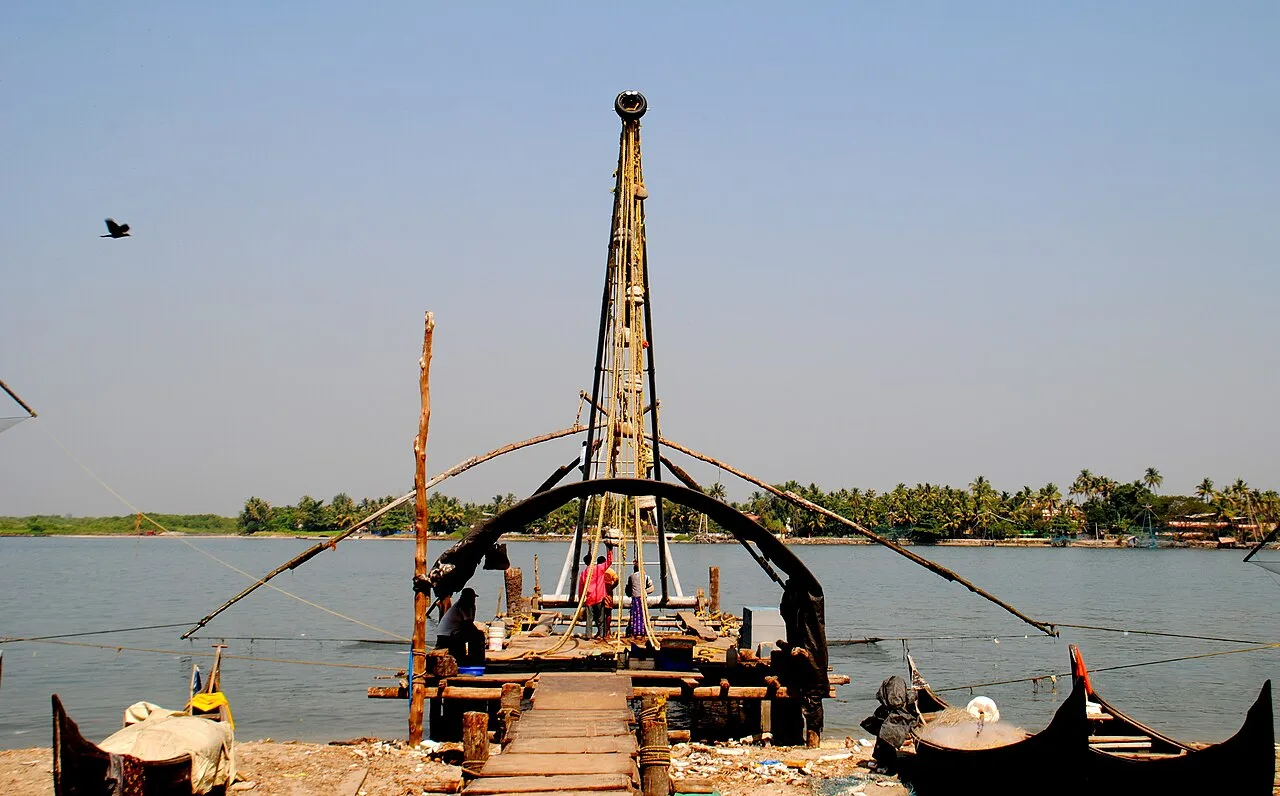
Local Malabar Seafood: Freshly caught fish cooked at the Chinese Fishing Nets, Meen Pollichathu, and Kerala Prawn Roast.

Street Eats: Local street stalls serving Kulukki Sarbath, spicy fried squid, and beef fry with Kerala Parotta.

Music, dance, art and dress

Art at the Biennale spans every medium: oil painting, digital installation, virtual reality, soundscapes, and community murals. Dress code is casually chic, comfortable, and bohemian—light linen shirts, cotton dresses, shorts, and comfortable walking sandals, as visitors walk several kilometers between venues.

Where to experience it

Aspinwall House (Fort Kochi): The primary, expansive waterfront venue housing the largest installations.

Pepper House (Kalvathy): Historic courtyard venue featuring a serene cafe, library, and installation spaces.

Jew Town & Mattancherry Warehouses: Atmospheric godowns hosting satellite exhibitions and pop-up galleries.

Visitor guide

Getting There

Ernakulam Junction (South) and Town (North) Railway Stations are 12 km away. Cochin International Airport (COK) is 42 km away. Take the scenic Water Metro or public ferry from Ernakulam Jetty to Fort Kochi Jetty.

Where to Stay

Book heritage hotels, boutique homestays, or backpacker hostels in Fort Kochi and Mattancherry 2-3 months prior.

What to Wear and Pack

Wear breathable cotton clothes, comfortable walking shoes, a sun hat, and sunglasses. Carry a tote bag, water bottle, and camera.

Etiquette

Do not touch delicate art installations unless explicitly marked as interactive. Follow photography guidelines in designated rooms.

Safety and Comfort

Pace your visit across 2 to 3 days to appreciate the vast collection without art fatigue.

Today and tomorrow

The Kochi-Muziris Biennale has placed Kerala firmly on the global contemporary art map, inspiring similar community-led cultural initiatives across South Asia while supporting local heritage conservation.

Nearby

Places to see around the festival