Losar celebrations in Sikkim follow a carefully structured sequence of domestic and monastic rituals spanning over a week. Preparation begins in the final days of the outgoing year with 'Gutor', a day dedicated to thorough house cleaning, scrubbing every corner, discarding broken household items, and painting sacred auspicious symbols—such as the Eight Auspicious Signs (Ashtamangala)—in white flour on kitchen walls and courtyard floors. Two days before Losar, families gather to consume 'Guthuk', a sacred ritual soup containing nine distinct ingredients including hand-rolled dough balls that conceal symbolic objects revealing the diner's inner character. On New Year's Eve, homes are decorated with vibrant silk brocades, and altars are stacked with 'Chemar' (a decorative wooden box filled with roasted barley flour and butter) and 'Derga' (tiered stacks of fried cookies). On New Year's Day ('Lama Losar'), families rise before dawn, dress in pristine traditional garments, and offer butter lamps and incense at domestic altars before visiting local monasteries for early morning prayers. The following days feature energetic visits to elders, exchange of silk scarves ('Khadas'), archery competitions, and communal feasting.
The Cultural Days
The cultural dimension of Losar unfolds prominently from the second day ('Gyalyopo Losar') onwards, transforming towns and villages into lively centers of social merrymaking. Sikkimese families open their doors to relatives, neighbors, and visiting guests, extending warm invitations to share festive meals. Community grounds in Gangtok, Rumtek, Lachen, and Lachung host traditional sports competitions, most notably high-stakes archery matches where archers dressed in full traditional regalia compete to the accompaniment of cheering crowds, song duels, and playful taunts from opposing teams. Women and youth gather in courtyards to perform graceful folk dances known as 'Lu' and 'Ghabra', accompanied by stringed instruments like the Dramyen. These cultural gatherings reinforce social cohesion, allow youth to learn ancestral songs, and provide a platform for preserving traditional Sikkimese folk arts in an increasingly modern world.
The Pilgrimage Days
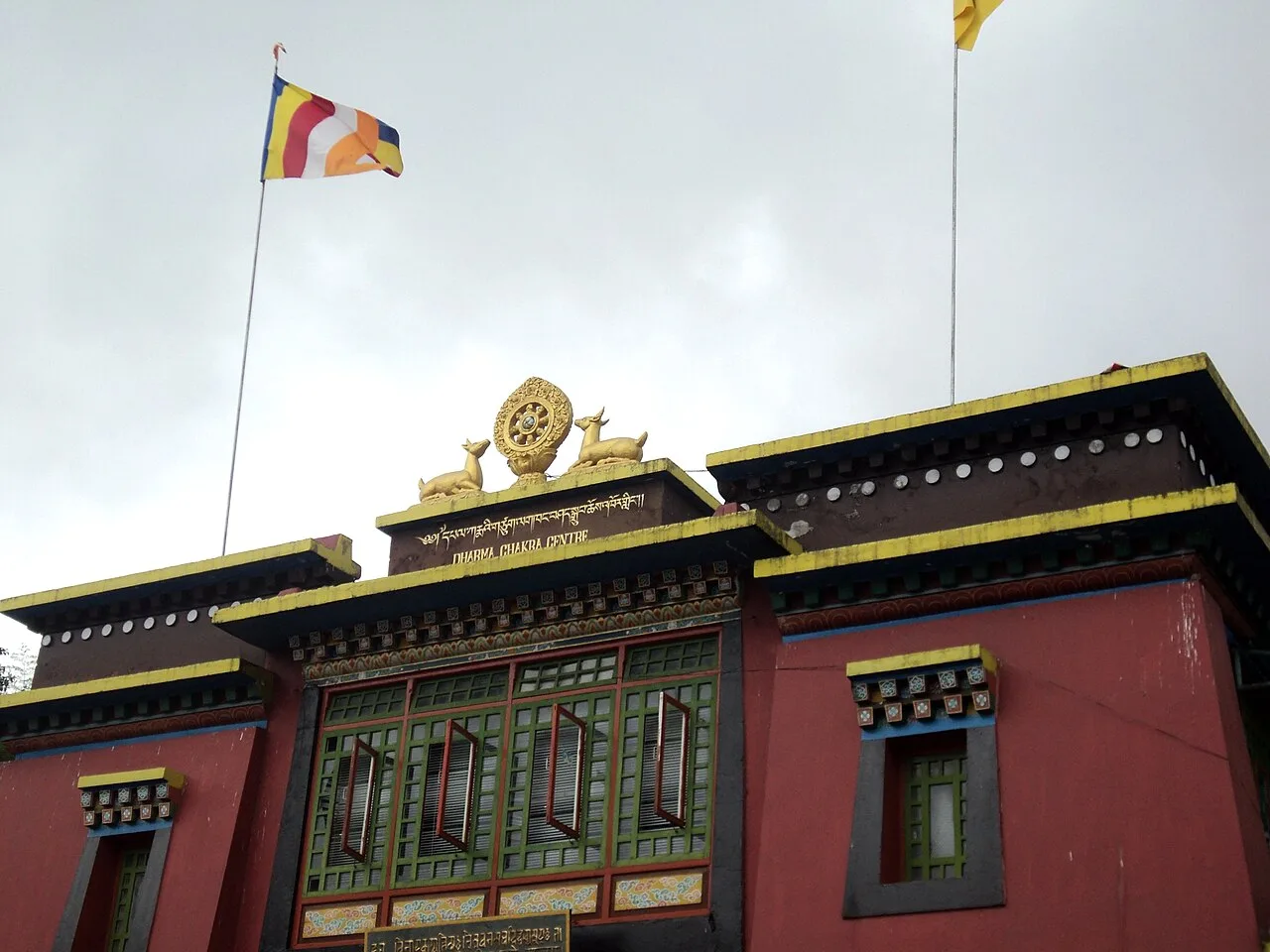
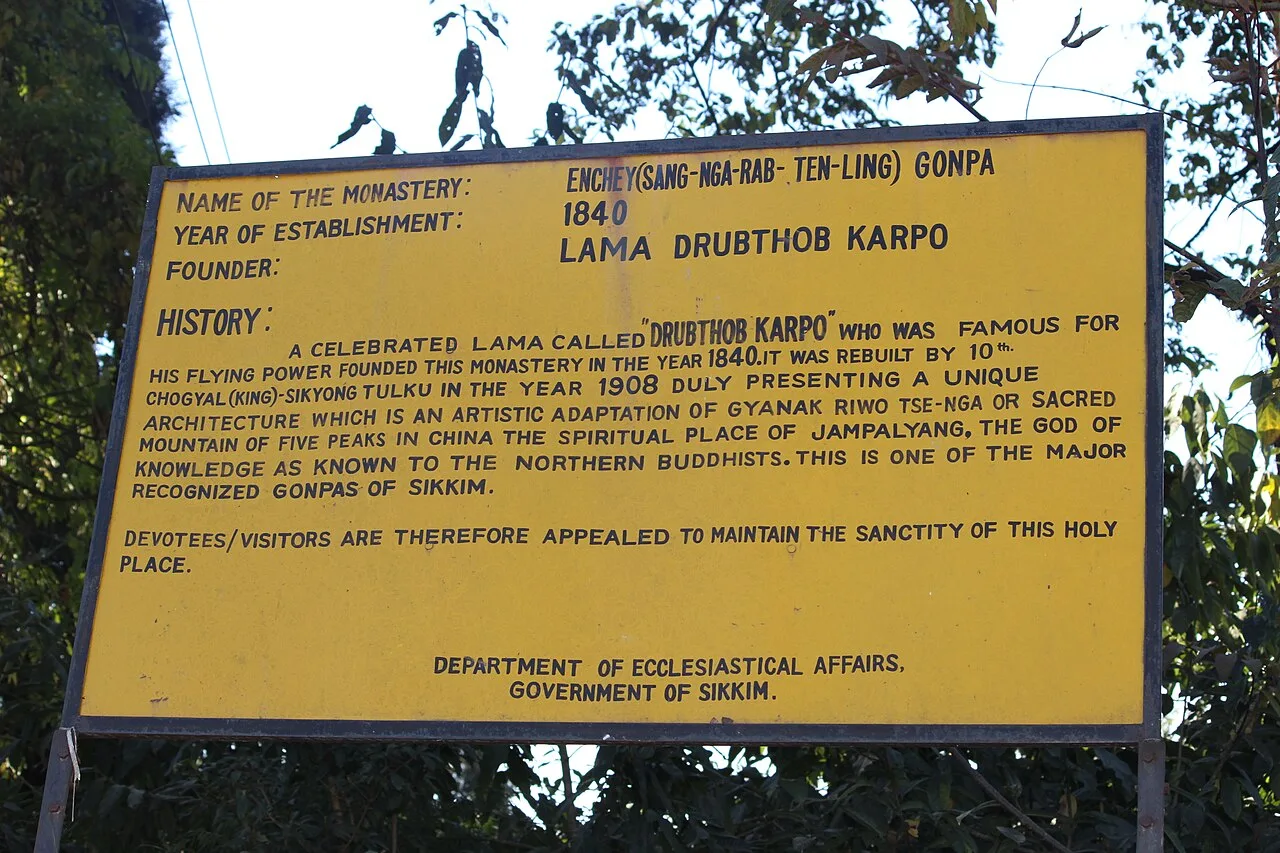
For devout Sikkimese Buddhists, Losar is fundamentally a sacred pilgrimage period dedicated to accumulating karmic merit and receiving divine blessings for the year ahead. Thousands of devotees undertake journeys to major monastic centers, including Rumtek Monastery (the seat of the Gyalwang Karmapa), Phodong Monastery in North Sikkim, Pemayangtse Monastery in West Sikkim, and the Tsuklakhang Royal Chapel in Gangtok. Monks spend entire days chanting sacred Buddhist texts, spinning prayer wheels, and performing complex puja ceremonies. Devotees line up for hours to receive 'Tse-wang' (life-empowerment blessings) from high-ranking Rinpoches, light thousands of flickering butter lamps inside shrine halls, and replace faded prayer flags on surrounding hillsides with bright new flags carrying wind-drawn mantras for universal well-being.