
Ghumoopedia — Explore, Discover, Experience
Sign in

Harvest · Sikkim

Losoong / Namsoong

Gangtok and monasteries of Sikkim

Dates

Last verified 17 November 2026. Confirmed: announced by organisers or government. Provisional: from a published almanac, not yet announced. Seasonal: no date announced.

The complete guide

Losoong / Namsoong: everything to know before you go

Fact Card Property
Details
Also known as
Sonam Losoong (Bhutia), Namsoong (Lepcha), Sikkimese New Year
Where
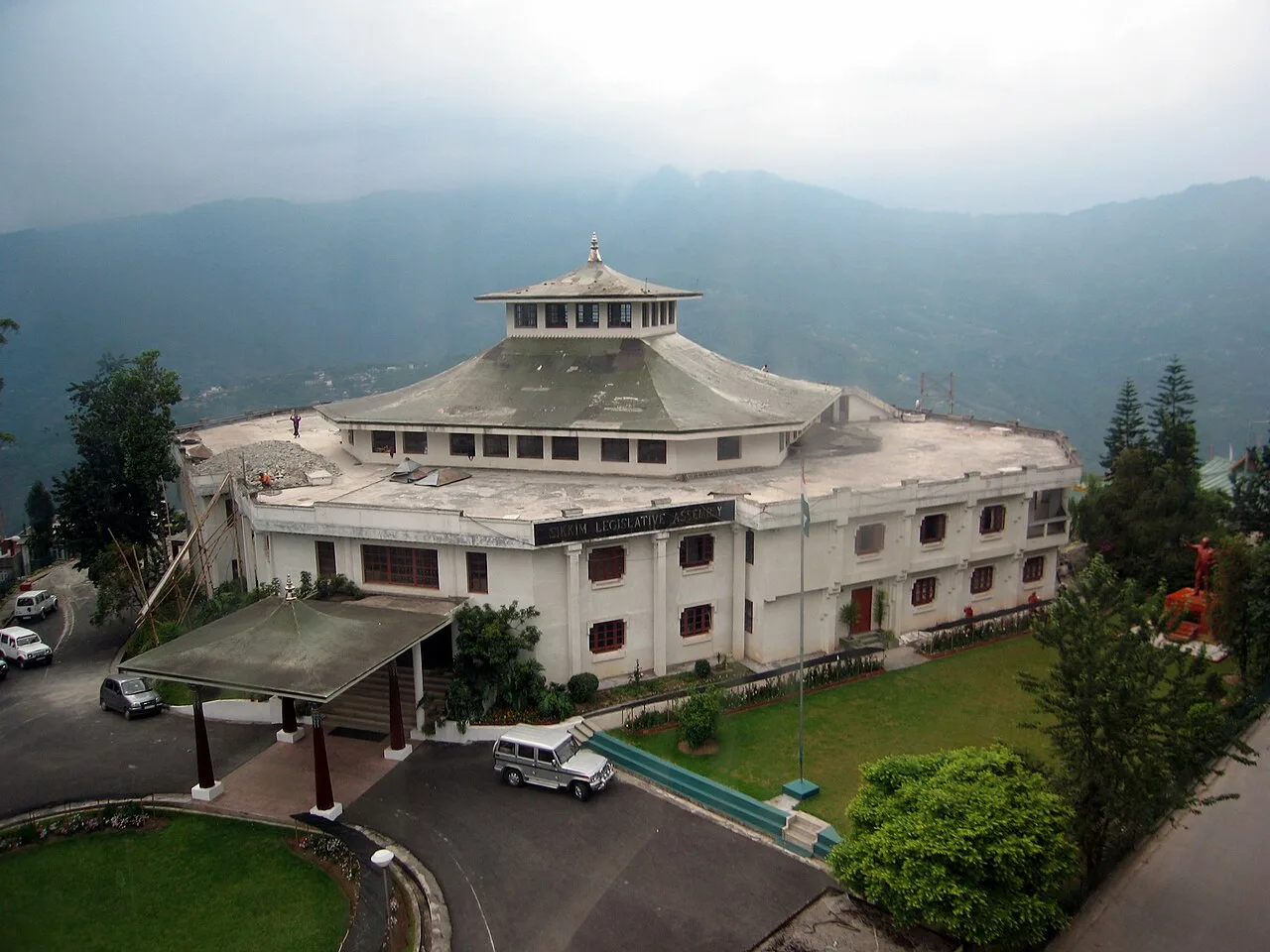
Sikkim (Statewide: Gangtok, Rumtek, Phodong, Pemayangtse, Lachung)
When
December / January (1st day of 11th Tibetan Lunar Month)
Duration
5 to 7 days
Who takes part
Sikkimese Buddhism & Indigenous Animism; Bhutia and Lepcha tribes
Type
Harvest Festival and Sikkimese Ethnic New Year
Entry
Free entry to monastery grounds, palace courtyards, and fairgrounds
Best for
Black Hat Chaam dances, traditional archery tournaments, Chi-Fut offerings, family hospitality

Overview

Losoong, celebrated concurrently as Namsoong by the indigenous Lepcha community, is Sikkim's very own authentic New Year and harvest festival, celebrated in December at the conclusion of the agricultural farming cycle. Falling on the first day of the eleventh month of the Tibetan lunar calendar, Losoong marks the triumphant end of the hard harvesting season when farmers gather the fruits of their labor from mountain terraced fields. The festival represents a harmonious synthesis of Bhutia agricultural traditions and ancient Lepcha folklore, bringing together the two indigenous ethnic communities in a week-long celebration of gratitude, spiritual exorcism, and communal joy. Monasteries across the state—most notably Tsuklakhang Palace Monastery, Rumtek, and Phodong—come alive with the thunderous beats of drums and cymbals as monks perform sacred masked Chaam dances to expel the year's evil spirits. Meanwhile, village fairgrounds echo with the cheers of archery matches and traditional games. Losoong offers visitors an intimate, unfiltered look into Sikkim's living heritage, where mountain hospitality, rich culinary traditions, and ancient tribal customs unite under the watchful gaze of snow-capped Himalayan peaks.
Origins and legend

Losoong embodies a dual historical and mythological origin story that reflects the complex ethnic syncretism of Sikkim. For the Bhutia community, the festival originated as 'Sonam Losoong' ('Sonam' signifying agriculture), an agrarian thanksgiving festival created to express deep gratitude to local guardian deities and agricultural spirits for providing a bountiful crop harvest. Over centuries, Bhutia settlers adapted rituals from the Tibetan Losar festival to establish Losoong as Sikkim's unique ethnic New Year. Concurrently, the indigenous Lepcha people observe this period as 'Namsoong', celebrating a legendary victory over the tyrannical demon king, Lasoe Mung Punu. According to Lepcha oral folklore, Lasoe Mung terrorized the pristine valleys of Mayel Lyang (ancient Sikkim) for years, causing widespread famine and distress. Guided by revered shamanistic priests known as Mun and Bongthing, the Lepcha ancestors waged a heroic battle and finally vanquished the demon king just as the grain crops were safely harvested and stored. Thus, Namsoong represents the ultimate victory of good over evil and the preservation of human life. The dramatic burning of straw effigies during the pre-Losoong monastic rituals symbolizes the destruction of Lasoe Mung Punu and the expulsion of all negative karmic obstacles accumulated throughout the passing year.

How it is celebrated

Celebrations begin two days prior to Losoong with sacred monastic Chaam performances, including the famous Black Hat dance and the symbolic burning of demon effigies in monastery courtyards. On the official New Year's Day, senior monastery priests perform 'Chi-Fut', a sacred ritual offering of locally brewed fermented grain alcohol ('Chi') to the higher deities and mountain guardians, seeking their blessings for agricultural fertility in the upcoming cycle. In homes, families clean their dwellings, decorate altars, and assemble to share opulent feasts. Villagers exchange visits, offering white silk scarves ('Khadas') and homemade delicacies to elders and neighbors. Festivities continue for over a week with village-level archery competitions, wrestling matches, and traditional cultural showcases.

The Cultural Days

The cultural vibrant spirit of Losoong is most evident in the archery tournaments ('Phaet-Khyat') organized in almost every village across Sikkim. Men dressed in traditional Bakhu robes gather at open grounds, shooting wooden arrows at small wooden targets positioned over 100 meters away. Each successful hit is celebrated with ecstatic victory dances, rhythmic song chants, and good-natured ribbing from rival teams. Women play a central role in organizing community feasts, preparing traditional foods, and performing folk dances that depict agricultural activities like sowing, weeding, and harvesting grain.

The Pilgrimage Days

Losoong serves as an essential spiritual pilgrimage for Sikkimese devotees, who travel to historical monasteries to seek divine blessings for health and agricultural prosperity. The Tsuklakhang Royal Chapel in Gangtok, Rumtek Monastery, Phodong Monastery, and Pemayangtse Monastery draw thousands of pilgrims. Devotees participate in prayer sessions led by high lamas, circumambulate holy shrine halls, light butter lamps, and receive blessed holy water and sacred protection cords ('Dung-da').

Food and flavours

Food during Losoong is a joyous celebration of winter comfort and farm-fresh harvest produce. The centerpiece of festive drinking is 'Chi' or 'Tungba', a traditional warm beverage prepared by pouring boiling water over fermented millet packed into tall bamboo canisters, sipped through fine bamboo straws ('Pipsing'). Festive meals feature rich pork stews cooked with radish and dried bamboo shoots, 'Kuri' (stuffed meat or vegetable dumplings cooked in bone broth), fried buckwheat pancakes, 'Gundruk' (fermented leafy green soup), 'Phagshapa' (pork fat strips cooked with dried red chilies and radishes), and crisp 'Sel Roti' (ring-shaped fried rice-flour bread).

Music, dance, art and dress

The artistic highlights of Losoong are the mesmerising Black Hat dances ('Shana Chaam') and masked deity performances enacted by monks. Dressed in elaborate brocade gowns, tall black hats topped with peacock feathers, and fierce painted masks representing protector deities like Mahakala and Kagyed, monk dancers perform athletic leaps and spins in time with cymbals and long horns. Local attendees wear traditional ethnic garments: Bhutia men wear the 'Bakhu' paired with leather boots ('Jhya-lam'), Lepcha men wear the woven 'Dumpra' pinned at one shoulder, and Lepcha women wear the elegant 'Dumdyam' anchored with intricate silver brooches.

Where to experience it

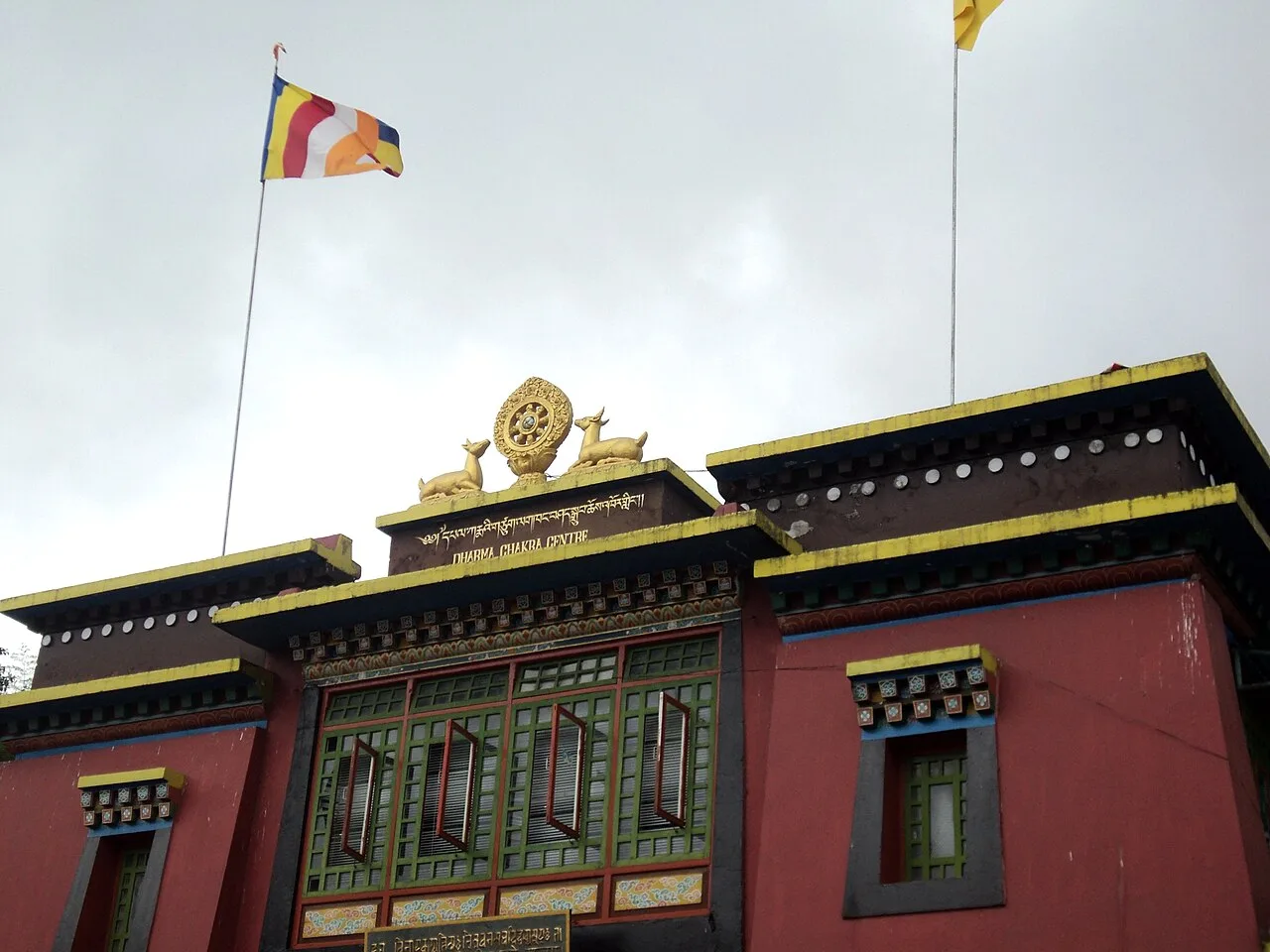
The Tsuklakhang Palace Monastery in Gangtok is the premier location to observe authentic royal Sikkimese Losoong rituals and Chaam dances. Phodong Monastery in North Sikkim and Rumtek Monastery offer majestic monastic backdrops for witnessing two days of pre-New Year masked dances. For a warm, rustic community experience, visiting village homestays in Lachung, Pelling, or Ranka provides firsthand access to archery matches and family feasts.

Visitor guide

Getting there

Gangtok is the major transit hub, located 114 km from Siliguri / NJP Railway Station and 124 km from Bagdogra Airport. Monasteries like Rumtek (24 km from Gangtok) and Phodong (38 km from Gangtok) are easily reached by private or shared taxis from Gangtok taxi stands.

Where to stay

Choose from boutique hotels in Gangtok, eco-resorts around Rumtek and Pelling, or authentic community homestays in West and North Sikkim villages.

What to wear and pack

December weather is chilly across Sikkim, with temperatures dropping to 2°C–10°C in Gangtok and below freezing in North Sikkim. Pack heavy winter coats, thermal layers, woollen scarves, beanies, and warm insulated footwear.

Etiquette

Maintain silence during sacred monastic rituals. When offered 'Chi' or festive food in a local home, accept the container with both hands as a sign of respect.

Safety and comfort

Monastery courtyards get packed during Chaam dance days; arrive by 8:30 AM to secure seating. Winter daylight is short, with dusk falling by 4:45 PM.

Today and tomorrow

Today, Losoong plays a crucial role in safeguarding Sikkim's indigenous tribal identity amidst modern socioeconomic changes. The festival has gained national recognition as a major cultural tourism event, drawing photography enthusiasts and cultural travelers worldwide while providing local farmers and artisans a vital platform to showcase traditional organic produce and handloom crafts.

Nearby

Places to see around the festival